What a Sand and Gravel Production Line Idler Does
A sand and gravel production line idler is the rotating support under the conveyor belt that carries crushed stone, screened aggregate and sand between the crusher, screen and stockpile. In a pit or quarry, the belt is the spine of the plant, and the idlers are the parts that keep it tracking, keep the trough shape, and absorb the constant load of rock. The same idler roller appears in aggregate plants, concrete batching stations and tunnel spoil lines, but the duty in a sand and gravel circuit is usually abrasive and dusty, so the roller body and the bearing seal deserve more attention than the price tag.
How the Idler Is Built
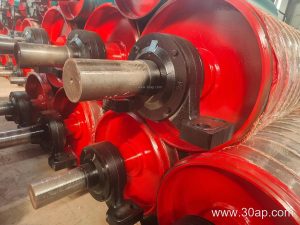
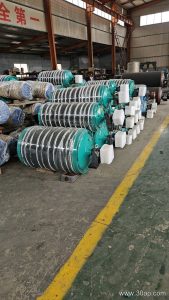
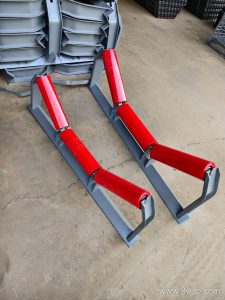
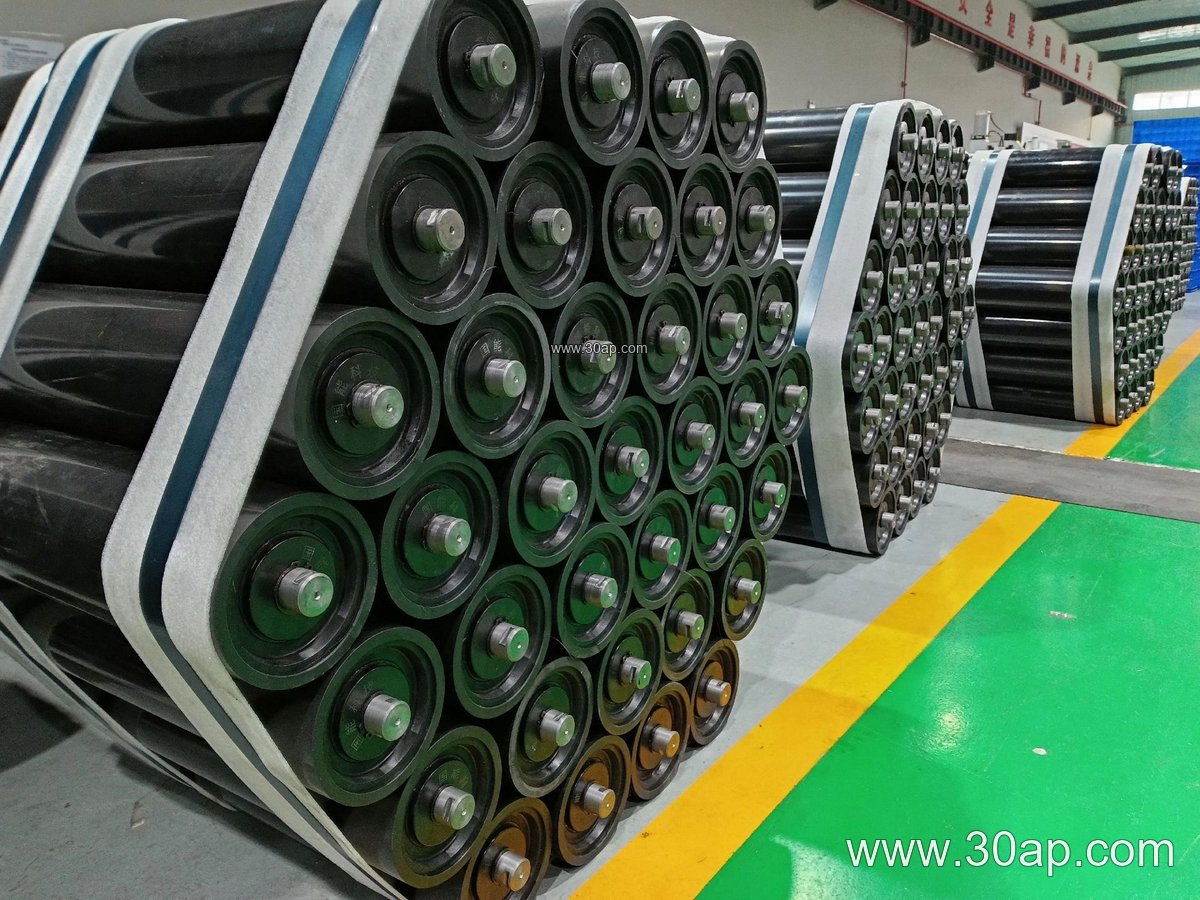
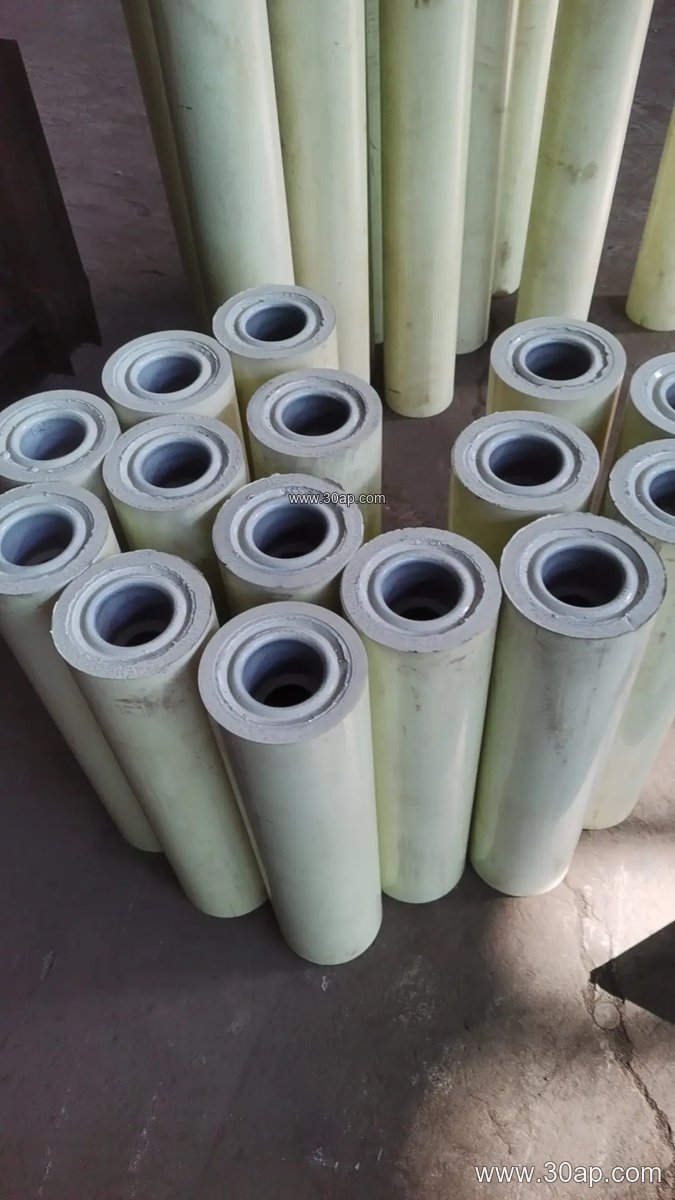
A typical carrying idler is a steel tube with pressed end caps, a through shaft, and sealed ball bearings. The roller surface may be plain steel, nylon, ceramic or rubber rings, depending on whether the job is plain carrying, impact absorption or material build-up control. Bearing numbers such as 6204, 6205, 6305, 6306, 6308 and 6310 are common across the range, but the bearing is matched to the shaft and load, not fixed by belt width alone. A conveyor bracket holds the idler ends in the frame, and the frame spacing sets the catenary between rollers.
Common Roller Diameters
Diameters are usually chosen with belt width, belt speed and lump size in mind. Common sizes include Ø63, Ø76, Ø89, Ø102, Ø108, Ø127, Ø133, Ø159, Ø178, Ø194 and Ø219 mm. A small diameter suits a narrow, light-duty belt; a larger diameter gives more bearing space and longer life under heavy aggregate. None of these values should be read as a fixed rule for a given belt width.
Trough Sets and Belt Width
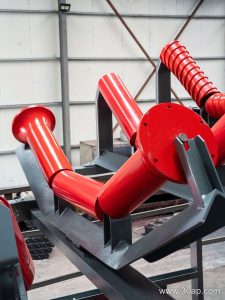
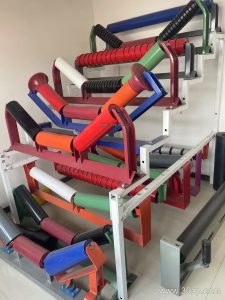
Carrying idlers are normally arranged as a single roller, a two-roll set or a three-roll trough set. The trough angle is commonly 20, 30, 35 or 45 degrees. Roller length follows belt width, trough angle and set form. For reference, a three-roll trough set may use roller lengths near 200 mm at B500, 250 mm at B650, 315 mm at B800, 380 mm at B1000, 465 mm at B1200, 530 mm at B1400, 600 mm at B1600, 670 mm at B1800 and 750 mm at B2000. Side rollers and centre rollers can differ, so these are examples rather than a match table.
Where the Idler Fits in the Line
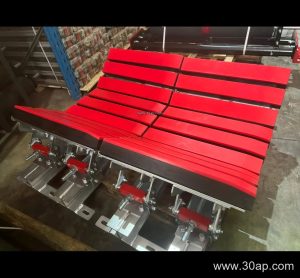
On a primary crusher discharge, impact idlers with rubber rings sit under the load point to soften falling rock. Along the incline, three-roll trough idlers form the belt into a channel so aggregate stays centred. On the return strand, flat return idlers and V-return idlers support the empty belt, while self-aligning idlers correct drift on long runs. In a wash plant or a concrete batching station, sealed idlers resist grit and moisture. A quarry conveyor belt moving abrasive stone benefits from abrasion resistant conveyor belt covers, and the idler below should be selected for the same dust and grit level.
Selection Points for Buyers
- Match roller diameter to belt width, belt speed and lump size rather than to a single catalogue number.
- Check the bearing series and seal type against the dust and water present in the plant.
- Confirm the trough angle and roller length with the frame drawing, since side and centre rollers may differ.
- For load points, use impact or rubber-ring idlers; for long straight runs, use standard trough idlers and a few self-aligning sets.
- Keep spare idlers and brackets in stock, because a seized roller can damage the belt quickly.
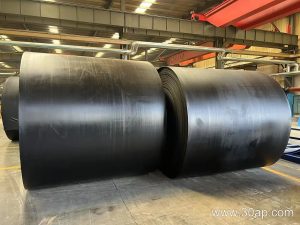
On the belt side, a heavy-duty mining conveyor belt or an EP conveyor belt with a multi-ply fabric core is common in aggregate service, while a steel cord conveyor belt is used on long, high-tension trunk conveyors. The idler choice should follow the belt tension and load, not the other way round.
Maintenance and Long Life
Inspect idlers for seized bearings, worn roller shells and material build-up. A roller that stops turning will flat-spot the belt and can start a fire in a dusty plant, so flame retardant conveyor belt covers are sometimes specified alongside regular idler checks. Keep the return strand clean, align the frame, and replace damaged rollers in sets where the frame allows. For more on matching rollers, belts and pulleys, see the conveyor idler roller and conveyor pulley notes at www.example.com/sand-gravel-idler and www.example.com/conveyor-roller.