What a Rock Conveyor Belt Is
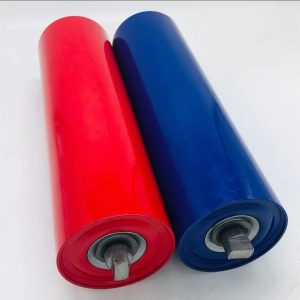
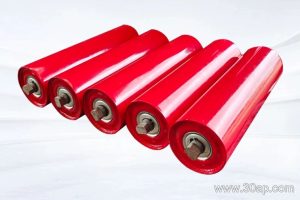
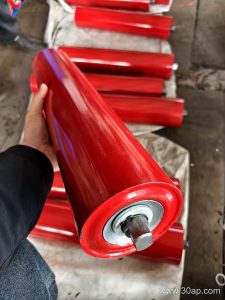
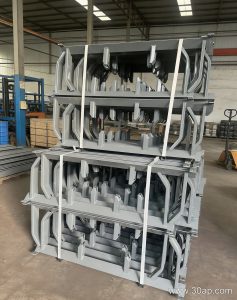
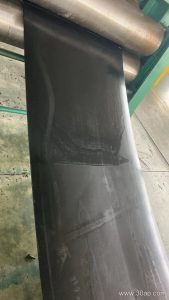
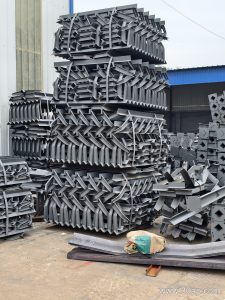
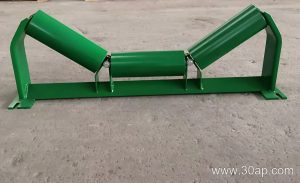
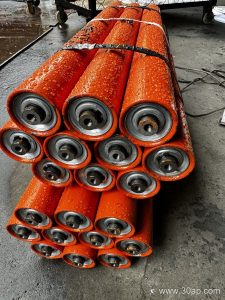
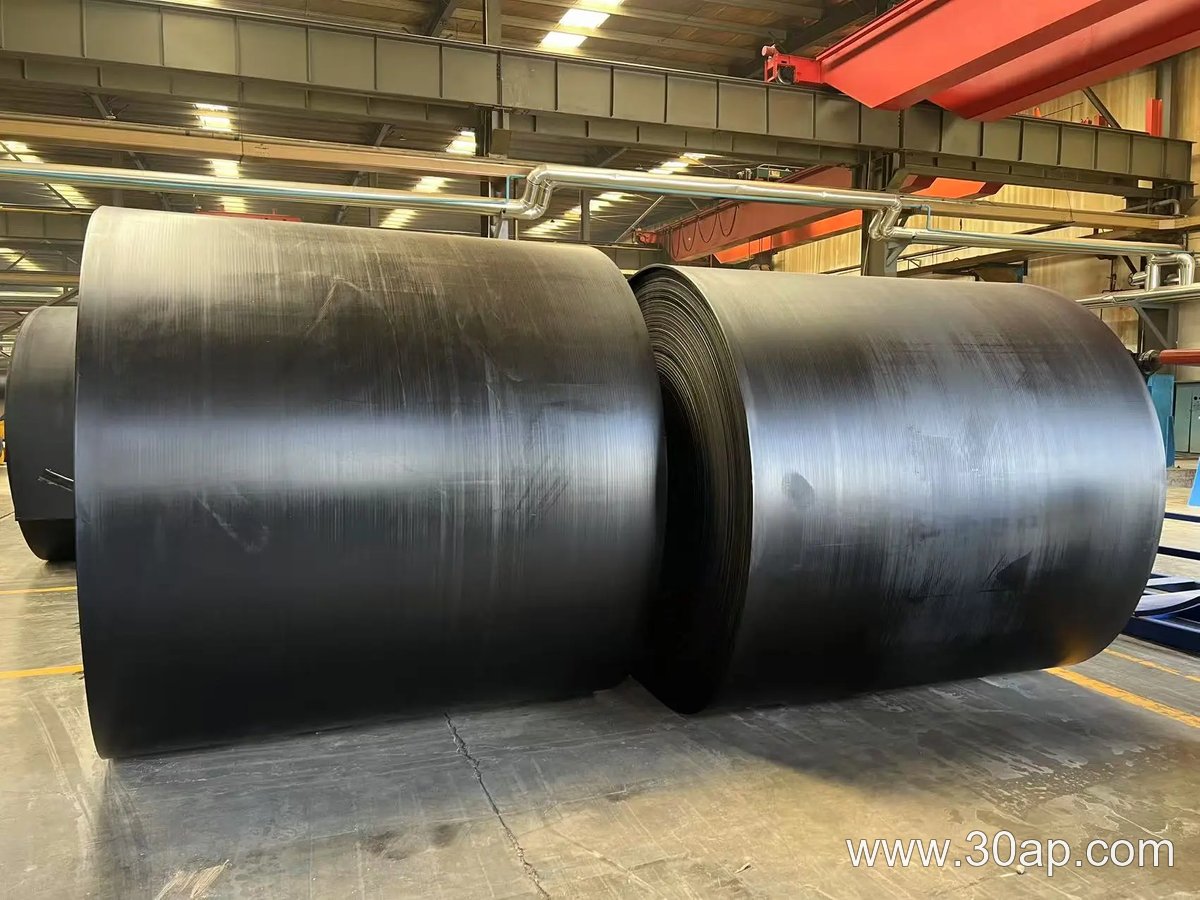
A rock conveyor belt is the load-carrying element in a bulk handling system built to move crushed stone, gravel, ore, sand, and similar abrasive material. In everyday site language it is often simply called a stone crusher belt or quarry belt, but the product belongs to the same family as any heavy-duty conveyor belt used for hard, sharp, high-density loads. The belt runs over a head pulley, tail pulley, and bend pulleys that change direction, while idler rollers support the carrying run and return run. Frames and conveyor brackets hold those components in alignment. The belt itself must survive impact at the loading point, continuous abrasion, and the tension needed to pull the load uphill or along a long horizontal route.
Construction of a Heavy-Duty Rock Belt
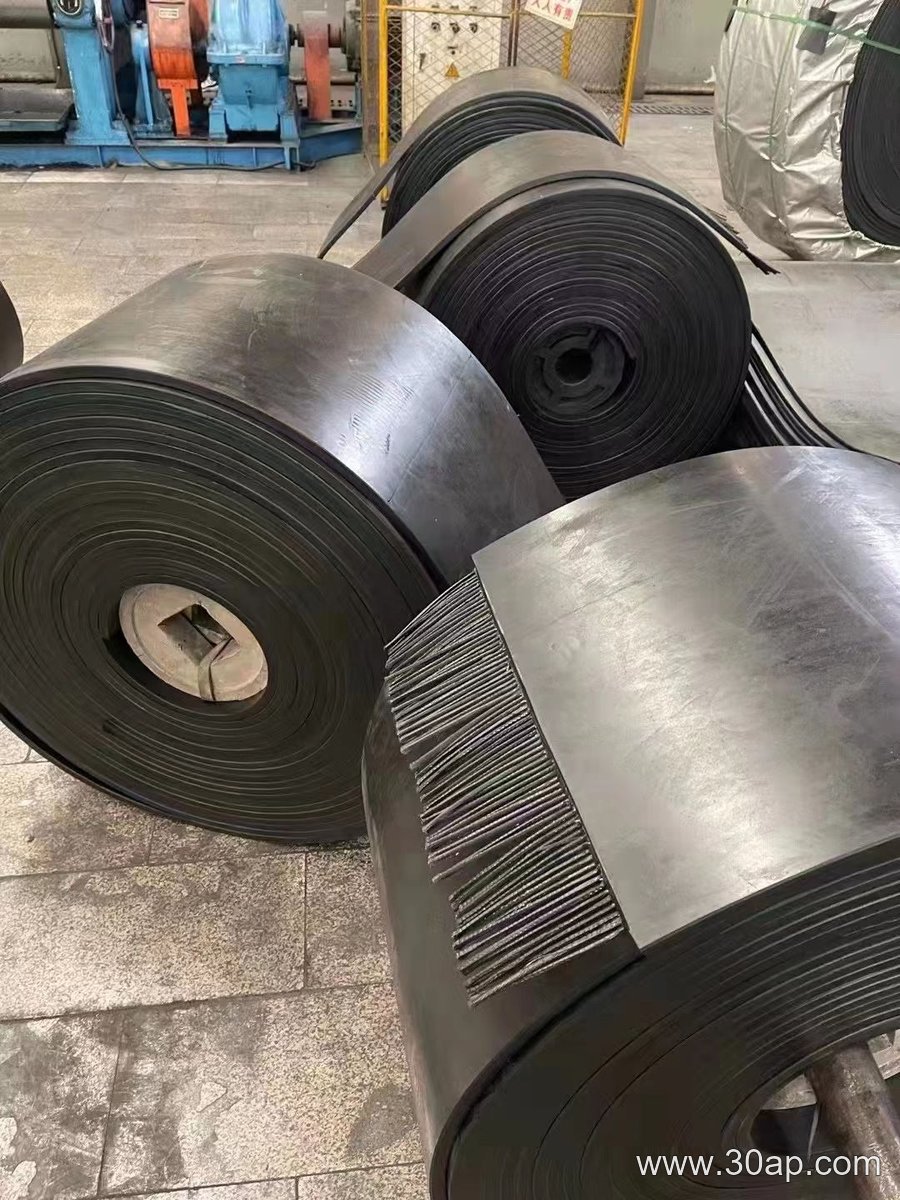
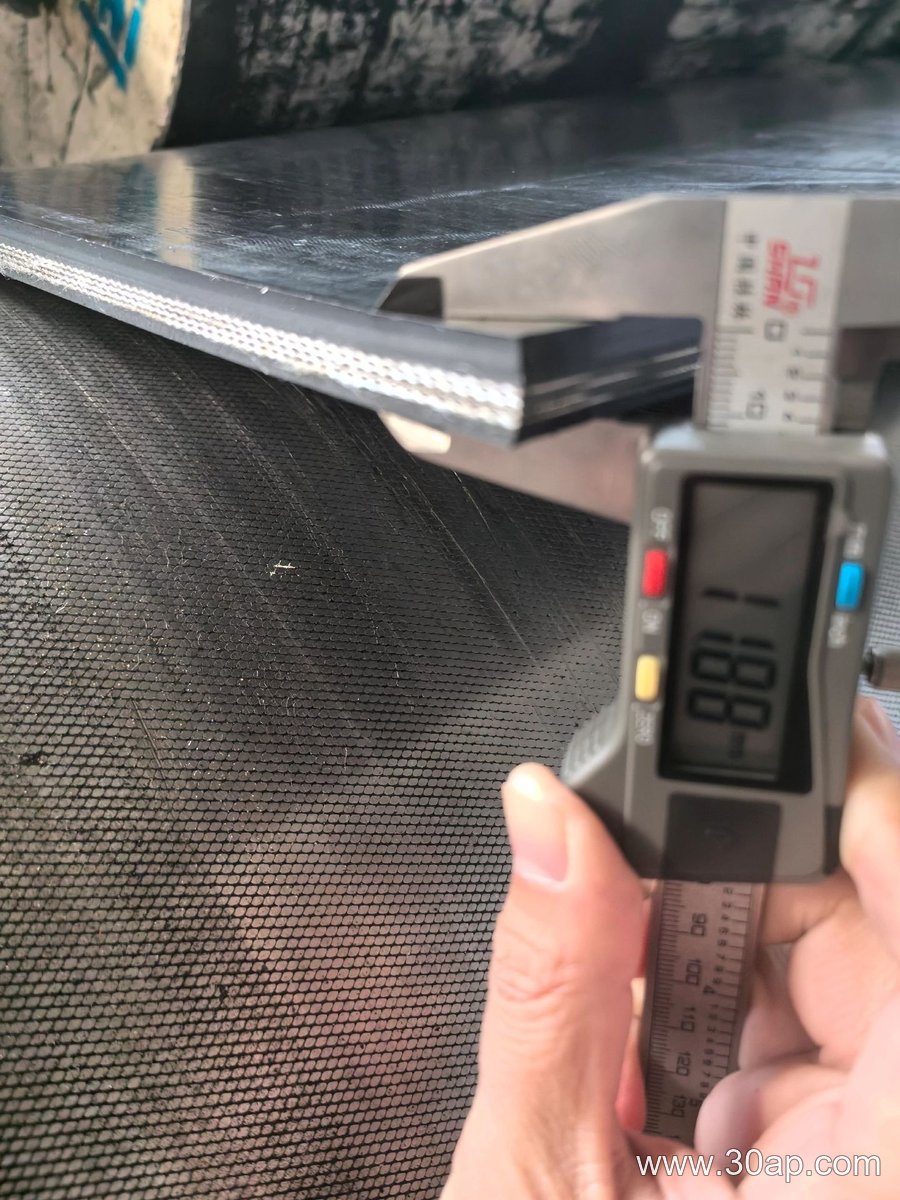
Most rock belts use a rubber cover bonded to a fabric or steel cord carcass. Common carcass options include EP (polyester-cotton) fabric, NN nylon fabric, and steel cord. EP and NN belts are usually built with two to six plies depending on the duty, while steel cord designs are chosen when very high tension and long center distances are involved. Cover rubber is specified in top and bottom thickness, for example 4+2 mm, 6+2 mm, or 8+3 mm, with thicker covers giving more wear life under sharp rock. Rubber compounds can be formulated for abrasion resistance, heat, oil, flame resistance, antistatic behavior, cold weather, or acid and alkali exposure. Surface patterns such as chevron or cleated profiles help on inclines where material would otherwise slide back, and corrugated sidewall belts contain the load on steep or vertical sections.
Where It Fits in the Circuit
Rock belts appear in primary crushing stations, screening plants, stockpile feed lines, overland conveying, and load-out systems. A typical arrangement starts under a crusher or feeder, where the belt receives a fast, lumpy stream. Impact idlers, skirt rubber, and a properly designed chute reduce damage at that point. Further along, the belt may climb an incline, discharge onto a screen, or transfer to another conveyor. Because rock is heavy, the belt width and carcass strength are matched to the tonnage, lump size, and incline rather than chosen by habit. The conveyor pulley diameters, shaft sizes, and take-up travel are calculated from the belt tension and the drive arrangement, not from belt width alone. A B800 belt and a B1200 belt can each run on more than one pulley diameter depending on the tension and the manufacturer’s design.
Specifying the Right Belt
Buyers should start with the material: rock type, maximum lump size, bulk density, moisture, and temperature. Then confirm the duty cycle, the incline, the throughput, and whether the belt will be exposed to oil, chemicals, or flame risk. From there, the carcass type and ply count, cover grade, and cover thickness follow. A belt rated EP400 may be sufficient for a short plant conveyor, while a long overland route with a steep lift can call for EP630, EP800, or a steel cord construction. Widths from B500 through B2000 are common in aggregate and mining service, but the final selection should come from the conveyor designer. It is also worth checking that the belt can be spliced on site, that the pulley and idler set matches the carcass, and that spare belt is available in the same specification.
Installation and Maintenance Notes
Correct tracking begins with square pulleys, aligned idlers, and a level structure. A belt that runs off-center usually points to a misaligned conveyor pulley, a seized idler roller, or uneven loading rather than a belt defect. Inspect the loading zone for worn skirt rubber and damaged impact idlers, since these cause edge cuts and cover gouges. Keep the belt cleaner adjusted so rock does not carry back and build up on the return run. Store spare belt in a dry, shaded place and avoid sharp bends that can crack the cover. During operation, watch for cover wear, ply separation, edge fraying, and splice fatigue. Replacing a worn belt before the carcass is exposed is normally cheaper than repairing a failed splice underground or high on a structure.
Buyer Checklist
- Confirm material lump size, density, and abrasiveness.
- Match carcass type and ply count to the calculated tension.
- Select cover grade and thickness for wear, heat, oil, or flame conditions.
- Check belt width against loading, not against pulley diameter alone.
- Verify splice method, delivery length, and spare availability.
- Review the whole conveyor, including idlers, pulleys, and brackets, as one system.