What Conveyor Bracket Fabrication Involves
Conveyor bracket fabrication is the process of cutting, forming, welding, and finishing the steel structures that hold idler rollers in place along a conveyor system. These brackets, often called idler frames or stands, determine the trough angle, roller spacing, and alignment that keep a conveyor belt tracking correctly under load. Whether the application is a quarry conveyor belt moving crushed stone or a coal mining conveyor belt feeding a power plant, the fabricated bracket must match the belt width, roller diameter, and load profile of that specific line.
Fabrication starts with material selection. Common choices include angle steel, channel steel, and bent steel plate. The design must resist bending under the weight of the belt and material, especially at impact points where a crusher conveyor belt receives lumpy feed. A well-built bracket keeps the idler roller square to the belt line, which reduces edge wear and premature belt failure.
Structural Forms and Trough Angles
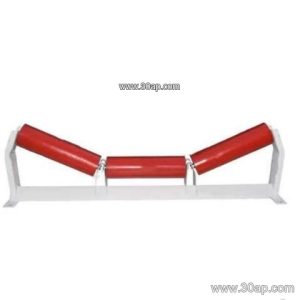
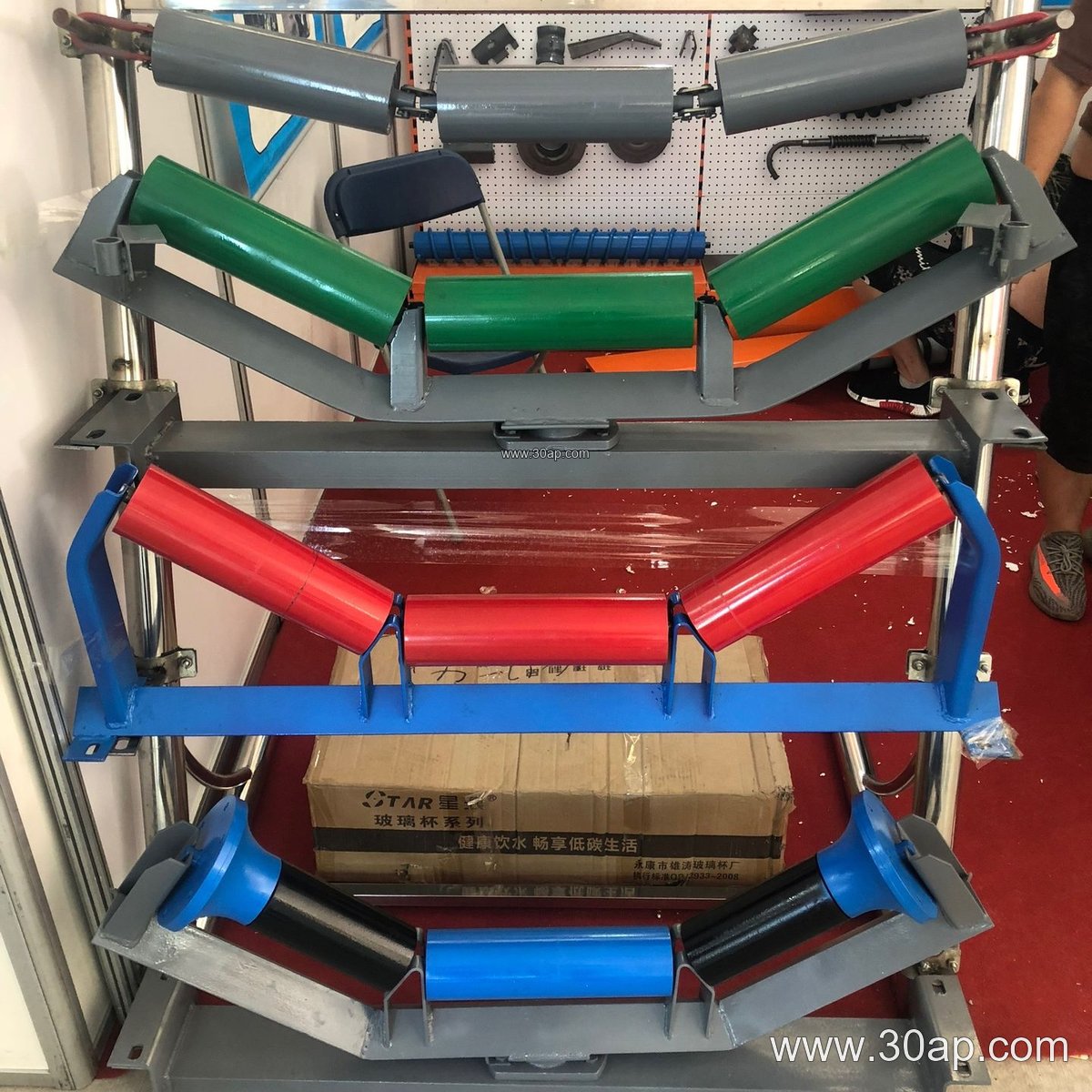
The most familiar form is the troughing bracket, which supports three rollers in a trough shape. The trough angle is a key fabrication variable. Common angles include 20 degrees, 30 degrees, 35 degrees, and 45 degrees. Adjustable brackets allow the same frame to be set at different angles during installation, which helps when a plant handles multiple material types. For example, a B800 belt with 35-degree troughing and Ø108 rollers is a typical combination in aggregate conveying, while a B1200 line might use 45-degree troughing with Ø133 rollers for higher capacity.
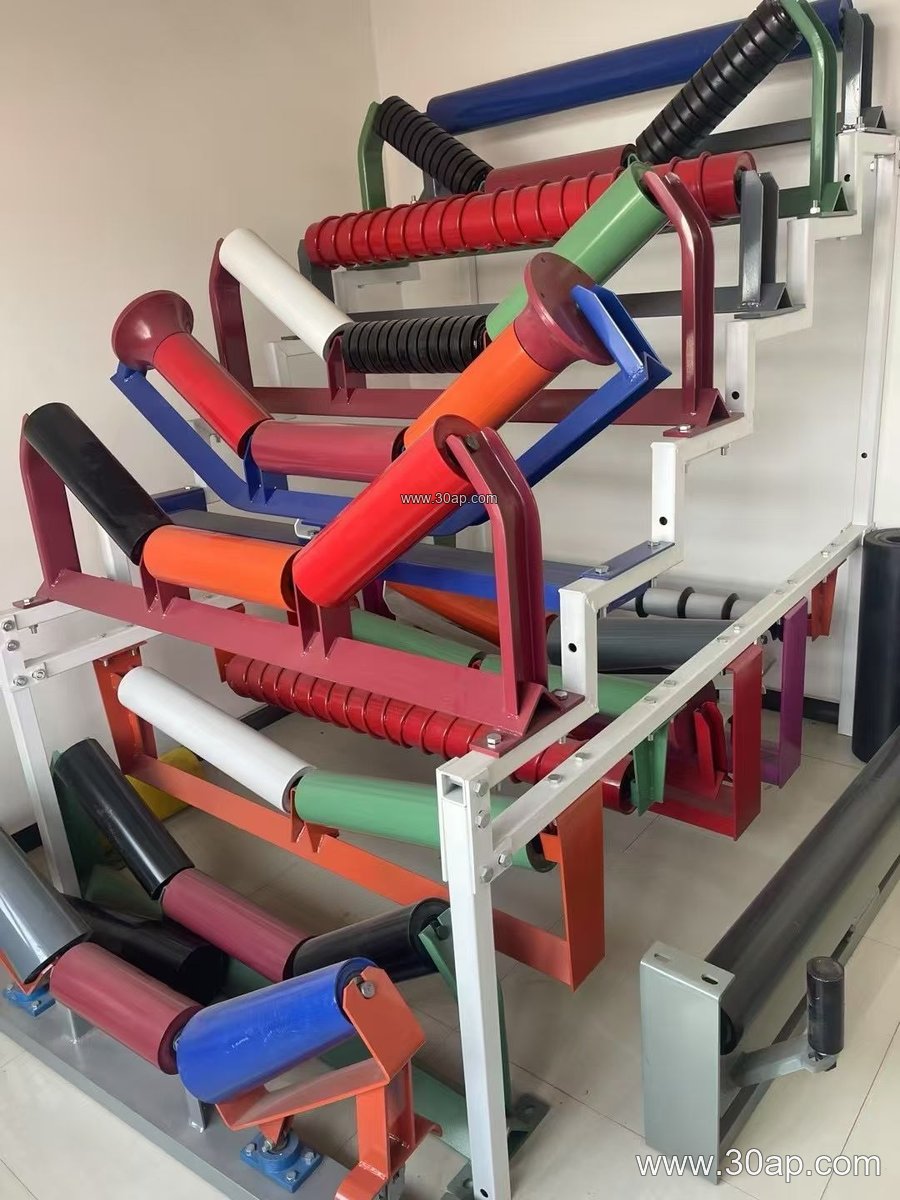
Other fabricated forms include return brackets, which support the belt on the return side, and V-return brackets that help center the belt. Transition brackets guide the belt from flat to troughed profile near pulleys. Impact brackets, often fitted with cushioning rollers, are placed under loading points. Self-aligning brackets use forward-leaning rollers at about 1.5 to 2 degrees to correct belt drift. Each form requires its own jig and welding sequence during fabrication.
Fabrication Steps and Quality Points
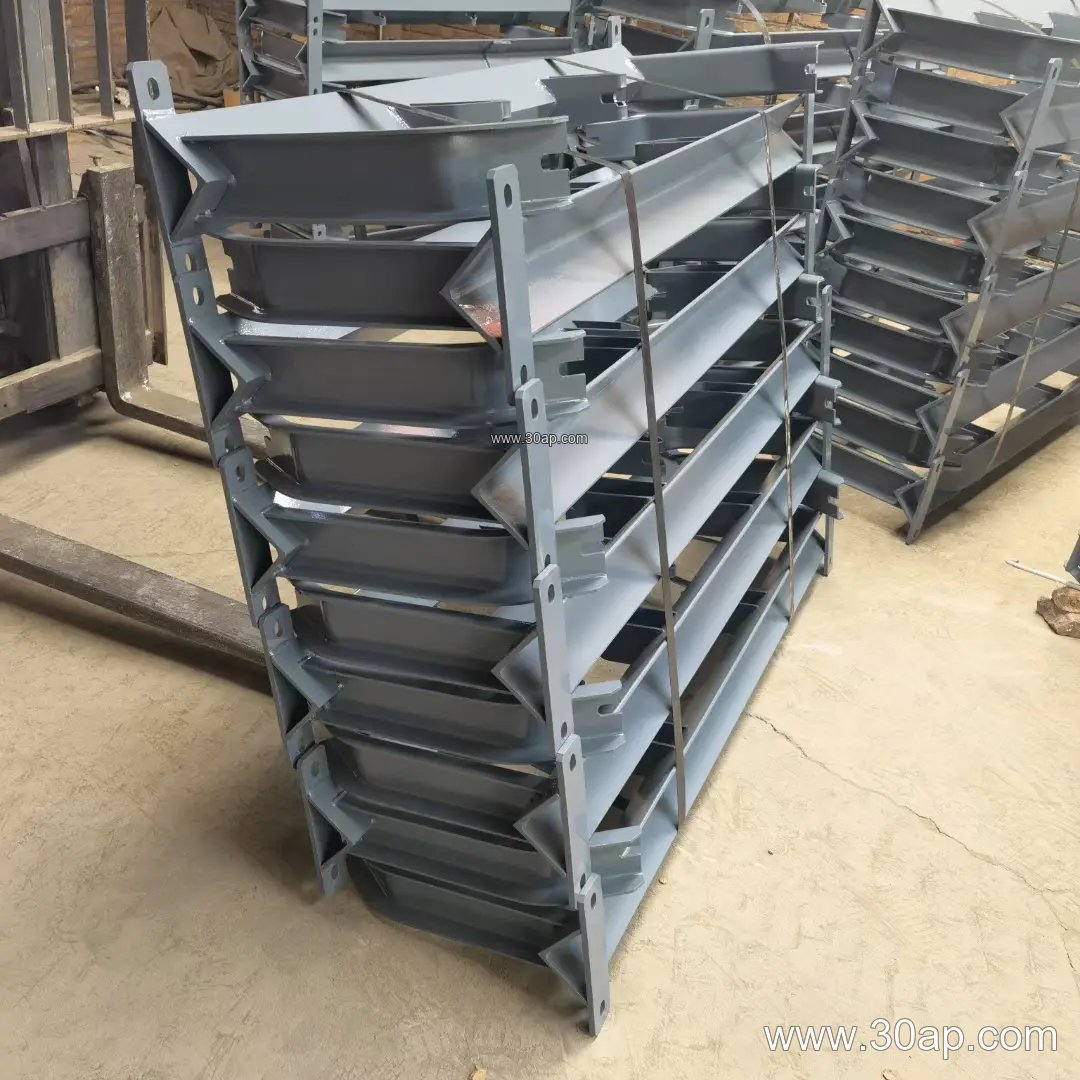
A typical workflow includes:
- Cutting steel to length according to the belt width and bracket type.
- Punching or drilling mounting holes for the idler roller shafts.
- Forming the trough shape, often with press brake or jig welding.
- Welding the frame, with attention to squareness and hole alignment.
- Surface treatment such as shot blasting and painting or galvanizing.
Hole spacing and crossbeam length vary with belt width and trough angle, so they are determined by design rather than fixed numbers. A bracket that is out of square will cause the roller to sit crooked, leading to belt misalignment and edge damage. For heavy-duty mining conveyor belt systems, gussets and thicker channel sections are often added to resist vibration and impact.
Where Fabricated Brackets Are Used
These structures appear wherever a conveyor belt runs. In a limestone quarry, troughing brackets support the belt through the crushing and screening circuit. In a coal-fired power plant, flame retardant conveyor belt lines rely on sturdy brackets to keep coal moving reliably. Cement plants use them on clinker and raw meal conveyors, while port ship-loading systems depend on them for high-tonnage bulk material handling. The same fabrication principles apply whether the belt carries ore, aggregate, or grain.
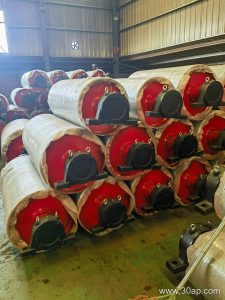
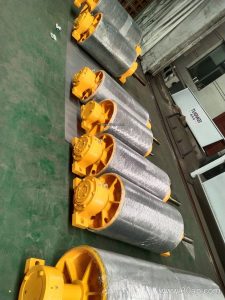
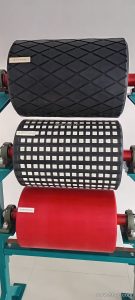
Bracket design also interacts with the conveyor pulley arrangement. A transition bracket near a drive pulley or tail pulley must guide the belt smoothly without stressing the splice. While drive, tail, and bend pulleys are not interchangeable, the brackets that support the belt near each pulley are tailored to the belt path at that point.
What Buyers Should Check
When specifying conveyor bracket fabrication, buyers should confirm the belt width, roller diameter, trough angle, and mounting hole pattern. A fabricator needs these details to produce frames that fit the intended idler roller and conveyor structure. It also helps to state the operating environment, since dusty, corrosive, or high-impact conditions may call for different steel thickness or coatings. Requesting dimensional drawings before production helps avoid site fit-up problems. For abrasive service such as iron ore or copper ore conveying, brackets should be robust enough to hold rollers firmly under constant load.
Finally, consider future maintenance. Brackets that allow easy roller replacement save downtime. Adjustable designs offer flexibility if the conveyor duty changes. Good fabrication is not only about strength but about keeping the entire belt line aligned and serviceable over years of operation.