What a Return Idler Bracket Does on a Conveyor
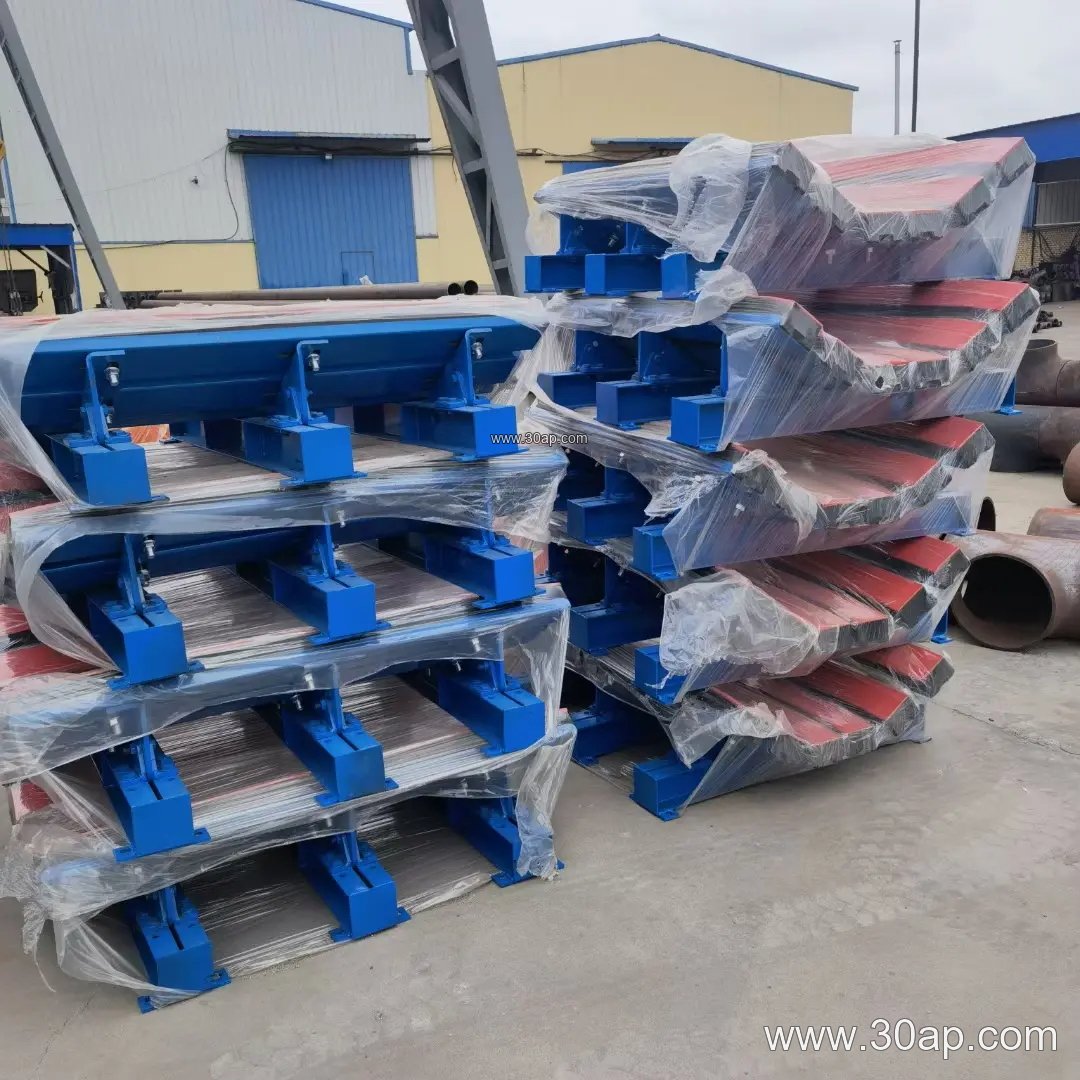
The return idler bracket is the support component that holds the lower, carrying-side return idlers in place beneath the conveyor belt. It is part of the conveyor bracket family, and its job is to keep the return run of the belt stable, aligned, and properly supported so that the belt tracks smoothly back to the tail pulley. In a typical conveyor structure, the return idler bracket is mounted to the conveyor frame stringers and carries one or more idler rollers that support the empty belt on its return path. The bracket must resist vibration, material buildup, and misalignment while allowing the idler roller to rotate freely.
Unlike the troughing brackets on the carrying side, the return idler bracket usually takes a flatter form. The most common version is the flat return bracket, which holds a single horizontal idler roller. A V-return bracket, by contrast, uses two rollers set at an angle to help center the belt. Both are subtypes of the return idler bracket and serve different belt-training needs.
Construction and Mounting Details
Return idler brackets are typically fabricated from angle steel, channel steel, or folded steel plate. The material choice depends on the load and the environment. In a quarry or a cement plant, where dust and grit are present, a sturdy folded plate design with welded gussets is often preferred. In a coal mining conveyor or a power plant coal handling line, the bracket may need additional corrosion protection and a design that sheds material rather than trapping it.
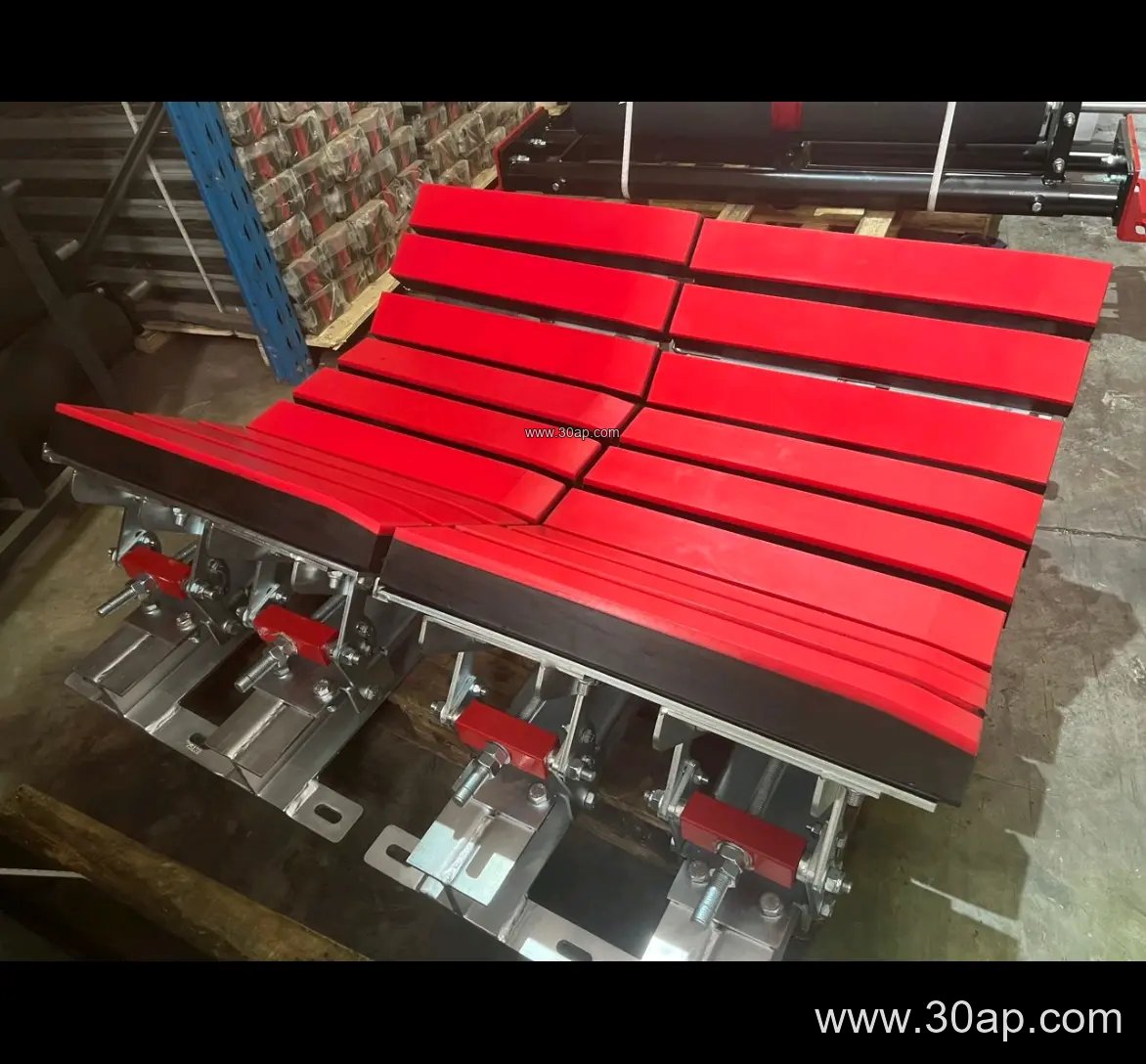
Mounting is usually done through slotted or drilled holes in the bracket base, which bolt to the conveyor frame. The slot arrangement allows minor adjustment during installation. The bracket height and the hole spacing are not universal; they are determined by the belt width, the idler diameter, and the frame design. A bracket for a B800 conveyor with Ø108 idlers will not have the same dimensions as one for a B1400 conveyor with Ø133 idlers. Buyers should always confirm the mounting dimensions against the actual conveyor frame drawing.
Common Configurations and Size References
Return idler brackets are available in several forms to suit different belt widths and idler sizes. The table below shows typical reference combinations, but these are examples only and not fixed rules. A given belt width can often accept more than one idler diameter, and the final choice depends on the load and the conveyor design.
| Belt Width | Typical Return Idler Diameter | Bracket Type Example |
|---|---|---|
| B500 | Ø89 | Flat return bracket |
| B650 | Ø89 / Ø108 | Flat or V-return bracket |
| B800 | Ø108 | Flat return bracket |
| B1000 | Ø108 / Ø133 | Flat or V-return bracket |
| B1200 | Ø133 | V-return bracket |
| B1400 | Ø133 / Ø159 | V-return bracket |
| B1600 | Ø159 | Heavy-duty flat bracket |
| B1800 | Ø159 / Ø194 | Heavy-duty V-return bracket |
| B2000 | Ø194 | Heavy-duty flat bracket |
For wider belts such as B1800 or B2000, the bracket crossbeam is longer and the structure is reinforced. The bracket may also include a self-aligning feature, where the return idler bracket is combined with a training idler to correct belt drift. This is common in long overland conveyors and in ship loading systems where belt alignment is critical.
Where Return Idler Brackets Are Used
These brackets appear in almost every belt conveyor system. In a limestone mine or a stone crushing line, they support the return belt after the discharge point, helping to keep the belt from sagging. In a coal washing plant, the return bracket must tolerate wet, sticky fines and still allow the idler to turn. In a cement plant, the return idler bracket is often part of a dust-tight frame design. In a port bulk terminal handling iron ore or copper ore, heavy-duty return brackets with thick base plates are used to resist impact and vibration.
The bracket also works together with the conveyor belt and the idler roller to maintain proper belt tension. If the return idler bracket is misaligned or worn, the belt may run off-center, causing edge damage and premature wear on the conveyor pulley. Regular inspection of the return bracket is therefore part of good conveyor maintenance.
Buyer Checklist for Return Idler Brackets
- Frame compatibility: Confirm the mounting hole pattern and the bracket height against the conveyor frame drawing. Do not assume that a bracket for one belt width will fit another.
- Idler diameter: Match the bracket cradle to the return idler roller diameter. Common sizes include Ø89, Ø108, Ø133, Ø159, and Ø194.
- Bracket type: Choose flat return brackets for simple support and V-return brackets where belt training is needed. For transition zones, a different bracket type may be required.
- Material and finish: For abrasive or corrosive environments, specify a heavier steel section and a suitable surface treatment. In underground coal mining, flame retardant and anti-static properties may be relevant for the belt, but the bracket itself should be robust and easy to clean.
- Adjustability: Some return idler brackets allow vertical or lateral adjustment. This can be useful during installation and belt tracking tuning.
When specifying a return idler bracket, it is helpful to provide the belt width, the idler diameter, the conveyor frame drawing, and the operating environment. This allows the supplier to recommend a bracket that fits without modification. For related conveyor components, such as the conveyor pulley or the idler roller, always refer to the specific product data rather than assuming interchangeability.