What a Vertical Idler Bracket Does
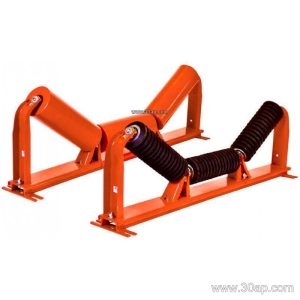
A vertical idler bracket is a support component that holds idler rollers in a near-vertical or steeply inclined position along a conveyor. Instead of the familiar horizontal crossbeam, this bracket presents the roller face at a sharp angle, so the belt is guided and supported as it moves through a steep transition, a sharp curve, or a section where the belt path turns upward or downward. In a quarry conveyor line or a cement plant transfer point, this small piece of hardware often decides whether the belt tracks cleanly or rubs against structure.
People sometimes call it a vertical roller bracket or a steep-angle idler support. Those names point to the same product. A vertical idler bracket is not a drive pulley, tail pulley, or bend pulley, and it should not be confused with a troughing bracket used on the normal carrying run. It is a distinct support element with its own mounting pattern and angle.
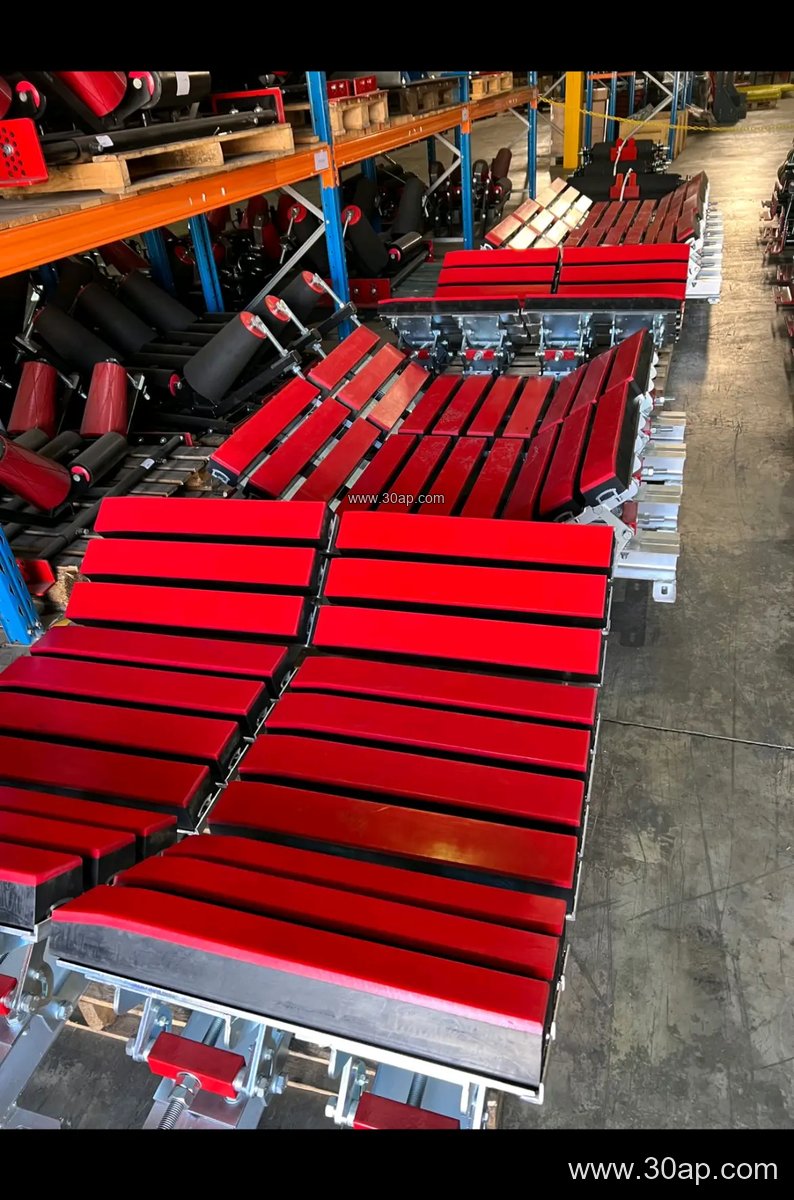
How the Bracket Is Built
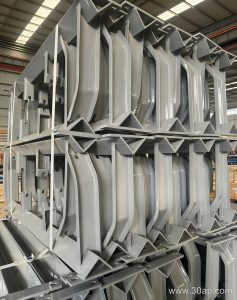
Most vertical idler brackets are fabricated from angle steel, channel steel, or bent steel plate. The frame is welded into a rigid shape, then drilled or punched for mounting bolts and for the idler shaft. A typical unit includes a base plate that fastens to the conveyor stringer, an upright or inclined arm, and a cradle or clamp that holds the idler roller shaft.
Because the bracket carries side loads as well as the weight of the belt and material, the weld quality and plate thickness matter more than the outward appearance. Buyers should ask for the material grade, the finish (painted, galvanized, or bare), and the mounting hole spacing. Hole spacing and crossbeam length change with belt width and bracket angle, so they are best confirmed against the conveyor drawing rather than assumed from a catalogue number.
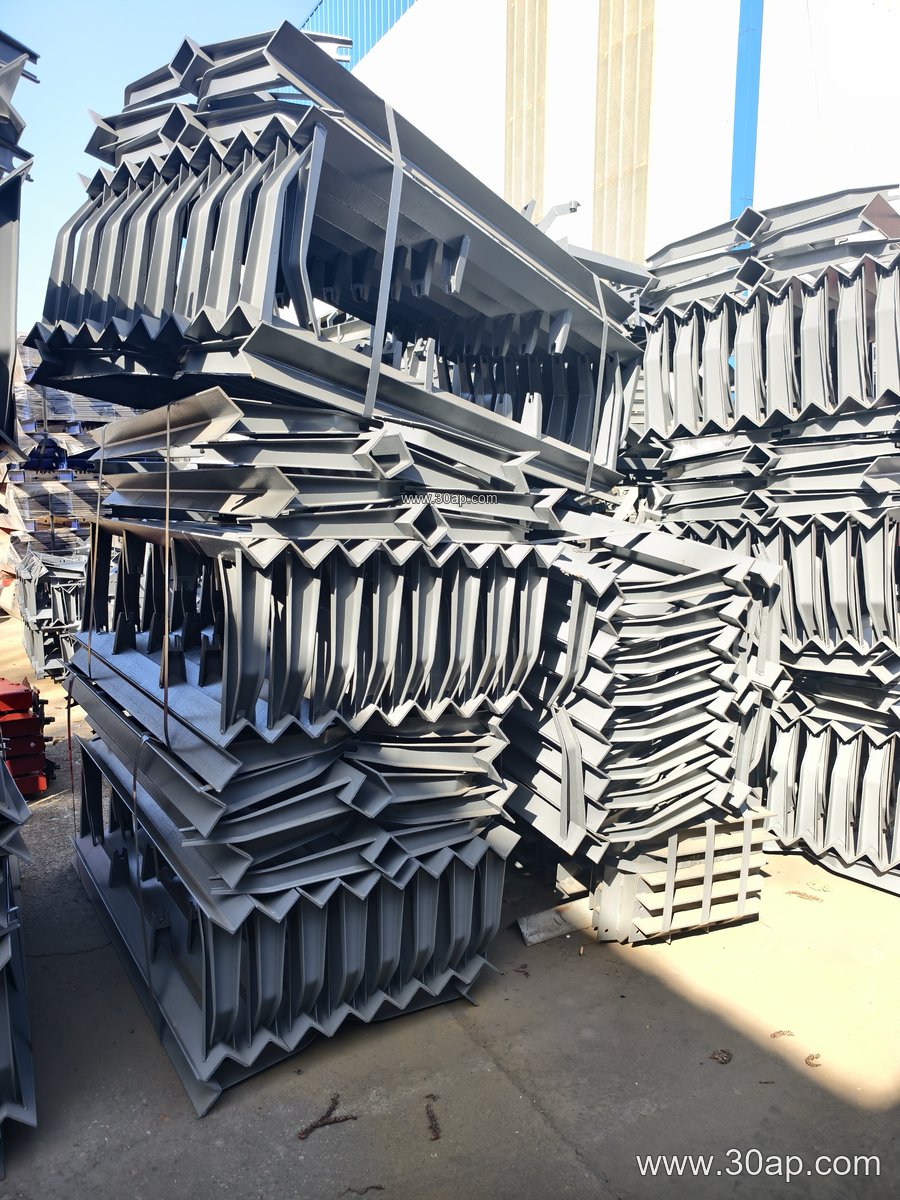
Where It Fits in a Conveyor
Vertical idler brackets appear in a few recurring situations:
- Steep incline sections where the belt must be held against a raised edge or guide.
- Transition zones between a horizontal run and an inclined run.
- Curved or snaking routes where belt tracking needs extra side control.
- Compact transfer towers and chutes where space for a full troughing set is limited.
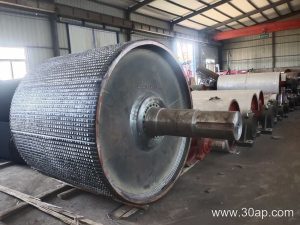
In a coal handling plant or a power plant coal yard, these brackets are often paired with a flame retardant conveyor belt and standard idler rollers to keep the belt aligned through a steep lift. In a sand and gravel operation, a heavy-duty mining conveyor belt may run over vertical brackets at the head end of a stacker. The bracket does not replace the pulley; it works alongside the conveyor pulley and the carrying idlers.
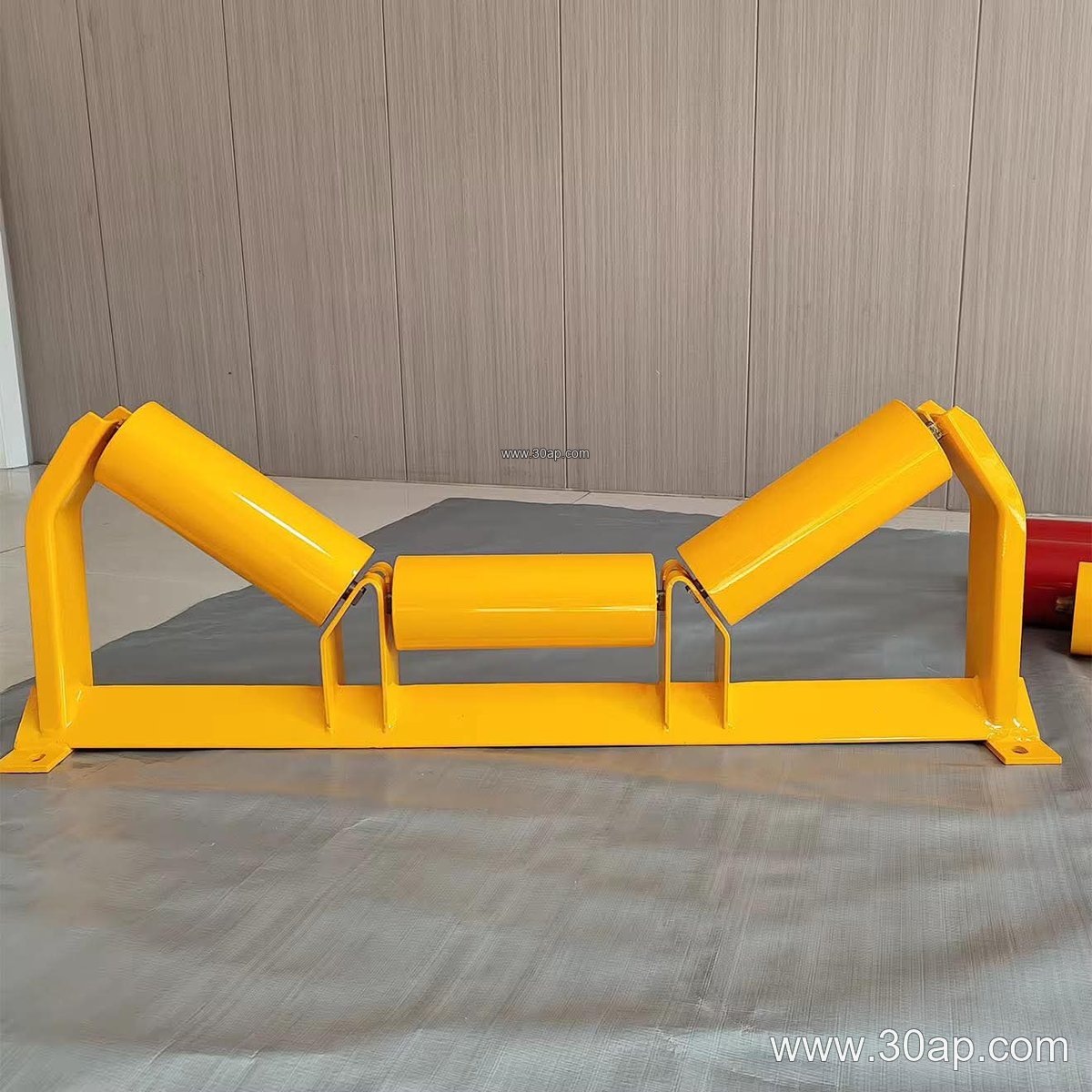
Matching Bracket, Belt, and Roller
Selection starts with the belt width and the roller diameter, then moves to the angle and the mounting arrangement. The table below shows common reference combinations; these are examples, not fixed rules.
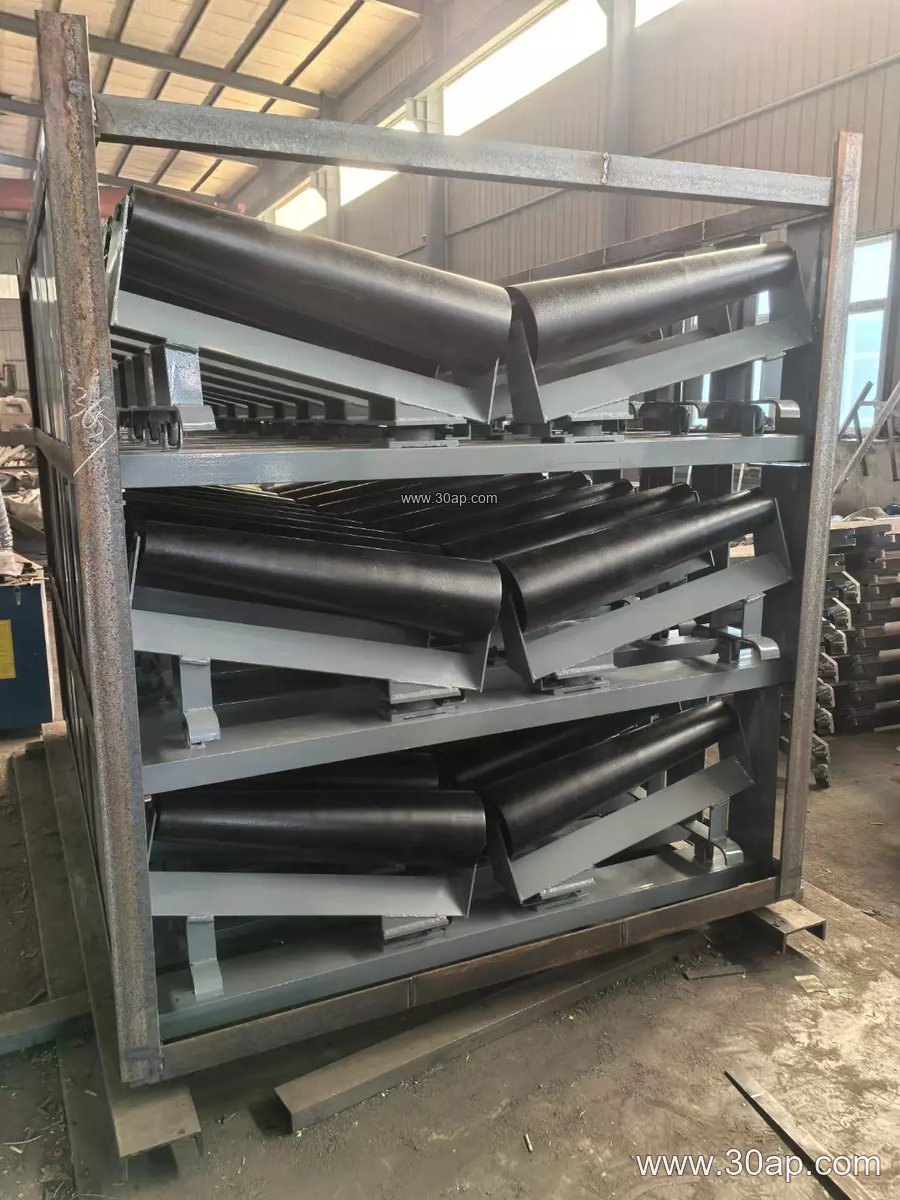
| Belt width | Typical roller diameter | Common bracket angle | Typical use |
|---|---|---|---|
| B650 | Ø89 | 30 degrees | Small aggregate line |
| B800 | Ø108 | 35 degrees | Sand and gravel conveyor |
| B1000 | Ø133 | 35 to 45 degrees | Cement plant transfer |
| B1200 | Ø133 or Ø159 | 45 degrees | Coal handling incline |
| B1400 | Ø159 | 45 degrees | Iron ore plant |
| B1600 | Ø194 | 45 degrees | Port bulk terminal |
A B800 belt does not have to use a 35 degree bracket, and a B1200 belt is not limited to one roller size. The right combination depends on the trough angle of the adjacent idlers, the belt stiffness, the load, and the space available. Adjustable brackets allow the angle to be set on site within a range, which helps when a conveyor is being modified.
Belt construction also matters. A stiff steel cord conveyor belt behaves differently from a flexible multi-ply fabric core belt, and an EP conveyor belt sits somewhere between them. On a steep section, a chevron conveyor belt or a corrugated sidewall conveyor belt may be used to prevent material rollback, and the vertical bracket must be positioned so it does not press on the cleats or sidewalls.
Buyer Checklist
- Confirm the belt width and the idler roller diameter before ordering.
- State the required angle and whether adjustment is needed.
- Provide the mounting hole spacing from the conveyor drawing.
- Specify the material and surface finish, especially for wet or corrosive sites.
- Check clearance for belt edges, cleats, and sidewalls.
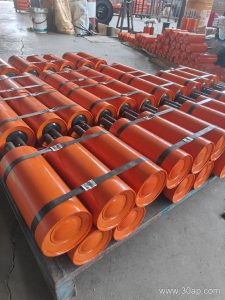
- Ask how the bracket is packed and whether fasteners are included.
For a food grade conveyor belt line or a cold resistant conveyor belt installation, stainless or coated brackets may be preferred. In a crusher conveyor belt circuit, impact resistant brackets and reinforced welds are worth discussing. Whatever the duty, the vertical idler bracket should be treated as part of the whole support system, not as an isolated part.
Installation and Maintenance Notes
Install the bracket square to the belt path and tighten the mounting bolts to the recommended torque. Check alignment with a string line before the belt is tensioned. During operation, watch for belt edge wear, roller seizure, and loose welds. A bracket that has shifted will often show up as a belt that drifts to one side. Regular inspection of idler brackets along with the idler rollers and conveyor pulley is a simple way to avoid unplanned stops in a busy plant.