What a Heavy-Load Bearing Idler Does
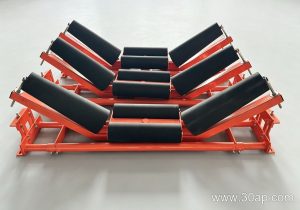
A heavy-load bearing idler is a robust roller assembly designed to support the conveyor belt and the material load in applications where impact, abrasion, and continuous duty are severe. Also called a heavy-duty carrying idler, this component uses larger bearings and thicker wall tubing than standard rollers, so it can handle high belt tensions and uneven loading without premature seizure. In a quarry, cement plant, or coal handling system, these idlers keep the belt moving smoothly through loading zones, transfer points, and long overland runs.
Construction and Key Components
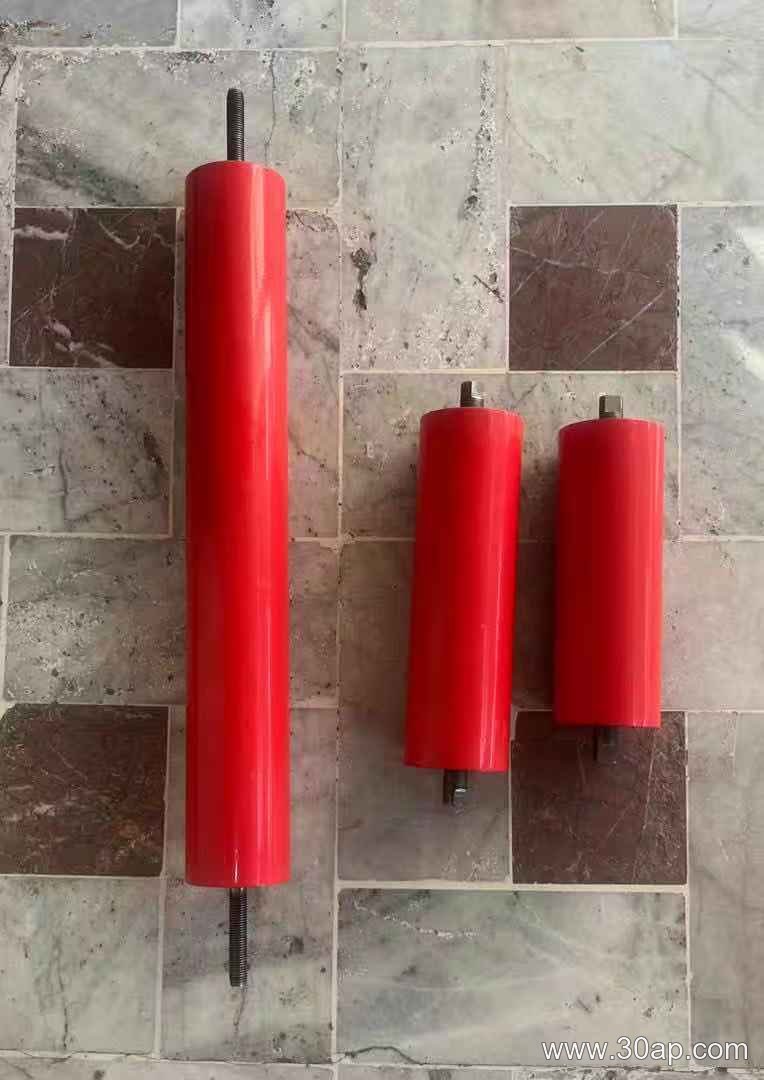
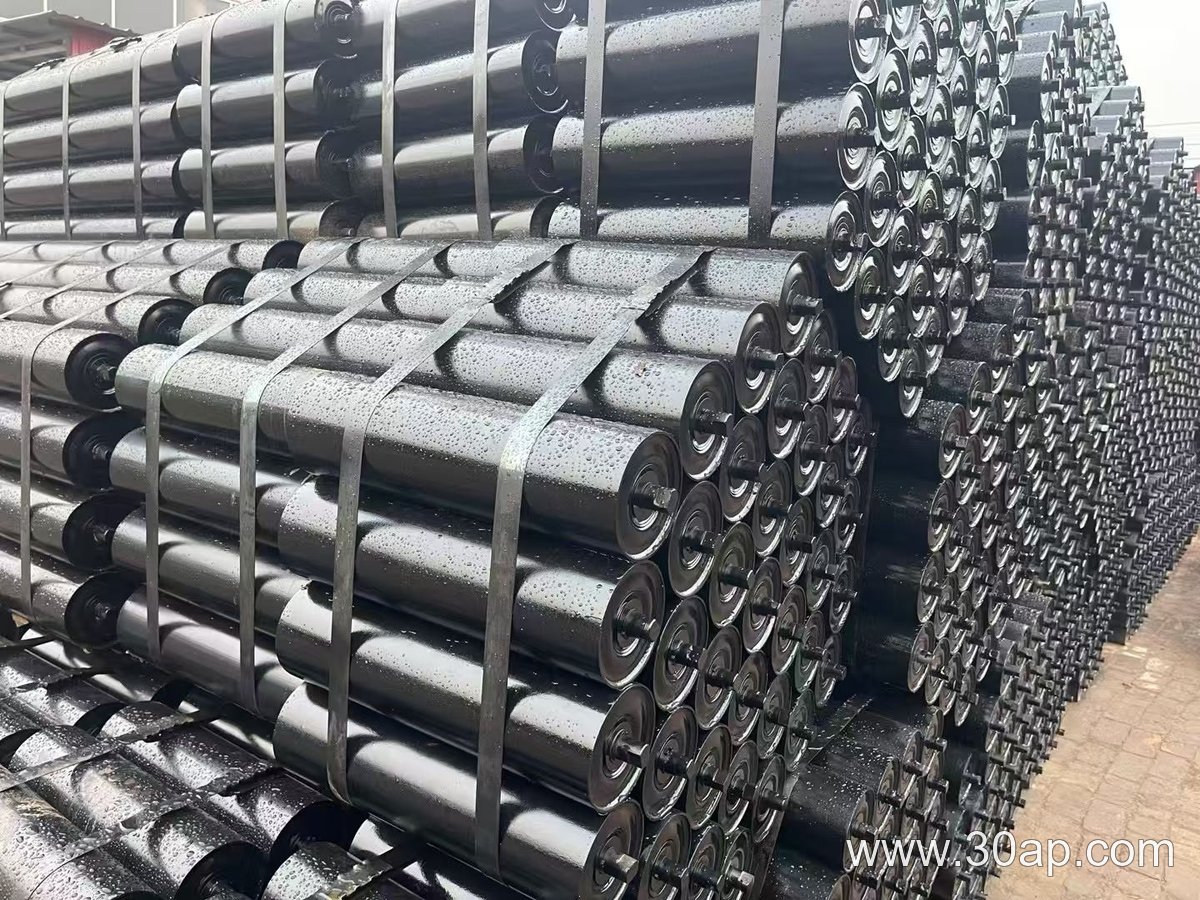
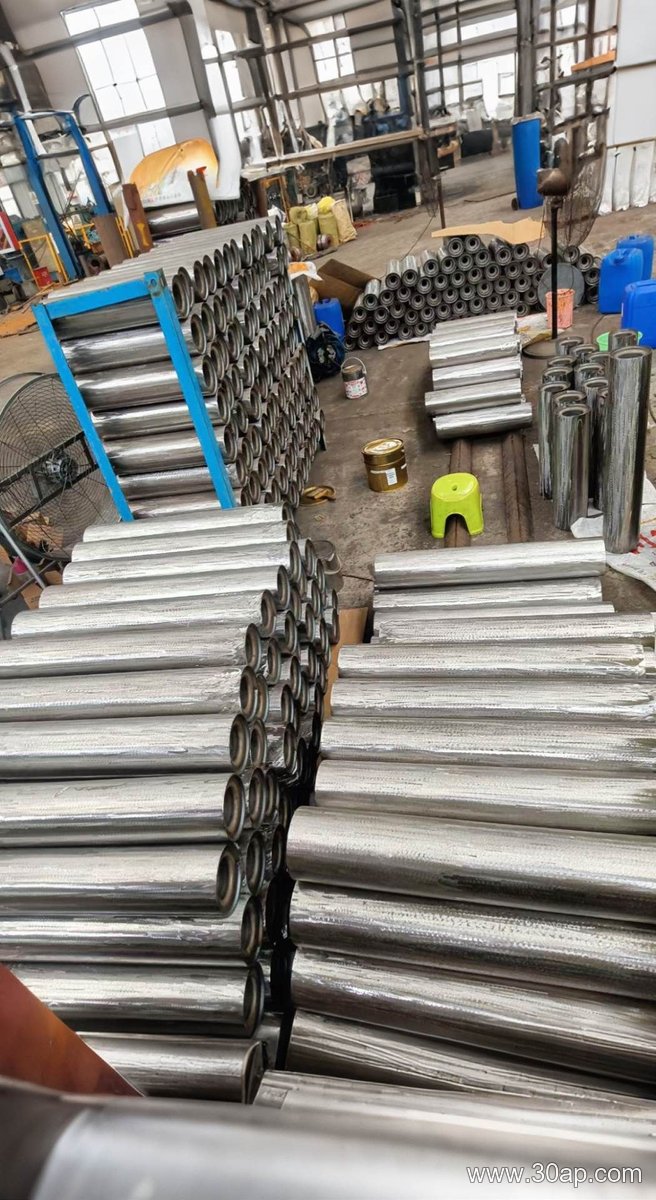
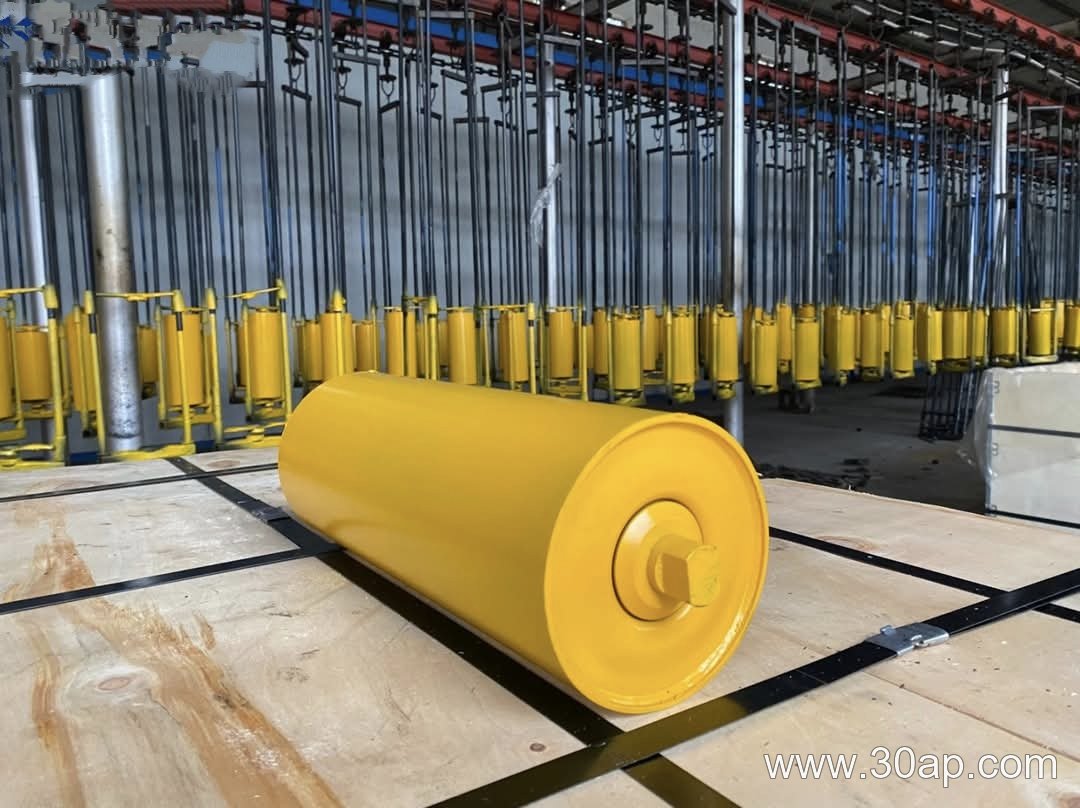
The typical heavy-load bearing idler consists of a steel tube shell, a shaft, bearing housings, and a multi-stage seal. The bearing size is selected according to the radial load and speed of the conveyor. Common bearing numbers for this class include 6205, 6305, 6306, 6308, and 6310, but the same bearing can be paired with different roller diameters. The shell may be plain steel, nylon-coated, or rubber-covered for impact absorption. Roller diameter options range from Ø89 and Ø108 up to Ø159, Ø178, and Ø219. Belt widths from B650 to B2000 are routinely served, and the roller length changes with the belt width, trough angle, and idler arrangement. For example, a three-roll troughing set on a B1000 belt often uses a centre roll around 380 mm long, while a B1400 belt may use about 530 mm. These are common references, not fixed rules, because side rolls and centre rolls can differ.
Where It Is Used
Heavy-load bearing idlers appear in granite and limestone quarries, iron ore and copper mines, coal preparation plants, power station coal yards, and sinter plants. They are also found in aggregate crushing and screening circuits, tunnel muck removal, and fertilizer bulk handling. In these environments, the conveyor belt carries sharp rock, wet ore, or hot clinker, so the idler must resist dust ingress and vibration. A heavy-load bearing idler is often installed at the load point, where a rubber-disc impact idler or spiral idler might also be considered. However, the impact idler is a separate subtype for cushioning falling material; it does not replace the heavy-load carrying idler along the full length of the conveyor.
Selection Factors for Buyers
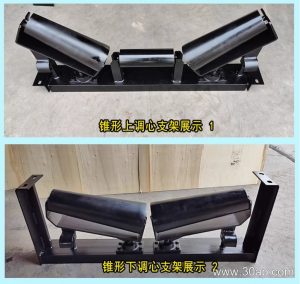
When specifying a heavy-load bearing idler, buyers should review the belt width, trough angle, belt speed, and material lump size. A 35-degree trough is common for bulk materials, while a 45-degree trough may suit fine, free-flowing cargo. The roller diameter should be matched to the load and the belt tension, not to a single belt width alone. For instance, a B800 belt may use a Ø108 roller in one plant and a Ø133 roller in another, depending on the duty. Shaft diameter is determined by the idler frame and bearing housing, not by belt width in isolation. The buyer should also confirm the bracket type, the spacing between idlers, and the sealing arrangement. A well-sealed bearing housing with grease retention is vital in cement and coal dust. The table below shows typical reference data for heavy-load bearing idlers, but final dimensions must come from the conveyor design.
| Parameter | Common Reference Range |
|---|---|
| Roller diameter | Ø89, Ø102, Ø108, Ø127, Ø133, Ø159, Ø178, Ø194, Ø219 |
| Belt width | B400 to B2400 |
| Trough angle | 20°, 30°, 35°, 45° |
| Bearing number | 6204, 6205, 6305, 6306, 6308, 6310 |
| Roller surface | Steel tube, nylon, ceramic, rubber rings |
| Idler set form | Single roll, two-roll, three-roll troughing |
Maintenance and Longevity
Even a heavy-load bearing idler needs periodic inspection. Listen for squealing, check for roller wobble, and look for material buildup on the shell. In a sand and gravel line, a worn idler can misalign the conveyor belt and damage the conveyor pulley. Replace any idler that seizes or loses its seal. Proper lubrication and correct idler spacing reduce stress on the conveyor bracket and extend the life of the whole system. Because drive, tail, and bend pulleys are not interchangeable with idlers, always order the correct component for each position. A heavy-load bearing idler is a long-term investment in uptime, and choosing the right diameter, bearing, and seal for the actual load will pay off in fewer stoppages.