What an Underground Conveyor Belt Is
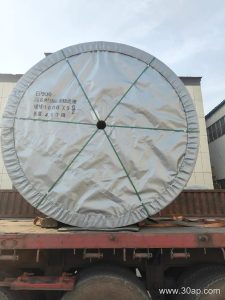
An underground conveyor belt is the load-carrying element of a belt conveyor installed in tunnels, mine roadways, and enclosed transfer galleries. Its job is to move crushed ore, coal, aggregate, or other bulk material along a fixed route where space is tight and ventilation is limited. Because the belt runs in a confined environment, the compound and carcass are usually chosen for flame resistance, anti-static behavior, and abrasion resistance rather than for general-purpose duty.
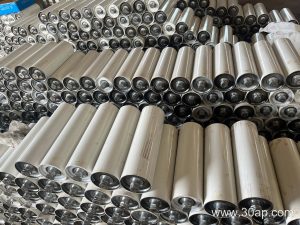
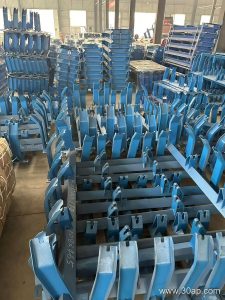
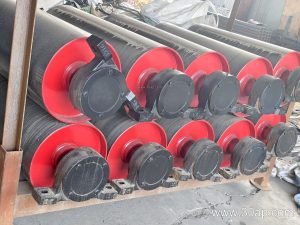
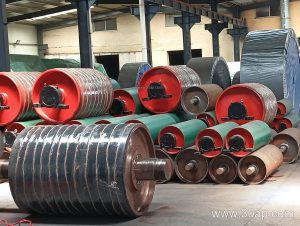
The belt is only one part of the system. A typical installation combines the belt with idler rollers that support the carrying and return strands, a drive pulley that transmits power, a tail pulley that sets the return point, and bend pulleys that route the belt through curves and tension stations. Conveyor brackets and frames hold these components in alignment. Drive, tail, and bend pulleys serve different functions and are not interchangeable.
Construction and Common Constructions
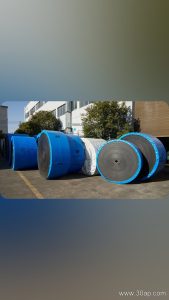
Most underground belts use a fabric core or a steel cord core. Fabric core versions include EP conveyor belt (polyester warp, nylon weft) and NN conveyor belt (nylon warp and weft). Multi-ply fabric core belts are common for moderate loads and longer runs. Steel cord conveyor belt is selected when the route is long, the tonnage is high, or the belt must handle heavy impact at the loading point.
Cover compounds are matched to the working conditions. Flame retardant and anti-static covers are typical for coal mining conveyor belt duty. Abrasion resistant grades suit hard rock and ore, while heat resistant or oil resistant covers are used where the material or the environment demands it. In wet or cold roadways, a cold resistant compound may be preferred.
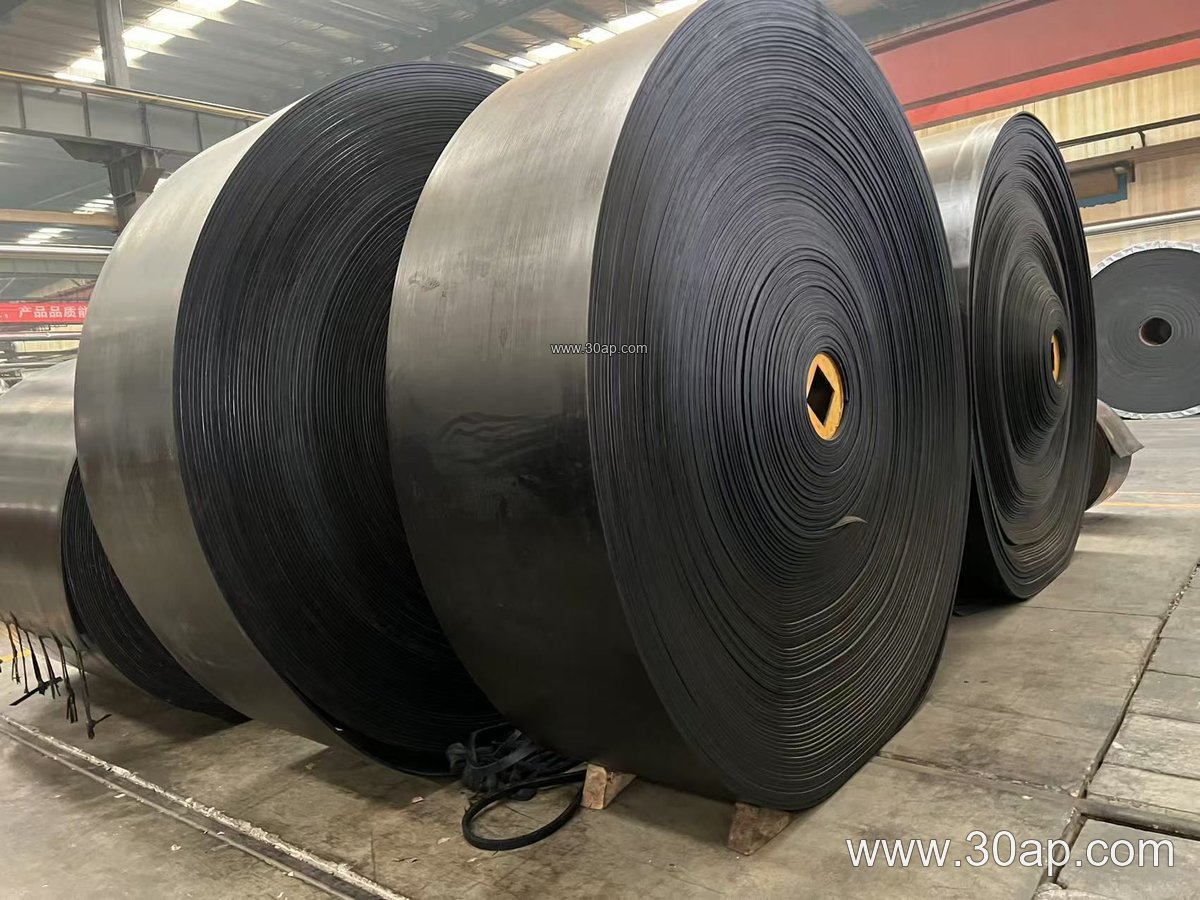
Typical reference values for underground belt selection are shown below. These are common ranges, not fixed rules, and actual values are set by the conveyor design.
- Belt width: B500, B650, B800, B1000, B1200, B1400, B1600, B1800, B2000
- Fabric core strength grades: EP200, EP315, EP400, EP500, EP630, EP800, EP1000, EP1250, EP1600, EP2000
- Steel cord grades: ST1000, ST1250, ST1600, ST2000, ST2500, ST3150
- Cover thickness examples: 3+1.5, 4+2, 5+2, 6+2, 8+3 mm
- Carcass plies: usually 2 to 6 layers for fabric core belts
Where It Is Used
Underground coal mining conveyor belt systems are the best-known application, but the same product family is used in metal mines, tunnel projects, underground limestone and cement operations, and enclosed transport galleries at power plants. In a coal roadway, the belt must resist flame propagation and static buildup. In an iron ore or copper ore mine, abrasion resistance and impact resistance usually carry more weight. Quarry and aggregate operations that run partially underground also use heavy-duty mining conveyor belt constructions.
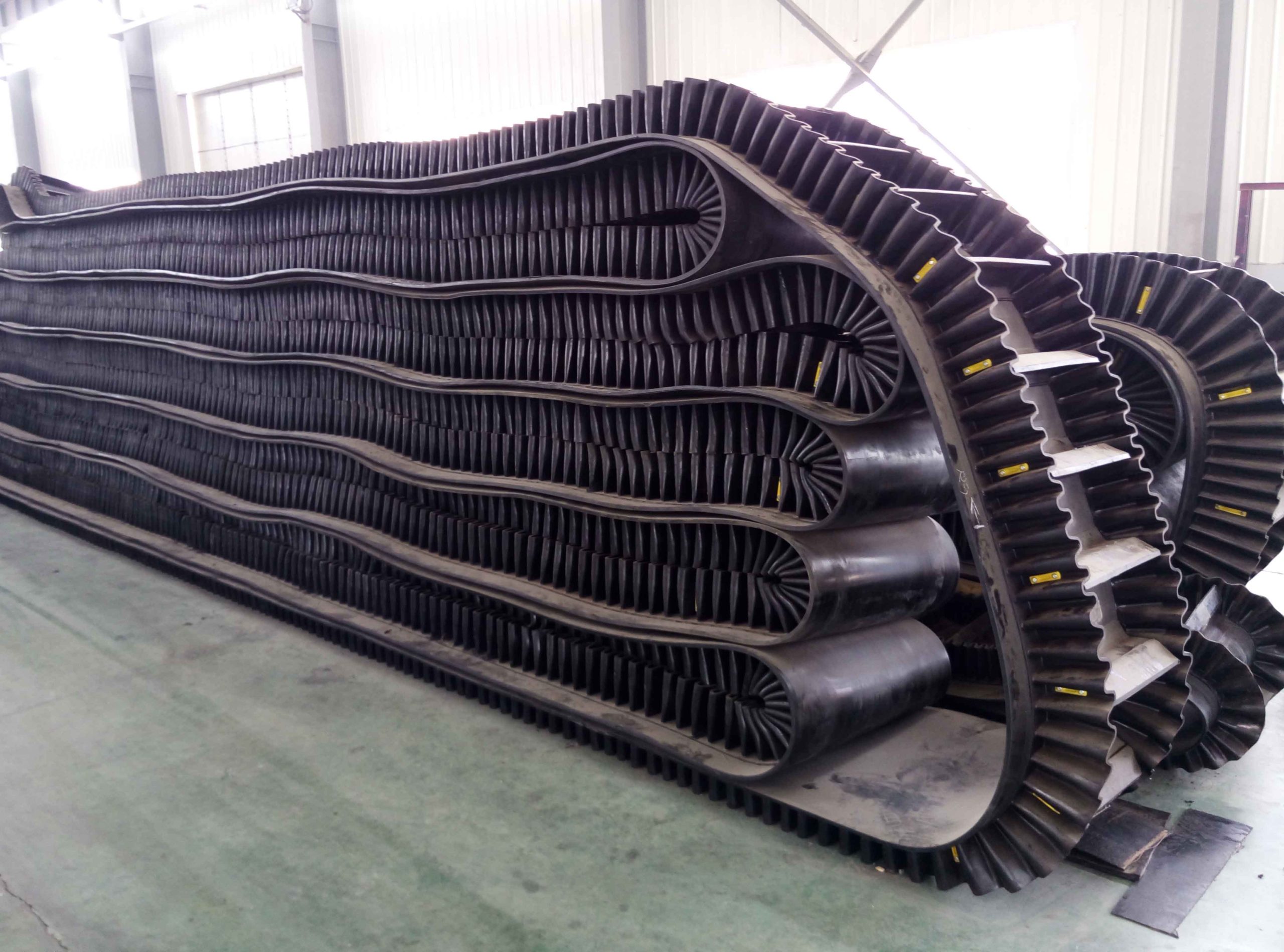
Where the route climbs steeply, a chevron conveyor belt or a corrugated sidewall conveyor belt can help retain material, but these are separate belt types chosen for specific incline or cleat requirements. They are not replacements for a standard flat underground belt on a horizontal run.
Selection Notes for Buyers
Buyers should start from the material, the tonnage per hour, the incline, and the pulley diameters in the existing system. Belt width and strength grade should be confirmed against the conveyor design rather than copied from a neighboring line. A wider belt is not automatically better, and one belt width does not dictate a single pulley diameter.
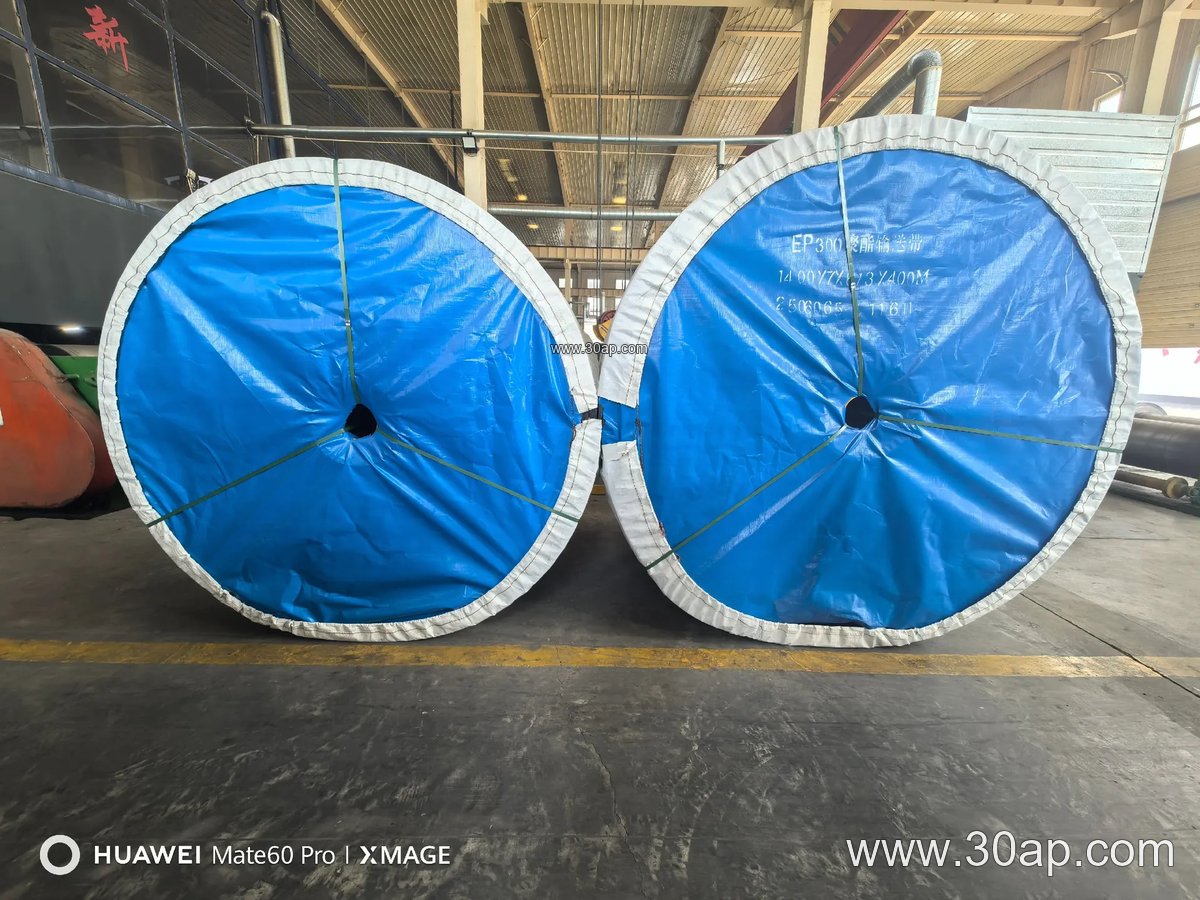
Ask for the cover grade, carcass type, number of plies, and top and bottom cover thickness. For coal work, confirm flame retardant and anti-static properties in writing. For abrasive rock, check the abrasion resistant cover specification. For hot material, review the heat resistant grade and the maximum surface temperature.
Installation and Maintenance
Correct splicing matters as much as the belt itself. A poorly made splice becomes the weakest point on the run. Check idler roller alignment, pulley condition, and conveyor bracket tightness during commissioning, and recheck after the first weeks of operation. Keep the loading point centered so the belt does not run off at the tail pulley.
Routine inspection should cover cover wear, edge damage, splice condition, and buildup on return rollers. Replace worn idlers promptly; a seized roller can cut a belt in a short time. In underground service, keep the walkway and transfer points clear so inspection remains practical.
Summary
The right underground conveyor belt balances carcass strength, cover compound, and flame and static performance against the real duty of the roadway. Matching the belt to the conveyor design, and maintaining pulleys, idlers, and brackets together, gives the most reliable result.