Understanding the Large Belt Conveyor Idler
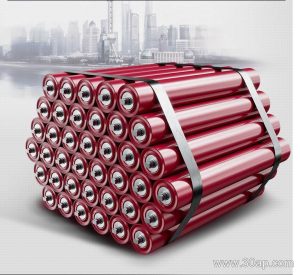
A large belt conveyor idler is a robust roller assembly designed to support and guide the conveyor belt in high-capacity bulk material handling systems. Unlike standard idlers, these units are built with larger diameters and thicker walls to withstand the weight and impact of heavy ores, coarse aggregates, and high-volume loads. In a typical conveyor structure, the idler roller rotates with the belt, minimizing friction while maintaining proper belt alignment. The term ‘large’ generally refers to roller diameters from Ø133 mm up to Ø219 mm, paired with belt widths from B1000 to B2400. These components are essential in mines, cement plants, coal-fired power stations, and quarry aggregate lines where uptime and load-bearing capacity are critical.
Construction and Design Features
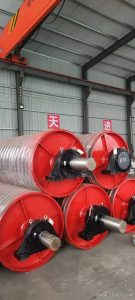
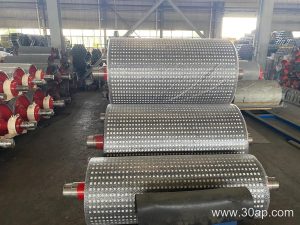
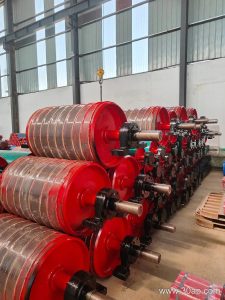
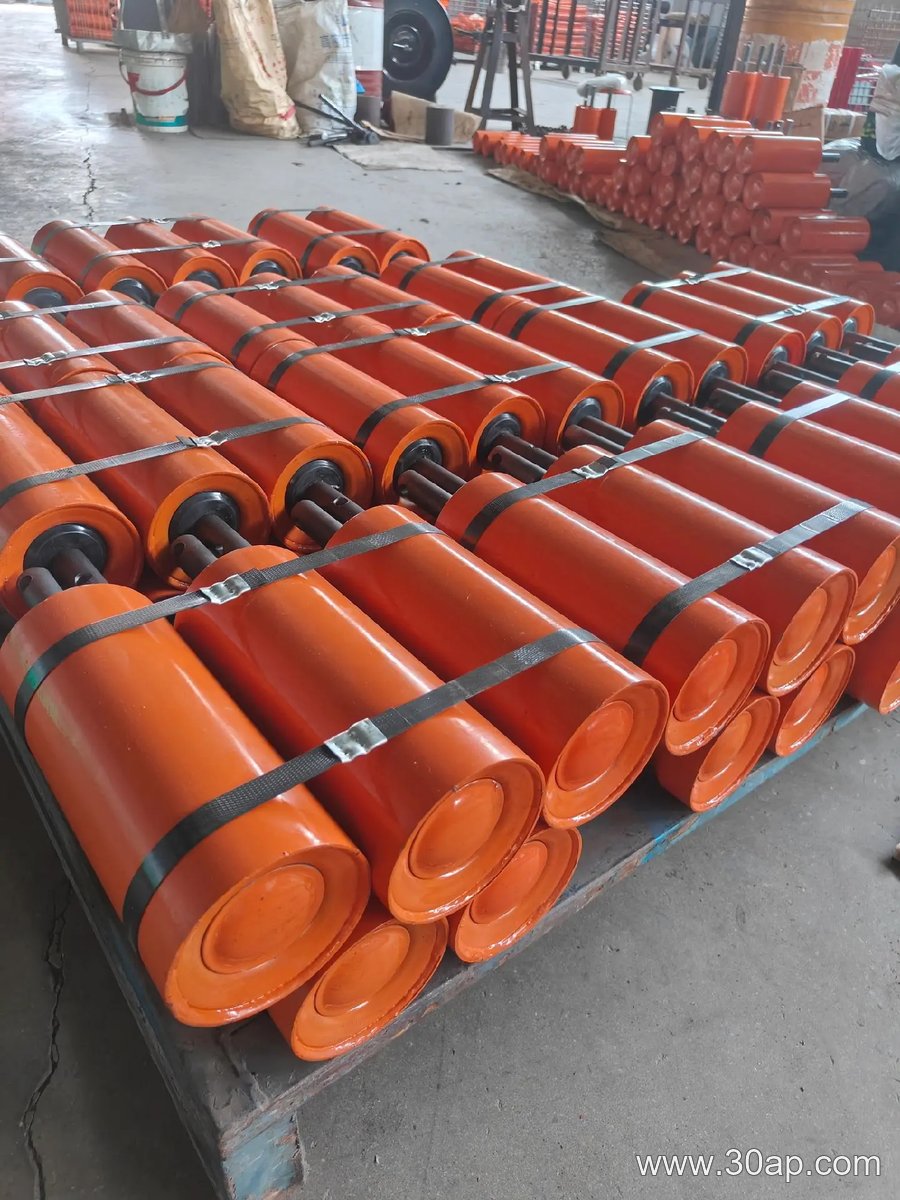
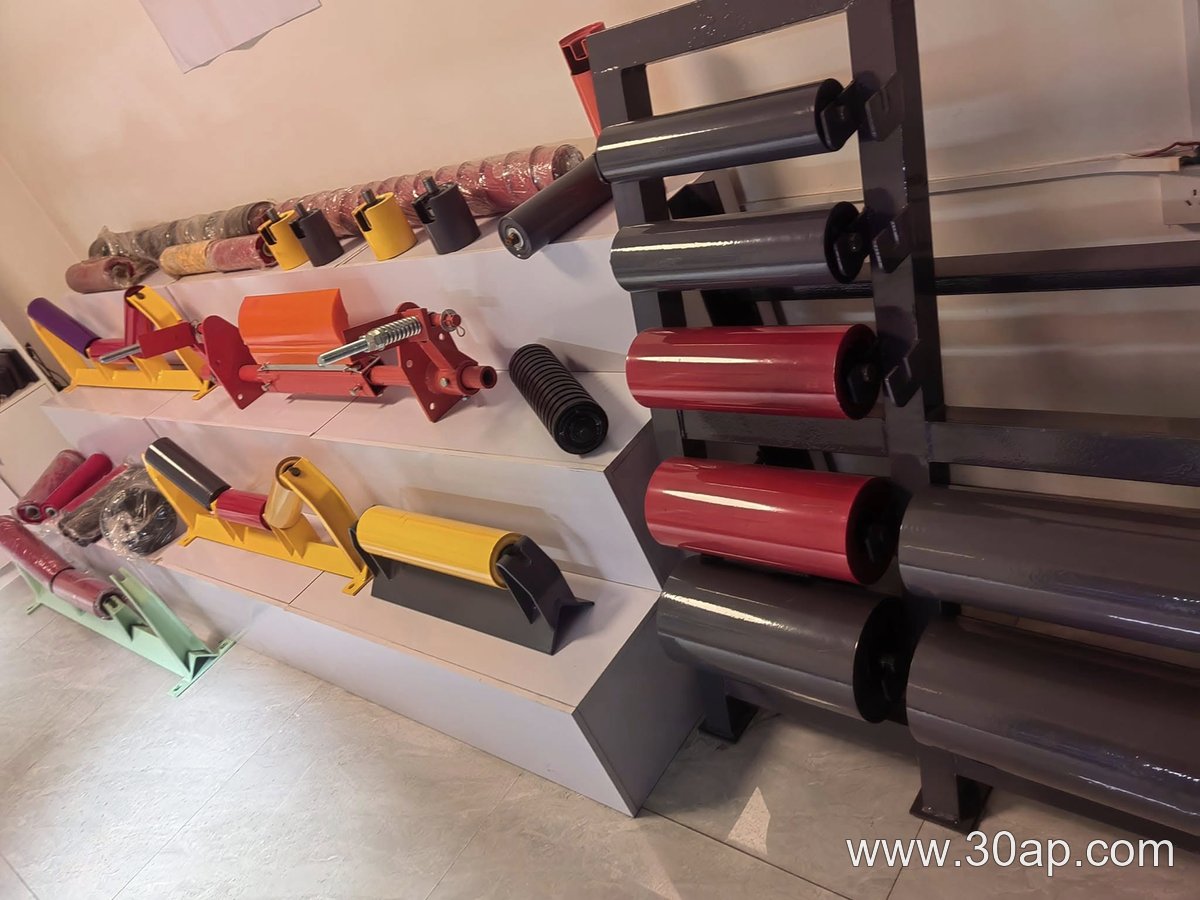
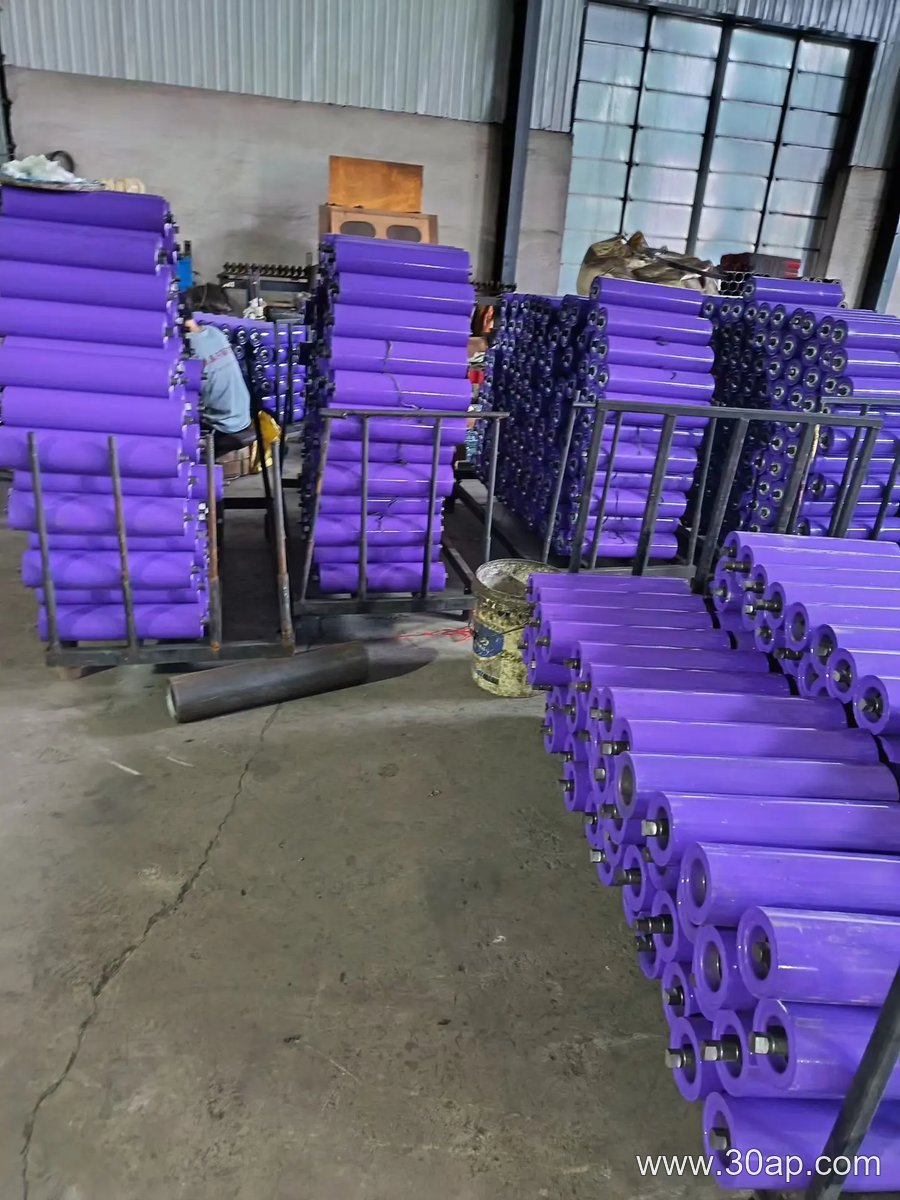
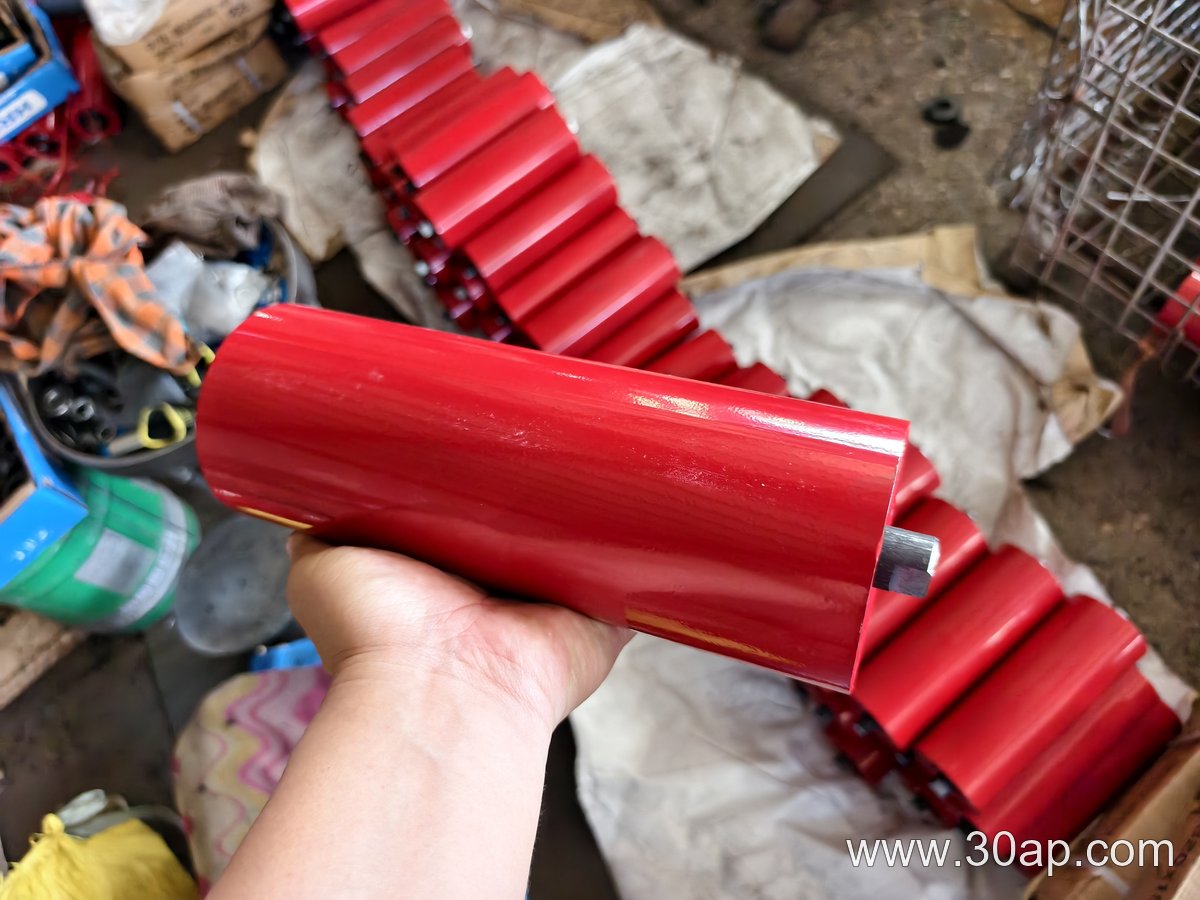
A heavy-duty large belt conveyor idler consists of a steel tube shell, bearing housings, a shaft, and a sealing system. The tube is often made from seamless steel pipe, with wall thickness selected according to the load and belt speed. Common bearing types include 6205, 6305, 6306, 6308, and 6310, depending on the roller diameter and duty cycle. Sealing is typically a labyrinth or contact seal to keep out fine dust and moisture, which is especially important in coal handling or limestone crushing environments. The roller surface may be plain steel, nylon-coated, or fitted with rubber rings for impact absorption. For example, a rubber-disc impact idler is frequently used at transfer points, while a plain steel large belt conveyor idler is more common along the carrying run.
Common Diameter and Belt Width Combinations
The following table shows typical reference combinations found in heavy-duty conveyor design. These are examples, not fixed rules; actual selection depends on belt tension, material density, and trough angle.
| Roller Diameter (mm) | Typical Belt Width (mm) | Common Bearing |
|---|---|---|
| Ø133 | B1000 – B1200 | 6305, 6306 |
| Ø159 | B1200 – B1400 | 6306, 6308 |
| Ø178 | B1400 – B1600 | 6308, 6310 |
| Ø194 | B1600 – B1800 | 6310 |
| Ø219 | B1800 – B2400 | 6310 |
Note that roller length varies with belt width, trough angle, and idler arrangement. For a three-roll troughing set, the side roller and center roller may have different lengths. For instance, a B1400 belt might use a center roller of about 530 mm and side rollers around 465 mm, but this is only a general reference.
Where Large Belt Conveyor Idlers Are Used
These idlers are found in primary crushing circuits, stockyard conveyors, and long overland systems. In a copper mine, a large belt conveyor idler handles ore chunks up to 300 mm, while in a coal-fired power plant, it supports a conveyor belt moving coal at high speed. Cement plants use them in clinker and limestone transport, and sand and gravel pits rely on them for aggregate handling. The large diameter helps reduce rotational speed, which extends bearing life and reduces belt wear. In dusty or wet conditions, a well-sealed large belt conveyor idler keeps contaminants out, protecting the internal bearing and shaft.
Selection and Maintenance Tips for Buyers
When choosing a large belt conveyor idler, consider the belt width, trough angle (20°, 30°, 35°, or 45°), and load per roller. The idler roller must match the conveyor bracket and frame spacing. A common mistake is to select a roller diameter based only on belt width; instead, calculate the load and check the bearing capacity. For impact zones, use rubber-ring or spiral idlers to absorb shock. For training the belt, a friction self-aligning idler can be added, but it is not a replacement for the main carrying idlers. Regular inspection should check for seized bearings, worn shells, and damaged seals. Lubrication is usually sealed for life, but in extreme conditions, re-greasing may be possible. Always verify that the shaft diameter and mounting dimensions fit the existing conveyor bracket. Do not assume that one belt width can only match one pulley diameter; the conveyor pulley and idler are separate components with independent selection criteria.
Quick Reference for Common Trough Angles
- 20° – light material, low surge
- 30° – general bulk handling
- 35° – higher capacity, standard for many mines
- 45° – deep trough for fine, free-flowing materials
In summary, a large belt conveyor idler is a critical wear part that affects belt life and energy consumption. By understanding its construction, typical sizes, and application demands, buyers can make informed decisions for their conveyor system. Whether in a quarry, a cement plant, or a port terminal, the right idler roller keeps the belt running smoothly.