What a Conveyor Belt Self-Aligning Idler Does
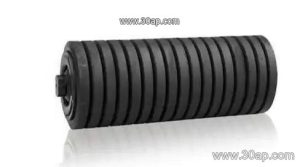
A conveyor belt self-aligning idler is a special type of idler roller designed to automatically correct belt misalignment. Unlike standard carrying or return idlers, it pivots or steers when the belt drifts to one side, gently guiding the belt back to the center. This active correction helps prevent edge damage, spillage, and premature wear on the conveyor belt and other components. In industries such as coal mining, cement plants, power plant coal handling, and quarry operations, a self-aligning idler is often installed at critical points where tracking problems are likely.
Construction and Working Principle
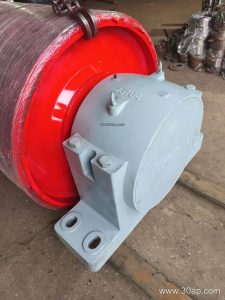
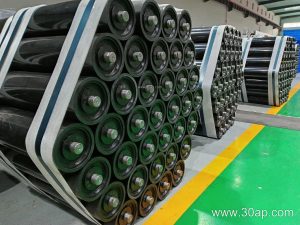
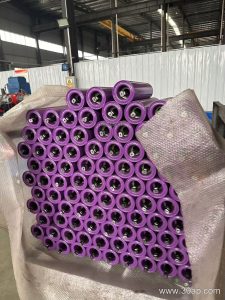
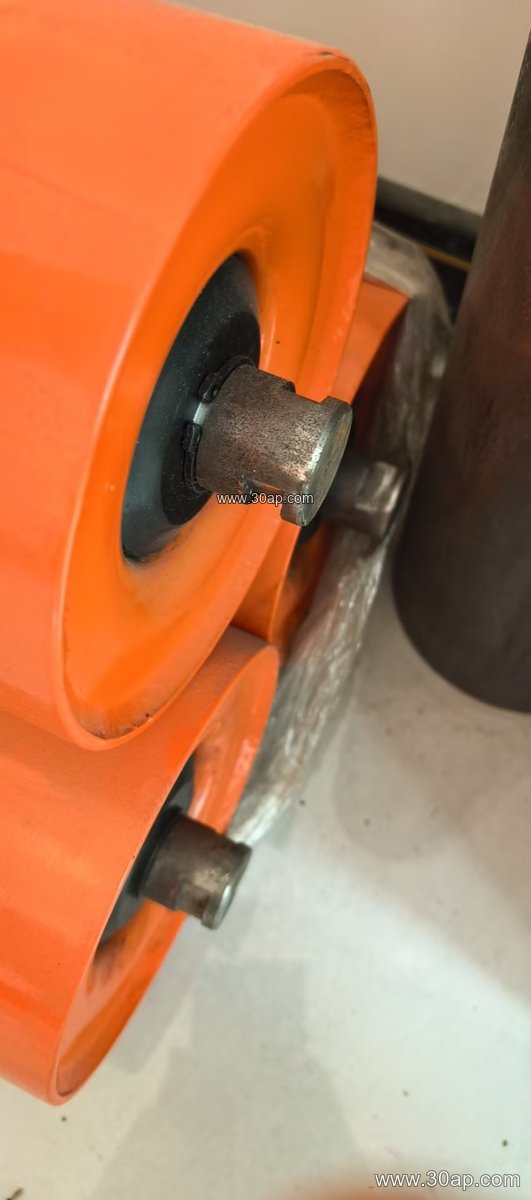
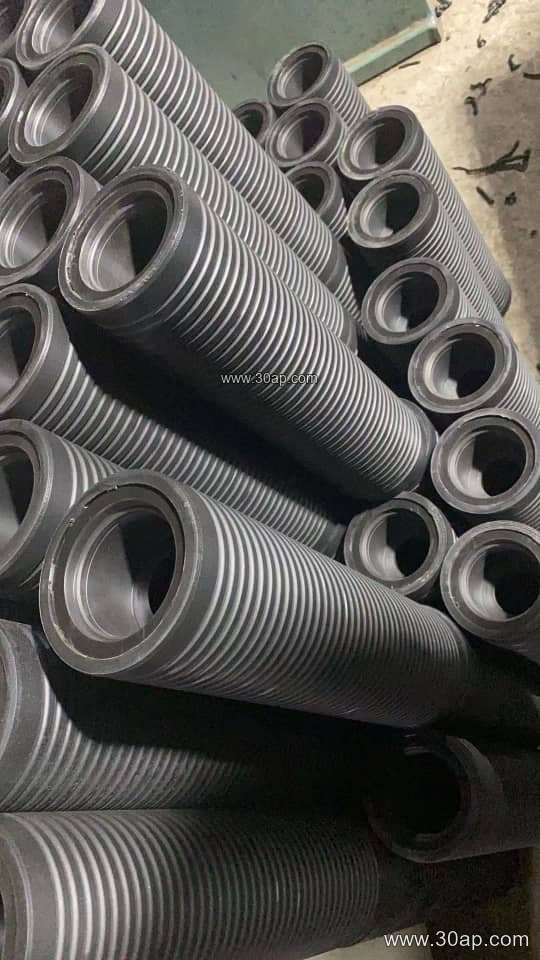
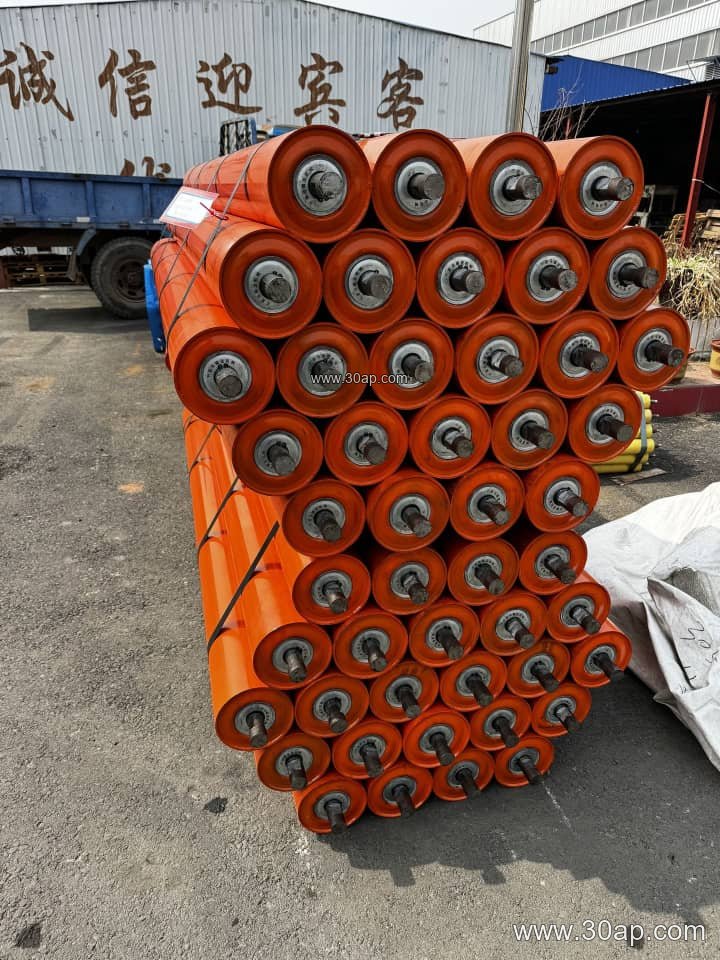
The self-aligning idler usually features a vertical pivot axis that allows the idler frame to rotate slightly. When the belt contacts the idler off-center, friction and belt tension create a steering force that turns the idler in the direction needed to correct the drift. Common designs include friction self-aligning idlers, conical self-aligning idlers, and return-side self-aligning idlers. The roller surface may be steel, rubber-covered, or ceramic, depending on the material being conveyed. Bearings such as 6205, 6305, or 6308 are often used, but the exact bearing size should match the idler diameter and load requirements.
Typical Configurations
- Friction self-aligning idler – uses friction between belt and roller to activate steering.
- Conical self-aligning idler – tapered rollers create a centering effect.
- Return self-aligning idler – installed on the return strand to keep the belt centered.
Where Self-Aligning Idlers Are Used
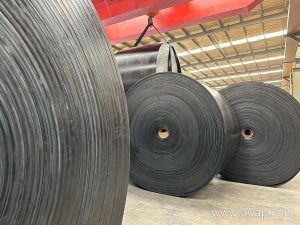
These idlers are common in bulk material handling systems such as coal mining conveyor belts, aggregate conveyor belts, and cement plant conveyor belts. They are particularly useful on long conveyors, at transfer points, and where belt tension varies. For example, in a coal mining conveyor belt system, a self-aligning idler can reduce the risk of belt edge damage that might otherwise lead to costly downtime. Similarly, in a quarry conveyor belt carrying heavy rock, proper belt training extends the life of the Rubber Conveyor Belt and minimizes spillage.
Key Parameters and Selection Considerations
When selecting a self-aligning idler, several parameters should be considered. The table below lists common reference values, but actual dimensions should be confirmed with the conveyor design.
| Parameter | Common Reference Values |
|---|---|
| Idler diameter | Ø63, Ø76, Ø89, Ø102, Ø108, Ø127, Ø133, Ø159, Ø178, Ø194, Ø219 mm |
| Belt width | B400, B500, B650, B800, B1000, B1200, B1400, B1600, B1800, B2000, B2200, B2400 |
| Trough angle | 20°, 30°, 35°, 45° |
| Roller surface | Steel pipe, nylon, ceramic, rubber ring |
| Bearing | 6204, 6205, 6305, 6306, 6308, 6310 |
Note that idler length varies with belt width and trough angle. For instance, a three-roll troughing set for B800 may use a roll length around 315 mm, while B1200 may use about 465 mm. These are common examples, not fixed rules. The self-aligning idler should be matched to the belt width, material load, and operating conditions. For abrasive materials like iron ore or copper ore, a Abrasion Resistant Conveyor Belt combined with properly selected idlers can improve system reliability.
Buyer Checklist
Before purchasing a conveyor belt self-aligning idler, consider the following:
- Verify the belt width and idler diameter compatibility with your conveyor frame.
- Check the bearing type and sealing arrangement for the environment (dust, moisture, temperature).
- Confirm the roller surface material suits the conveyed material (e.g., rubber for impact, ceramic for abrasion).
- Ensure the pivot mechanism is robust and easy to maintain.
- For underground coal mining, look for flame retardant and anti-static properties in the conveyor belt, and select idlers with appropriate sealing.
In summary, a self-aligning idler is a practical solution for belt tracking issues in mining, cement, power, and aggregate industries. Proper selection and installation help maintain conveyor efficiency and extend the service life of the entire system, including the Steel Cord Conveyor Belt and other conveyor components.