What Conveyor Bracket Fabrication Covers
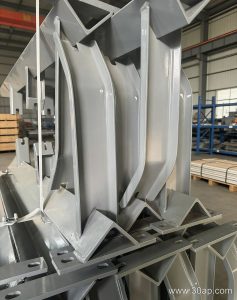
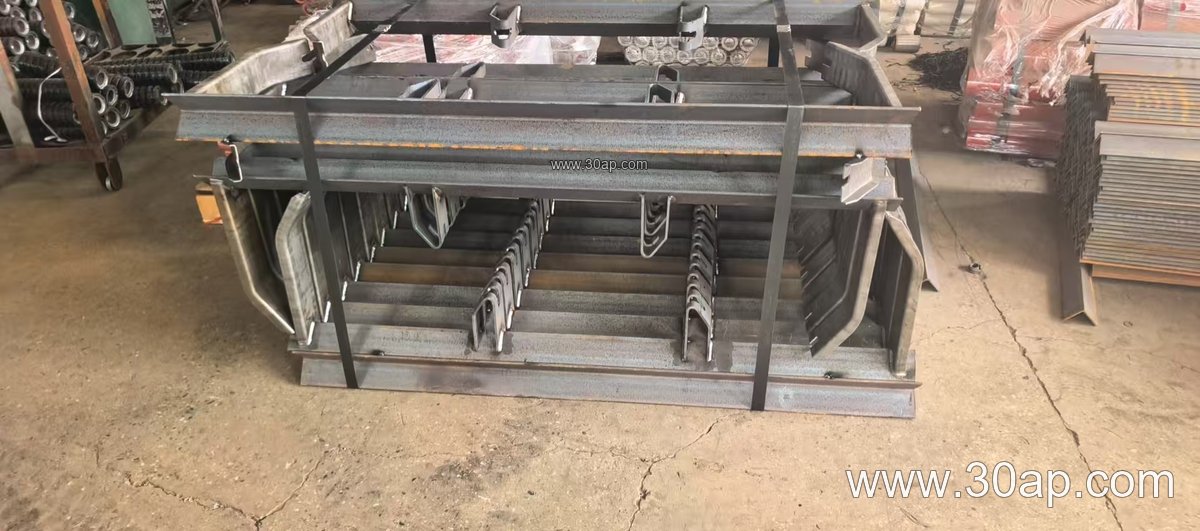
Conveyor bracket fabrication is the process of cutting, forming, welding, and finishing the structural supports that hold idler rollers and carry the conveyor belt along its path. These brackets, often called conveyor brackets, are the interface between the conveyor frame and the rotating components. In a typical fabrication shop, the work starts with raw steel—angle, channel, or folded plate—and ends with a painted or galvanized assembly ready for installation on site.
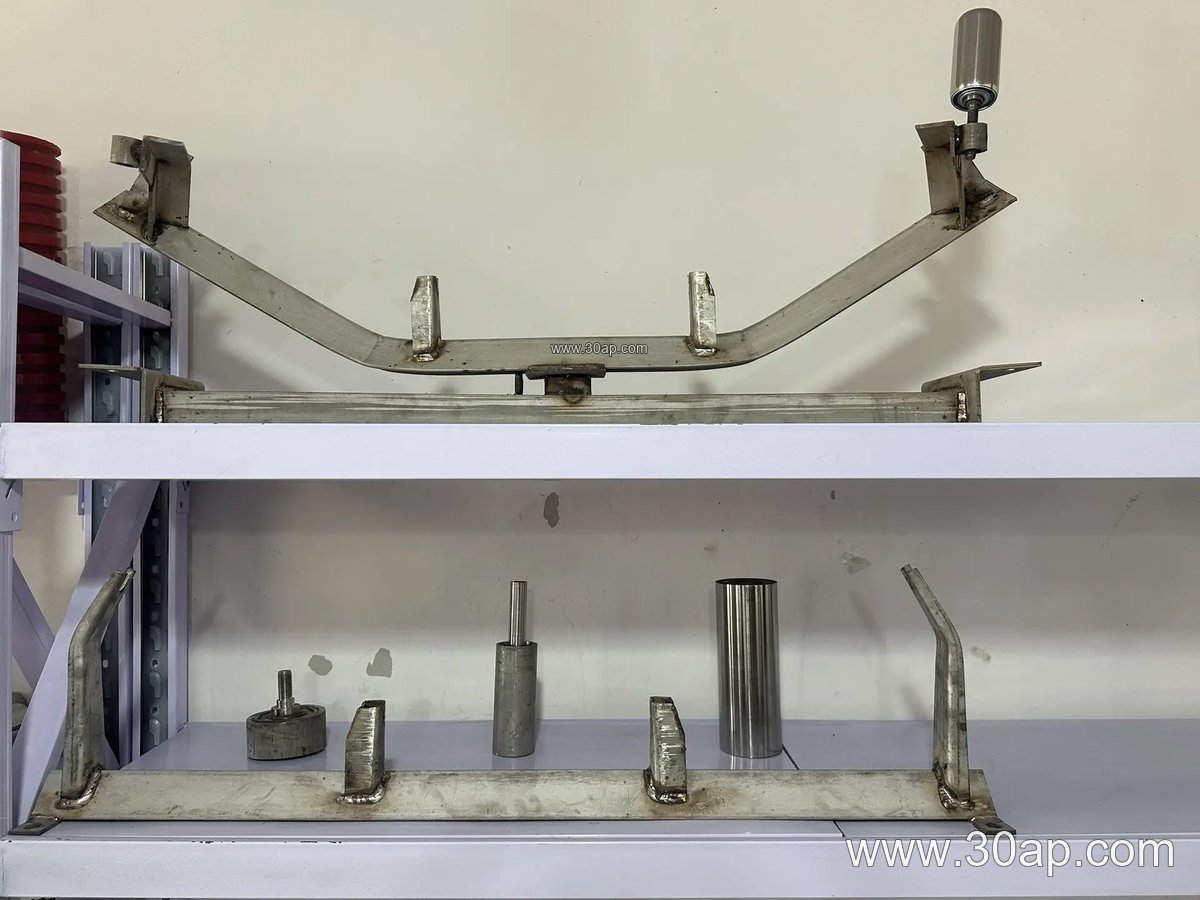
The scope of fabrication varies with the bracket type. A trough bracket for the carrying side may include angled arms that set the trough angle, while a return bracket is usually a simpler flat or V-shaped support. Fabricators must account for belt width, roller diameter, and the required trough angle when preparing jigs and fixtures. For example, a bracket for B800 belt at 35 degrees with Ø108 rollers will have different hole spacing and arm geometry than one for B1200 at 45 degrees with Ø133 rollers. These are common reference combinations, not fixed rules—actual dimensions are determined by the conveyor design.
Materials and Build Steps
Most conveyor brackets are fabricated from structural steel. Common materials include:
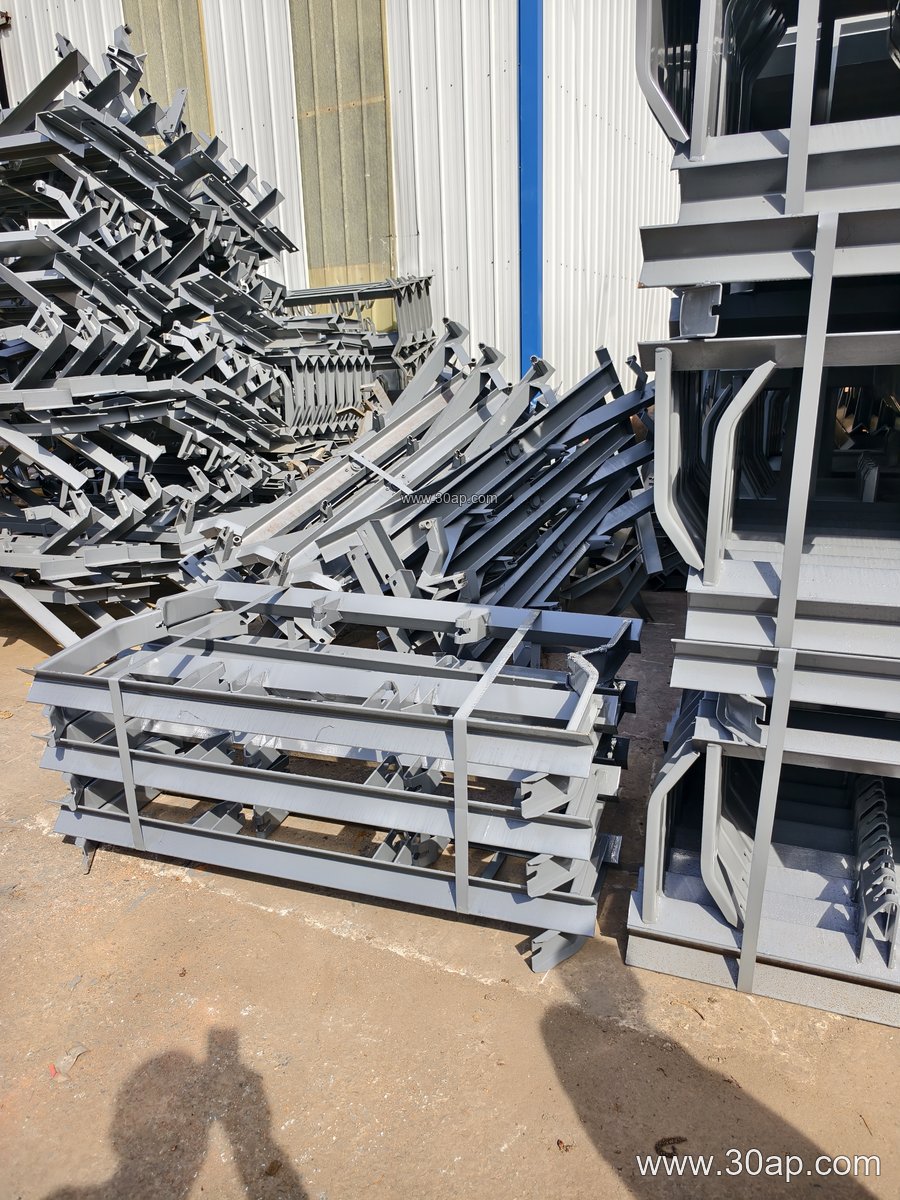
- Angle steel for lighter-duty brackets and return supports
- Channel steel for main frames and heavy trough brackets
- Folded steel plate for complex shapes and adjustable brackets
The fabrication sequence usually follows these steps:
- Cutting: shearing or sawing stock to length
- Drilling: punching or drilling holes for idler roller mounting and frame bolts
- Forming: bending plate or welding angle/channel into the required shape
- Welding: assembling components with fixtures to control distortion
- Finishing: deburring, cleaning, and applying a protective coating
Quality checks during fabrication focus on hole alignment, overall squareness, and weld integrity. Because brackets carry the weight of the belt and material, a poorly aligned bracket can cause belt mistracking or premature roller failure.
Types and Where They Are Used
Fabricated brackets fall into several functional groups. Trough brackets support the carrying side and set the trough angle; common angles are 20, 30, 35, and 45 degrees. Transition brackets help guide the belt from flat to troughed. Return brackets support the belt on the return run, often as a flat or V-shaped arrangement. Impact brackets, used under loading points, are built heavier to absorb shock. Adjustable brackets allow changes to trough angle or belt clearance after installation, which is useful when belt conditions change.
These brackets are found in bulk material handling across many industries. In a limestone quarry, trough brackets hold idler rollers that shape the conveyor belt into a trough for high-capacity haulage. In a coal preparation plant, return brackets keep the belt aligned on the lower run. Other common settings include cement plants, power station coal yards, and aggregate crushing and screening lines. The same fabrication principles apply, but the duty level and environmental conditions influence material thickness and coating choice.
Buyer Checklist for Fabricated Brackets
When specifying or purchasing fabricated conveyor brackets, buyers should confirm several details to avoid mismatches on site:
- Belt width and trough angle: ensure the bracket geometry matches the conveyor design. A bracket for B650 at 30 degrees is not interchangeable with one for B1000 at 35 degrees.
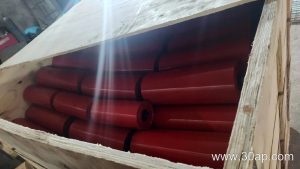
- Roller diameter: mounting hole spacing and arm height must suit the idler roller diameter, such as Ø89, Ø108, Ø133, Ø159, or Ø194.
- Bracket type: trough, return, impact, and adjustable brackets serve different positions and should not be substituted without engineering review.
- Material and coating: check that the steel grade and finish suit the environment—painted for general use, galvanized for wet or corrosive conditions.
- Dimensional tolerances: ask for hole position and squareness tolerances, as these affect installation speed and belt tracking.
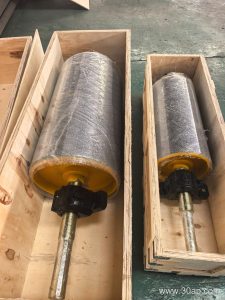
Fabricators should provide drawings or samples for approval before full production. It is also wise to request a trial fit of one bracket with the specified idler roller and frame section. Since conveyor brackets work together with the conveyor pulley, belt, and frame, small fabrication errors can multiply during assembly.
Fabrication Details That Affect Performance
Two details deserve attention during fabrication. First, hole placement for the idler roller must be consistent across brackets; otherwise the roller sits skewed and the belt may drift. Second, weld distortion can twist a bracket out of plane. Using fixtures and allowing controlled cooling helps maintain flatness. For adjustable brackets, the sliding or pivoting mechanism should move freely after coating and lock securely at the chosen trough angle.
In summary, conveyor bracket fabrication combines structural steelwork with precision hole placement to produce supports that keep idler rollers and the conveyor belt running true. Buyers who verify belt width, trough angle, roller diameter, and bracket type before ordering will reduce installation problems and improve conveyor reliability.