What a Steel Idler Does on a Conveyor
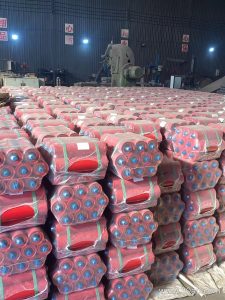
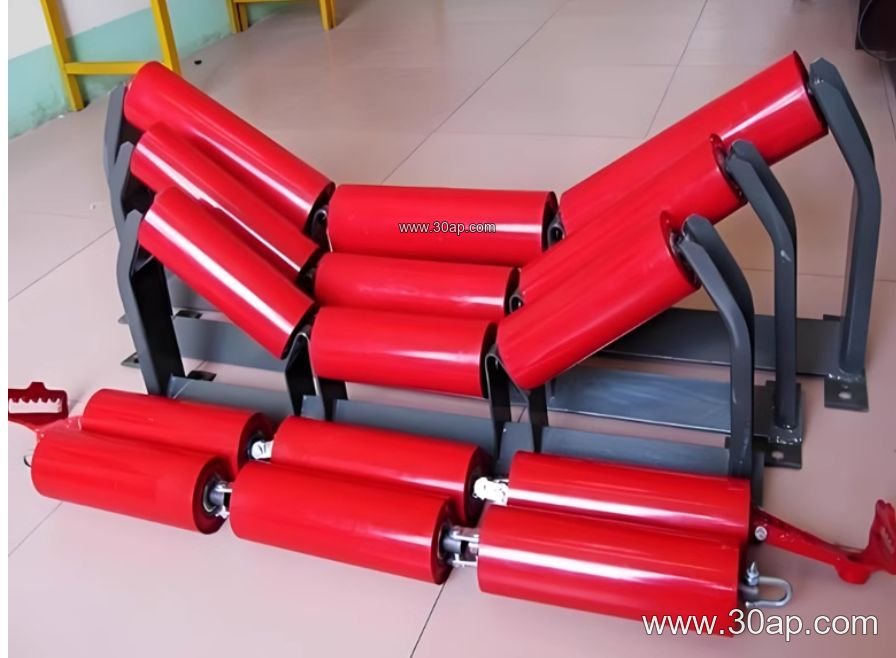
A steel idler is the rotating support that carries a conveyor belt along its carrying and return runs. In a troughing set, three steel rollers form a cradle that shapes the belt into a trough so bulk material stays centered. On the return side, flat or V-shaped steel idlers hold the belt up and keep it tracking. The idler itself is simple, but it is one of the highest-count wear parts on any conveyor, which is why buyers pay attention to how it is built.
Construction Details That Matter
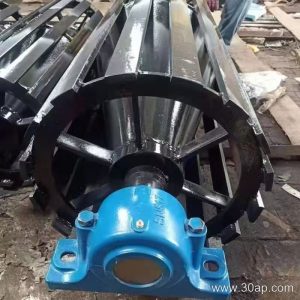
A typical steel idler roller combines a steel tube shell, a through shaft, stamped bearing housings, and sealed bearings. The shell is usually machined at the ends so the bearing seats run true; a poorly squared tube causes runout and short bearing life. Sealing is the quiet hero: labyrinth seals, felt seals, or multi-stage lip seals keep fines and water away from the bearing cavity. In dusty operations such as a quarry or a cement plant, seal quality often decides whether an idler lasts months or years.
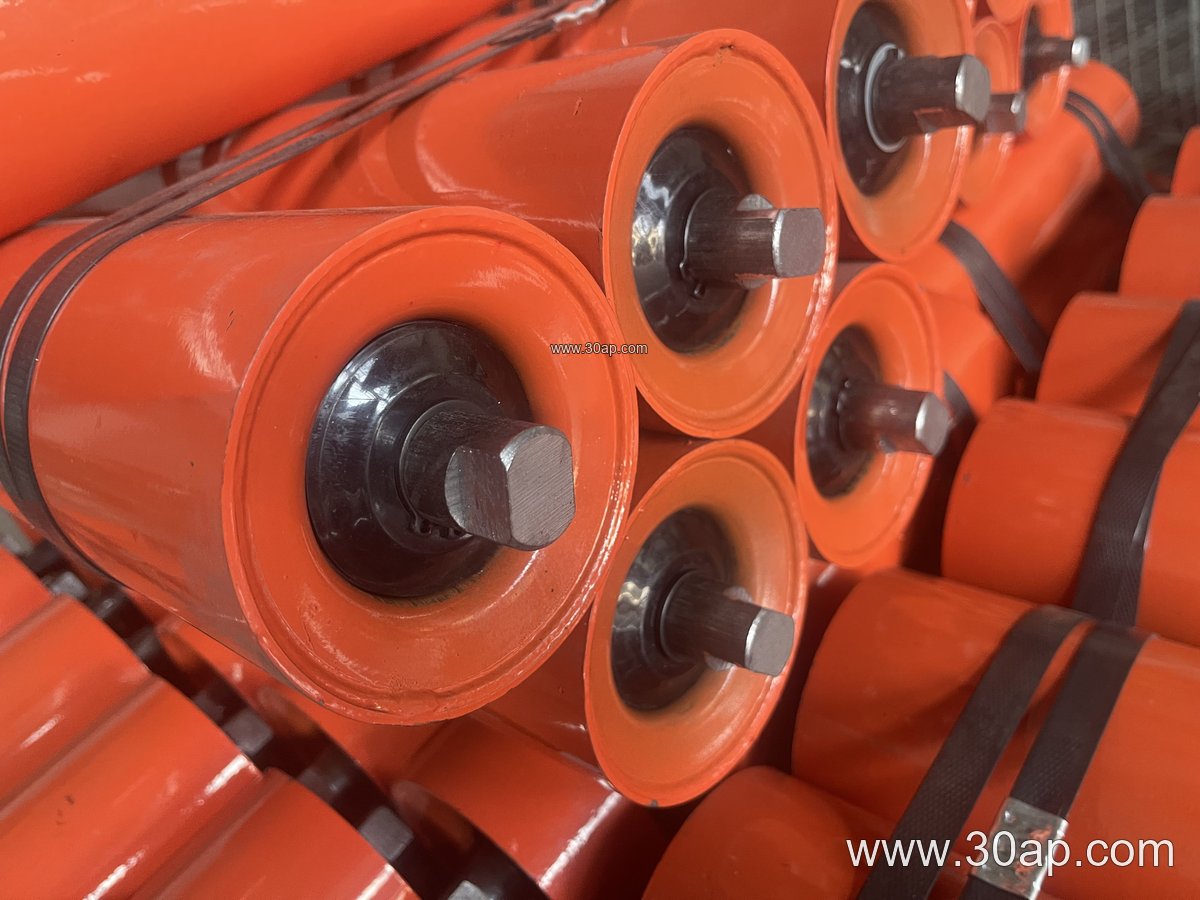
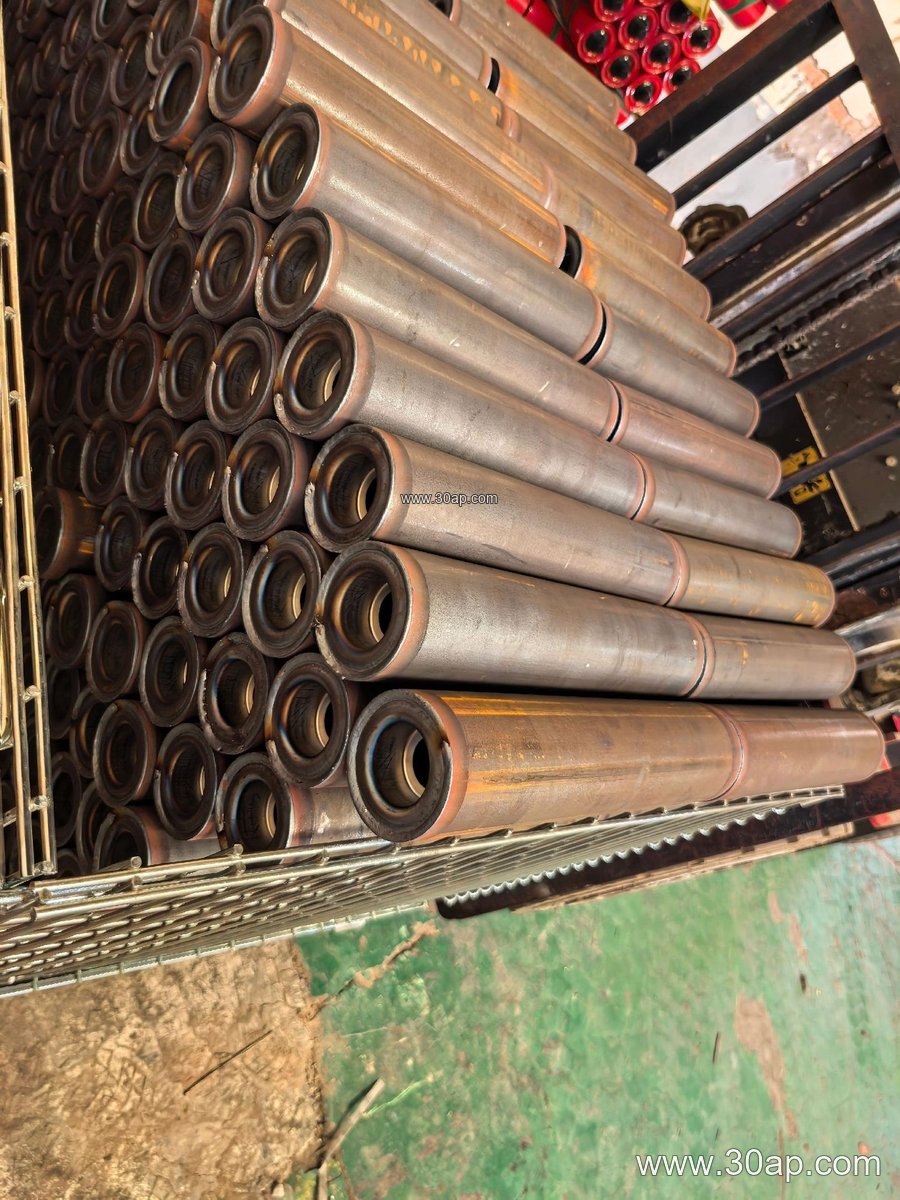
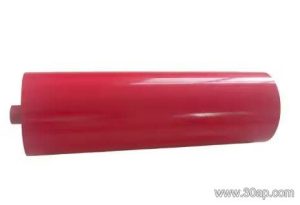
Roller surfaces vary by duty. Plain steel suits general bulk handling, nylon or ceramic covers reduce buildup on sticky material, and rubber rings are used on impact idlers at transfer points where lumps drop onto the belt. Bearings are commonly 6204, 6205, 6305, 6306, 6308, or 6310, matched to the shaft and load rather than to belt width alone.
Common Sizes and Arrangements
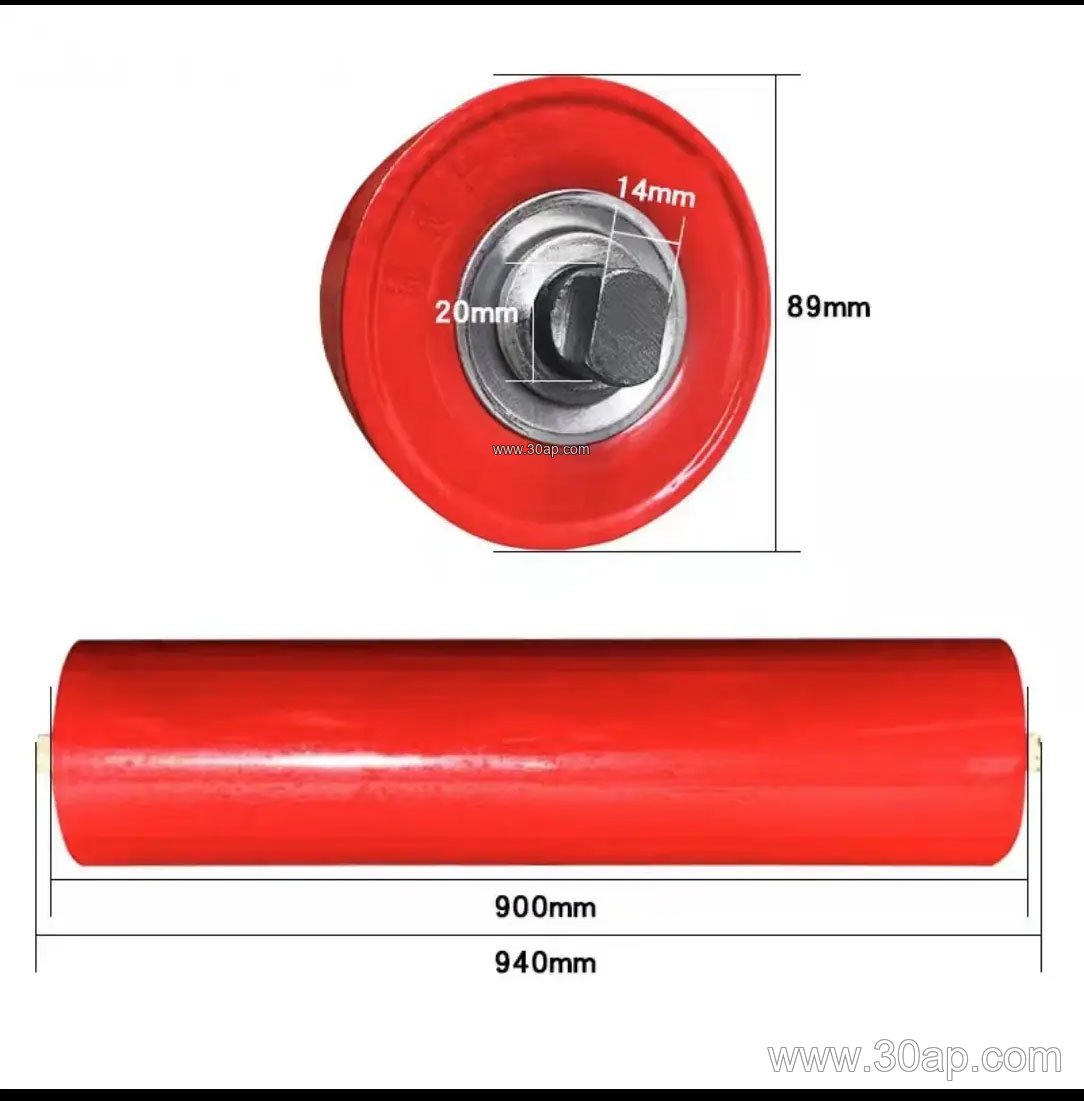
Steel idlers are selected from a range of roller diameters and belt widths. The table below shows reference values that appear in typical catalogs; final dimensions should always come from the conveyor design.
| Parameter | Common reference values |
|---|---|
| Roller diameter | Ø63, Ø76, Ø89, Ø102, Ø108, Ø127, Ø133, Ø159, Ø178, Ø194, Ø219 mm |
| Belt width | B400, B500, B650, B800, B1000, B1200, B1400, B1600, B1800, B2000, B2200, B2400 |
| Trough angle | 20°, 30°, 35°, 45° |
| Set form | single roll, two-roll, three-roll troughing |
| Roller length (three-roll example) | about 200 mm at B500, 250 mm at B650, 315 mm at B800, 380 mm at B1000, 465 mm at B1200, 530 mm at B1400, 600 mm at B1600, 670 mm at B1800, 750 mm at B2000 |
These are examples, not fixed pairings. Side rollers and center rollers can differ, and a B1000 conveyor may use more than one roller diameter depending on load and speed.
Where Steel Idlers Are Used
You will find them in almost every bulk handling line. In a coal washing plant they support flame retardant conveyor belt on long inclined runs. In an iron ore or copper ore operation, heavy troughing idlers carry abrasive ore under high tonnage. Power plant coal yards, port ship loaders, aggregate lines, and fertilizer plants all rely on the same basic component, though the seal and surface choice changes with the environment.
On a crushing circuit, impact idlers with rubber rings sit below the discharge chute to absorb lump energy, while standard troughing idlers take over further down the line. This is a comparison of duty, not a replacement for the standard steel idler.
Selection and Maintenance Notes
- Match roller diameter and bearing to the actual load and belt speed, not only to belt width.
- Use a trough angle that suits the material; fine dry material may need a deeper trough, while lumpy rock may prefer a shallower one.
- Check that the conveyor bracket and frame spacing match the idler shaft and fixing centers.
- Inspect for seized rollers, worn shells, and missing seals; a single failed idler can damage the belt surface.
- Keep spare sets for high-wear positions such as transfer points and tail areas.
Steel idlers are inexpensive individually but costly in downtime when they fail. Buying on seal quality, tube straightness, and correct sizing is usually better value than buying on price alone.