What the PVG800 Conveyor Belt Is
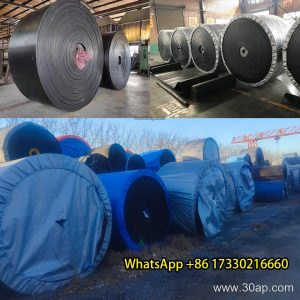
The PVG800 Conveyor Belt is a solid-woven, PVC-based conveyor belt rated at 800 N/mm tensile strength. In the PVG family, the number after the letters indicates the breaking strength of the carcass, so an 800-grade belt sits in the middle-to-heavy range for underground and surface bulk handling. It is a flame-retardant belt by design intent, which is why it appears so often in coal mining and other enclosed conveying systems where fire risk must be controlled. The same product is also described as a PVC nitrile or PVG solid woven belt, and the PVG800S variant is a related grade within that same family.
Because the carcass is a single solid-woven fabric impregnated and covered with PVC, the belt resists tearing, impact and moisture penetration differently from layered fabric belts. Buyers comparing it with an EP Conveyor Belt or a multi-ply construction should note that the PVG design is not built up from separate plies, so edge sealing and splice preparation follow their own rules.
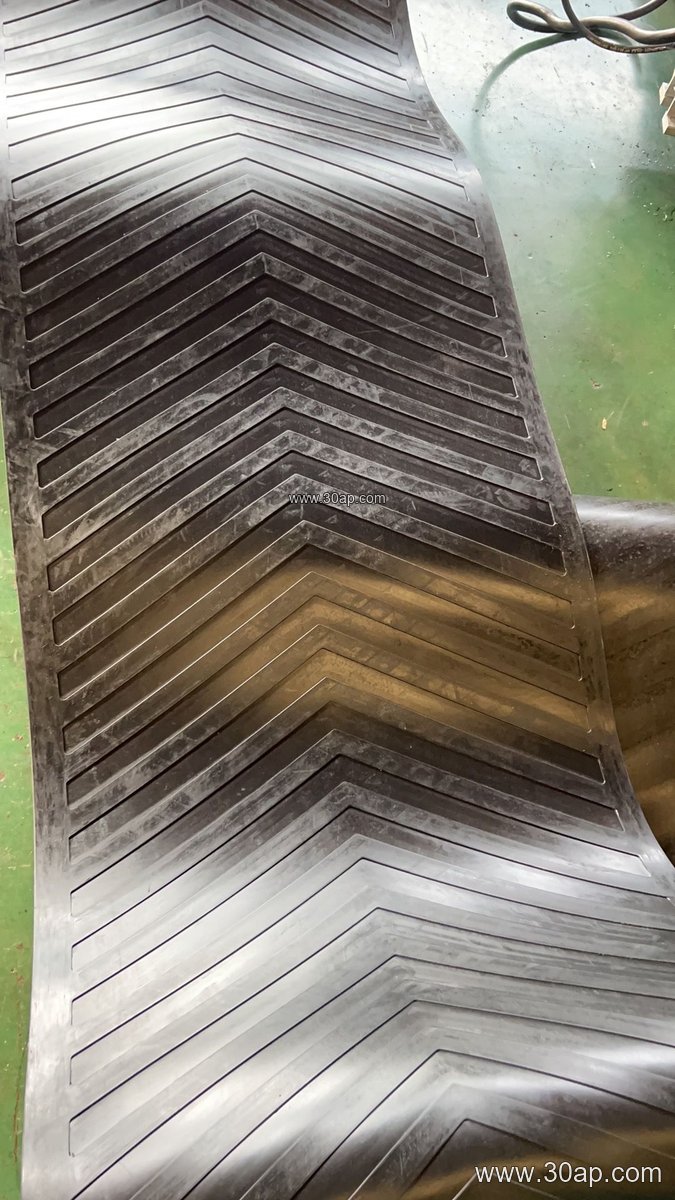
Construction and Surface Options
A typical PVG800 belt combines three elements:
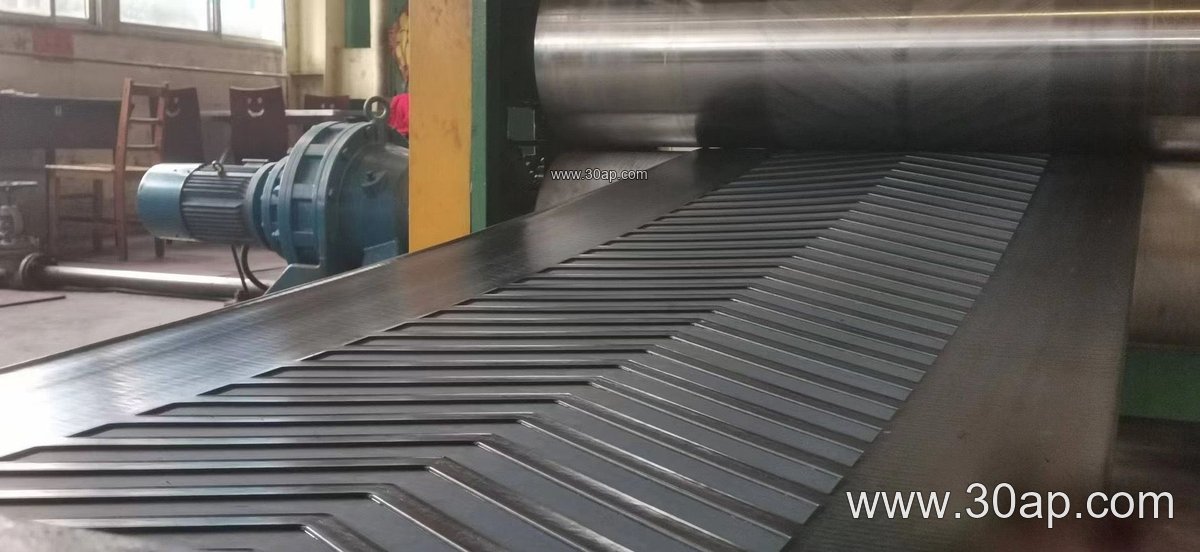
- A solid-woven polyester or nylon fabric core that carries the load and absorbs impact.
- PVC impregnation that fills the weave and protects the core from water and fines.
- Top and bottom covers formulated for the duty, often with flame-retardant and anti-static additives for underground service.
Cover thickness is usually specified as a pair, such as 3+1.5 mm, 4+2 mm or 5+2 mm, depending on abrasion and impact severity. Surface forms can include a plain finish for general conveying, a chevron or patterned top for inclined sections, and corrugated sidewall versions where material must be contained on steep inclines. These are variations of the same belt family, not replacements for the 800-grade product itself.
Where It Fits in the Plant
The PVG800 Conveyor Belt is common in underground coal mining, where flame retardancy and anti-static behavior are essential, and in surface operations that handle abrasive or wet bulk material. You will see it in:
- Coal mining and underground coal haulage drifts.
- Power plant coal yards and boiler feed lines.
- Cement plants moving clinker, limestone and additives.
- Quarries and aggregate plants feeding crushers and screens.
- Ports and ship-loading systems handling bulk cargo.
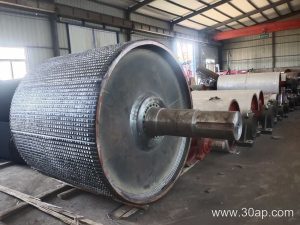
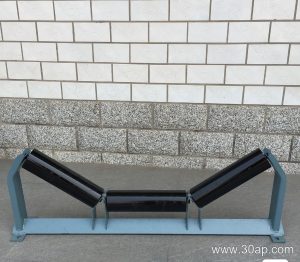
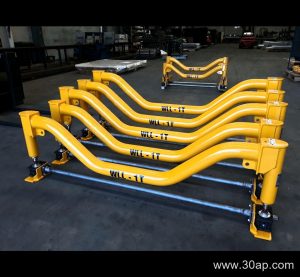
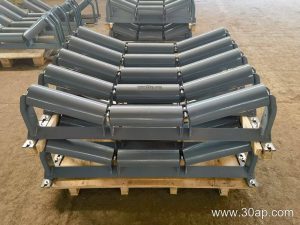
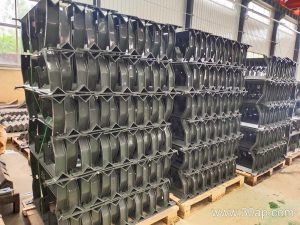
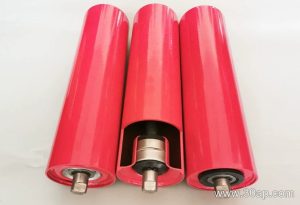
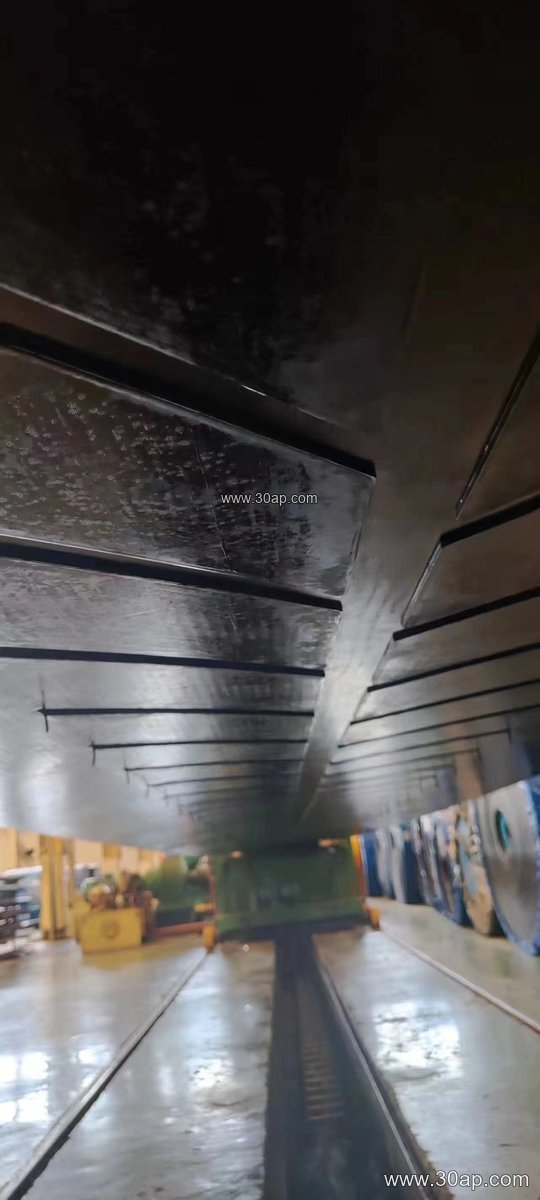
In these layouts the belt runs over idler rollers and turns around conveyor pulleys at the head and tail, with conveyor brackets holding the frame together. The belt, not the pulleys, is the subject here; drive, tail and bend pulleys each do a different job and should be selected separately. Where wider, heavier or higher-tension service is needed, a Steel Cord Conveyor Belt or a higher EP grade may be the better fit, and a Flame Retardant Conveyor Belt in another construction can serve similar fire-safety duties.
Reference Data for Specification
The figures below are typical reference values, not fixed universal specifications. Confirm final dimensions and construction with the belt supplier before ordering.
Common PVG800 Parameters
| Item | Typical range |
|---|---|
| Tensile strength grade | 800 N/mm |
| Belt width | B650, B800, B1000, B1200, B1400 mm |
| Cover thickness (top + bottom) | 3+1.5 mm, 4+2 mm, 5+2 mm, 6+2 mm |
| Surface form | Plain, patterned or chevron top; sidewall on request |
| Fire behavior | Flame-retardant and anti-static grades available |
| Related grade | PVG800S |
Note that belt width and pulley diameter are matched by conveyor design, not by a fixed rule. A B1000 belt may run on several different pulley sizes depending on wrap angle, tension and load.
Selection and Maintenance Notes
Choose the PVG800 Conveyor Belt when the duty calls for moderate-to-high tension, good resistance to impact and moisture, and flame-retardant behavior in a single solid-woven package. Confirm the actual tensile requirement from your conveyor calculation, check whether an anti-static grade is mandatory for your site, and match cover thickness to the abrasiveness of the material. For hot materials, an Abrasion Resistant Conveyor Belt or heat-rated construction may be more appropriate than the standard PVG cover.
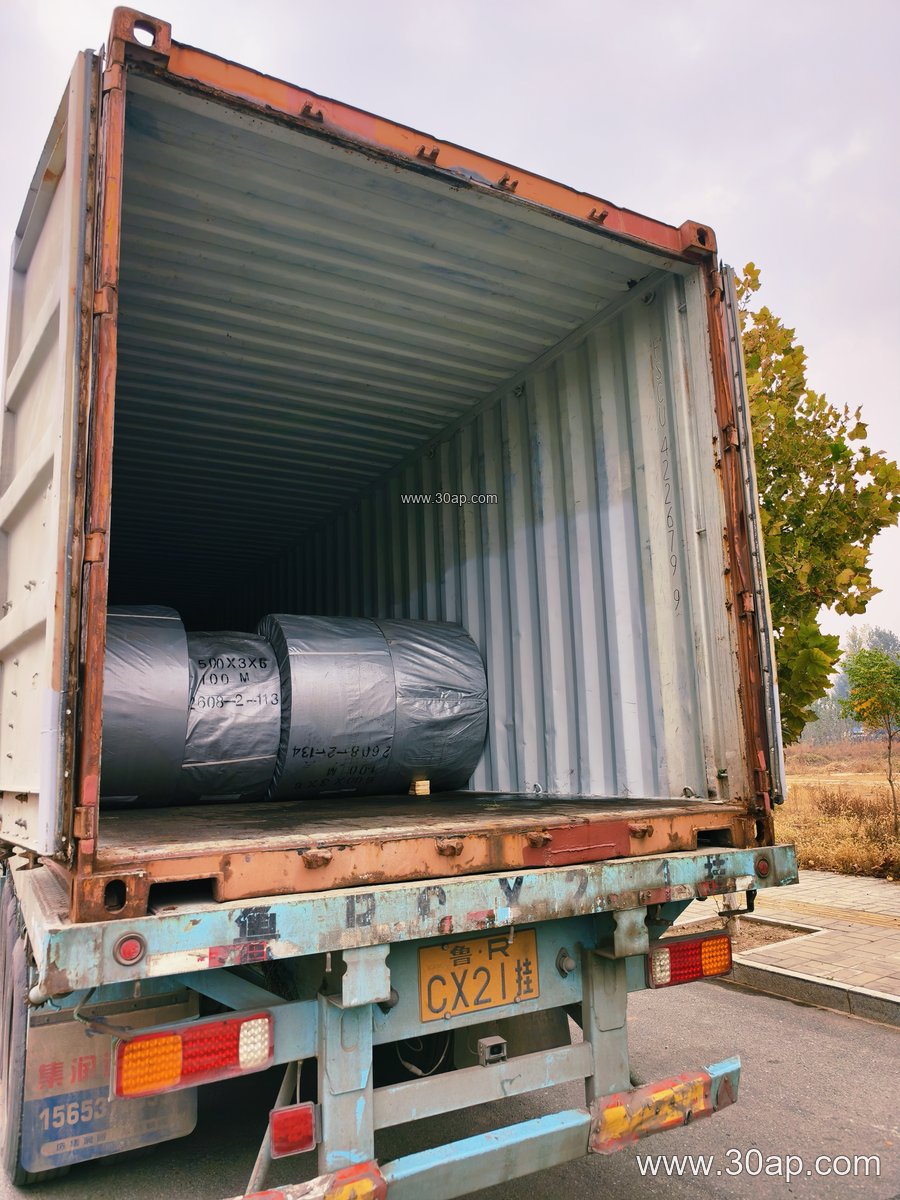
During operation, keep idler rollers turning freely, inspect splices for edge separation, and check that the belt tracks centrally on the pulleys. Solid-woven belts are sensitive to sharp edge damage and to material trapped at the tail, so regular cleaning and alignment checks extend service life considerably. Store spare rolls under cover and away from direct sunlight before installation.