What an Impact Idler Bracket Does at the Loading Point
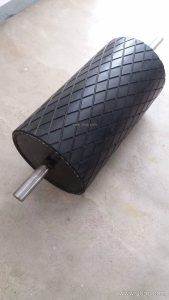
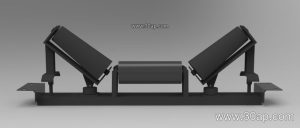
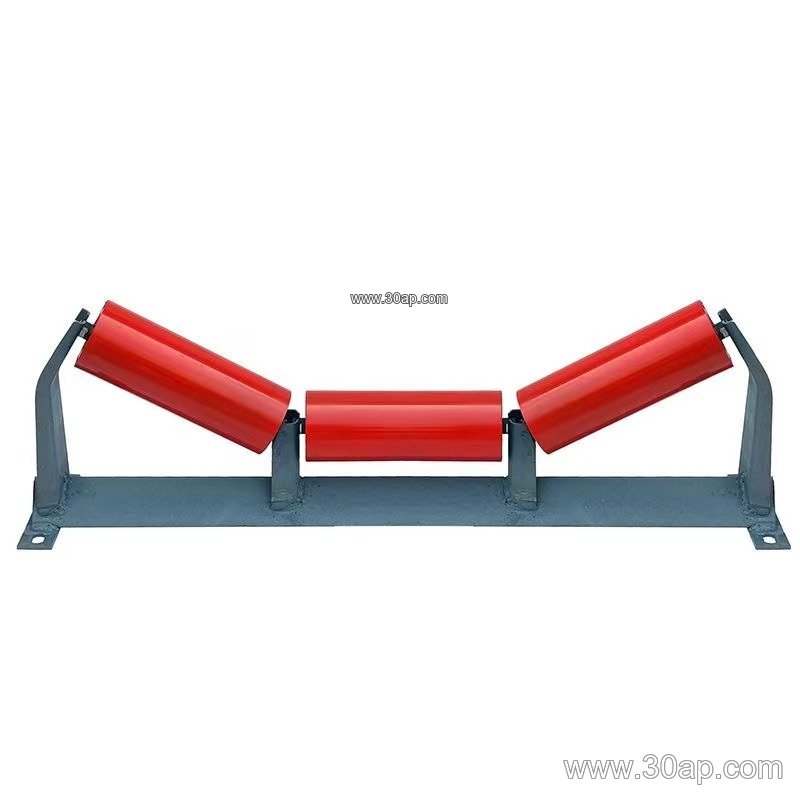
An impact idler bracket is the mounting component that holds the impact (buffer) idlers directly beneath the loading point of a conveyor belt. Where material drops from a chute, crusher discharge, or transfer tower, the belt takes a concentrated hammering. The bracket keeps those cushioning rollers locked at the correct height, spacing, and trough angle so the belt is supported through the worst of the impact instead of sagging between frames.
It is a small part with a large job. A poorly supported loading zone shortens belt life quickly, and on a quarry conveyor belt or a heavy-duty mining conveyor belt the cost of that failure shows up fast. The bracket also sets the geometry that the rest of the idler set follows, so it has to match the surrounding frame, not just the rollers.
How the Bracket Is Built
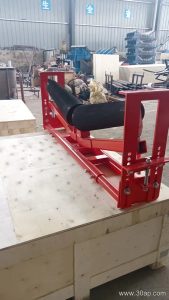
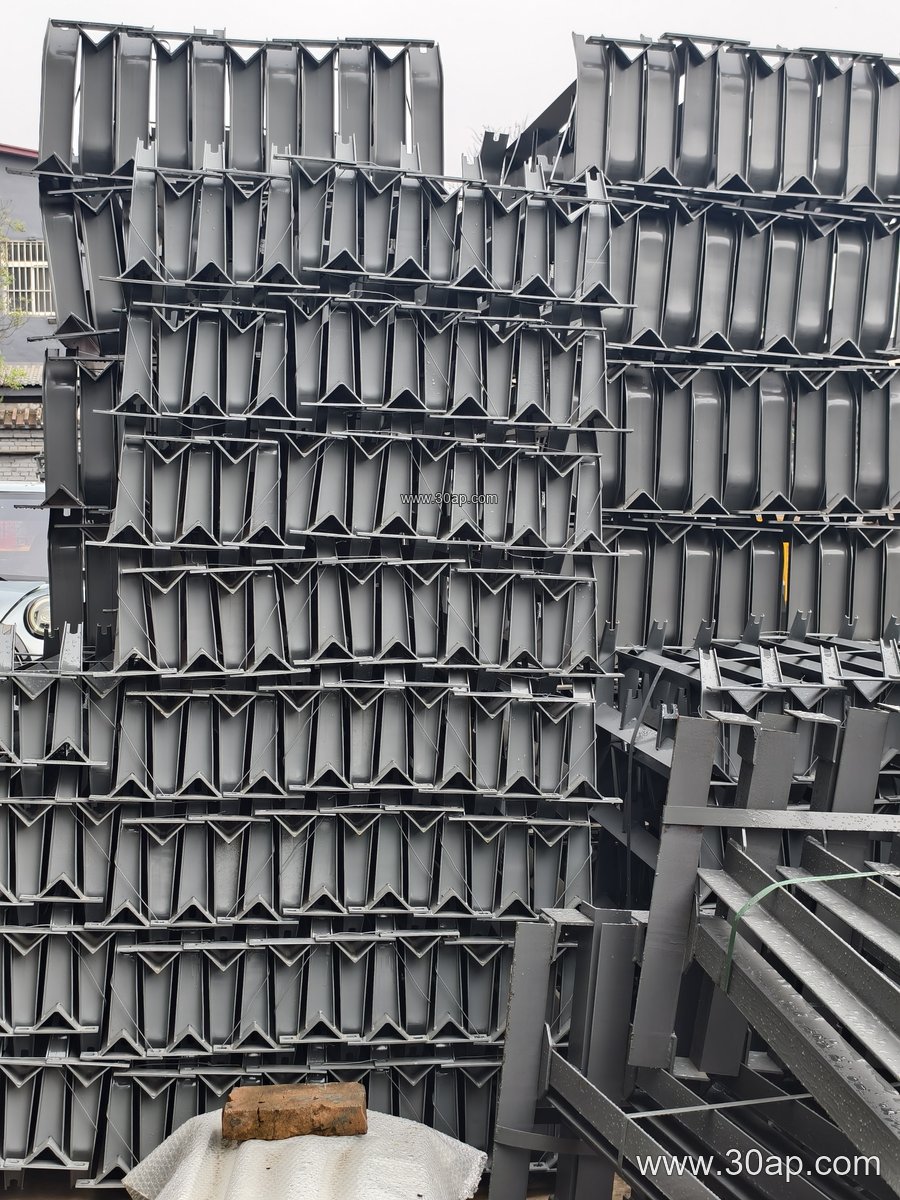
Most impact idler brackets are fabricated from angle steel, channel steel, or folded steel plate, then drilled and welded to suit the idler set and the main conveyor frame. The usual construction details include:
- Mounting slots or holes positioned to suit the idler shaft ends and the frame rail spacing
- A cradle or seat that fixes the trough angle of the impact rollers
- Reinforcing ribs or gussets where the bracket meets the stringer, since impact loads arrive vertically and repeatedly
- Bolted connections for easy replacement, or welded connections on permanent installations
Because the bracket works together with the impact idler roller and the belt above it, buyers should treat the three as one assembly. The bracket is not a wear part in the same sense as the roller shell, but it does need to stay square and tight; a loose bracket lets the idlers tilt and the belt track wander.
Where It Fits on the Conveyor
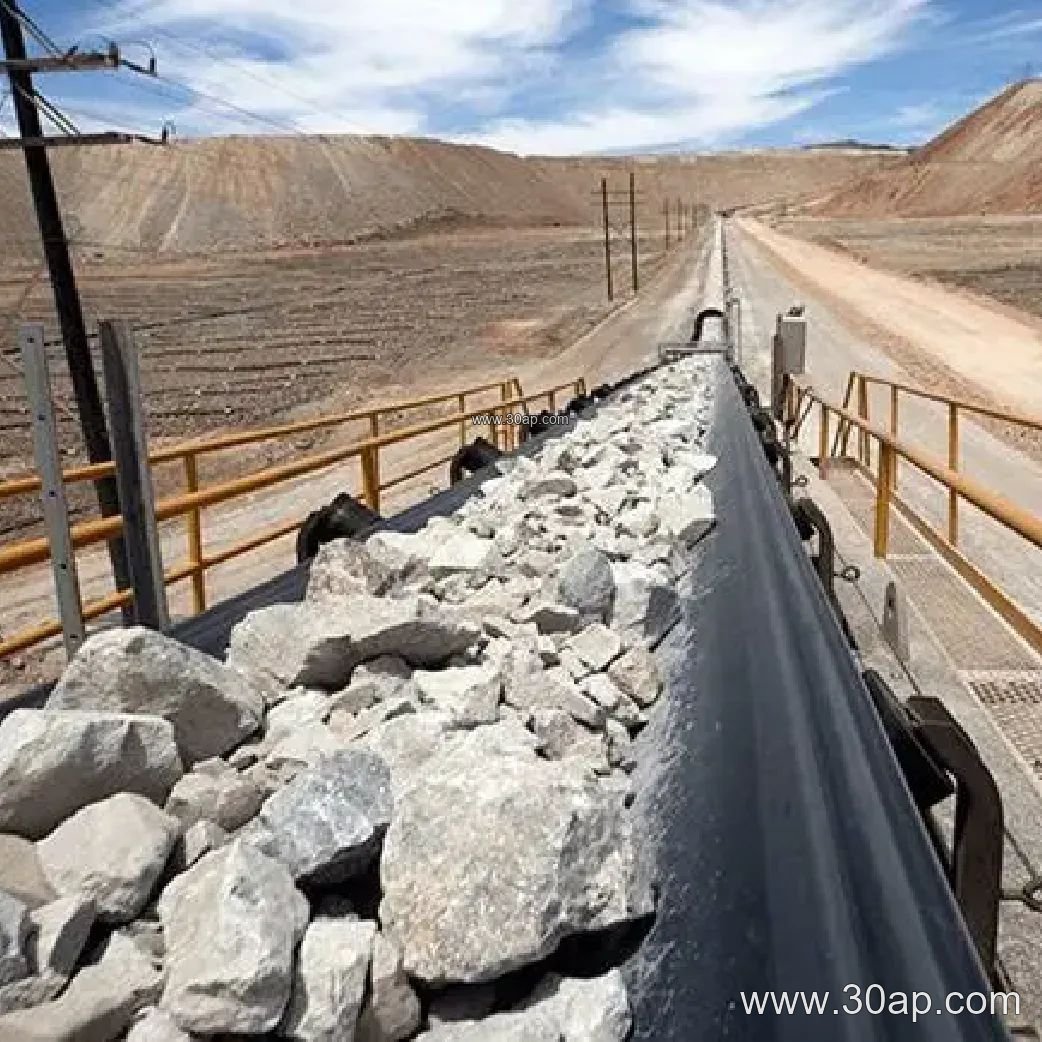
The classic position is the loading zone, typically the first few idler stations after the feed point. In a sand and gravel line, that may be under a crusher discharge; in a cement plant it may sit below a clinker or raw meal transfer chute; in a power plant coal yard it protects the belt where coal drops from the stacker or tripper. Similar brackets appear in iron ore and copper ore handling, in sinter plants, and in port ship loading systems where large lumps arrive with speed.
It is worth separating this component from other frame parts. A troughing bracket carries the normal carrying idlers along the run, a return bracket supports the belt on its way back, and a bend pulley or drive pulley is a completely different item that changes belt direction. The impact idler bracket is defined by its location and its role: absorbing load, not guiding or driving.
For more on matching belts and rollers to these frames, see conveyor belt and idler roller references.
Matching Bracket, Belt Width, and Roller Size
Selection starts with the belt width and the trough angle used on the carrying side, then moves to the roller diameter the frame can accept. The table below shows typical reference combinations; these are examples, not fixed rules, and final values should follow the conveyor design.
| Belt Width | Trough Angle | Common Roller Diameter | Typical Use |
|---|---|---|---|
| B650 | 30 degrees | Ø89 | Small aggregate and sand lines |
| B800 | 35 degrees | Ø108 | General quarry and cement duty |
| B1000 | 35 degrees | Ø108 or Ø133 | Coal and ore transfer points |
| B1200 | 45 degrees | Ø133 | Heavy loading, high drop height |
| B1400 | 35 degrees | Ø159 | Power plant and port conveyors |
| B1600 | 45 degrees | Ø159 or Ø194 | Large lump material, primary crushing |
| B1800 | 35 degrees | Ø194 | High capacity bulk handling |
Adjustable brackets allow the trough angle to be set between common values such as 20, 30, 35, and 45 degrees, which helps when a conveyor is re-tensioned or when the loading conditions change. Forward-tilted arrangements, often around 1.5 to 2 degrees, are a separate detail used for training the belt, not a substitute for the impact function. Hole spacing and crossbeam length vary with belt width and trough angle, so the bracket should be ordered against the actual frame drawing rather than assumed from the belt width alone.
Buyer Checklist
- Confirm the belt width, trough angle, and roller diameter before ordering; do not infer one from another.
- Check whether the frame is bolted or welded and whether the bracket must be adjustable.
- Match the bracket material and thickness to the drop height and lump size at the loading point.
- Verify hole pitch and crossbeam length against the existing stringer dimensions.
- Consider the belt type above it: an abrasion resistant conveyor belt or impact resistant conveyor belt may tolerate a shorter cushioning zone, but a heat resistant conveyor belt at a hot transfer point still needs proper support.
Installed correctly, the impact idler bracket is a low-maintenance item that quietly protects the belt, the idlers, and the surrounding structure. Check bolt tightness and frame squareness during routine inspections, and replace bent brackets before they distort the trough and start steering the belt.