What a Conveyor Frame Does on a Belt Conveyor
A conveyor frame is the structural backbone that holds the idler rollers, pulleys, and belt in correct alignment. In a quarry, cement plant, or coal handling system, it carries the weight of the conveyor belt and the material being moved. The frame keeps the belt tracking properly and ensures the idlers stay at the right height and angle. Without a sturdy frame, even a high-quality belt and pulley set would fail quickly.
Materials and Construction
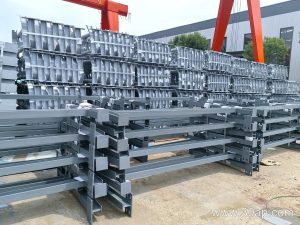
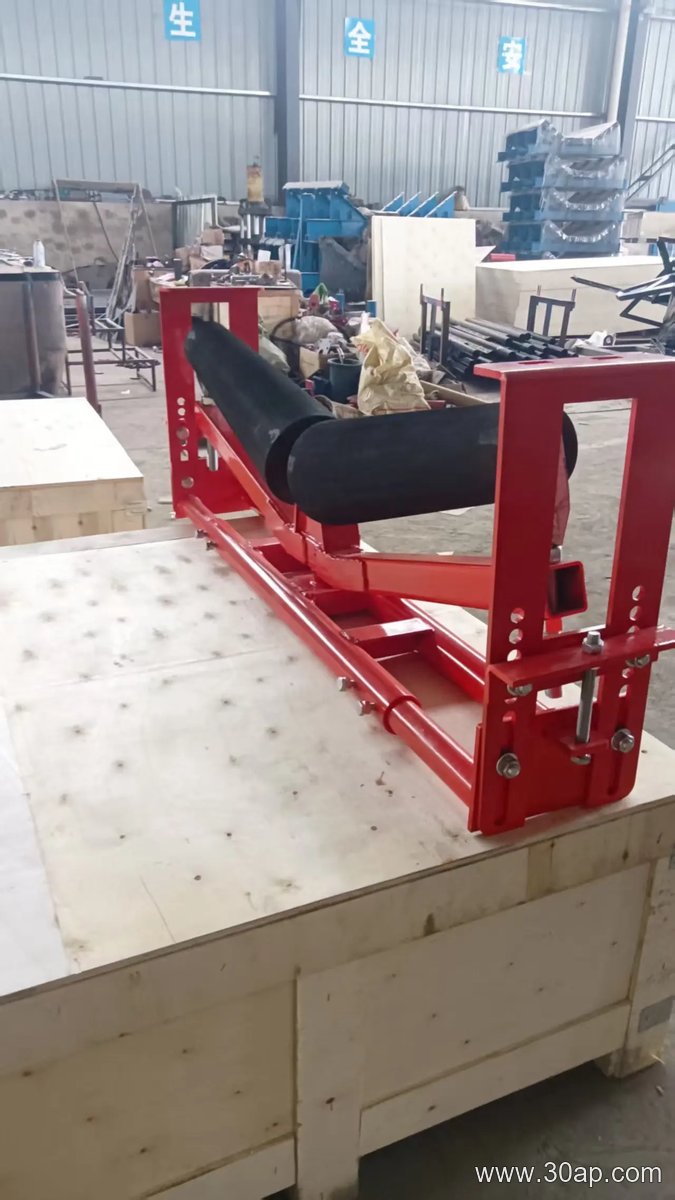
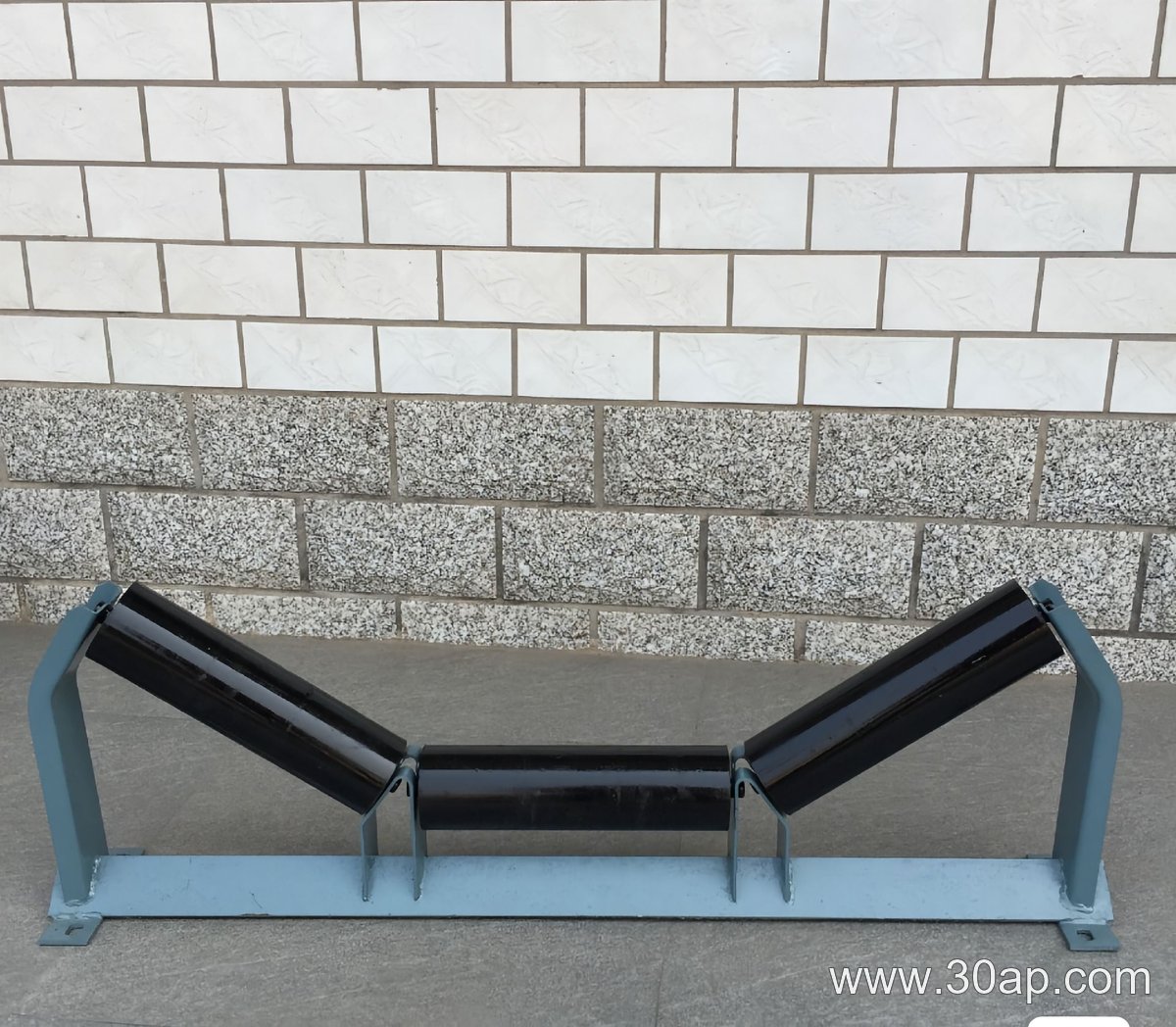
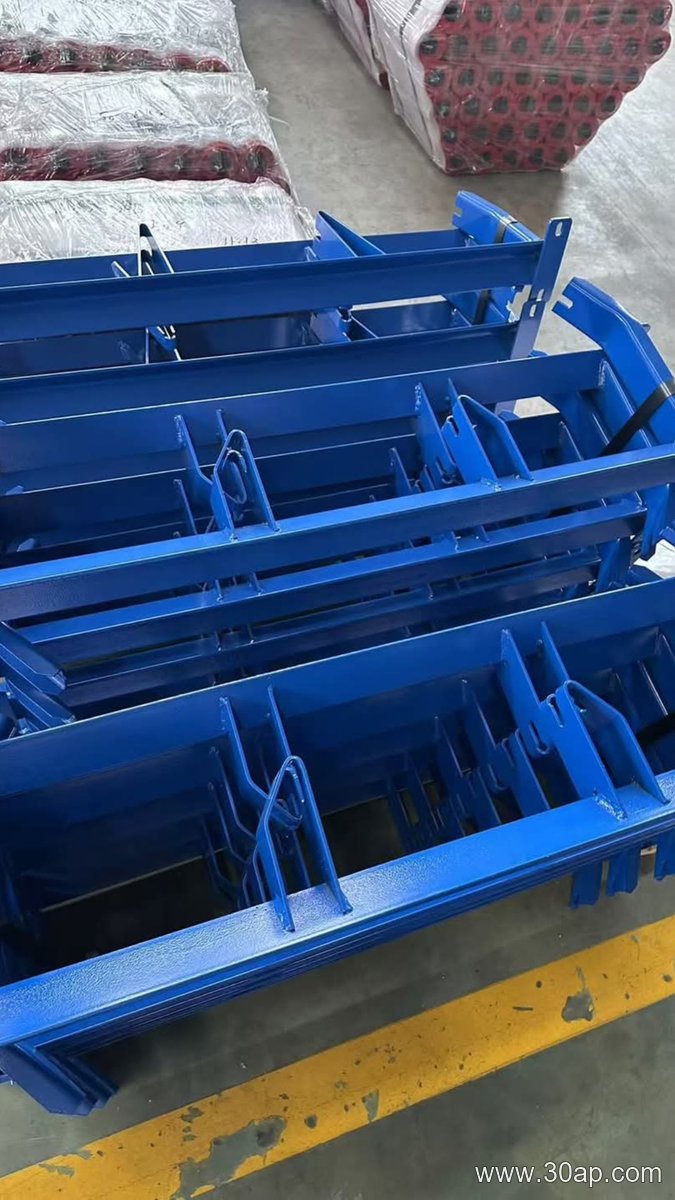
Most frames are made from angle steel, channel steel, or folded steel plate. The choice depends on the load, belt width, and environmental conditions. For example, a frame in a dusty cement plant may use folded plate for easier cleaning, while a heavy-duty mining application often uses channel steel for extra rigidity. The frame typically includes cross beams, mounting brackets, and support legs. The conveyor bracket that connects the frame to the idlers is a critical point—it must resist vibration and impact from falling material.
Common Frame Types and Their Roles
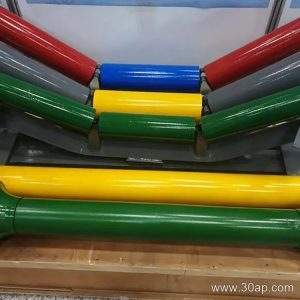
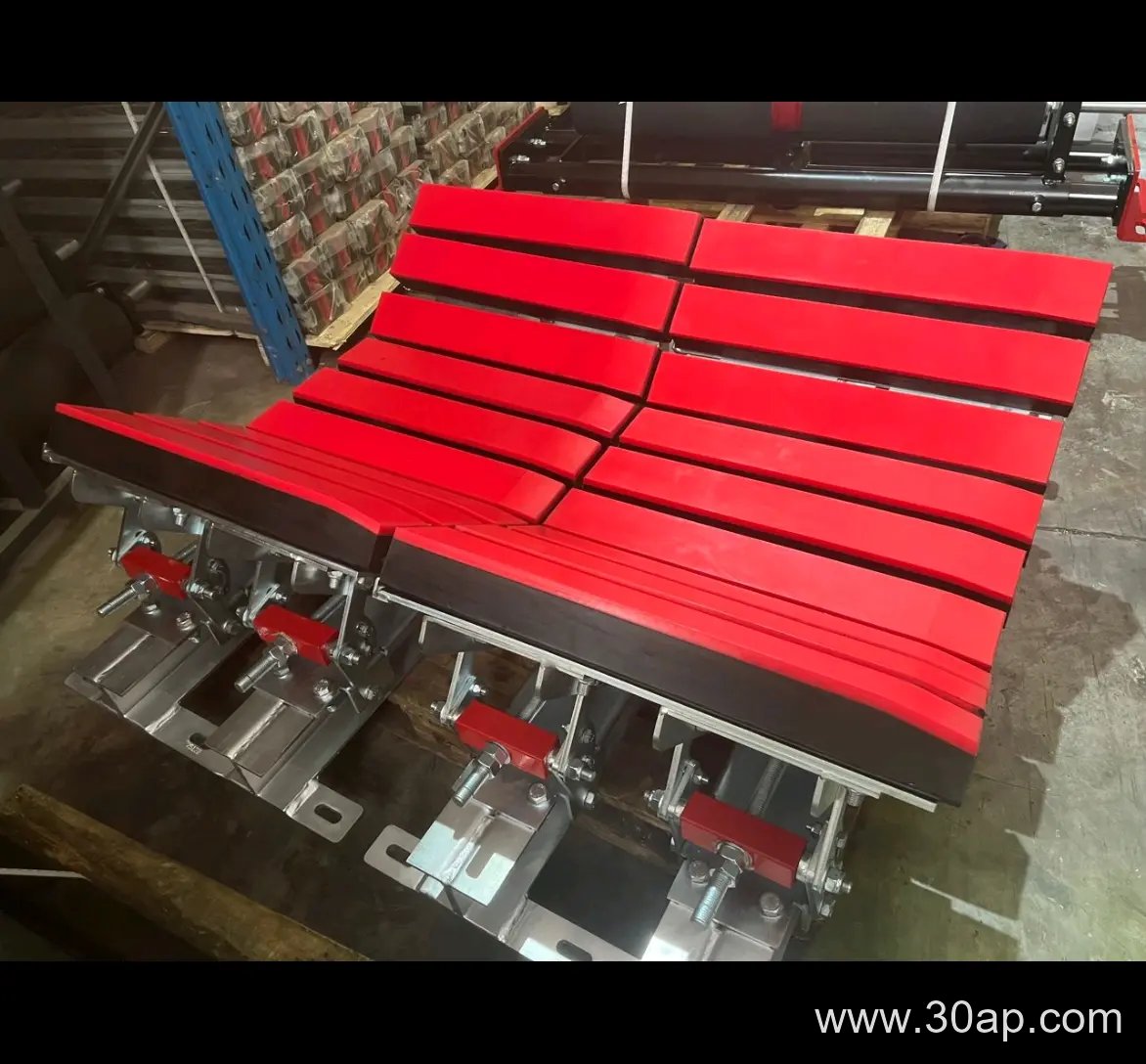
Different sections of a conveyor need different frame designs. A troughing idler frame supports the belt in a trough shape, while a return frame holds the belt on the return side. Transition frames help the belt change from flat to troughed. A V-return frame is used to keep the return belt centered. An impact frame with buffer idlers is placed under the loading point to absorb shock. An adjustable frame allows the trough angle to be changed on site—commonly between 20, 30, 35, and 45 degrees. Self-aligning frames include forward-tilting idlers (about 1.5 to 2 degrees) to correct belt misalignment.
Typical Frame Specifications by Belt Width
| Belt Width | Common Trough Angle | Typical Idler Diameter |
|---|---|---|
| B500 | 20° – 30° | Ø89 |
| B650 | 30° – 35° | Ø89 – Ø108 |
| B800 | 35° – 45° | Ø108 |
| B1000 | 35° – 45° | Ø108 – Ø133 |
| B1200 | 35° – 45° | Ø133 – Ø159 |
| B1400 | 35° – 45° | Ø159 – Ø194 |
These combinations are common references, not fixed rules. A B800 frame can work with different idler diameters depending on load and belt speed. Hole spacing and beam length change with belt width and trough angle, so they are always determined by design.
Where Conveyor Frames Are Used
You will find them in gravel pits, limestone mines, iron ore beneficiation, coal washing plants, power plant coal yards, and aggregate crushing lines. In a tunnel boring project, the frame must be compact and resistant to moisture. In a fertilizer plant, corrosion-resistant coatings may be needed. The frame works together with the conveyor belt, idler roller, and conveyor pulley. A misaligned frame will cause the belt to rub against the pulley or fall off the idlers, leading to downtime.
Selection Tips for Buyers
- Match the frame to the load: Heavy ore requires thicker steel and larger idler diameters than a grain silo application.
- Consider the environment: Dust, moisture, and temperature affect material choice and surface treatment.
- Check adjustability: An adjustable frame lets you fine-tune trough angle after installation, which is useful when belt tracking changes with load.
- Verify mounting dimensions: The distance between idler mounting holes and the overall beam length must match your idlers and belt width. Do not assume a standard size without checking the drawing.
- Plan for maintenance: Frames with bolted connections are easier to replace than welded ones. Keep spare brackets on hand for high-wear zones.
Installation and Maintenance Basics
Install the frame on a level foundation or stringers. Align it perpendicular to the belt centerline. After installation, run the belt empty and check for tracking. If the belt drifts, adjust the self-aligning idlers or the frame position. Regularly inspect for loose bolts, bent beams, or corrosion. In a sand and gravel line, impact frames under the crusher discharge may need monthly checks. A small repair now prevents a major belt failure later.
Whether you are building a new conveyor or upgrading an existing one, the frame is not just a static support—it actively influences belt life, energy consumption, and safety. Choose a design that fits your material, tonnage, and site conditions, and always confirm dimensions with your supplier before ordering.