What an EP300 Conveyor Belt Is
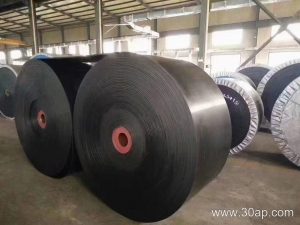
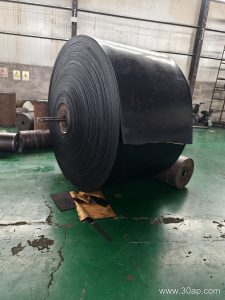
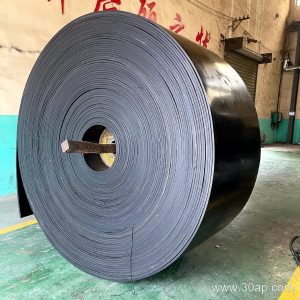
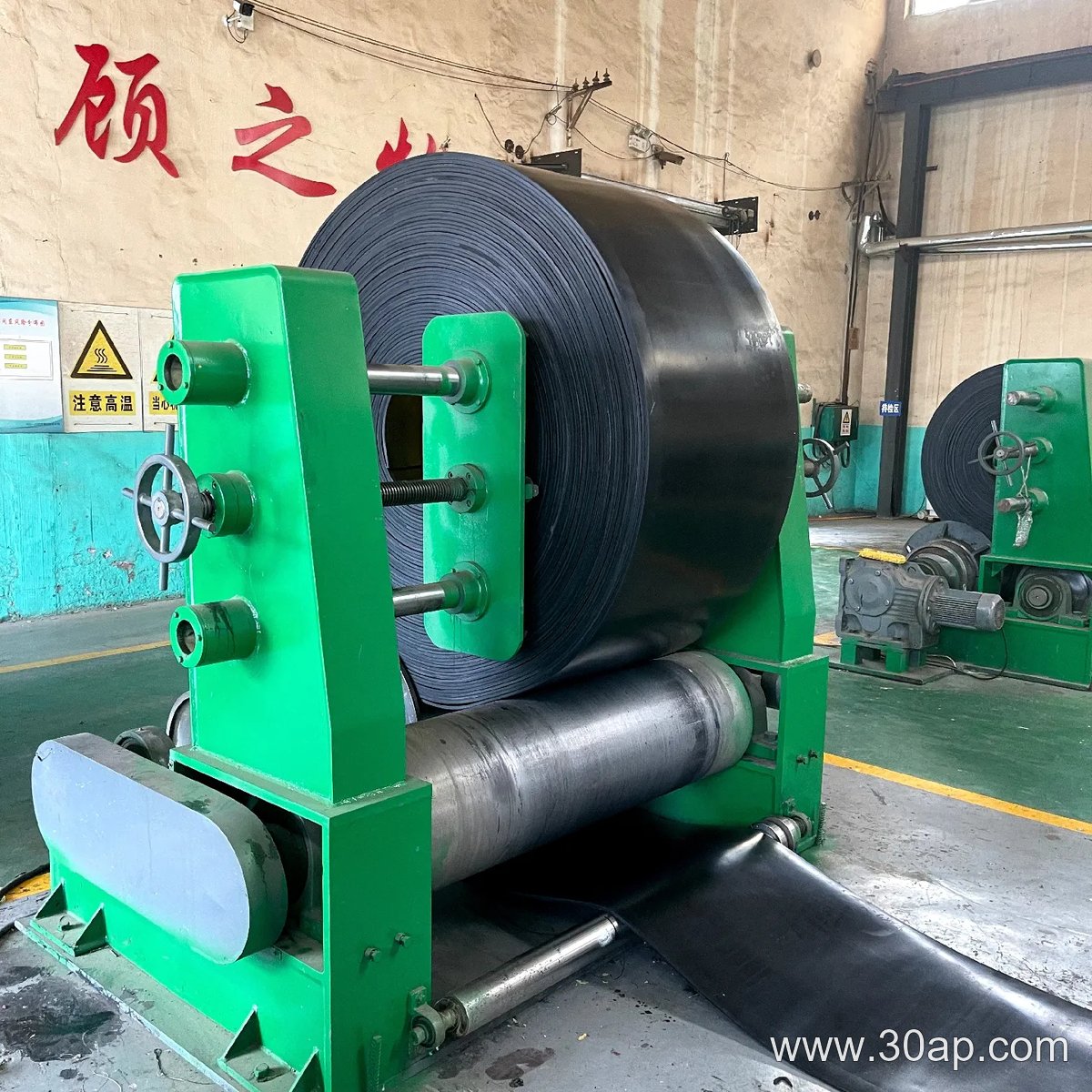
An EP300 conveyor belt is a multi-ply rubber belt built on a polyester warp and polyamide weft carcass, commonly called an EP or polyester-nylon belt. The number 300 refers to the nominal tensile strength of the carcass, usually expressed in newtons per millimetre of belt width. In practice, an EP300 belt sits in the middle-to-upper range of fabric-reinforced belts, so it is chosen when a plain EP200 belt is too light for the load but a steel cord belt would be more than the conveyor requires.
Because the carcass stretches very little under load, this belt type is a practical choice for long horizontal runs, inclined haulage and duty that involves frequent starts. It is a belt, not a pulley, so it should not be confused with drive, tail or bend pulleys, which are separate components of the same conveyor.
Construction and Surface Options
A typical build combines two to six fabric plies with rubber covers on both faces. Cover thickness is usually written as top plus bottom, for example 4+2 mm, 5+2 mm or 6+2 mm, and thicker covers suit sharper, more abrasive material. The carcass provides strength while the covers protect the fabric from impact, wear and moisture.
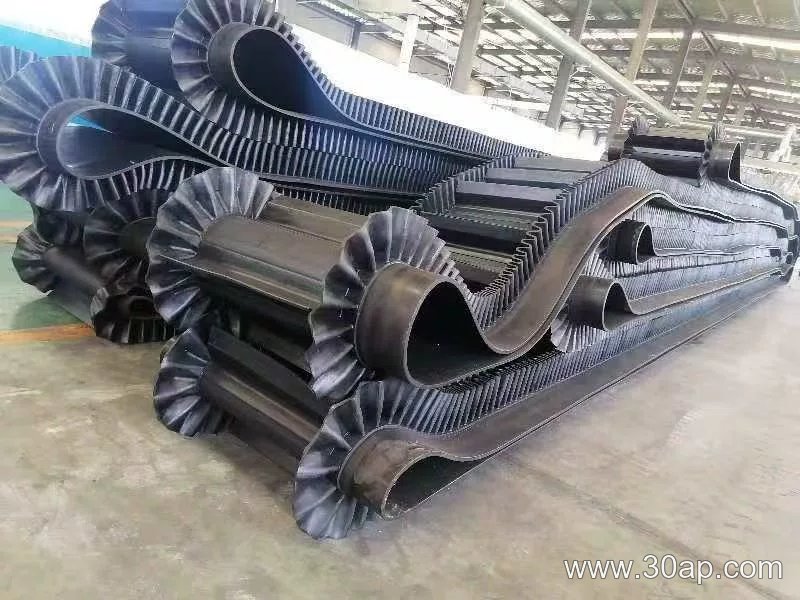
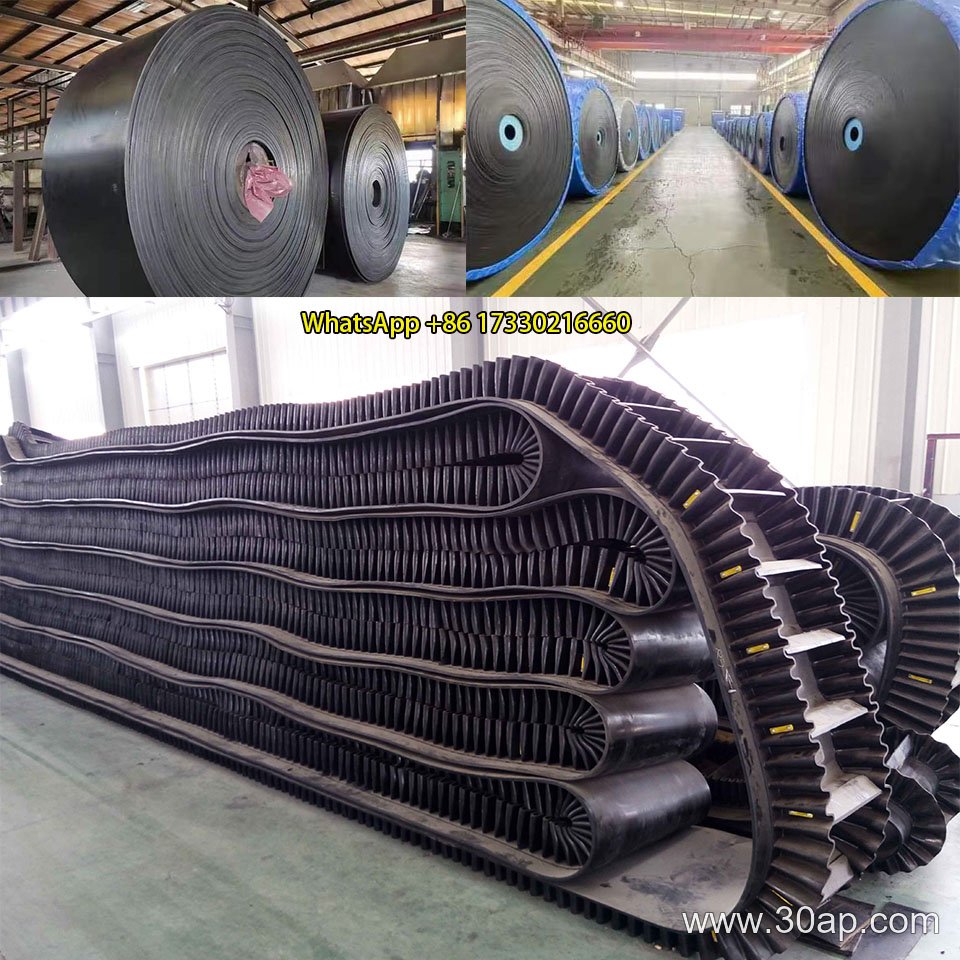
Common variants include abrasion-resistant, heat-resistant, oil-resistant, flame-retardant and antistatic grades, as well as cold-resistant and acid-alkali-resistant versions. Surface forms such as chevron or herringbone profiles and corrugated sidewalls are used where extra grip or material containment is needed. These are surface treatments of the same belt family, not different products.
Typical Specifications
The table below lists common reference values. Actual figures are confirmed by the manufacturer and by the conveyor design, so treat them as a starting point rather than a fixed promise.
| Item | Common range |
|---|---|
| Strength grade | EP200, EP315, EP400, EP500, EP630, EP800, EP1000, EP1250, EP1600, EP2000 |
| Belt width | B500, B650, B800, B1000, B1200, B1400, B1600, B1800, B2000 |
| Cover thickness | 3+1.5, 4+2, 5+2, 6+2, 8+3 mm |
| Carcass plies | 2 to 6 layers |
An EP300 belt is often supplied in widths such as B800 or B1000 for medium-duty plants, while wider B1400 or B1600 belts appear in high-throughput primary haulage. Width and pulley diameter are matched through the conveyor design, not by a single fixed rule, and shaft diameter is always calculated from the actual load and torque rather than from belt width alone.
Where It Is Used
- Mines and quarries handling crushed rock, ore and overburden
- Coal preparation plants and stockyard conveyors
- Cement plants moving clinker, limestone and additives
- Power stations transporting coal and ash
- Sand and gravel yards, ports and bulk terminals
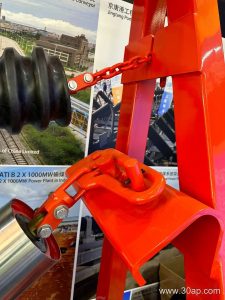
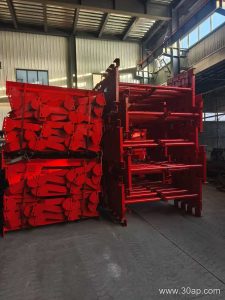
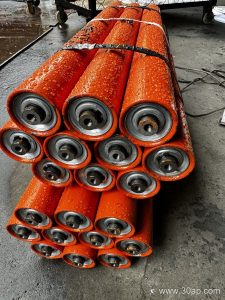
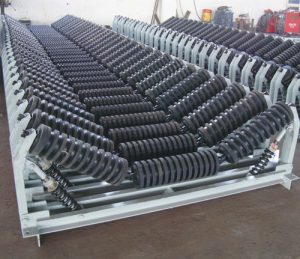
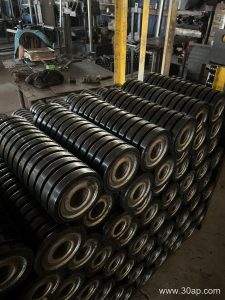
In these settings the belt works together with idler rollers that support the load, conveyor pulleys that drive and redirect it, and conveyor brackets that hold the structure together. A properly aligned idler roller set reduces edge wear, while a correctly sized drive pulley improves grip and lowers slip.
Selection and Maintenance Notes
Choosing an EP300 belt starts with the material being carried: lump size, density, temperature, moisture and abrasiveness all affect the cover grade and ply count. The next step is the conveyor geometry, including length, incline, trough angle and the number of pulleys. A belt that is too stiff for small pulleys can crack, and one that is too light for the impact zone will fail early.
During operation, check belt tracking, cover wear, splice condition and idler roller rotation. Keep the tail and bend pulleys clean, and confirm that the drive pulley lagging still provides friction. Storing belts away from direct sunlight and ozone sources helps preserve the rubber.
For a buyer, the useful questions are simple: what strength grade is required, what width and cover thickness suit the duty, which surface form is needed, and how will the belt be spliced on site. Answering these before ordering avoids a mismatch between an EP300 conveyor belt and the rest of the conveyor system.