What the Drive Pulley Does
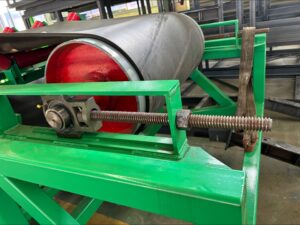
A drive pulley, also called a head pulley when it sits at the discharge end, is the powered drum that transfers torque from the gearbox to the conveyor belt. Friction between the pulley surface and the belt cover pulls the loaded strand forward, so this component sits at the heart of the tension and traction balance in a conveyor. A tail pulley or bend pulley only redirects or returns the belt and is not a substitute for the drive unit; each has a distinct role in the same conveyor layout.
Drive pulleys appear across quarry lines, coal preparation plants, cement clinker circuits, power station coal handling, port bulk terminals, and aggregate crushing and screening plants. In each case the drum must match the belt, the load, and the duty cycle rather than follow a single fixed formula.
Construction and Surface Options
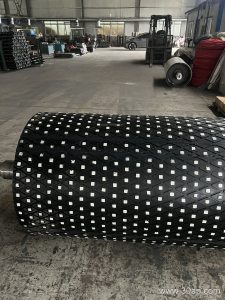
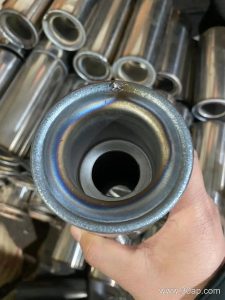
The drum body is usually a rolled steel shell welded to end discs, with a shaft keyed or shrink-fitted through the hubs. Common surface forms include plain finish, cast rubber, cold-bonded rubber, hot-vulcanized rubber, diamond grooving, herringbone grooving, and ceramic lagging. Lagging thickness is commonly 8, 10, 12, 15, or 20 mm, and the choice depends on grip demand, abrasion, and whether the belt carries a wet or oily load.
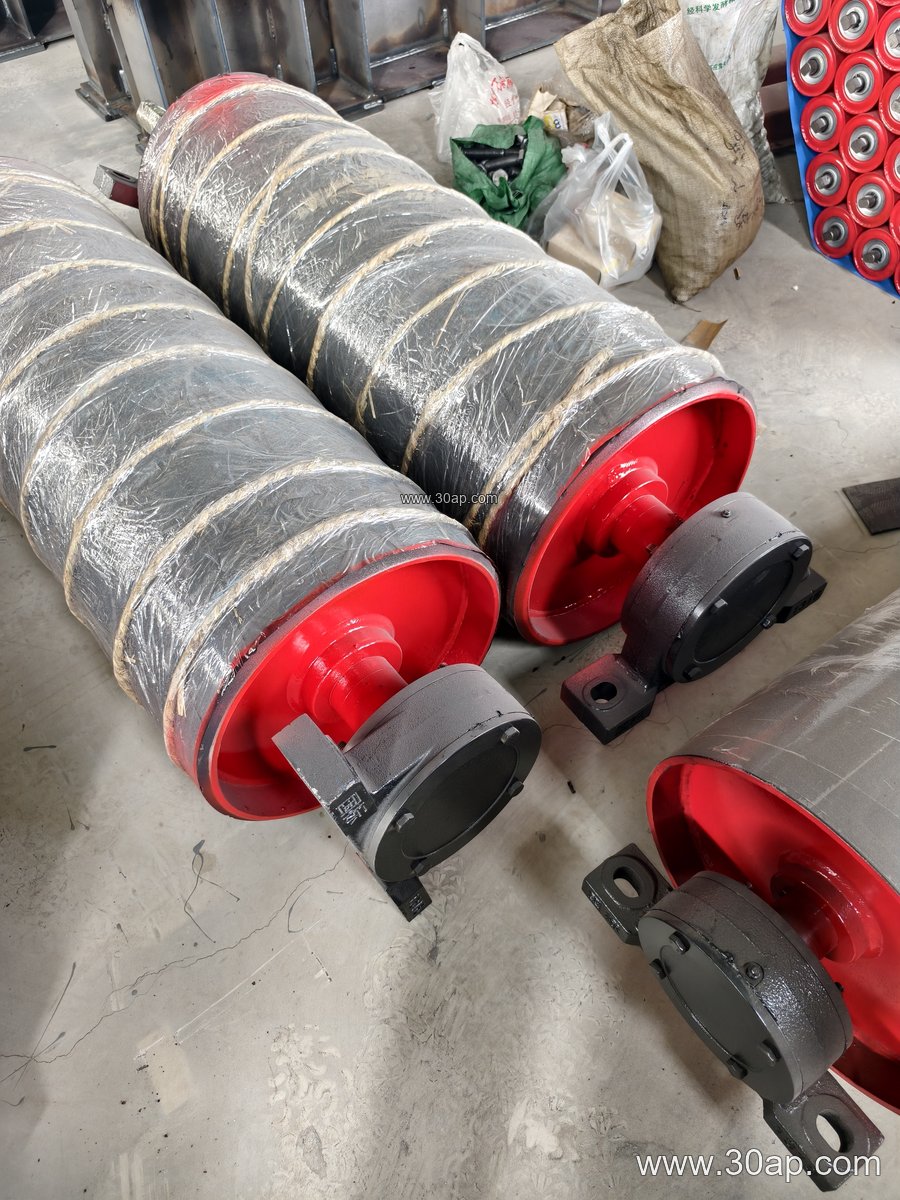
Shaft diameter is determined by torque and radial load, not by belt width alone. Typical shaft sizes range from Ø50 to Ø200, and the final value should come from the drive calculation. Shell diameter is often selected from a range such as Ø200, Ø250, Ø315, Ø400, Ø500, Ø630, Ø800, Ø1000, Ø1250, or larger, with the diameter chosen to give enough belt wrap angle and to limit bending stress on the shaft.
Matching Drive Pulley to Belt Width
Face width is normally wider than the belt so the belt stays supported during minor tracking movement. Reference pairings often look like this:
| Belt width | Typical pulley face width | Example drum combination |
|---|---|---|
| B400 | about 500 mm | B400 × Ø250 |
| B500 | about 600 mm | B500 × Ø315 |
| B650 | about 750 mm | B650 × Ø400 |
| B800 | about 950 mm | B800 × Ø500 |
| B1000 | about 1150 mm | B1000 × Ø630 |
| B1200 | about 1400 mm | B1200 × Ø1000 |
| B1400 | about 1600 mm | B1400 × Ø800 |
| B1600 | about 1800 mm | B1600 × Ø1000 |
| B1800 | about 2000 mm | B1800 × Ø1250 |
| B2000 | about 2200 mm | B2000 × Ø1400 |
These are reference examples, not fixed pairings. A wide belt can run on more than one drum diameter depending on speed, wrap angle, and tension. The belt itself also matters: a heavy-duty mining conveyor belt or a steel cord conveyor belt carries different tension than a lightweight fabric core belt, so the drum and shaft must be sized together with the belt specification.
Where It Fits in the Conveyor
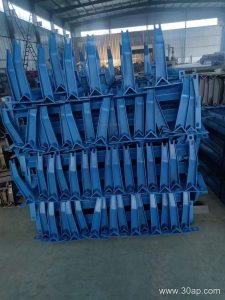
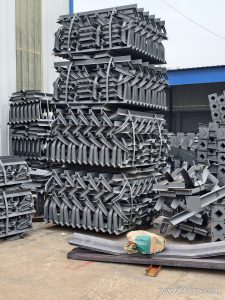
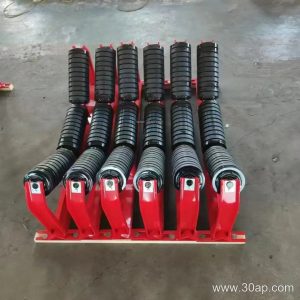
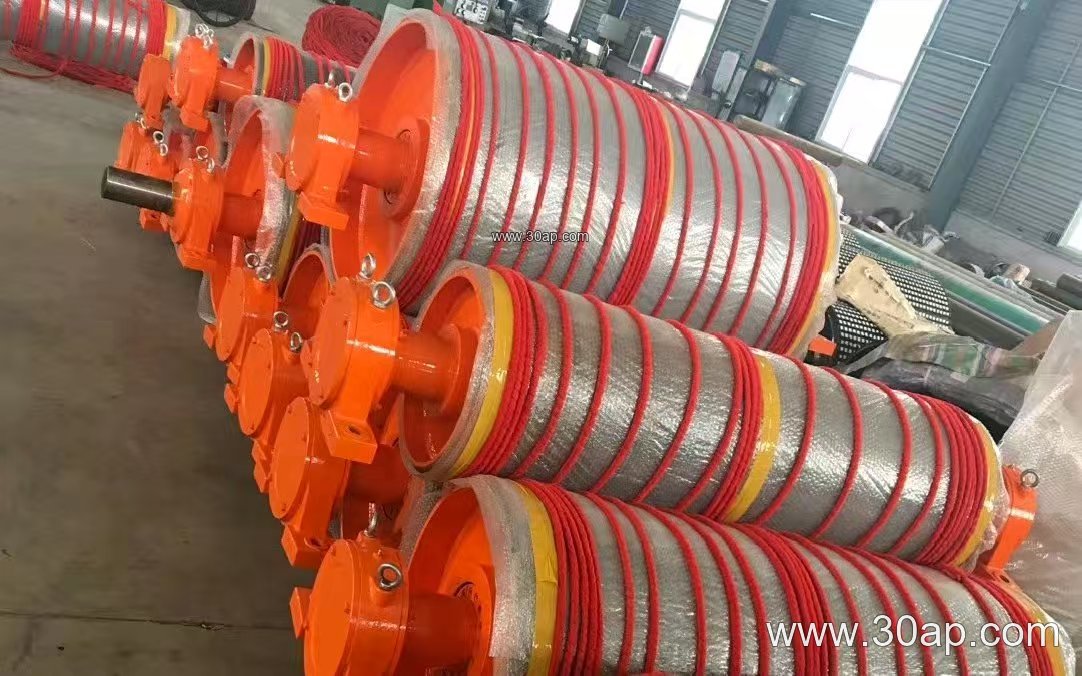
In a typical transfer point the drive pulley is mounted on a sturdy frame with conveyor brackets and bearing housings, working with idler rollers that support the belt along the route. The return strand may pass over a bend pulley or snub pulley to increase wrap angle on the drive drum. In underground coal mining conveyor systems, flame retardant and anti-static belt grades are often specified, and the drive pulley lagging must be compatible with that belt cover. In a copper ore or iron ore line, abrasion resistant belt covers and ceramic or rubber lagging help extend service life under sharp, dusty loads.
For steep or confined routes, a pipe conveyor belt or a corrugated sidewall belt may be used, and the drive pulley then needs enough friction to handle the added belt mass. A chevron conveyor belt or skirted conveyor belt changes the belt profile but does not change the basic traction principle at the drum.
Buyer Checklist
- Confirm the belt width and belt type, for example an EP conveyor belt, NN conveyor belt, or steel cord conveyor belt, before fixing drum dimensions.
- State the required wrap angle and whether a snub or bend pulley will be added.
- Ask for the lagging form and thickness, such as 10 mm diamond rubber or 15 mm ceramic lagging.
- Provide the calculated torque and radial load so the shaft diameter is sized correctly.
- Check bearing size, keyway, and mounting bolt pattern against the existing conveyor bracket.
- For coal mining or underground coal mining service, confirm the flame retardant and anti-static requirements of the belt and drum covering.
- Plan a spare lagging kit or replacement drum for high-wear points in a quarry conveyor or crusher conveyor circuit.
Maintenance is mainly about keeping the lagging clean and checking for wear, belt misalignment, and bearing temperature. A worn drive pulley surface reduces traction and can cause belt slip, so periodic inspection of the lagging and shaft seal is worth more than any single specification on paper. Use the drum data together with the belt data, and let the conveyor duty decide the final size.