What an EP800 Conveyor Belt Is
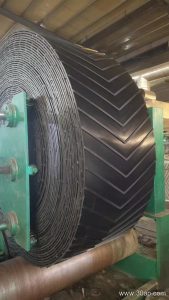
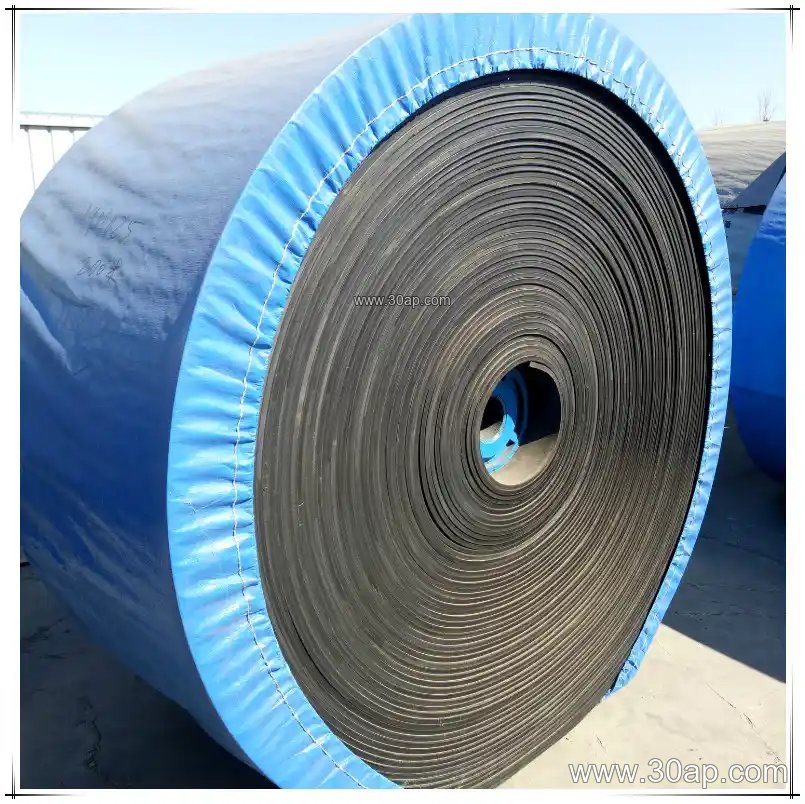
An EP800 conveyor belt is a fabric-reinforced rubber belt built on polyester-cotton (EP) carcass plies, with a nominal tensile strength of 800 N/mm per ply width. It sits in the middle-upper range of the EP series, above EP630 and below EP1000, which makes it a common choice for main haulage lines in mines, cement plants, power stations and sand and gravel yards where loads are heavy but the duty is not extreme enough to require a steel cord belt. In everyday site language it is often simply called an EP800 belt or an 800-grade EP conveyor belt.
Construction and Layer Arrangement
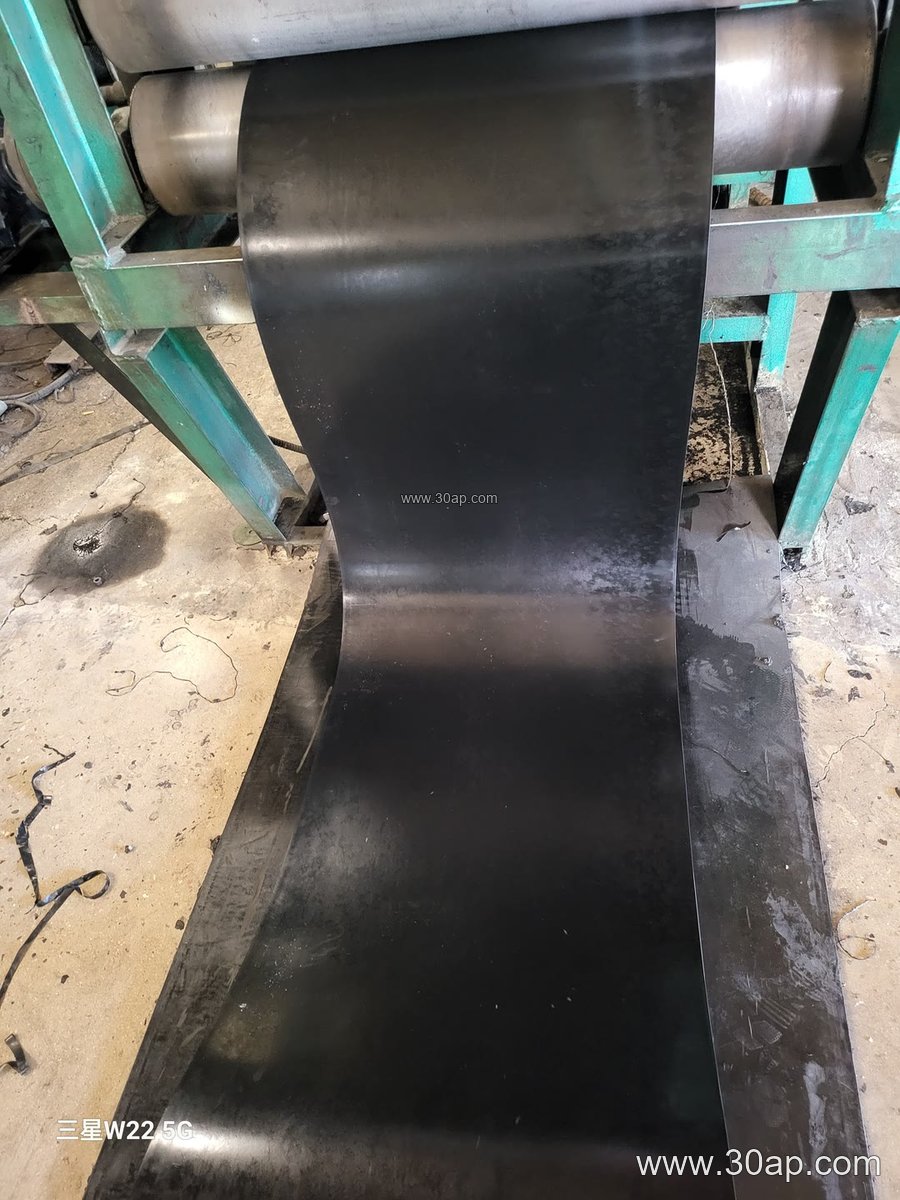
The carcass is the load-bearing part. EP fabric plies are bonded with rubber skim compound, then covered on both faces with abrasion-resistant rubber. A typical build for this grade uses 2 to 6 plies depending on the required safety factor and the pulley and idler spacing on the conveyor.
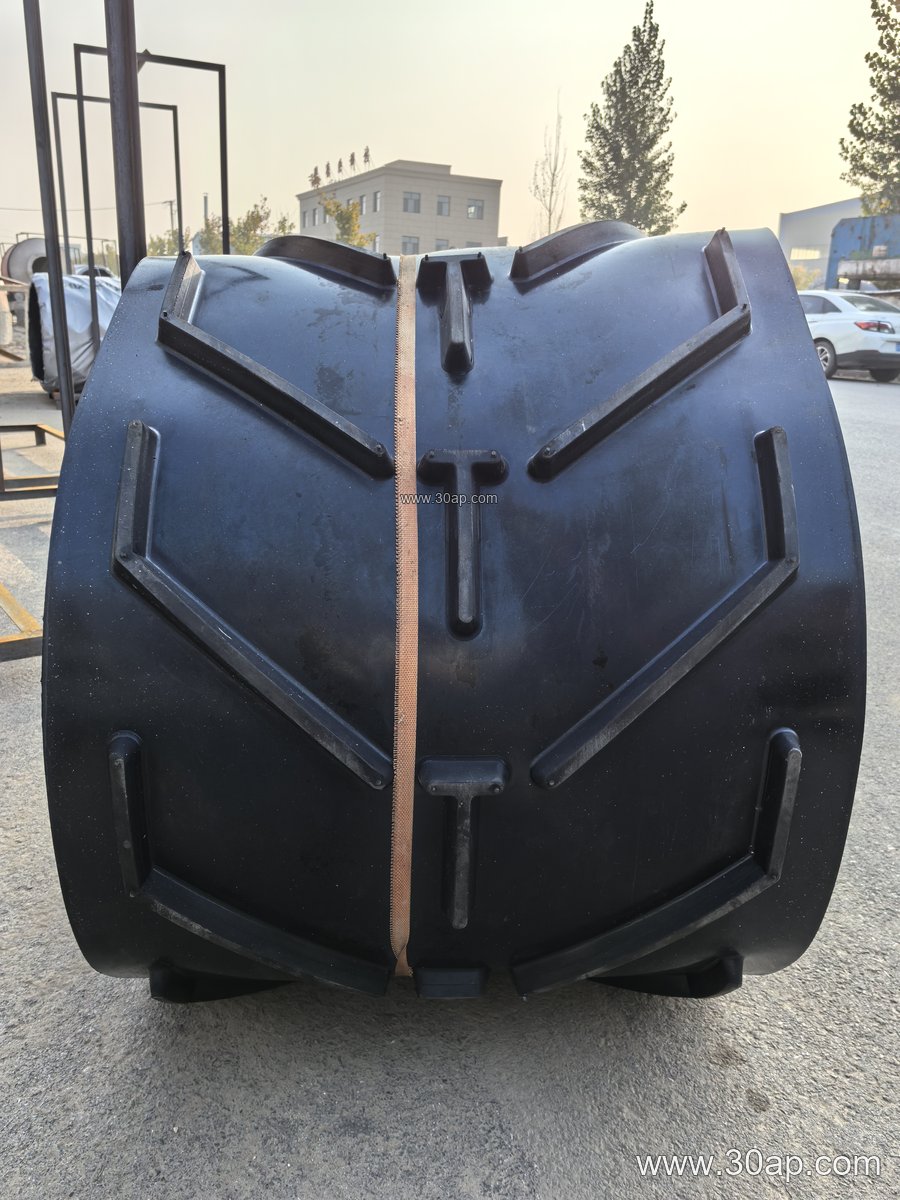
Cover thickness is usually quoted as top plus bottom, for example 4+2 mm, 5+2 mm or 6+2 mm. Heavier covers suit sharp, coarse material such as run-of-mine ore or crushed stone; thinner covers are adequate for sized aggregate or cement clinker after cooling. The belt edges may be cut square or molded, and the grade can be supplied in wear-resistant, heat-resistant, oil-resistant, flame-retardant and antistatic versions for coal, cement and power plant service.
Common Reference Data
The values below are typical reference ranges, not fixed pairings and not a supply commitment. Final construction is set by the conveyor design.
| Item | Common reference values |
|---|---|
| Strength grade | EP800 (series also includes EP200 to EP2000) |
| Belt width | B650, B800, B1000, B1200, B1400, B1600 |
| Number of plies | 2 to 6 |
| Cover thickness (top+bottom) | 3+1.5, 4+2, 5+2, 6+2, 8+3 mm |
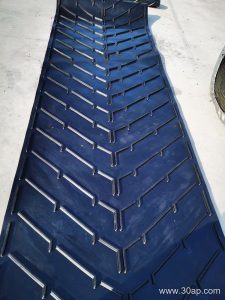
| Surface forms | plain, patterned, chevron, corrugated sidewall |
Belt width and pulley diameter are selected together with the drive calculation, not from a single table. A wider belt does not automatically require one specific pulley size, and shaft diameter must come from the pulley manufacturer’s torque and load analysis.
Where It Fits in a Conveyor Line
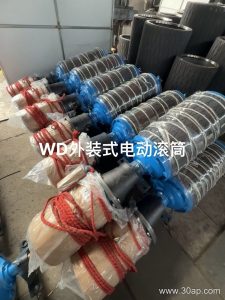
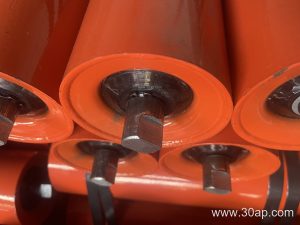
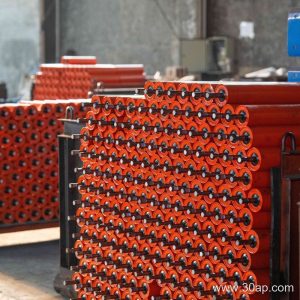
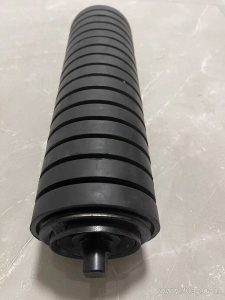
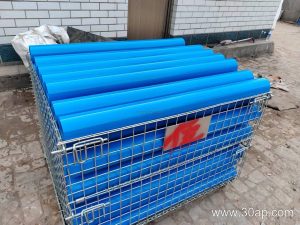
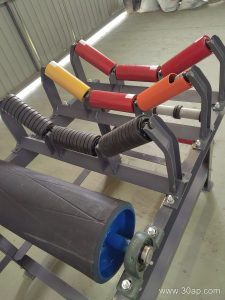
This belt is normally carried on troughing idler rollers and returned on flat return rollers, running over a drive pulley at the head, a tail pulley at the loading end and bend pulleys where the route changes direction. These pulley roles are not interchangeable, and each has its own diameter and lagging requirement. Support frames, conveyor brackets and take-up units complete the structure.
Typical duty points include primary crushed ore transport in a mine, limestone and clinker lines in a cement works, coal yard and boiler feed conveyors in a power plant, and washed aggregate transfer in a sand and gravel plant. Because the EP carcass tolerates reasonable impact and flexing, it also suits mobile and semi-mobile crushing stations.
Selection Points for Buyers
- Confirm the calculated maximum belt tension and the required safety factor before fixing the number of plies.
- Match cover grade to the material: abrasive, hot, oily, or requiring flame retardancy and antistatic properties in coal service.
- Check minimum pulley diameters recommended for the selected carcass, and keep transitions and transitions at the tail end smooth.
- Review loading conditions with the chute design; impact idlers and adequate edge distance reduce damage.
- Ask for the splice method and step length so the joint strength matches the carcass.
Installation and Maintenance Notes
Correct tracking starts at installation. Align the structure, set the idler rollers square to the belt centre line, and tension the belt according to the take-up design rather than by feel. Inspect the drive pulley lagging and the tail pulley for material build-up, since buildup is a frequent cause of edge damage. Check cover wear at the loading point and at the first bend pulley, and repair small cuts before they reach the fabric plies. Store spare belts flat and out of sunlight, and record running hours so replacement planning is based on measured wear rather than guesswork.
An EP800 conveyor belt is not the answer for every line. Very long, high-tension routes may call for a steel cord construction, and light-duty lines may be better served by a lower EP grade such as EP400 or EP500. Matching the belt grade to the actual duty remains the most reliable way to control cost and downtime.