Understanding the Coal Mine Belt Conveyor Pulley
A coal mine belt conveyor pulley is a critical rotating component that drives, tensions, or redirects the conveyor belt in underground and surface coal handling systems. Often called a conveyor pulley in general industry, this component must withstand harsh conditions including abrasive coal dust, moisture, and heavy loads. In coal mining, the reliability of every pulley directly affects the continuous haulage of raw coal from the face to the preparation plant or stockyard.
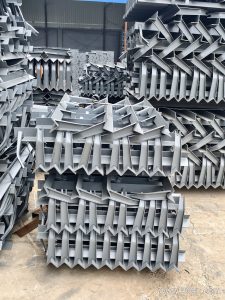
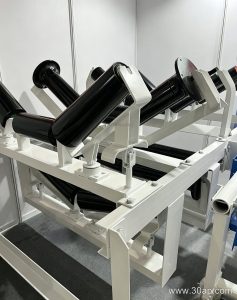
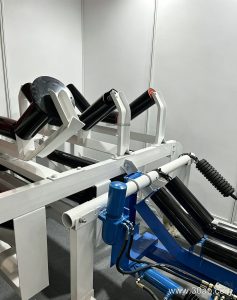
Unlike a standard conveyor pulley used in light-duty applications, the coal mine variant is built for high tension and impact. It works in tandem with the conveyor belt, idler roller, and conveyor bracket to maintain belt alignment and tension. The design typically includes a heavy-duty shell, reinforced shaft, and bearing housings sealed against fine coal particles.
Construction and Key Subtypes
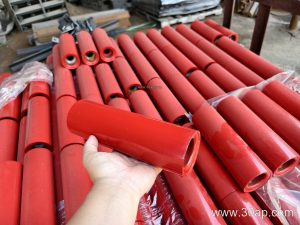
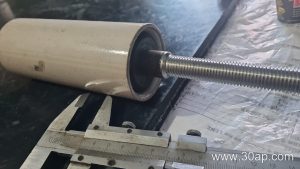
The construction of a coal mine belt conveyor pulley focuses on durability. The shell is usually made from rolled steel with machined end discs, and the shaft is sized according to torque and load requirements—common shaft diameters include Ø50 to Ø200 mm, but the exact value is determined by design, not by belt width alone. Surface treatment varies: plain steel, rubber lagging (cold-bonded or hot-vulcanized), diamond grooving, or ceramic lagging for high-traction drives.
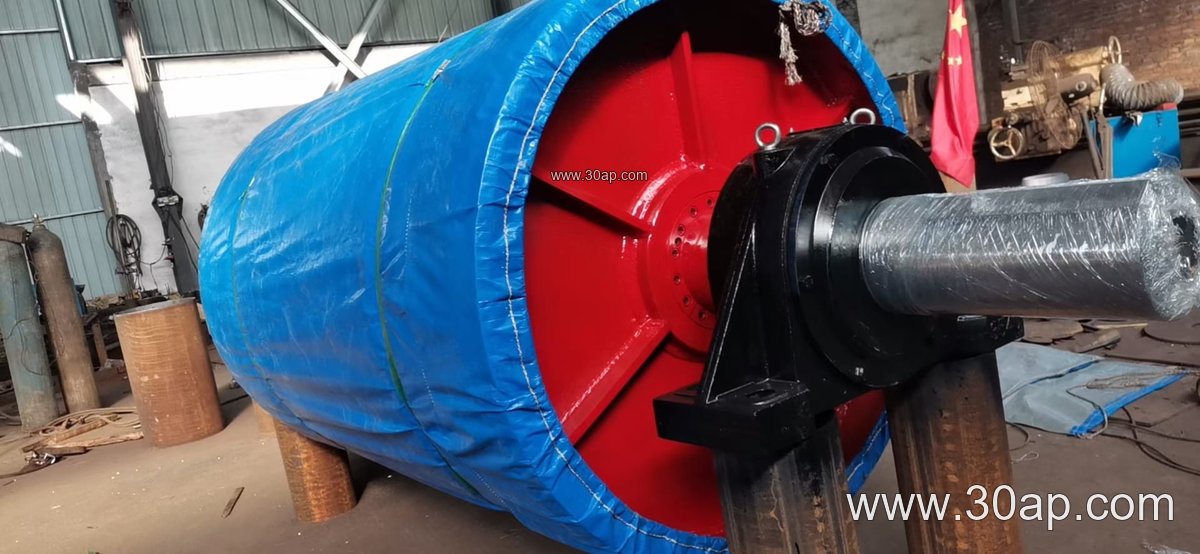
It is important to distinguish between subtypes. The drive pulley (also called head pulley) transmits power to the belt and often features lagging to increase friction. The tail pulley at the return end maintains belt tension and may have a self-cleaning profile. The bend pulley changes the belt direction without driving. These are not interchangeable names; each has a specific role in the conveyor system.
- Drive pulley – connected to the gearbox, provides motive force.
- Tail pulley – located at the opposite end, often adjustable for tension.
- Bend pulley – redirects the belt path, especially in confined underground roadways.
For comparison, a tension pulley may be used in take-up systems, but it is a distinct subtype from the bend pulley. The coal mine environment often demands flame retardant and anti-static properties, so the accompanying flame retardant conveyor belt or fire resistant conveyor belt must be matched with pulleys that do not generate excessive heat or static.
Where It Is Used
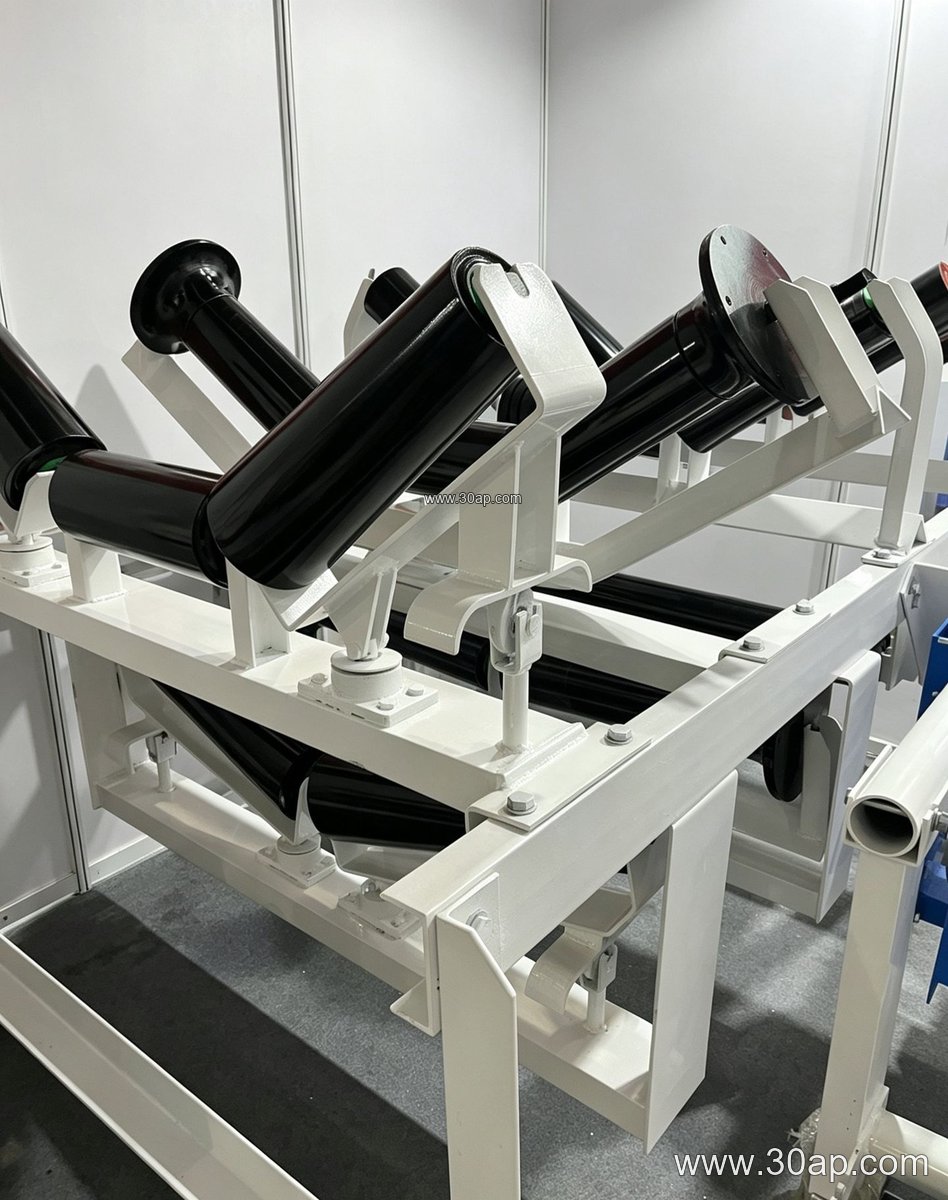
Coal mine belt conveyor pulleys are found in underground coal mining conveyor belts, surface haulage drifts, and transfer points. They are also common in coal preparation plants and power plant coal handling systems. In a typical longwall or room-and-pillar operation, the drive pulley is installed at the discharge end, while tail and bend pulleys guide the belt through curves and inclines.
The pulley must handle not only the weight of the belt and coal but also the dynamic loads from start-stop cycles. In aggregate and quarry operations, similar pulleys are used, but the coal mine version often requires additional sealing against fine dust and methane-rich atmospheres.
Specifications and Sizing Considerations
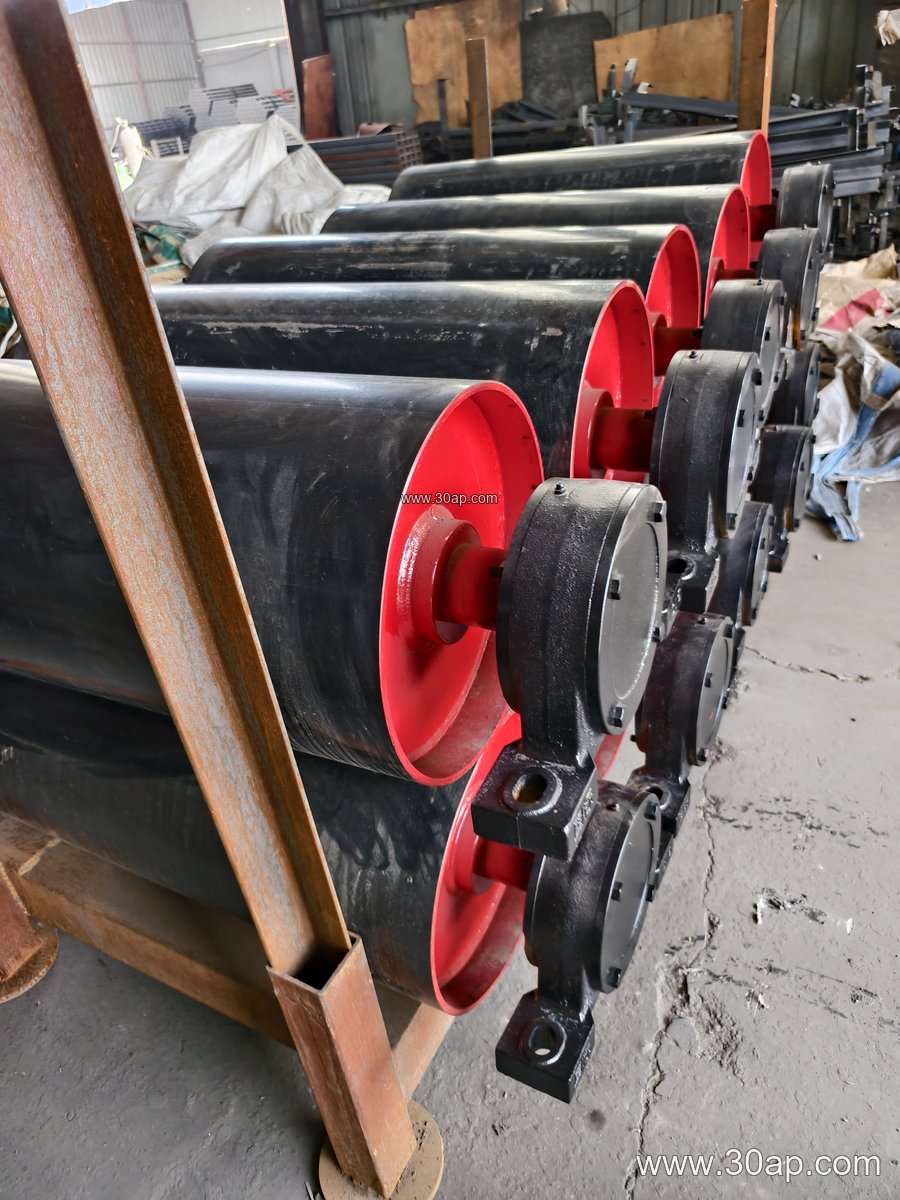
When specifying a coal mine belt conveyor pulley, engineers consider belt width, pulley diameter, face width, shaft diameter, and lagging type. The table below lists common reference values; these are not mandatory for every conveyor and should be confirmed with the pulley manufacturer.
| Parameter | Common Reference Range | Notes |
|---|---|---|
| Belt width (B) | B400 to B2400 | Pulley face width is usually wider than belt, e.g., B800 ≈ 950 mm face |
| Pulley diameter (Ø) | Ø200 to Ø1800 | Selected based on belt tension and space; no fixed belt-diameter pairing |
| Shaft diameter | Ø50 to Ø200 | Determined by torque and load, not by belt width alone |
| Lagging thickness | 8, 10, 12, 15, 20 mm | Diamond or ceramic lagging for drive pulleys |
| Surface type | Plain, rubber lagging, ceramic lagging | Hot-vulcanized rubber preferred for high abrasion |
For example, a B1200 conveyor might use a Ø1000 drive pulley with 15 mm diamond lagging, while a B800 system could employ a Ø500 tail pulley. These combinations are illustrative; the final choice depends on the conveyor’s power, speed, and safety factor. The pulley must also be compatible with the EP conveyor belt or steel cord conveyor belt selected for the mine.
What Buyers Should Know
Buyers of coal mine belt conveyor pulleys should verify the shaft material, bearing type (often spherical roller bearings), and sealing arrangement. In underground coal mining, pulleys must be designed to minimize the risk of static build-up; pairing them with an anti-static conveyor belt is common practice. Also, consider the lagging replacement method—cold-bonded lagging can be replaced on site, while hot-vulcanized lagging offers longer service life but requires workshop facilities.
Maintenance is another key point. Regular inspection of the pulley surface for wear and checking bearing temperature can prevent unplanned stoppages. When replacing a pulley, ensure that the new unit’s face width and shaft diameter match the conveyor bracket and bearing housings. Do not assume that a pulley from a different belt width will fit without verification.
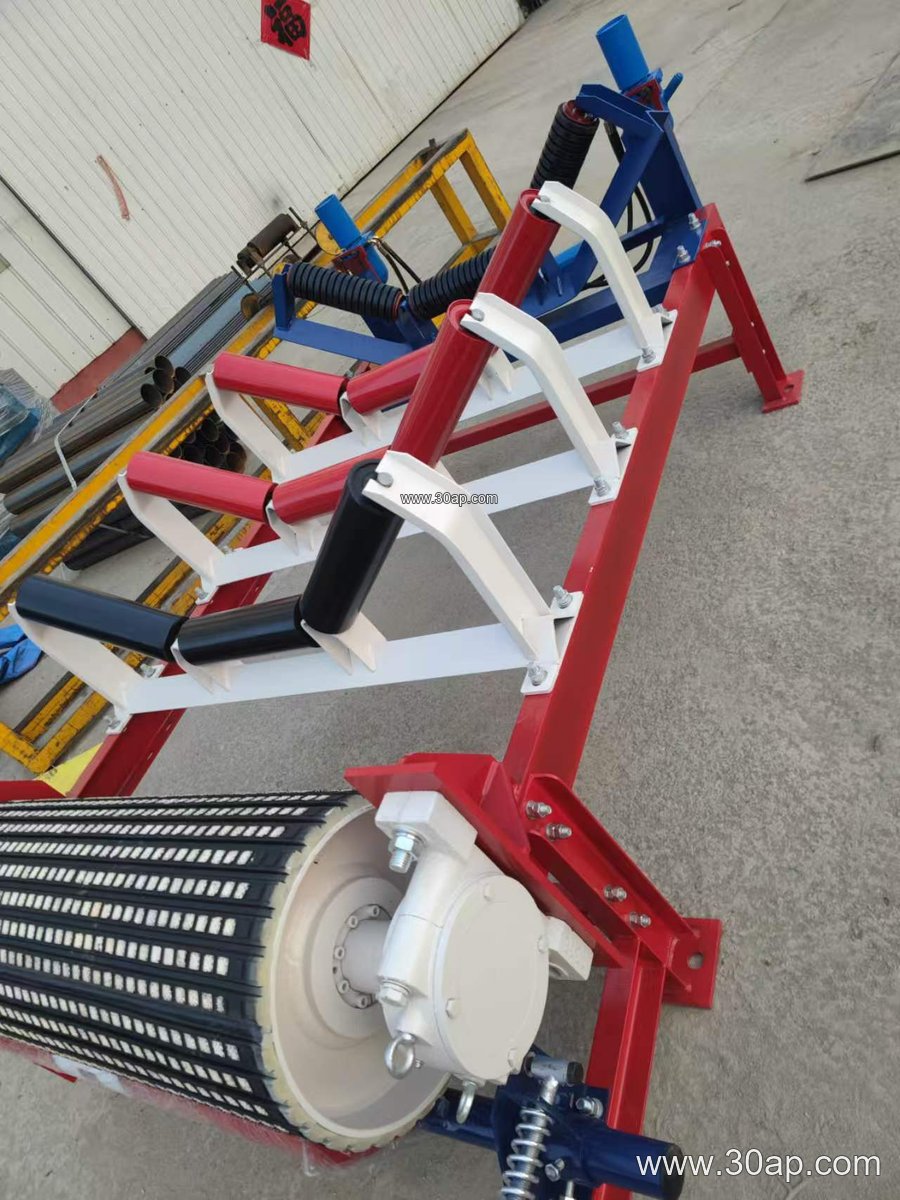
For more information on compatible conveyor components such as conveyor pulley assemblies and idler roller sets, consult your conveyor system supplier. At https://www.example.com/conveyor-pulley you can find additional technical notes, and https://www.example.com/coal-mine-conveyor-pulley offers guidance specific to coal mining applications.
Matching with Conveyor Belts and Accessories
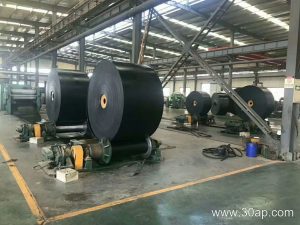
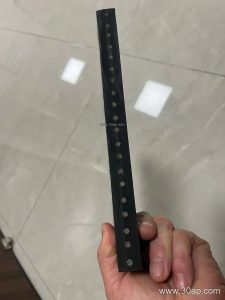
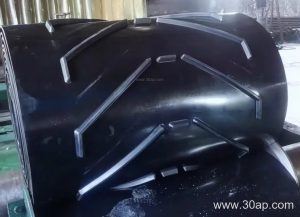
A coal mine belt conveyor pulley does not operate in isolation. It interacts with the conveyor belt (often a multi-ply fabric core or steel cord type), the idler roller that supports the belt, and the conveyor bracket that holds the pulley in place. In cement plants, power plants, and port bulk terminals, similar pulleys are used but with different lagging specifications. For coal, flame retardant and anti-static properties are paramount; thus, the pulley should be selected alongside a flame retardant conveyor belt or fire resistant conveyor belt to meet site safety requirements.
In summary, selecting the right pulley involves understanding the load profile, environmental conditions, and compatibility with the belt and structure. Always request detailed drawings and material certificates from the supplier to ensure the pulley meets the specific demands of your coal mining conveyor system.