What a Power Plant Conveyor Pulley Does
A power plant conveyor pulley is the rotating drum that drives, tensions, or redirects the belt in a coal handling or ash transport line. On a typical coal-fired unit, the conveyor system moves fuel from the stockyard or unloading point to the crusher house and then to the boiler bunkers. The pulley is the component that transfers motor torque into belt motion and keeps the belt tracking under load. In this article, the term refers to the drum assembly itself, also called a conveyor pulley or belt pulley drum.
Unlike a drive pulley, which transmits power, a tail pulley mainly controls belt tension at the return end. Bend pulleys change belt direction around take-up systems, and they are not interchangeable with drive or tail units. Each position imposes different loads, so the design must match the duty.
Construction and Main Components
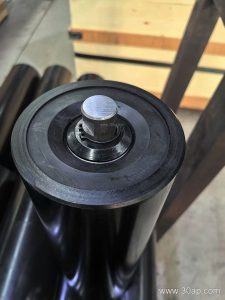
A power plant conveyor pulley usually consists of a cylindrical shell, two end discs, a shaft, hub assemblies, and bearing housings. The shell may be seamless tube or rolled plate, machined at the ends for concentricity. Shafts are commonly sized by torque and radial load rather than belt width alone. Typical shaft diameters include Ø80, Ø100, Ø120, Ø140, Ø160, and Ø180, but final sizing follows the conveyor design.
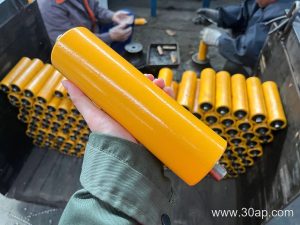
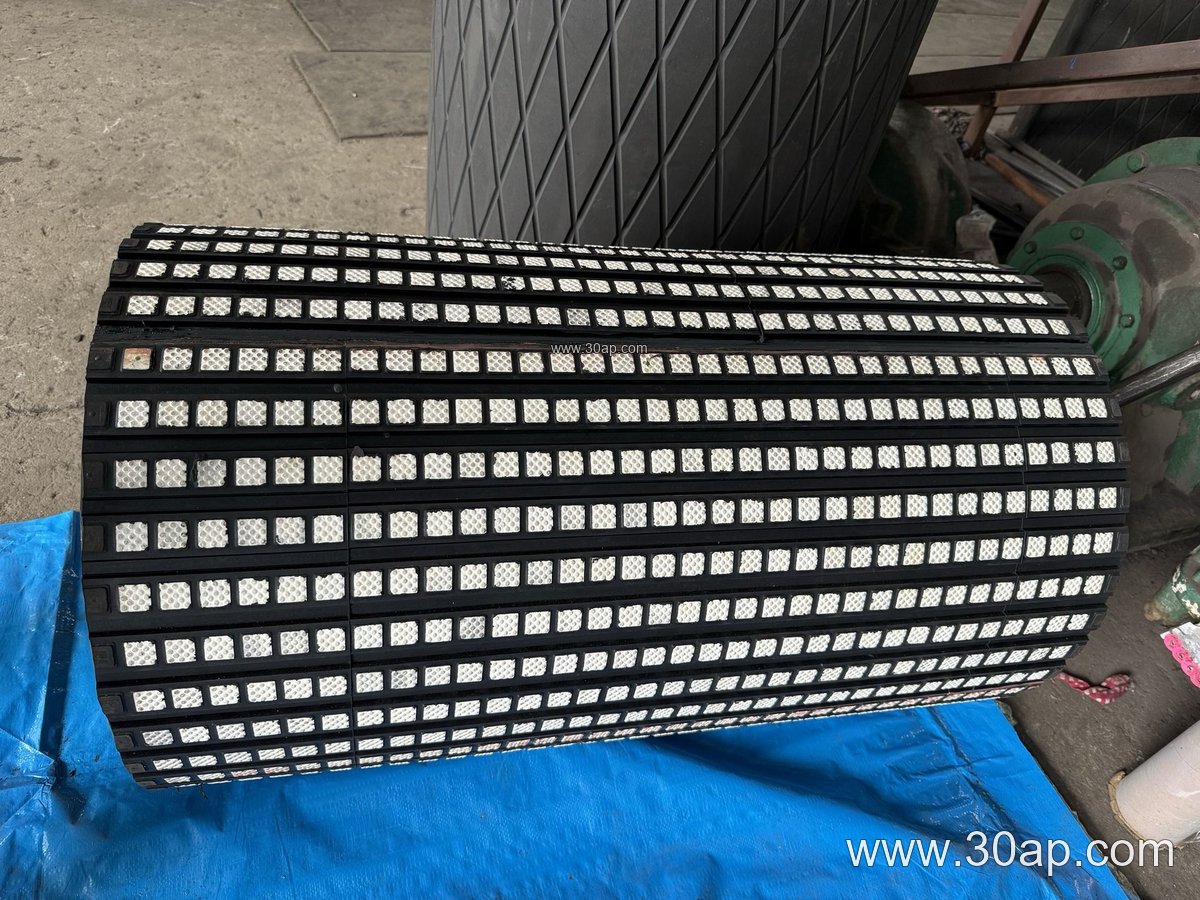
Surface treatment matters in coal handling because fine coal dust and moisture reduce friction. Common surface forms include plain, hot vulcanized rubber, cold bonded rubber, diamond grooving, herringbone grooving, and ceramic lagging. Lagging thickness is often 8, 10, 12, 15, or 20 mm depending on grip requirements. A drive pulley in a wet coal yard may use diamond lagging, while a bend pulley may stay plain to reduce buildup.
Common Reference Dimensions
The table below shows typical combinations used in plant design. These are reference values, not fixed rules, and actual selection depends on belt tension, speed, and load.
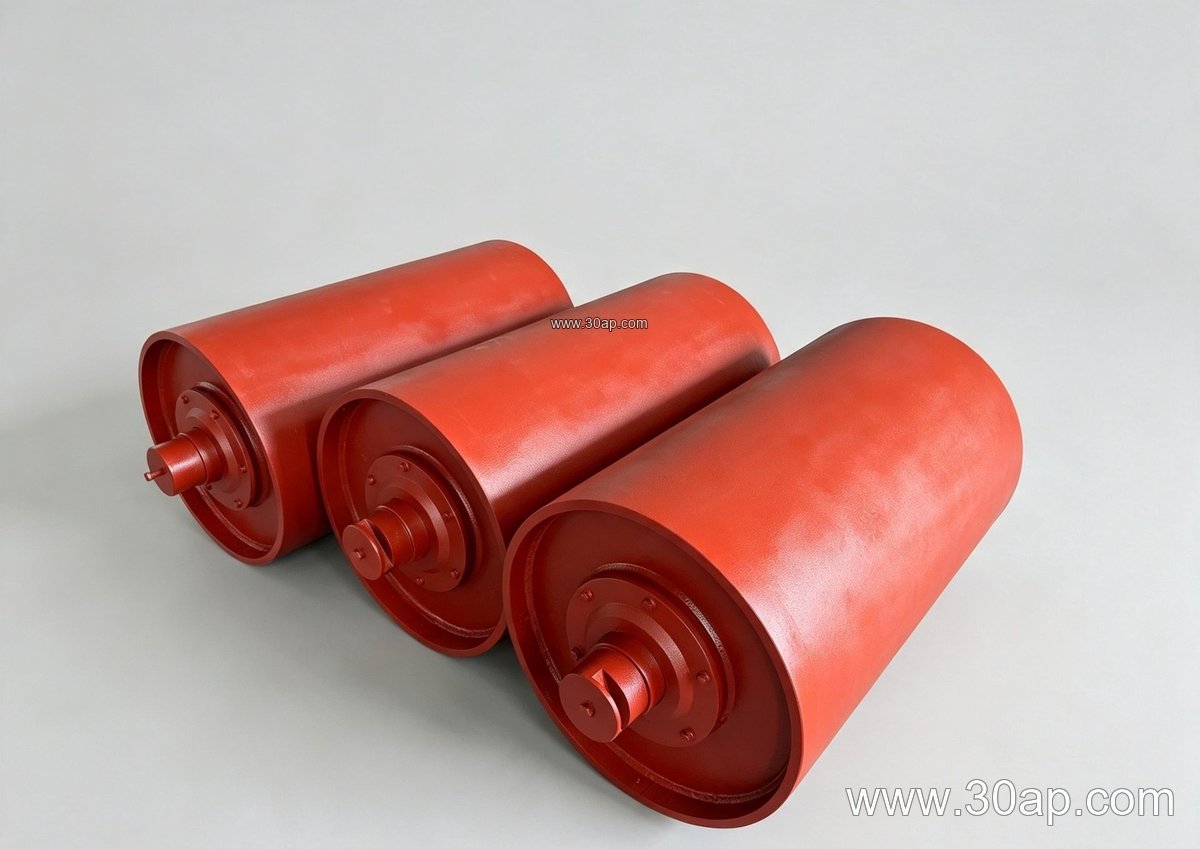
- B800 × Ø500, shell face about 950 mm
- B1000 × Ø630, shell face about 1150 mm
- B1200 × Ø800, shell face about 1400 mm
- B1400 × Ø1000, shell face about 1600 mm
- B1600 × Ø1250, shell face about 1800 mm
Belt width and pulley diameter are matched by tension and wrap angle, not by a single formula. A B1200 system can use different diameters at the head, tail, and bend positions.
Where It Fits in the Coal and Ash Circuit
In a power plant, the head or discharge pulley sits at the transfer tower, where coal drops onto the next belt or into a bunker. The tail pulley at the loading point absorbs impact and keeps the belt centered. Take-up bend pulleys maintain tension as the belt stretches. In ash handling and limestone preparation areas, pulleys face abrasive dust and occasional washdown, so lagging and bearing seals deserve attention.
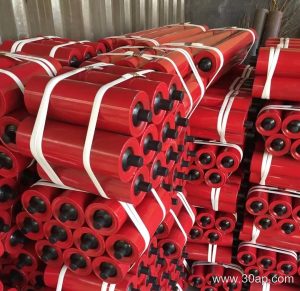
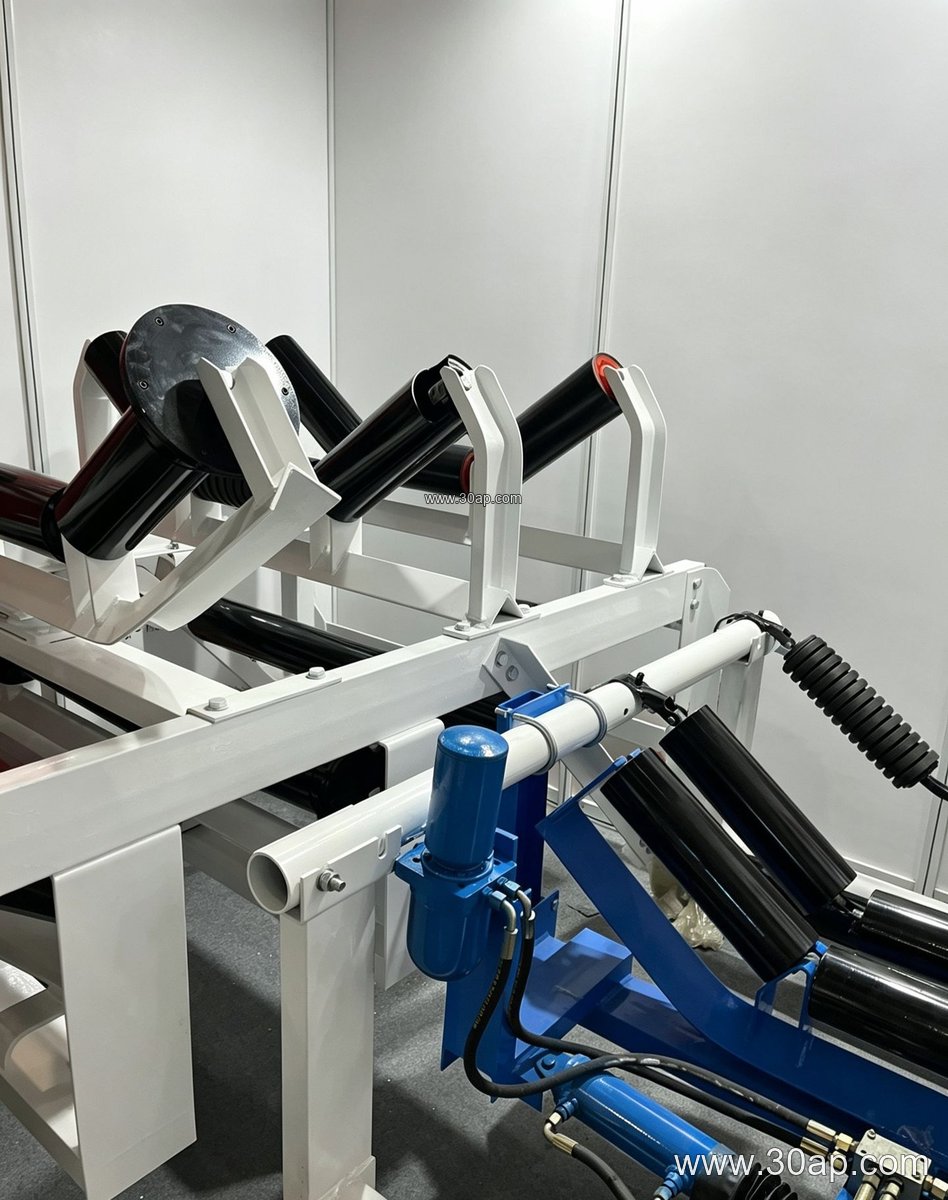
The pulley works with the conveyor belt, idler rollers, and conveyor brackets. A poorly aligned pulley can wear the belt edge and overload the idlers. In plants handling high-moisture coal, a self-cleaning lagging pattern helps reduce material carryback.
Buyer Checklist
Before ordering, confirm the pulley position, belt width, belt speed, and expected tension. Ask for the shaft diameter calculation basis, bearing type, and lagging specification. Check whether the pulley is balanced for the operating speed and whether the shell has a taper or crown. For dusty coal service, confirm bearing protection and inspection openings.
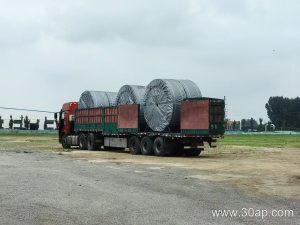
Also review the interface with the conveyor pulley mounting bracket and the take-up frame. Spare parts should match the original shaft and bearing dimensions. If the plant uses a steel cord conveyor belt or a heavy-duty fabric belt, the pulley lagging and diameter should suit the higher tension and stiffness of that belt.
Maintenance Notes
Inspect lagging wear, bolt tightness, and bearing temperature during scheduled outages. Coal dust ingress is a common cause of premature bearing failure. Keep the pulley face clean and verify belt tracking after any lagging replacement. Record shell diameter and lagging thickness so future replacements match the original design.