What a High-Strength Idler Is
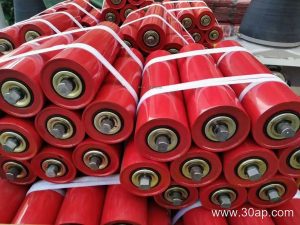
A high-strength idler is a carrying or return roller built with heavier wall tube, reinforced bearing housings, and a robust shaft so the idler roller can survive shock loading, abrasive dust, and long duty cycles on a conveyor belt. It is not a separate machine but a class of idler roller specified where standard rollers would wear out too quickly. In a coal washing plant or a limestone quarry, the difference shows up as fewer stoppages and less belt tracking trouble.
The same product is also described as a heavy-duty idler or reinforced idler roller. These are equivalent names for the same item; the drive pulley, tail pulley, and bend pulley are different components and are never substitutes for an idler.
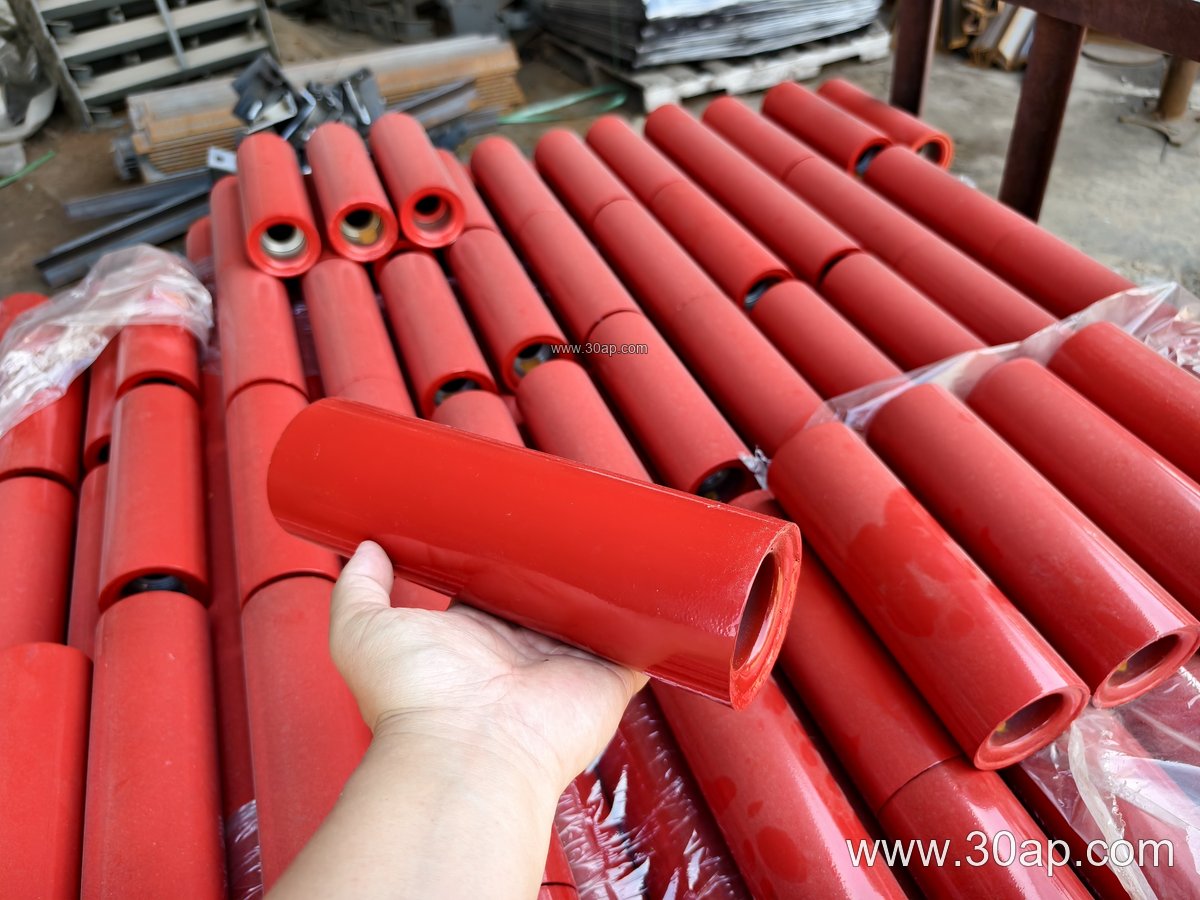
How the Roller Is Built
Construction starts with the shell, usually a steel tube with a thicker wall than a light-duty roller. The end discs are welded and machined, and the bearing housing seats a sealed bearing that keeps fines out. Common bearing sizes include 6204, 6205, 6305, 6306, 6308, and 6310, matched to the shaft and load rather than to one fixed roller diameter. The shaft is often stepped or reinforced at the ends, and the sealing arrangement may combine labyrinth rings with contact seals.
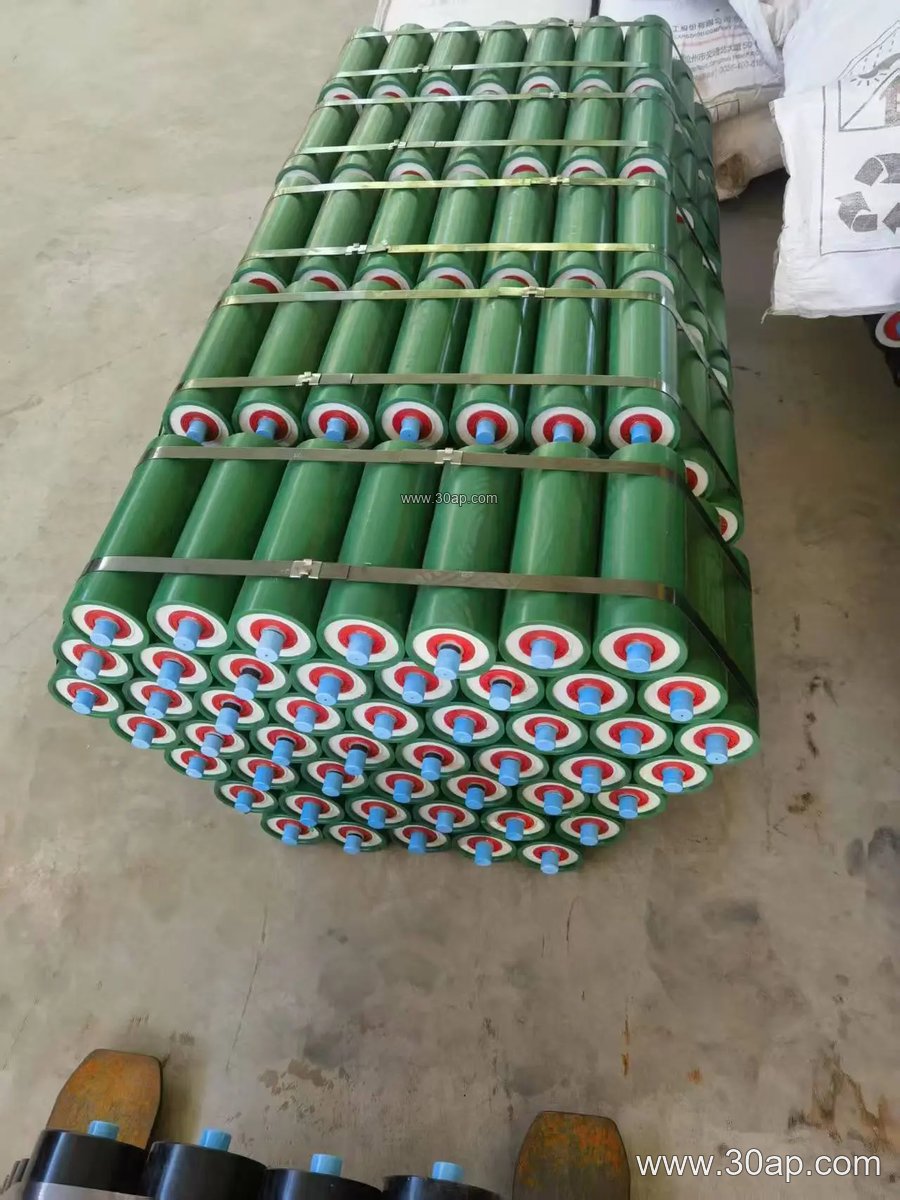
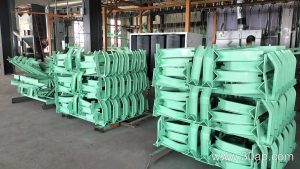
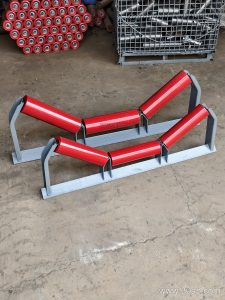
Surface form depends on the duty. A plain steel shell suits clean, dry material, while a rubber ring surface absorbs impact at transfer points and a ceramic or nylon surface reduces sticking with wet or sticky loads. The roller is mounted in a conveyor bracket or frame, and the assembly is what the belt actually rides on.
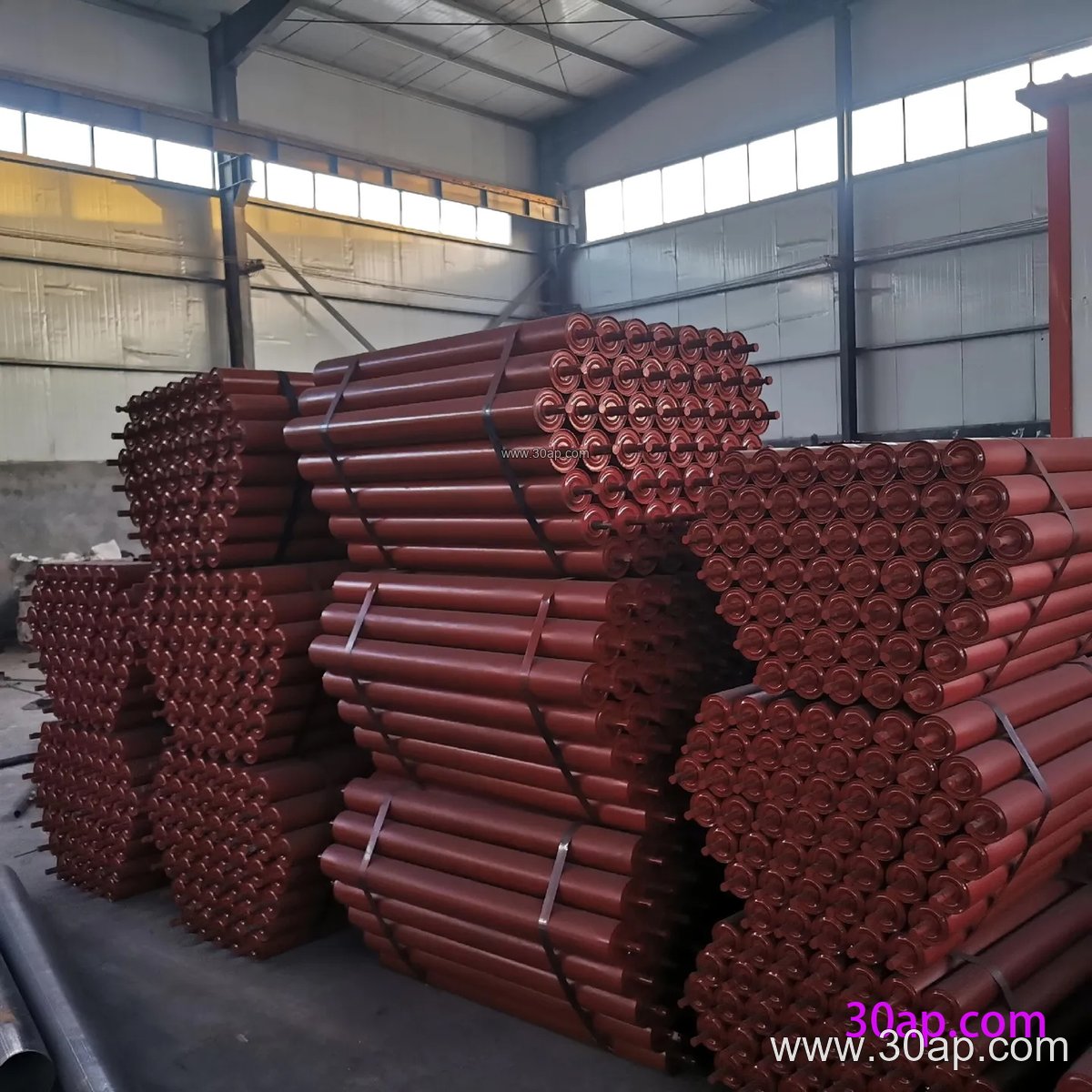
Where It Fits on the Conveyor
High-strength idlers appear in troughing sets on the carrying side, in return sets underneath, and at transition zones where the belt changes shape. A three-roll troughing set at 30 or 35 degrees is common on a main haulage belt in an iron ore or copper mine, while a V-return or flat return set handles the empty strand. Impact zones below a crusher discharge often use a cushioned version of the same heavy roller.
Typical service environments include sand and gravel lines, cement plants, power station coal handling, steelworks sinter strands, and tunnel spoil removal. In each case the idler must tolerate grit, moisture, and occasional lumps without seizing.
Common Reference Dimensions
The table below gives typical reference values, not fixed rules. Roller length changes with belt width, trough angle, and roll position, and the side rolls of a three-roll set may differ from the centre roll.
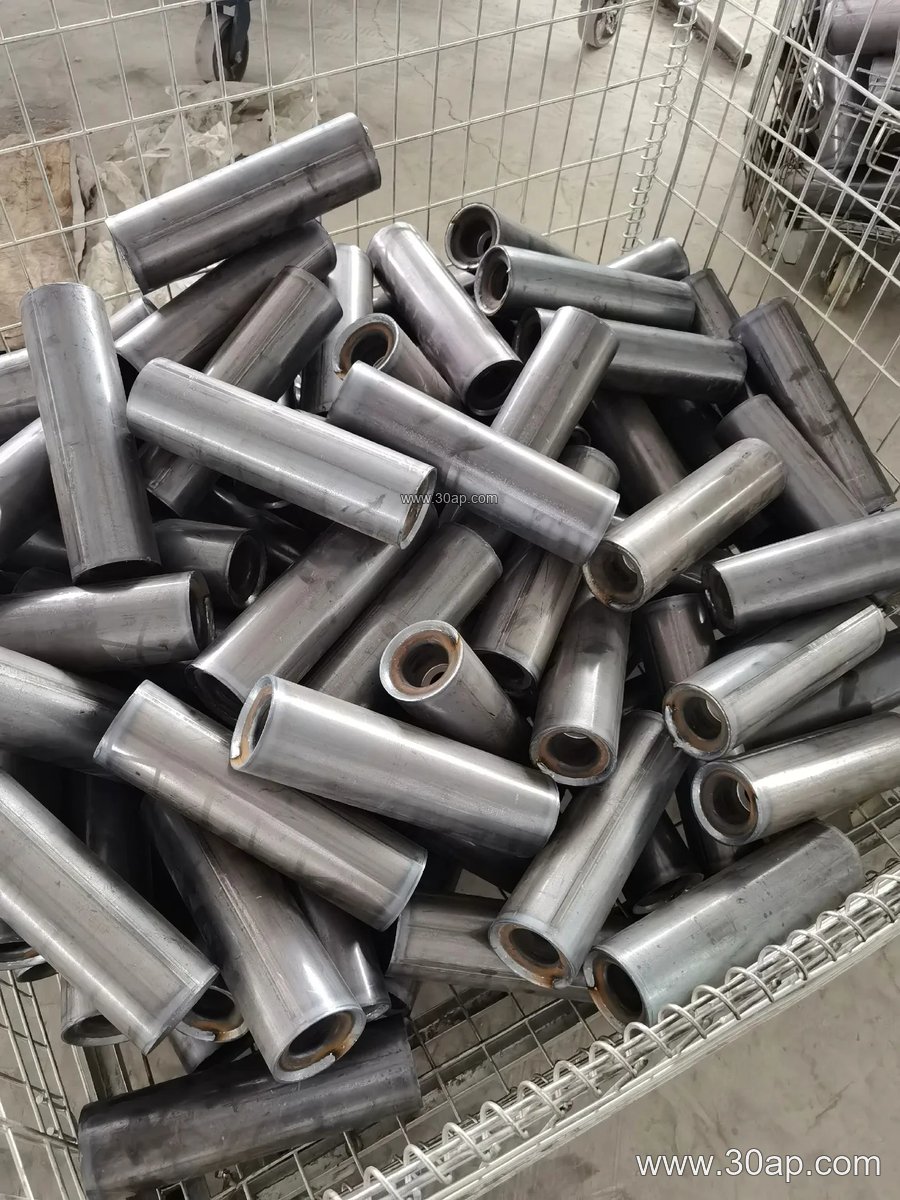
| Item | Common Reference Values |
|---|---|
| Roller diameter | Ø89, Ø102, Ø108, Ø127, Ø133, Ø159, Ø178, Ø194 mm |
| Belt width | B500, B650, B800, B1000, B1200, B1400, B1600 mm |
| Trough angle | 20°, 30°, 35°, 45° |
| Roll length, three-roll set | about 250 mm at B650, 315 mm at B800, 380 mm at B1000, 465 mm at B1200, 530 mm at B1400 |
| Bearing | 6205, 6305, 6306, 6308, 6310 |
| Surface | steel tube, nylon, ceramic, rubber ring |
No single belt width dictates one pulley diameter, and no roller diameter dictates one shaft size. Selection is made from belt tension, load, speed, and the actual frame dimensions.
What Buyers Should Check
- Confirm the shell wall thickness and shaft material, since these carry most of the strength advantage.
- Ask how the bearing is sealed and whether the seal suits wet or dusty service.
- Match the roller diameter and bearing to the calculated load, not to a catalogue habit.
- Check that the mounting dimensions fit the existing conveyor bracket before ordering a full set.
- For impact areas, compare a rubber ring cushioned roller with a plain steel one and choose by lump size and drop height.
Regular inspection of rotation, seal condition, and frame alignment keeps a high-strength idler working at its intended life. Replacing a seized roller early protects the conveyor belt far more cheaply than repairing a torn belt later.