What a Heavy-Duty Conveyor Idler Does
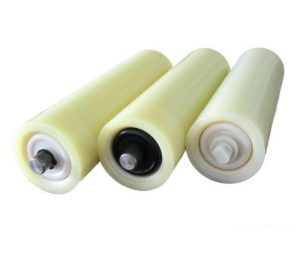
A heavy-duty conveyor idler is the rotating support that carries the loaded belt along the carrying side of a conveyor, and in its return form it supports the belt on the way back. In a quarry, a limestone mine, a coal washing plant or a power station coal yard, the idler is the part that meets the material load, the grit and the constant motion first. The roller shell, shaft, bearing housing and sealing arrangement are built heavier than light-duty versions so the idler can keep turning under shock loads and abrasive dust.
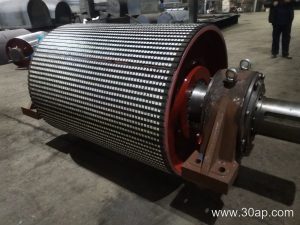
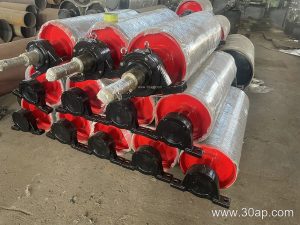
The idler is not the same component as a conveyor pulley. Drive, tail and bend pulleys transmit power and change belt direction; they are separate assemblies with their own shafts and lagging. An idler roller only supports and guides the belt. Keeping that distinction clear helps when specifying spare parts and when talking to a supplier about a replacement.
How the Roller Is Built
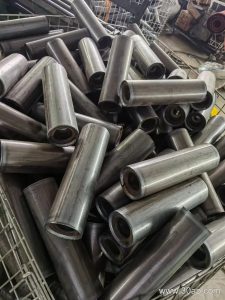
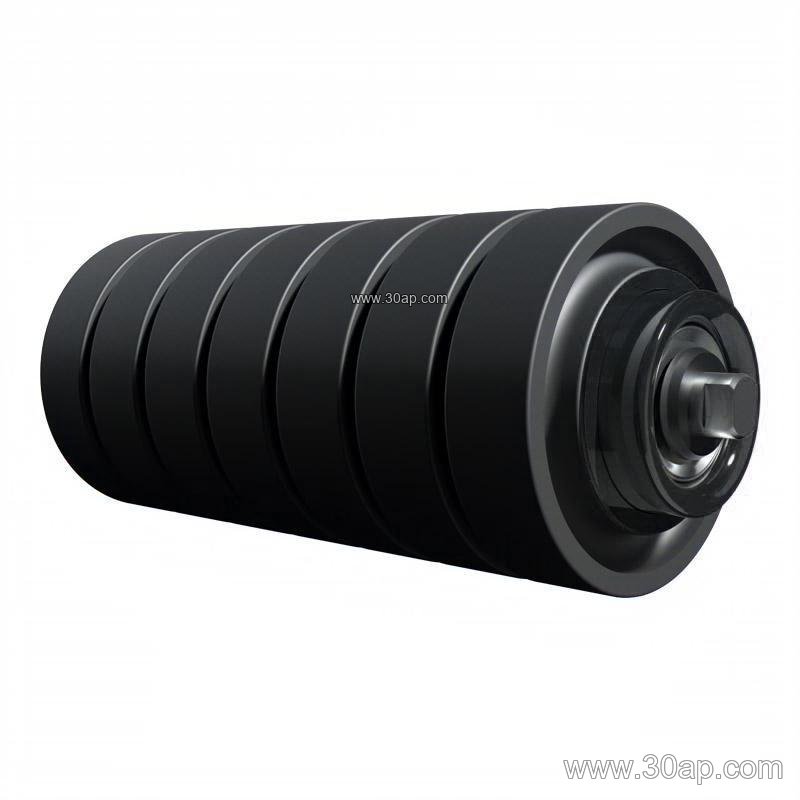
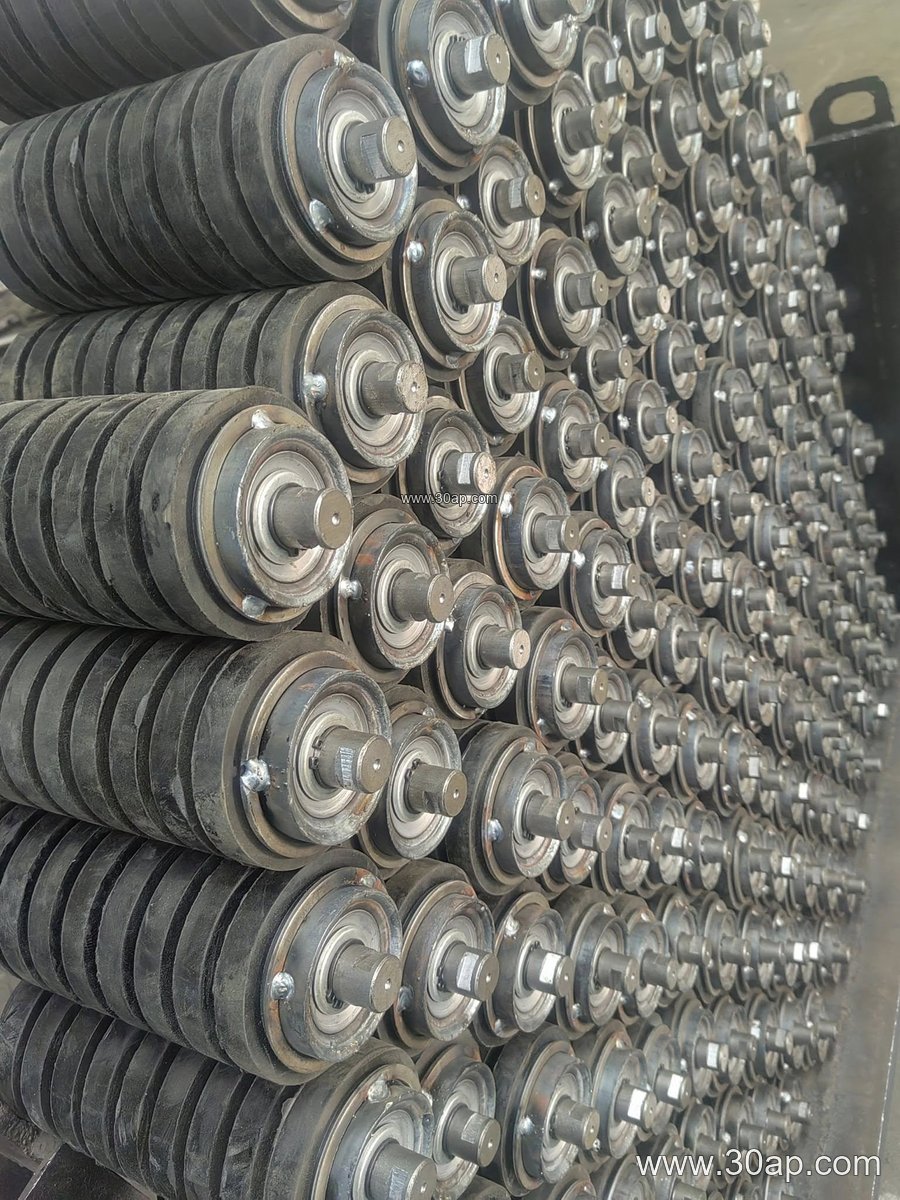
Most heavy-duty idlers use a steel tube shell, a through shaft, pressed bearing housings and a sealing system that keeps fines out of the bearing. The roller surface may be plain steel, nylon, ceramic or covered with rubber rings. Rubber-ring impact idlers are common under crusher discharge and transfer points, where lumps fall onto the belt. Bearing size is matched to the load and speed rather than to belt width alone; common bearing references include 6204, 6205, 6305, 6306, 6308 and 6310, and the same roller diameter can be supplied with different bearing arrangements depending on the duty.
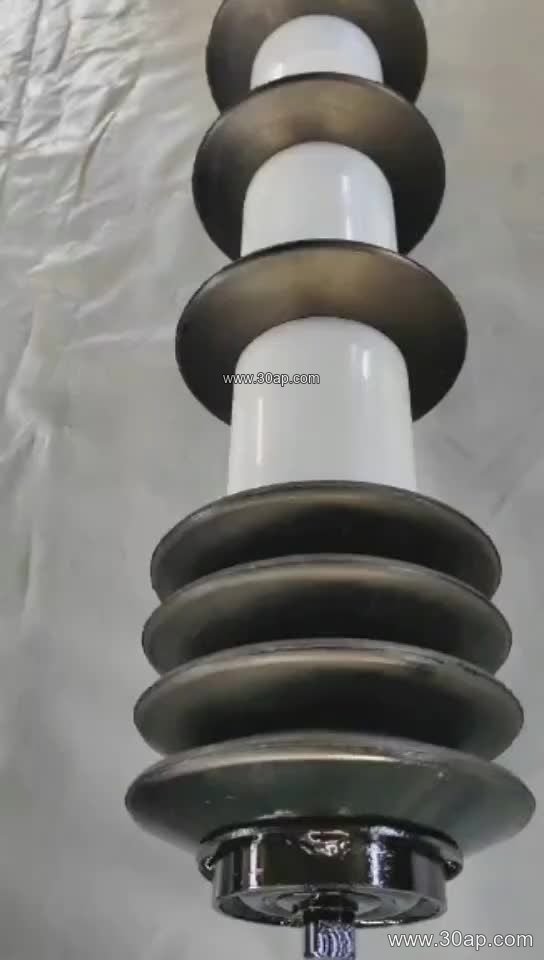
Roller diameter is usually chosen together with belt width, belt speed and the weight of the material. Typical shell diameters include Ø63, Ø76, Ø89, Ø102, Ø108, Ø127, Ø133, Ø159, Ø178, Ø194 and Ø219 mm. A larger diameter reduces rotation speed and can improve bearing life in dusty service, but it also raises the belt line and changes the frame height, so the choice belongs to the full conveyor design.
Trough Angles and Idler Sets
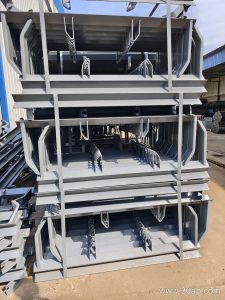
On the carrying side, idlers are normally arranged as single-roll, two-roll or three-roll troughing sets. Three-roll sets are widely used on bulk material belts because they form the belt into a trough that keeps the load centered. Common trough angles are 20, 30, 35 and 45 degrees. A steeper angle suits free-flowing material and higher capacity, while a shallower angle is easier on the belt at transition points. Training idlers with a small forward tilt of about 1.5 to 2 degrees are used to correct belt wander, and return idlers may be flat or V-shaped to help keep the return strand aligned.
Roll length changes with belt width, trough angle and set type. As a rough guide, a three-roll troughing set might use a roll of about 200 mm for B500, 250 mm for B650, 315 mm for B800, 380 mm for B1000, 465 mm for B1200, 530 mm for B1400, 600 mm for B1600, 670 mm for B1800 and 750 mm for B2000. These are common examples, not fixed pairings, and side rolls can differ from the center roll.
Where Heavy-Duty Idlers Are Used
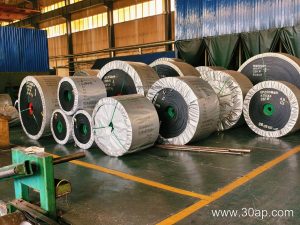
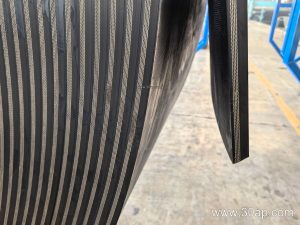
These idlers appear wherever a belt moves abrasive or heavy bulk material. In a stone crushing and screening line, impact idlers sit below the crusher outlet and troughing idlers carry the crushed rock to the stockpile. In a cement plant they support clinker and raw meal belts; in a coal-fired power plant they carry coal from the yard to the bunkers. Port ship loaders and iron ore terminals use them on long export conveyors, and tunnel projects use them on muck removal belts. The belt itself may be an EP conveyor belt, an NN conveyor belt or a steel cord conveyor belt, and the idler specification should follow the belt width, load and environment.
What Buyers Should Check
- Confirm the belt width, trough angle and idler set arrangement before ordering.
- Match roller diameter and bearing to the actual load and speed, not to a single rule of thumb.
- Ask about sealing and lubrication for dusty, wet or washdown conditions.
- Check shaft end fixing and frame compatibility with the existing conveyor bracket.
- For hot material, verify that the idler and belt are suited to the temperature; for underground coal work, confirm flame retardant requirements with the belt supplier.
A well-chosen heavy-duty conveyor idler keeps the belt running straight, protects the belt cover from unnecessary wear and reduces stoppages. Buyers who compare shell thickness, bearing type, sealing and roll length against the real duty will get a more reliable match than those who order by belt width alone.