What an Impact Resistant Conveyor Belt Is
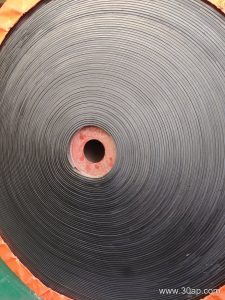
An Impact Resistant Conveyor Belt is a heavy-duty rubber belt engineered to survive the moment material lands on the carrying side. In mines, quarries, cement plants, power stations and sand and gravel yards, rock and ore rarely arrive gently. A belt that merely resists sliding abrasion can still fail at the load point, where sharp lumps fall from a chute, crusher or screen and strike the surface. This product combines a strong fabric or steel reinforcement with a thick, energy-absorbing rubber layer so that the force is spread across the carcass instead of punching through it.
The same belt is also described as an impact-resistant rubber conveyor belt or a shock-absorbing heavy-duty belt. These are equivalent names for the same product, not separate categories.
How the Belt Is Built
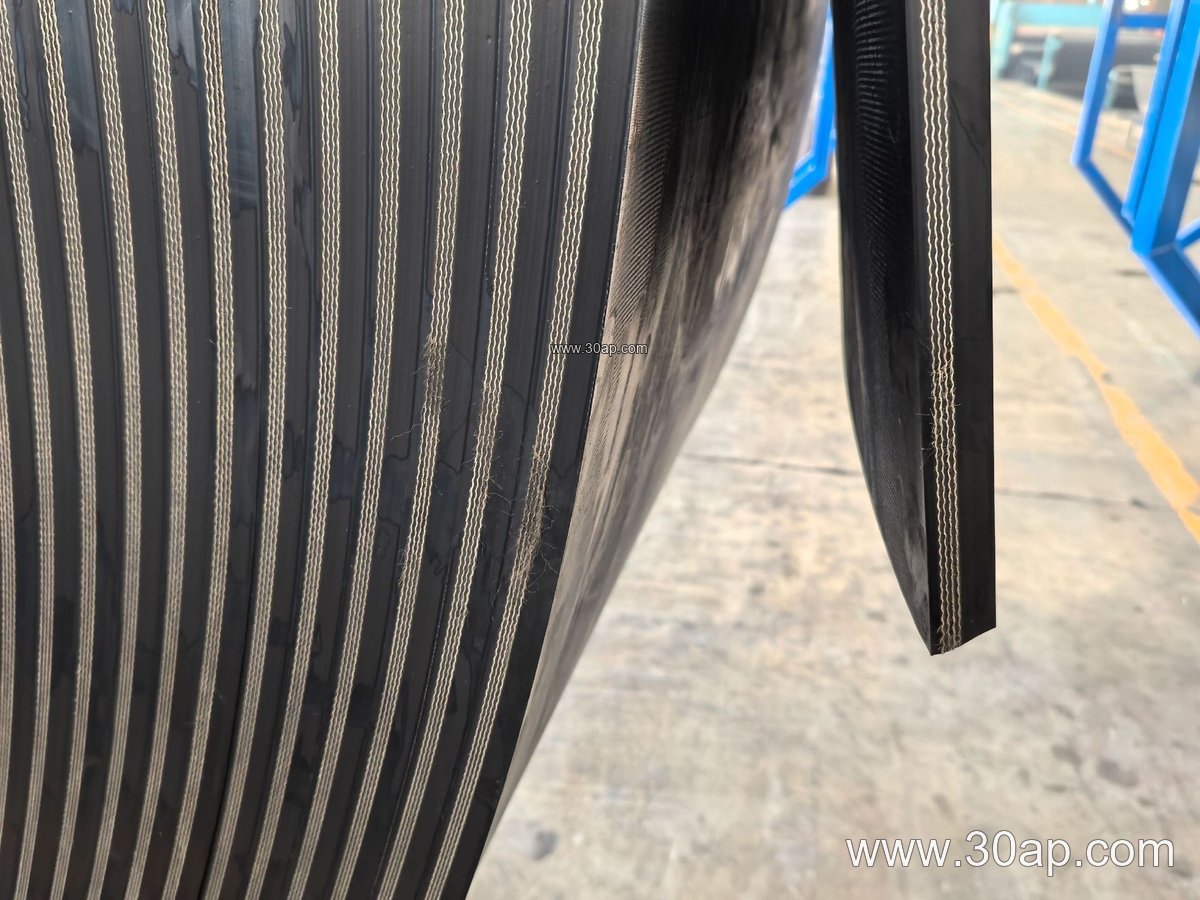
Construction usually follows the pattern of a standard fabric belt with deliberate changes at the top cover:
- Carcass: multi-ply fabric, typically 2 to 6 plies of EP or NN, or a steel cord carcass for very high tension and long flights.
- Impact layer: a thick top cover, often 6+2 mm, 8+3 mm or heavier by design, sometimes with a cushion layer beneath it.
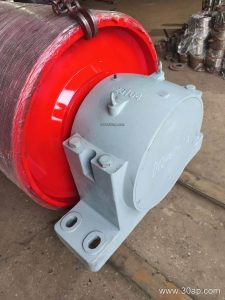
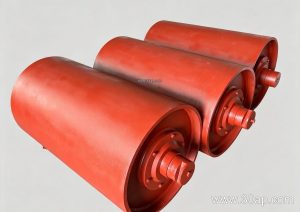
- Bottom cover: normally a thinner abrasion-resistant rubber that runs over the idler roller and conveyor pulley.
- Edges: cut or molded edges depending on the application; skirting and sidewalls can be added where spillage control is needed.
A heavy-duty conveyor belt of this kind is not judged by cover thickness alone. Ply count, rubber grade and the quality of the bond between layers all affect how well the belt copes with repeated shock loading.
Typical Specifications
The values below are common reference ranges, not fixed rules. Actual construction follows the conveyor design and the supplier’s data sheet.
| Parameter | Common options |
|---|---|
| Reinforcement type | EP fabric core, NN fabric core, steel cord |
| Strength grade | EP200, EP315, EP400, EP500, EP630, EP800, EP1000, EP1250; ST1000 to ST3150 for steel cord |
| Belt width | B500, B650, B800, B1000, B1200, B1400, B1600, B1800, B2000 |
| Top/bottom cover | 6+2 mm, 8+3 mm, or thicker by design |
| Ply count | Usually 2 to 6 plies |
Width and strength are selected together. A wide belt does not automatically suit every pulley or drive arrangement, and a given belt width can be paired with different pulley diameters depending on tension and wrap angle.
Where It Earns Its Place
The load point is the natural home for this belt. Transfer towers in an iron ore or copper ore circuit, the discharge of a primary crusher, and the feed end of a screening plant all produce high drop heights and sharp edges. A mining conveyor belt in an underground coal mine may need flame retardant and anti-static properties as well, so the impact cover is combined with a fire resistant compound. Cement plants use it under clinker and limestone chutes; power plants use it on coal receiving lines; aggregate and sand making plants rely on it beneath crushers where stone falls in a continuous stream.
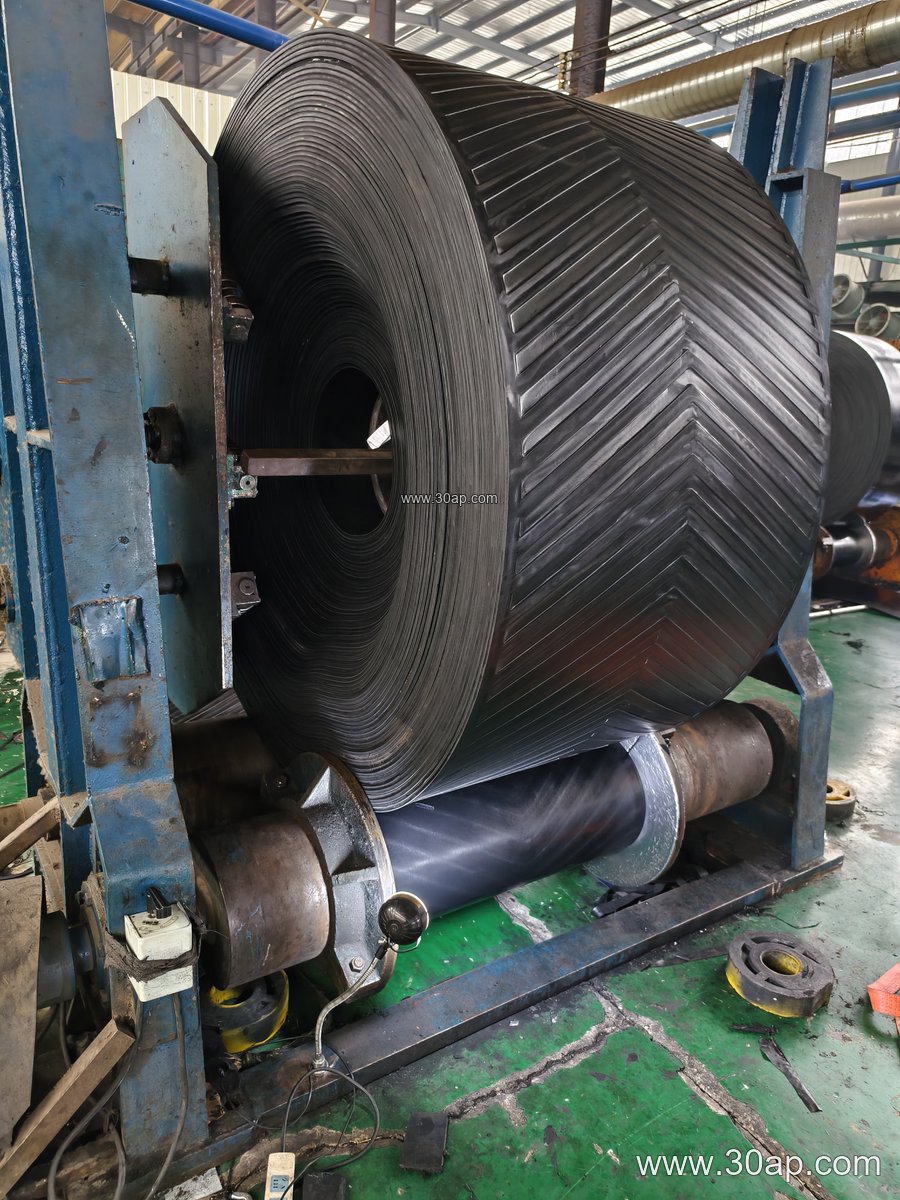
Where material is wet, oily or hot, an abrasion resistant conveyor belt grade may be combined with oil resistant or heat resistant rubber, but the impact layer remains the defining feature. In confined transfer points, a skirted or corrugated sidewall version can keep material centered, while a chevron pattern is chosen separately when the slope itself is the problem.
Buyer Checklist
- Describe the falling material: lump size, sharpness, drop height and tonnage per hour.
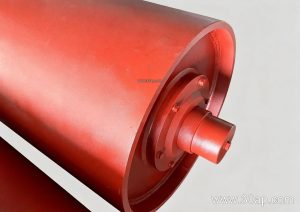
- State the conveyor’s belt width, trough angle, speed and the diameter of the tail pulley and bend pulleys.
- Confirm the required strength grade and ply count rather than ordering by cover thickness alone.
- Check whether flame retardant, anti-static, oil resistant or heat resistant properties are needed.
- Ask how the belt will be joined, since a splice can become the weakest point at the load zone.
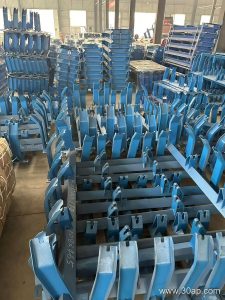
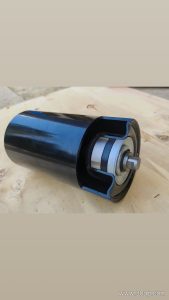
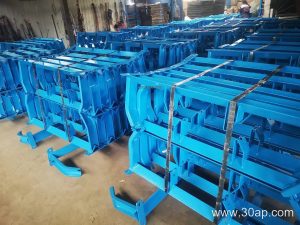
Good practice around the belt matters too. Impact idlers or cushion rollers set close together under the chute, a properly aligned conveyor bracket and free-running return idlers reduce point loading. Chute liners and skirts that guide material without pinching the edges extend service life. Inspect the top cover at the load point regularly; small cuts and gouges are easier to repair before water reaches the carcass.
Chosen and maintained with care, an Impact Resistant Conveyor Belt keeps a bulk handling line running through the roughest part of the process, where the material first meets the belt.