What a Head Pulley Assembly Does
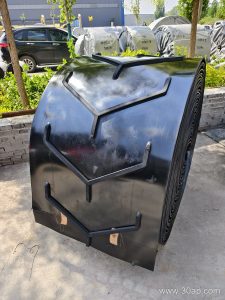
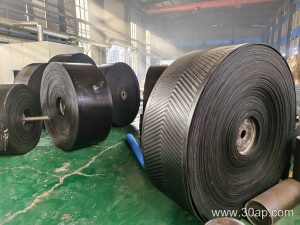
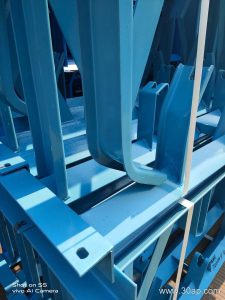
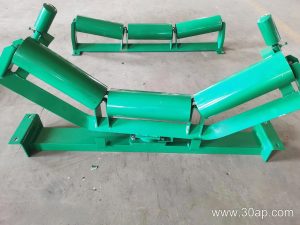
A head pulley assembly is the drive end of a belt conveyor, often called the drive pulley or head drum. It sits at the discharge point, grips the conveyor belt, and transfers torque from the gearbox to move the loaded belt. In a quarry, cement plant, or coal handling system, this assembly is the main pulling point. It is not the same as a tail pulley, bend pulley, or take-up pulley; each has its own job. The head pulley assembly usually includes the shell, shaft, bearings, bearing housings, and a lagging surface. A conveyor bracket and idler roller may be nearby, but they do not replace the head pulley assembly.
How It Is Built
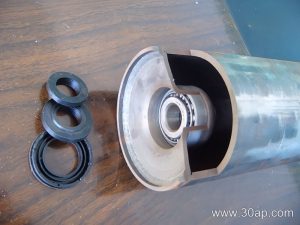
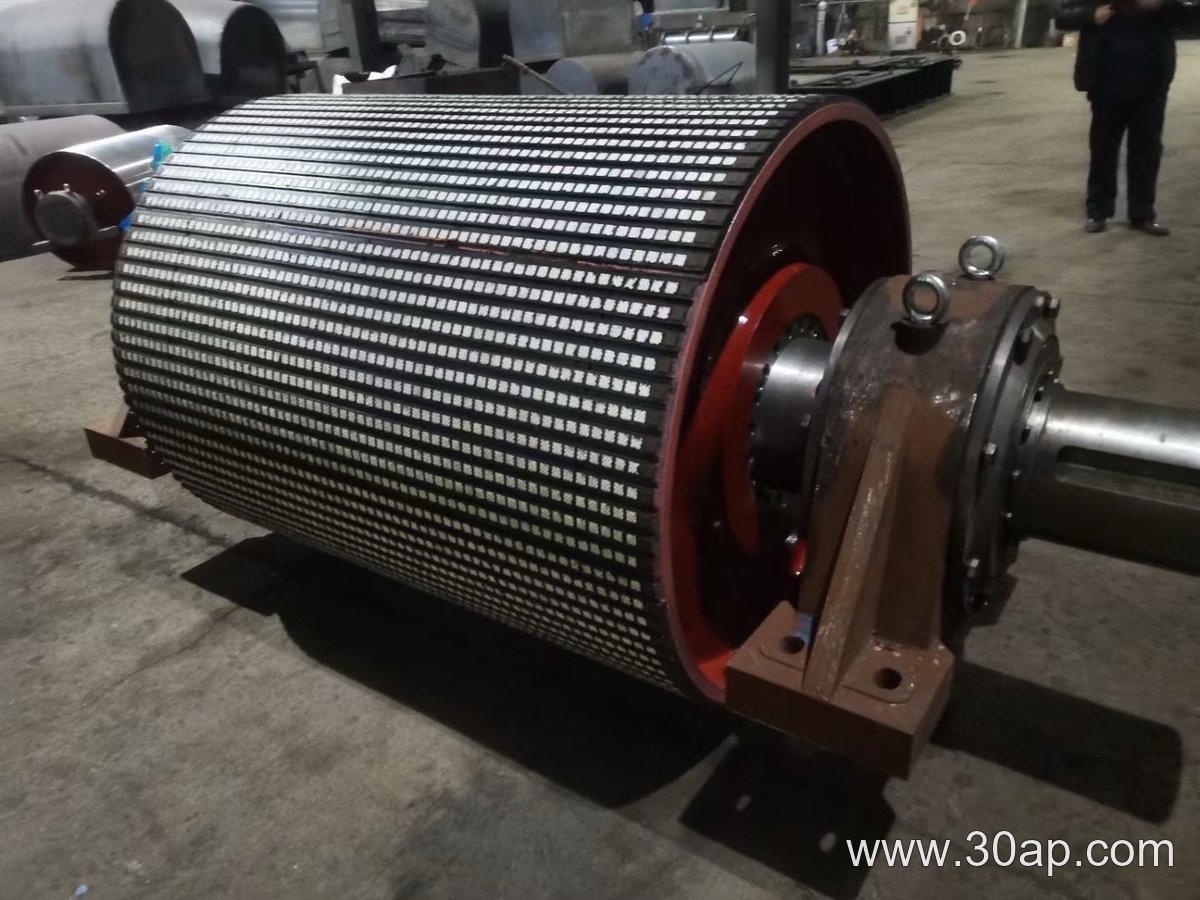
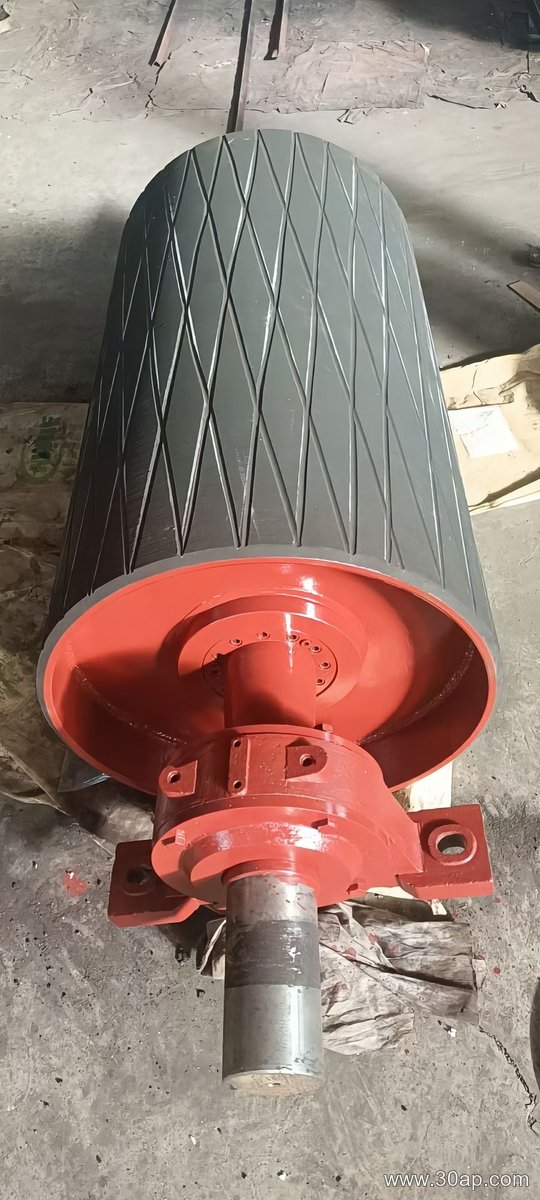
Construction starts with a cylindrical shell, often made from steel pipe or rolled plate. The shaft is fitted through the shell and connected by welded hubs or keyed discs. The ends run in heavy-duty bearings mounted in pillow blocks or flange housings. Surface lagging is added to increase friction between the drum and the conveyor belt. Common surface forms include smooth, rubber lagging, cold-bonded rubber, hot vulcanized rubber, diamond grooved, herringbone grooved, ceramic lagging, and plain rubber sheet. Lagging thickness often ranges from 8 mm to 20 mm. The assembly may be direct-driven, gearbox-driven, or use a motorized pulley design. For dusty or wet conditions, sealed bearings and wear-resistant lagging help extend service life.
Where It Fits in a Conveyor
The head pulley assembly is installed at the discharge end of the conveyor. In a sand and gravel line, it drives the belt that carries crushed stone to a screen. In a power plant coal yard, it moves the conveyor belt that feeds the boiler bunkers. In a cement plant, it handles clinker or raw material. The assembly works together with the conveyor belt, idler rollers, and conveyor brackets. The tail pulley and bend pulley guide the return strand and change direction, but they do not drive the belt. A drive pulley can be smooth for low-tension belts, while lagged surfaces are chosen for higher friction or wet conditions. The head pulley assembly must match the belt width, speed, and loading conditions.
Key Dimensions and Common Combinations
Belt width and pulley diameter are selected together based on tension, material, and space. The following table shows common reference combinations, but these are not fixed pairings. A B800 belt may work with a Ø500 drum in one conveyor and a larger diameter in another. Shaft diameter is determined by torque and load, not by belt width alone.
| Belt Width | Typical Pulley Face Width | Common Diameter Range | Typical Shaft Diameter Range |
|---|---|---|---|
| B400 | About 500 mm | Ø200 to Ø400 | Ø50 to Ø80 |
| B500 | About 600 mm | Ø250 to Ø500 | Ø60 to Ø90 |
| B650 | About 750 mm | Ø315 to Ø630 | Ø70 to Ø100 |
| B800 | About 950 mm | Ø400 to Ø800 | Ø80 to Ø120 |
| B1000 | About 1150 mm | Ø500 to Ø1000 | Ø90 to Ø140 |
| B1200 | About 1400 mm | Ø630 to Ø1250 | Ø100 to Ø160 |
| B1400 | About 1600 mm | Ø800 to Ø1400 | Ø120 to Ø180 |
| B1600 | About 1800 mm | Ø1000 to Ø1600 | Ø140 to Ø200 |
| B1800 | About 2000 mm | Ø1250 to Ø1800 | Ø160 to Ø200 |
| B2000 | About 2200 mm | Ø1400 to Ø1800 | Ø180 to Ø200 |
These values are for reference only. Actual dimensions should be confirmed by the conveyor designer. A B1200 × Ø1000 head pulley assembly is a common combination in heavy-duty mining, but a smaller diameter may suit a shorter conveyor with lower tension.
Buying Points to Consider
- Check the belt width and required face width. The pulley face is usually wider than the belt, for example about 1400 mm for a B1200 belt.
- Confirm the lagging type and thickness. Diamond or herringbone grooving helps with wet or muddy conditions. Ceramic lagging may be used where abrasive slip is a concern.
- Review the shaft diameter and bearing size. These are based on torque and radial load, not just belt width.
- Match the assembly to the drive arrangement. Direct drive, gearbox, and motorized pulley options have different mounting needs.
- Consider the environment. In a coal mine or fertilizer plant, dust and corrosion may require sealed bearings and coated surfaces.
- Ask for the balancing grade and runout tolerance if the conveyor runs at high speed.
A head pulley assembly is a critical wear part. Replacing it with a tail pulley or bend pulley is not possible because their functions differ. For reliable operation, select the assembly with the conveyor belt, idler roller, and conveyor bracket in mind, and always follow the conveyor manufacturer’s design data.