What the ST3150 Conveyor Belt Is
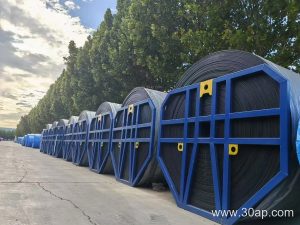
The ST3150 Conveyor Belt is a steel cord conveyor belt built for the most demanding bulk material transport duties. The designation places it in the high-strength end of the steel cord family: the number refers to the nominal tensile strength of the belt in newtons per millimetre of width, so an ST3150 belt is rated at 3150 N/mm. In practical terms, this is a belt for long overland runs, steep inclines, and high-tonnage systems where fabric-core belts would need too many plies or would simply run out of strength.
Because it belongs to the Steel Cord Conveyor Belt group, the ST3150 Conveyor Belt uses steel cords as its load-bearing skeleton rather than woven fabric. That construction gives it very low elongation under tension, excellent longitudinal strength, and good troughability at wide belt widths.
How the Belt Is Built
A typical ST3150 Conveyor Belt is assembled from four functional layers:
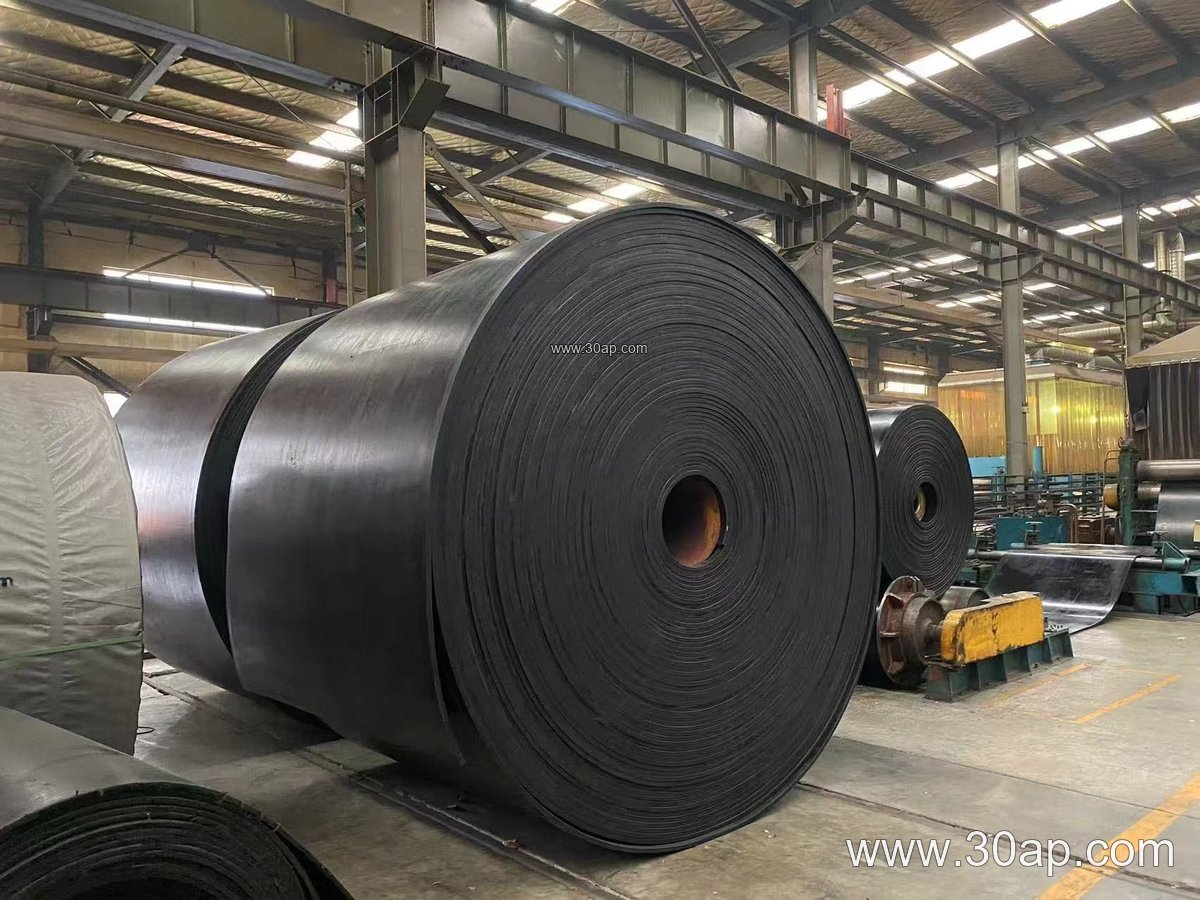
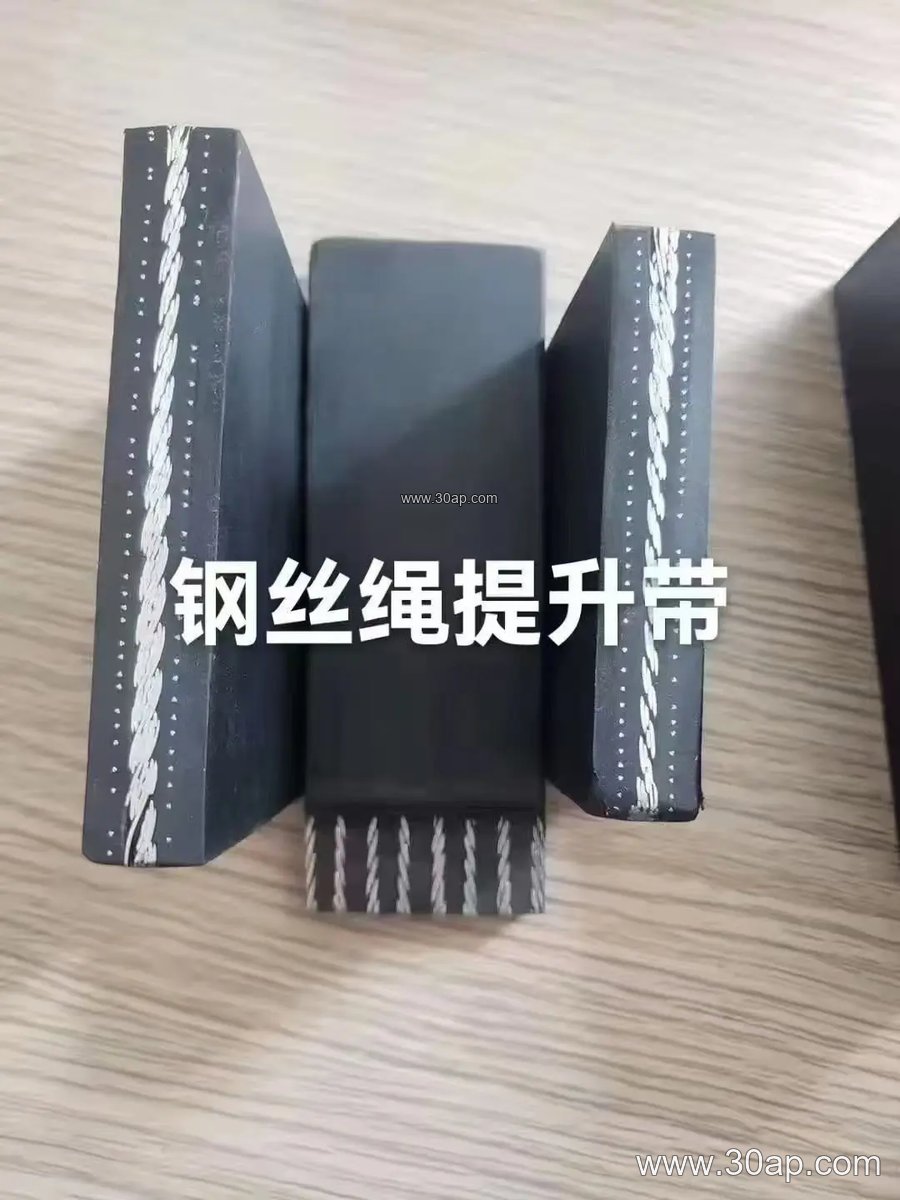
- Steel cord carcass — a single layer of brass-plated steel cords running longitudinally, spaced evenly across the width and bonded to the rubber.
- Core rubber — cushion rubber surrounding the cords, protecting them from abrasion between cords and from moisture ingress.
- Adhesion layers — tie-gum compounds that bond the cord layer to the covers.
- Top and bottom covers — the working and pulley-side rubber surfaces, selected for the actual duty.
Cover thickness is usually specified as a pair, for example 6+2 mm or 8+3 mm, written as top cover plus bottom cover. The carcass itself is a single steel cord layer, which distinguishes it from a Multi-Ply Fabric Core Conveyor Belt where several fabric plies share the load. For a mine or cement plant comparing options, fabric belts such as EP or NN grades are common at moderate tensions, while steel cord grades take over as belt length and capacity rise.
Where It Fits in a Conveyor System
The ST3150 Conveyor Belt is normally found on heavy-duty trunk conveyors. Suitable industries include:
- Open-pit and underground mining, including iron ore, copper ore, and coal handling
- Cement plants moving clinker, limestone, and raw meal
- Power plants handling coal and ash
- Ports and ship loading terminals with high hourly throughput
- Large quarry and aggregate operations, including crusher discharge conveyors
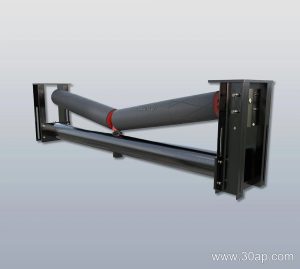
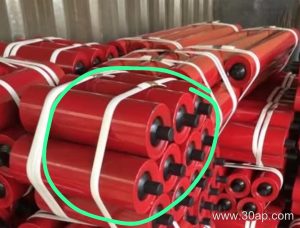
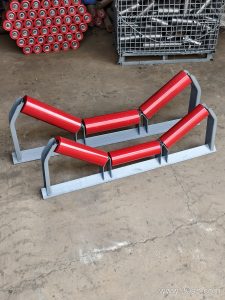
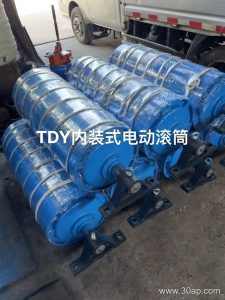
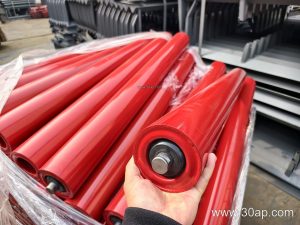
On these systems the belt runs over a conveyor pulley at the drive and tail ends, is supported by idler rollers along the carry and return sides, and is held in alignment by conveyor brackets and frames. Drive, tail, and bend pulleys each do a different job and are not interchangeable; the belt specification should be matched to the pulley diameters selected by the conveyor designer, not the other way round.
Reference Dimensions and Related Specifications
The table below shows typical reference values. Actual supply is confirmed against the conveyor design, and different manufacturers will differ.
| Parameter | Common reference values |
|---|---|
| Belt type | ST3150 steel cord conveyor belt |
| Nominal strength | 3150 N/mm |
| Belt width | B1000, B1200, B1400, B1600, B1800, B2000 (others by design) |
| Cover thickness | 6+2 mm, 8+3 mm, or as specified |
| Cover grades | Abrasion resistant, heat resistant, flame retardant, oil resistant, cold resistant, anti-static |
| Carcass | Single steel cord layer |
When a project needs a different strength class, nearby options in the same family include ST2500 and ST2000, and higher grades such as ST3500 where available. The ST3150 grade sits in the upper-middle of the range and is often chosen where a safety margin above ST2500 is wanted without going to the largest cord constructions.
Cover Compound Selection
The carcass gives strength; the covers decide service life. Common choices for this belt class include:
- Abrasion Resistant Conveyor Belt covers for ore, clinker, and sharp aggregate
- Heat Resistant Conveyor Belt covers for cement, sinter, and hot coke duties
- Flame Retardant Conveyor Belt covers for underground coal mining and enclosed galleries
- Oil resistant and cold resistant grades for special environments
For underground coal work, flame retardant and anti-static properties are usually required together, and the belt may be specified alongside PVG or PVC grades for shorter faces. That is a comparison of duty, not a substitute for the ST3150 where high tension is the governing factor.
What a Buyer Should Confirm
Before ordering, gather the following from the conveyor design:
- Required belt width and the actual running tension, not just the nominal grade
- Pulley diameters at drive, tail, and bend positions
- Top and bottom cover thickness and compound type
- Whether an Endless Conveyor Belt splice is needed or a open-end roll for field splicing
- Environmental conditions: temperature range, moisture, oil exposure, fire risk
Also confirm splice method, edge condition, and delivery length. A belt of this strength class is a long-life component, so the specification should be fixed early and checked against the pulley and idler layout rather than adjusted on site.