What Is a Belt Conveyor Head Pulley
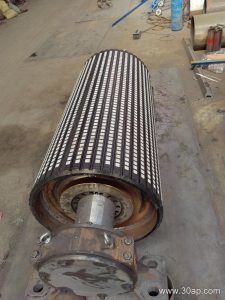
The belt conveyor head pulley, also called the drive pulley or discharge pulley, is the large roller at the head end of a conveyor that drives the belt and discharges material. It is the power-transmitting component that grips the rubber conveyor belt through friction and keeps the entire system moving. While tail, bend, and take-up pulleys guide or tension the belt, the head pulley is the one that pulls it.
Construction and Key Components
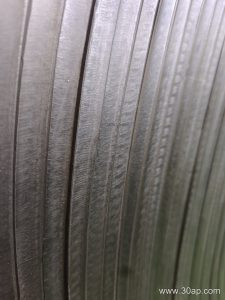
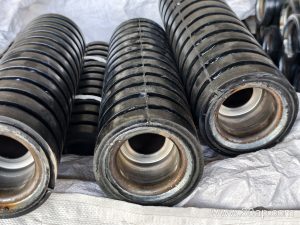
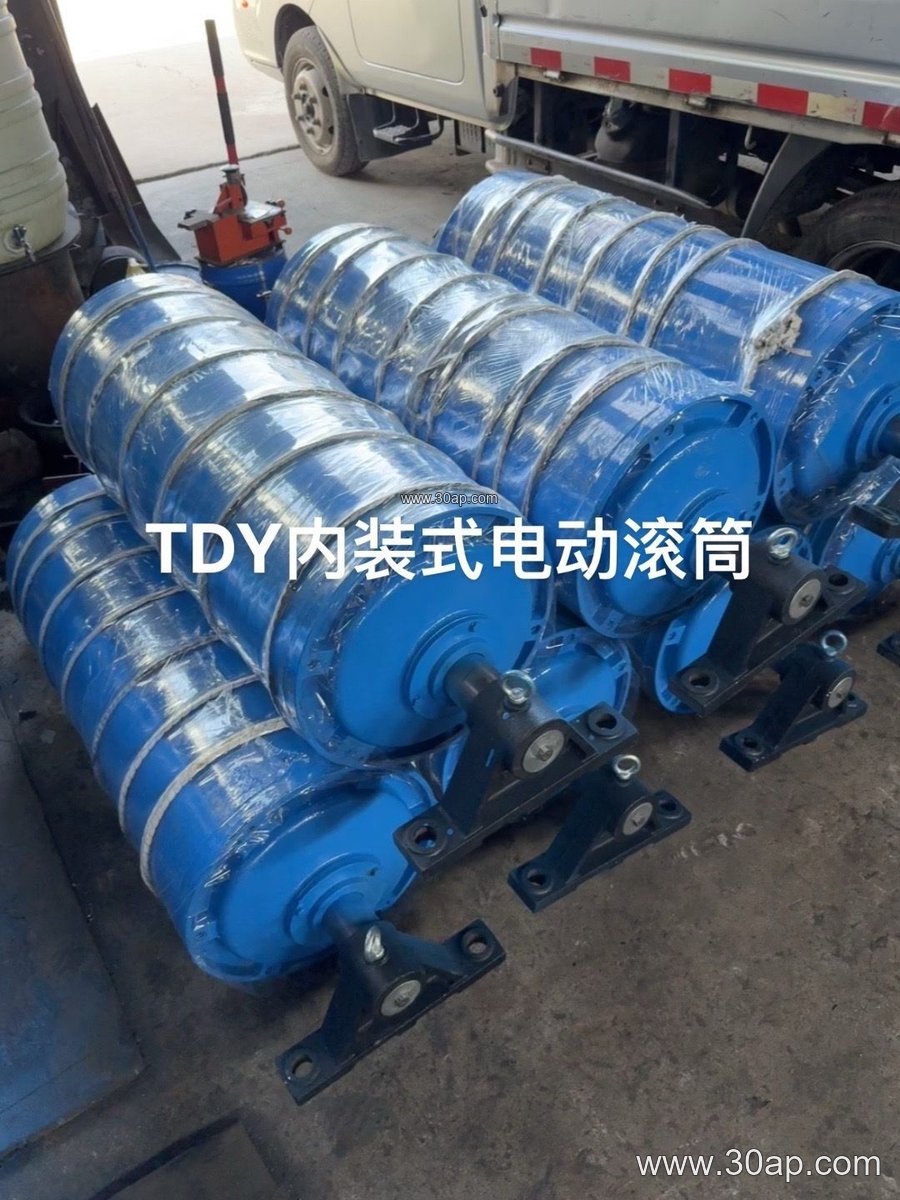
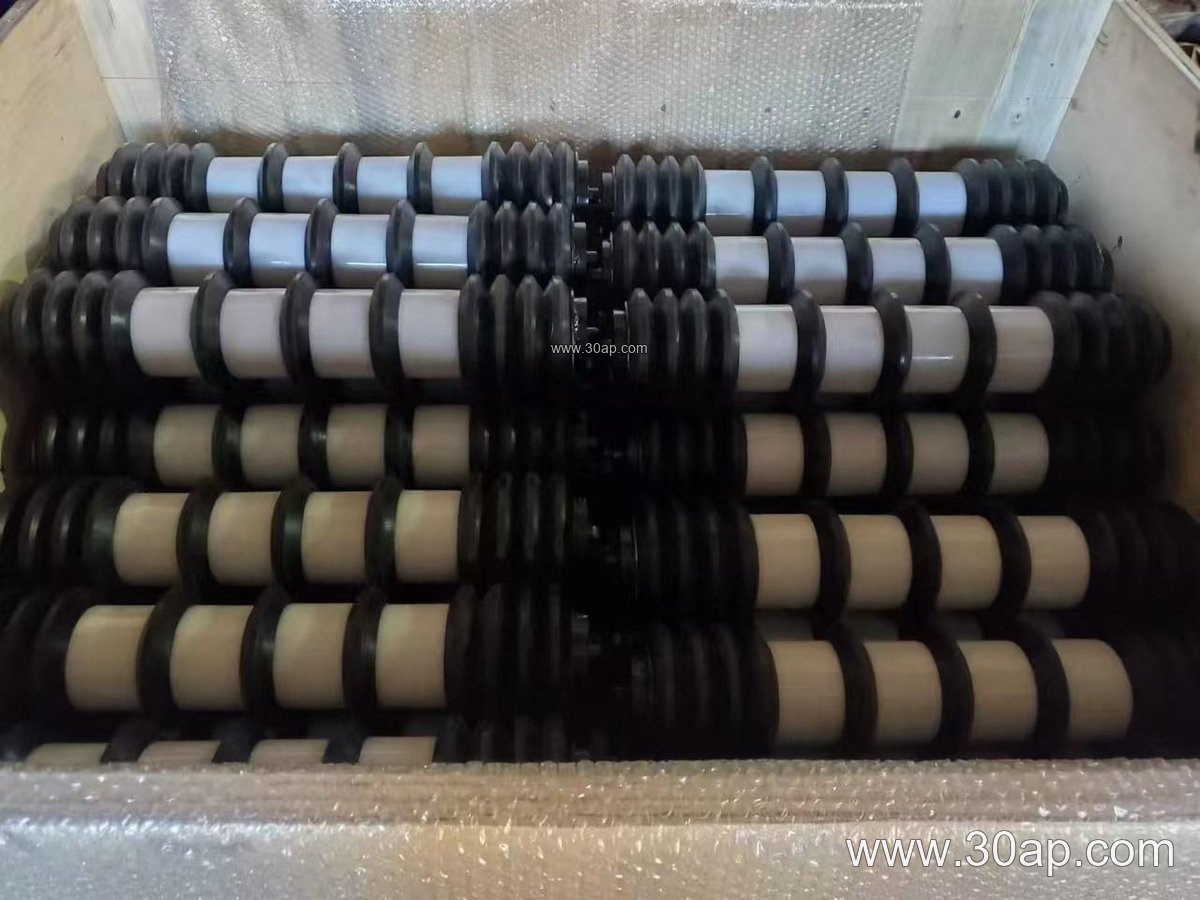
A typical head pulley consists of a cylindrical shell, two end discs, a shaft, and bearing housings mounted on conveyor brackets. The shell is usually made from rolled steel pipe or plate, machined for balance. The shaft is sized by torque and load, with common diameters such as Ø80, Ø100, Ø120, Ø140, Ø160, Ø180, and Ø200 mm. Surface lagging is often added to increase friction and protect the shell. Common lagging types include plain rubber, cold-bonded rubber, hot-vulcanized rubber, diamond groove, herringbone, and ceramic lagging. Lagging thickness typically ranges from 8 to 20 mm.
How the Head Pulley Works with the Belt
The head pulley transfers drive torque to the belt through friction. The belt must wrap around the pulley at a sufficient arc of contact, often increased by a snub pulley. The pulley surface and belt cover must match the application. For abrasive materials such as iron ore or quarry rock, a high-abrasion-resistant conveyor belt and ceramic or diamond lagging help extend service life. In coal mining or underground coal mining, flame-retardant and anti-static properties are critical for both belt and lagging. The head pulley also plays a role in belt tracking; a crowned or lagged surface can help center the belt, but alignment of the entire conveyor is equally important.
Where It Is Used
Head pulleys are found in nearly every bulk material handling system. In a limestone quarry or sand and aggregate line, they drive crusher conveyor belts and transfer material to screens. In a cement plant, head pulleys handle clinker and raw meal on EP conveyor belts and steel cord conveyor belts. Power plant coal handling relies on head pulleys with flame-retardant lagging. Port bulk terminals use large head pulleys on wide belts, often B1800 or B2000, to load ships. Other applications include steel plants, fertilizer plants, and tunnel spoil removal.
Specification and Size Considerations
Head pulley dimensions are selected based on belt width, required torque, and discharge conditions. The table below lists common reference combinations; these are not mandatory pairings, and final selection depends on engineering design.
| Belt Width (mm) | Typical Pulley Face Width (mm) | Common Diameter Range (mm) |
|---|---|---|
| B400 | 500 | Ø200–Ø315 |
| B500 | 600 | Ø250–Ø400 |
| B650 | 750 | Ø315–Ø500 |
| B800 | 950 | Ø400–Ø630 |
| B1000 | 1150 | Ø500–Ø800 |
| B1200 | 1400 | Ø630–Ø1000 |
| B1400 | 1600 | Ø800–Ø1250 |
| B1600 | 1800 | Ø1000–Ø1400 |
| B1800 | 2000 | Ø1250–Ø1600 |
Note that a given belt width can match several pulley diameters. For example, a B800 belt might run on a Ø500 head pulley in one conveyor and a Ø630 in another, depending on belt speed and tension. Shaft diameter is never chosen from belt width alone; it is calculated from torque and radial load. Always confirm with the conveyor designer.
Selection Tips for Buyers
- Specify the belt width and type, such as EP1000 or ST1600, so the pulley face width and lagging can be matched.
- State the material being conveyed—coal, clinker, ore, or aggregate—to choose appropriate lagging and belt cover.
- Provide the required shaft diameter or torque so the pulley can be engineered correctly.
- Consider environmental factors: heat-resistant lagging for cement plants, oil-resistant for recycling, and cold-resistant for outdoor winter operation.
- Ask for dynamic balancing for high-speed or wide pulleys to reduce vibration and bearing wear.
Regular inspection of lagging wear and shaft alignment helps prevent belt slippage and extends the life of the entire conveyor system.