What a Conveyor Bracket Assembly Does
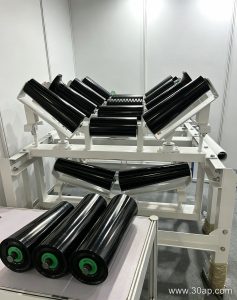
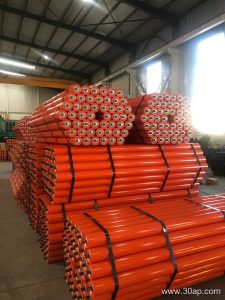
A conveyor bracket assembly is the structural support that holds the idler rollers in the correct position under the conveyor belt. It carries the weight of the belt and the material, maintains the trough angle, and keeps the belt tracking smoothly. In a quarry, coal preparation plant, or cement kiln feed line, these assemblies are the quiet workhorses that determine how well the belt performs.
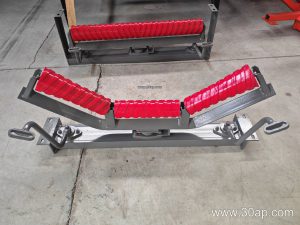
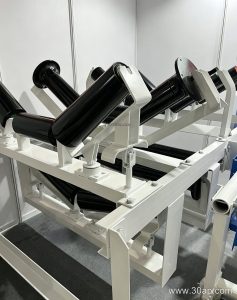
The assembly typically includes a crossbeam, mounting brackets, and sometimes adjustment slots. The crossbeam is made from angle steel, channel steel, or folded steel plate, depending on the load and the environment. The brackets are welded or bolted to the conveyor frame and are designed to accept standard idler roller shafts.
Structure and Construction
A typical conveyor bracket assembly consists of:
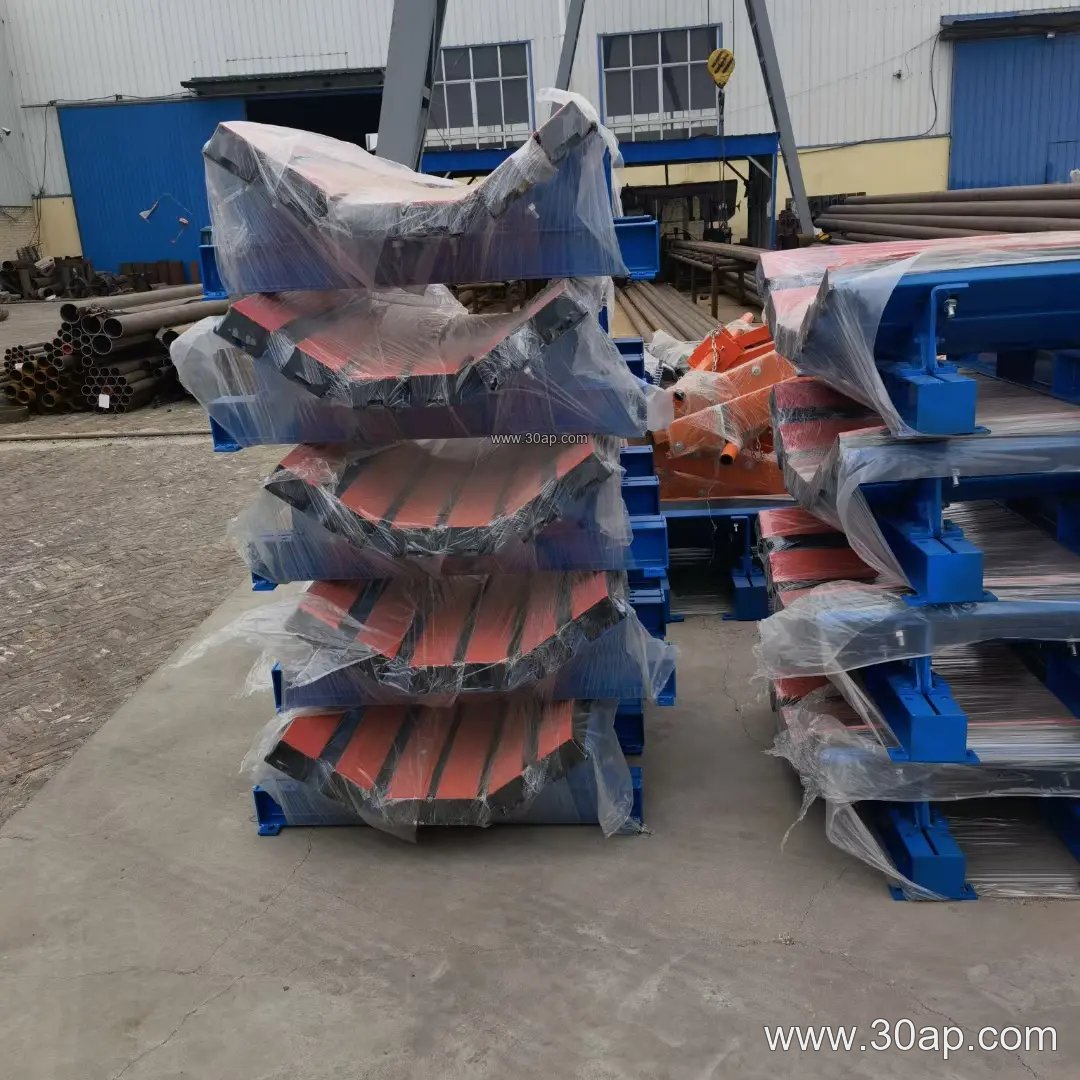
- Crossbeam: The main horizontal support, usually channel or angle steel, sized to the belt width.
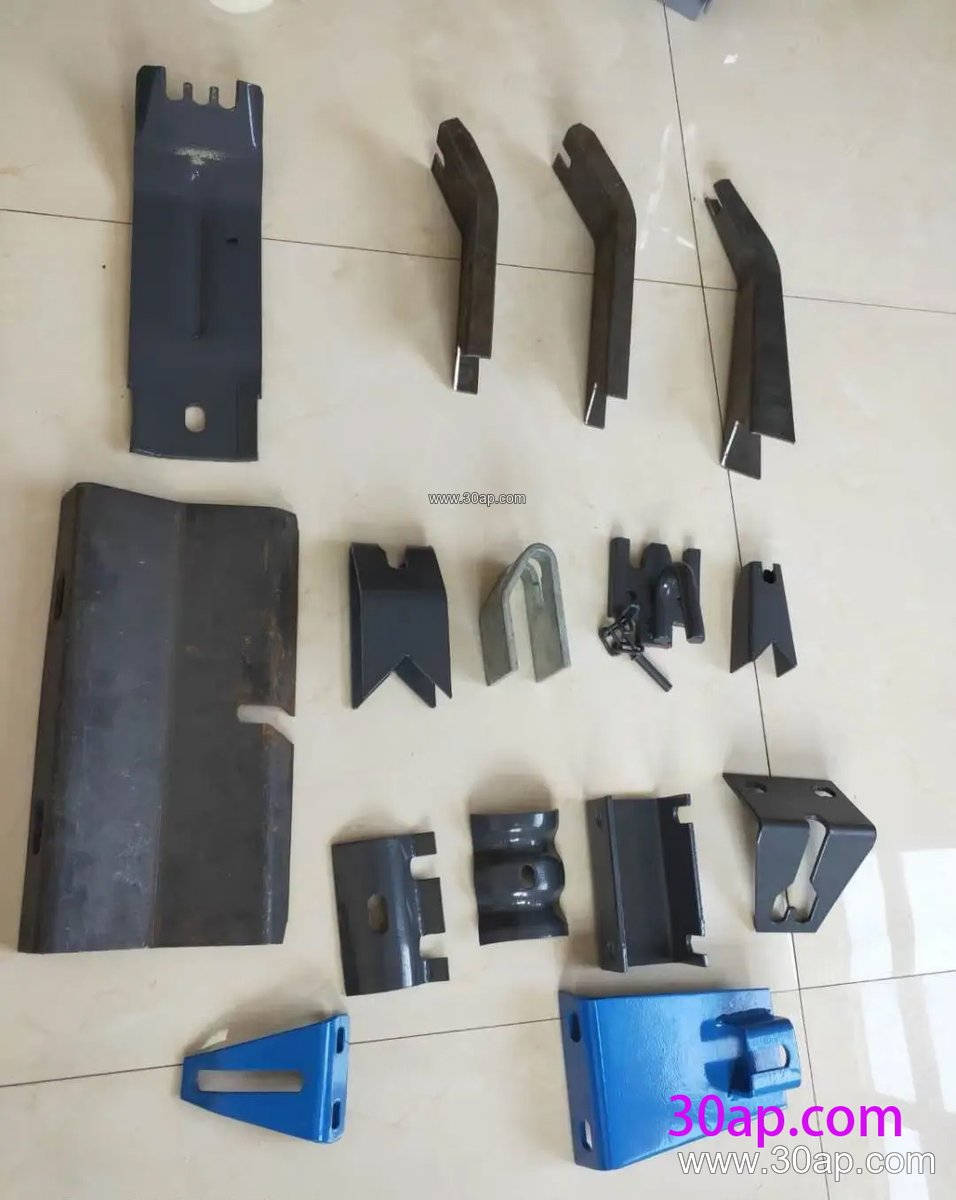
- Bracket plates: Slotted or fixed plates that hold the idler roller ends at the correct angle.
- Mounting feet: Bolted or welded connections to the conveyor stringer.
For a B800 belt with a 35-degree trough, the crossbeam length and hole spacing are determined by the design. The same bracket assembly can be used with different roller diameters, such as Ø89 or Ø108, as long as the mounting slots accommodate the shaft. There is no fixed rule that one belt width must use one specific roller diameter.
Common Types and Where They Fit
Conveyor bracket assemblies come in several forms to match the idler type and the job:
- Troughing bracket assembly: Holds three idlers at a 20, 30, 35, or 45-degree trough angle. Common in primary crushing and overland conveyors.
- Transition bracket assembly: Used near the head and tail pulleys to gradually change the belt from flat to troughed. Important in coal handling and power plant coal yards.
- Return bracket assembly: Supports the return belt with a flat or V-return idler. Often seen in sand and gravel lines and fertilizer plants.
- Impact bracket assembly: Reinforced to carry impact idlers under the loading point. Used in tunnel spoil removal and run-of-mine ore transfer.
- Self-aligning bracket assembly: Allows the idler to pivot slightly to correct belt misalignment. Useful in long overland conveyors and port terminals.
Adjustable bracket assemblies let maintenance crews change the trough angle between 20 and 45 degrees on site. Fixed brackets are simpler and more rigid for constant duty. A front-tilt angle of about 1.5 to 2 degrees is sometimes built into the bracket to help belt tracking.
Materials and Size References
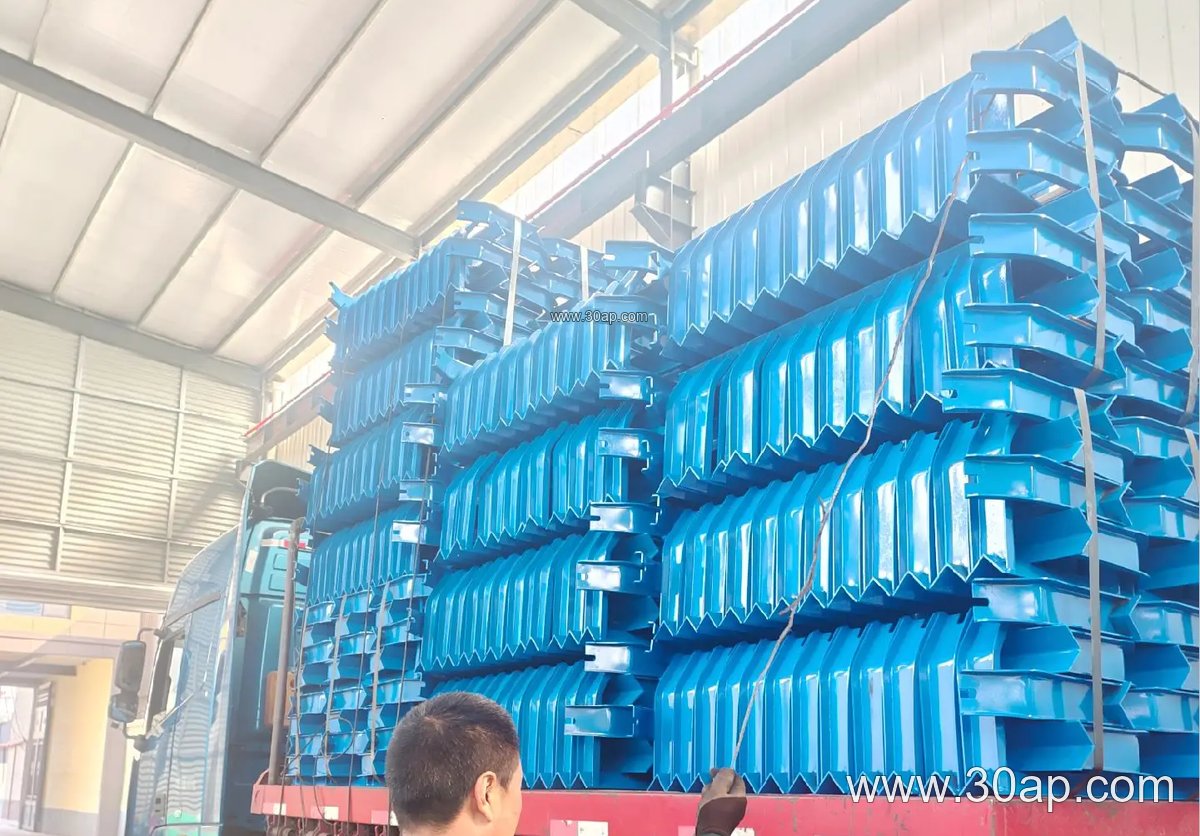
Bracket assemblies are commonly fabricated from angle steel, channel steel, or folded steel plate. The choice depends on the load and the environment. In a sinter plant or steel mill, heavier channel sections may be used. In a grain silo or fertilizer plant, painted or galvanized folded plate is common to resist corrosion.
Reference data for belt width and roller diameter combinations that appear in design drawings include:
| Belt Width | Common Trough Angle | Common Roller Diameter |
|---|---|---|
| B500 | 20° – 30° | Ø89 |
| B650 | 30° – 35° | Ø89 – Ø108 |
| B800 | 35° | Ø108 – Ø133 |
| B1000 | 35° – 45° | Ø108 – Ø133 |
| B1200 | 35° – 45° | Ø133 – Ø159 |
| B1400 | 35° – 45° | Ø133 – Ø159 |
| B1600 | 35° – 45° | Ø159 – Ø194 |
| B1800 | 35° – 45° | Ø159 – Ø194 |
| B2000 | 35° – 45° | Ø194 |
| B2200 | 35° – 45° | Ø194 |
These are common references, not fixed rules. Installation hole spacing and crossbeam length vary with belt width, trough angle, and roller diameter. Always confirm dimensions with the conveyor design.
Installation and Maintenance Notes
Proper alignment of the conveyor bracket assembly is critical. A bracket that is not square to the belt centerline will cause the belt to drift. When replacing an idler roller, check that the bracket slots are clean and the mounting bolts are tight. In dusty operations such as a limestone mine or a coal preparation plant, inspect the bracket assembly for material buildup that can affect the trough angle.
For adjustable brackets, record the original trough angle before making changes. A small change in angle can affect belt capacity and spillage. Use a straightedge across the idler faces to confirm alignment.
Buyer Checklist
Before ordering a conveyor bracket assembly, gather the following:
- Belt width (e.g., B800, B1200, B1600).
- Required trough angle (20, 30, 35, or 45 degrees).
- Roller diameter and shaft end type.
- Mounting hole spacing and crossbeam length from the conveyor drawing.
- Material preference: angle steel, channel steel, or folded plate.
- Fixed or adjustable design.
- Environmental factors: dust, moisture, corrosion, and load impact.
Whether the conveyor handles coal, clinker, sand, grain, or ore, the bracket assembly is a small but vital part of the system. Matching it correctly to the idler rollers and the belt ensures smooth operation and reduces downtime.