What a Conveyor Support Bracket Does
A conveyor support bracket is the structural interface between the conveyor frame and the idler roller or pulley that carries the belt. In a limestone quarry or a coal handling system, these brackets hold every roller in alignment, set the trough angle, and transfer the weight of the belt and material into the main stringers. Without them, the belt would sag, mistrack, and wear unevenly. The bracket is not a glamorous component, but it determines whether a conveyor runs smoothly or becomes a maintenance headache.
Construction and Material Forms
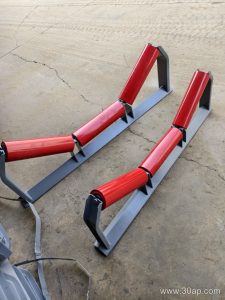
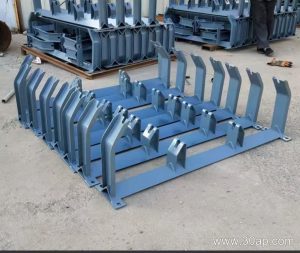
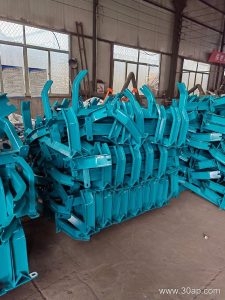
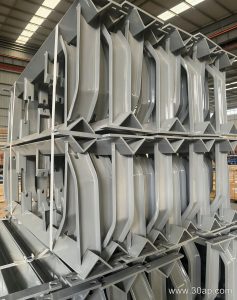
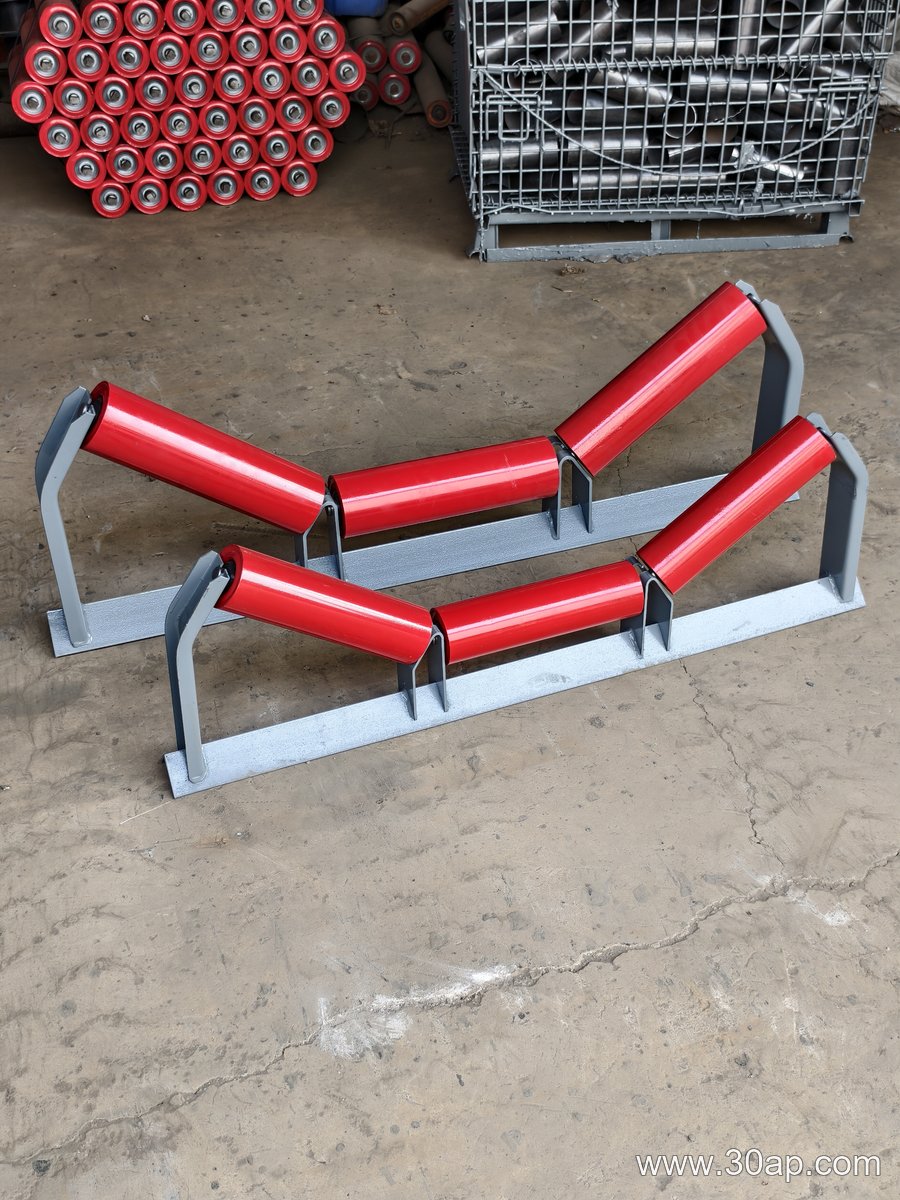
Most brackets are fabricated from angle steel, channel steel, or folded steel plate. The choice depends on load, belt width, and the environment. A typical troughing bracket uses a bent or welded frame with slots or holes for roller shafts. The bracket may be fixed or adjustable. Adjustable versions let maintenance crews change the trough angle to suit different materials, from fine cement powder to coarse iron ore lumps.
Common surface treatments include painting or galvanizing, though the exact finish depends on the supplier and the site conditions. In a fertilizer plant or a grain silo, corrosion resistance matters more than in a dry aggregate yard. The bracket must also resist vibration and impact, especially under a crusher or at a transfer point.
Types and Mounting Positions
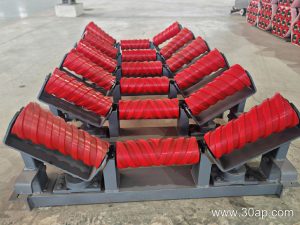
Conveyor support brackets appear in several positions along the belt line. The main categories include:
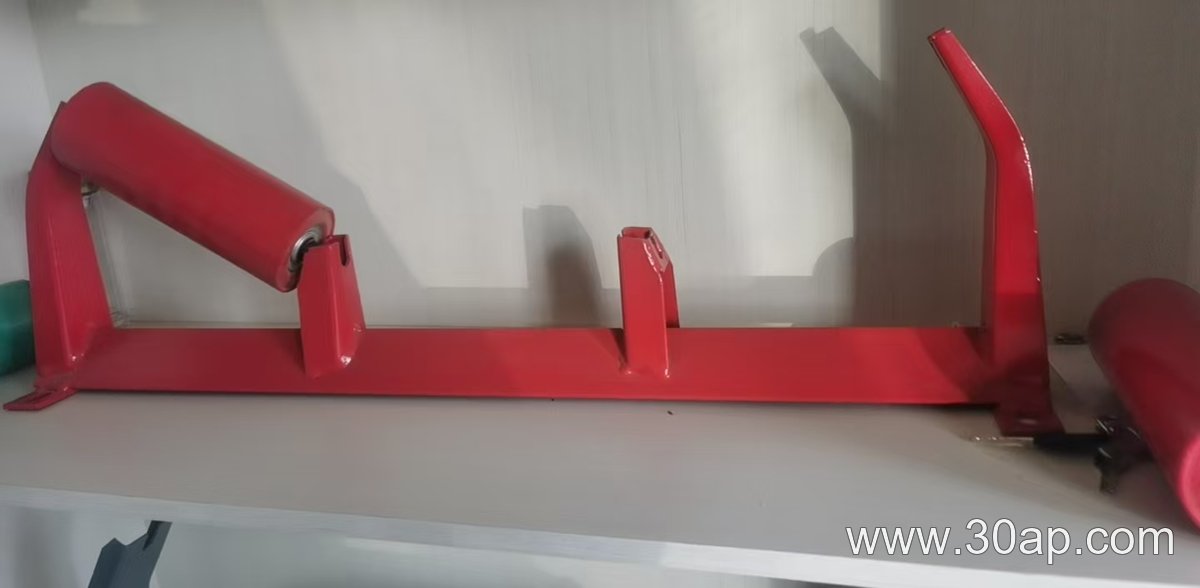
- Troughing bracket – supports the carrying side and sets the trough angle.
- Transition bracket – eases the belt from flat to troughed profile near pulleys.
- Return bracket – holds the return idlers, often in a V-shape or flat arrangement.
- Impact bracket – reinforced for loading zones under crushers or screens.
- Self-aligning bracket – allows the idler to pivot and correct belt mistracking.
Each type serves a distinct purpose. A return bracket is not a substitute for a troughing bracket, and a transition bracket is not the same as an impact bracket. The drive pulley and tail pulley have their own support structures, which are not interchangeable with roller brackets.
Common Sizes and Matching Rollers
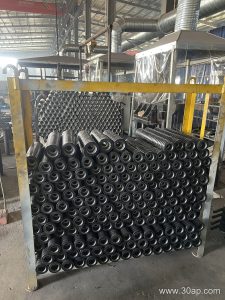
Bracket dimensions follow the belt width and the roller diameter. A bracket for B800 belt may accept Ø89 or Ø108 rollers, while a B1200 system often uses Ø133 or Ø159 rollers. The trough angle can be 20, 30, 35, or 45 degrees. Adjustable brackets allow changes within a range. The table below shows typical reference combinations, but these are not fixed rules. The final choice depends on the conveyor design, material density, and loading conditions.
| Belt Width | Common Trough Angle | Typical Roller Diameter | Bracket Type |
|---|---|---|---|
| B500 | 20° or 30° | Ø89 | Troughing, return |
| B650 | 30° or 35° | Ø89, Ø108 | Troughing, transition |
| B800 | 35° | Ø108, Ø133 | Troughing, impact |
| B1000 | 35° or 45° | Ø133, Ø159 | Troughing, self-aligning |
| B1200 | 45° | Ø133, Ø159 | Troughing, return |
| B1400 | 45° | Ø159, Ø194 | Transition, impact |
| B1600 | 45° | Ø159, Ø194 | Troughing, self-aligning |
Note that a single belt width can pair with more than one roller diameter, and the bracket hole spacing must match the chosen roller shaft. Do not assume a fixed shaft diameter from belt width alone.
Where These Brackets Are Used
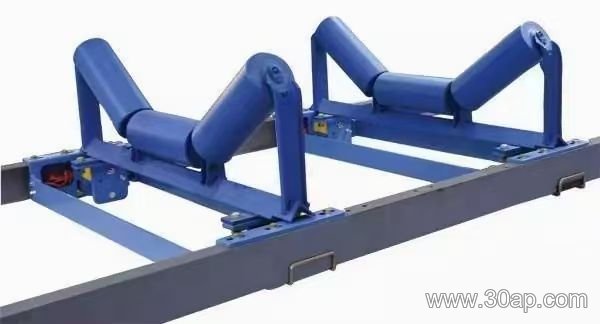
You will find conveyor support brackets in a wide range of bulk handling operations. In a coal-fired power plant, they hold the idlers that carry coal from the stockpile to the boiler. In a sand and gravel line, they support the belt through screening and washing stages. Cement plants use them on clinker conveyors, while steel mills rely on them for sinter and pellet transport. Other applications include tunnel mucking, fertilizer handling, and grain silos. Each environment imposes its own demands: dust, heat, moisture, or abrasive material.
Buyer Checklist
Before ordering a conveyor support bracket, confirm the belt width, trough angle, roller diameter, and mounting hole pattern. Check whether the bracket is fixed or adjustable. For impact zones, specify a reinforced design. For corrosive settings, ask about the surface finish. Also consider the conveyor pulley arrangement, because the bracket must not interfere with the drive pulley, tail pulley, or bend pulley. A bracket that fits one conveyor may not fit another, even if the belt width is the same. Always match the bracket to the actual roller and frame dimensions.
Properly selected brackets keep the conveyor belt centered, reduce idler wear, and lower long-term maintenance costs. Whether you run a quarry, a coal mine, or a cement plant, the conveyor support bracket is a small but critical part of the material handling chain.