What a Q235 Conveyor Bracket Does
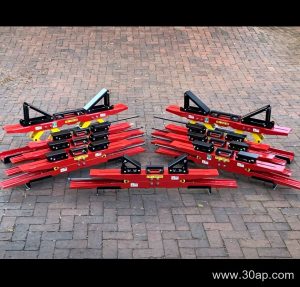
A Q235 Conveyor Bracket is the structural component that holds idler rollers in place on a belt conveyor. It is typically fabricated from Q235 carbon steel, a common structural grade known for good weldability and moderate strength. The bracket keeps the conveyor belt in the correct trough shape, maintains alignment, and transfers the load from the belt and material to the conveyor frame. In a quarry, cement plant, or power plant coal handling system, these brackets are often the quiet workhorses that determine how smoothly the belt runs.
Construction and Common Forms
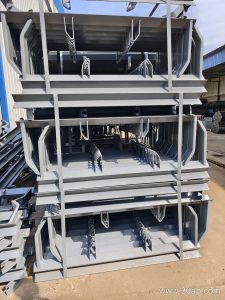
Most Q235 Conveyor Brackets are made from angle steel, channel steel, or bent steel plate. The fabrication method affects stiffness and cost. A troughing bracket, for example, may use a bent plate design for a fixed 35-degree trough angle, while a heavier channel-steel frame suits wider belts in a primary crusher discharge area.
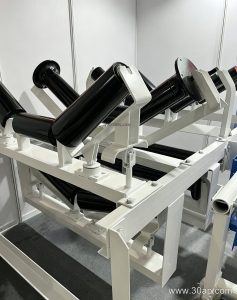
The bracket is not a standalone item; it works with idler rollers, conveyor pulleys, and the belt itself. Common bracket types include:
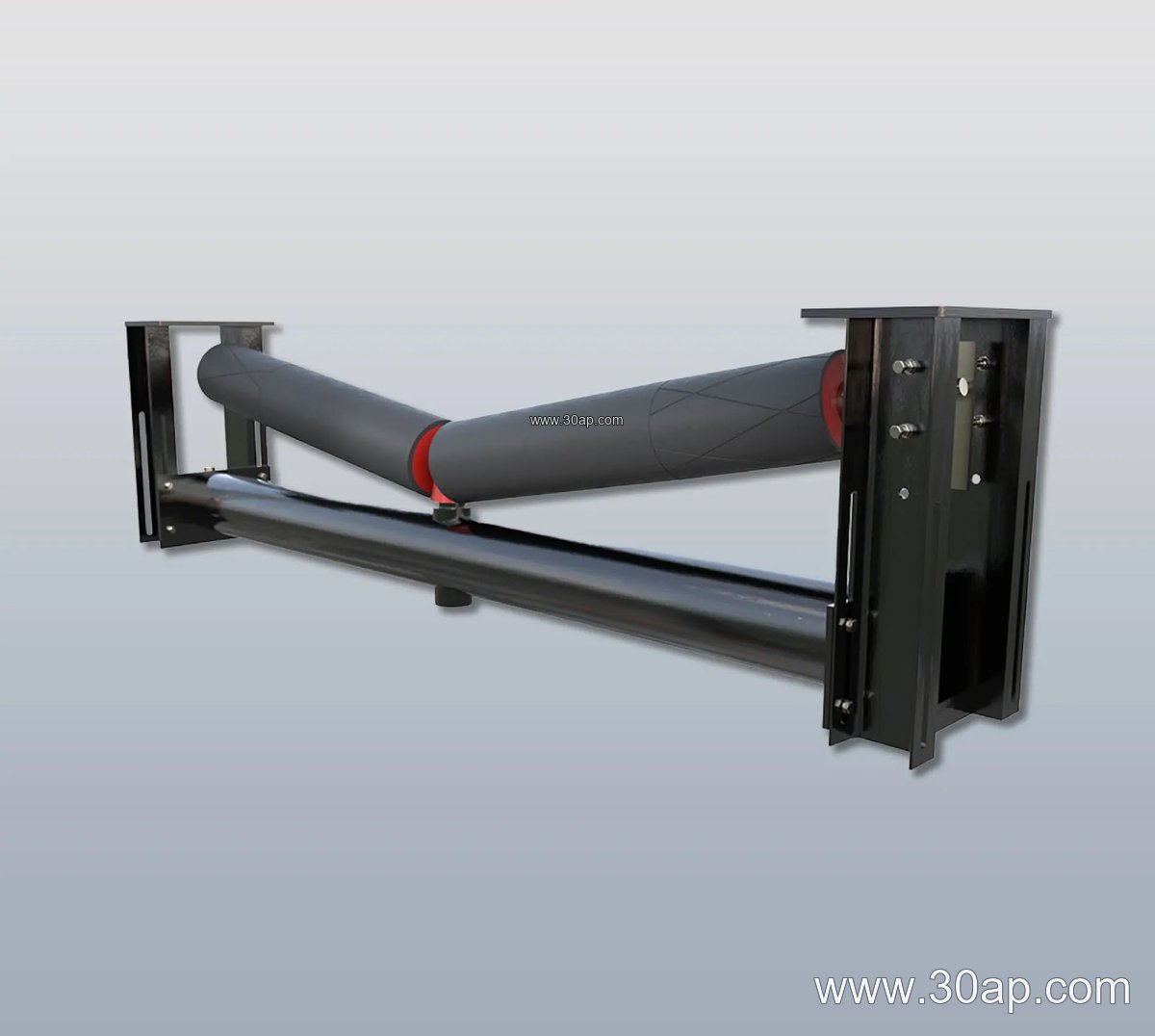
- Troughing brackets for carrying idlers
- Transition brackets near pulleys
- Return brackets and V-return brackets
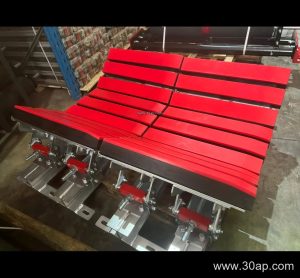
- Impact brackets for loading points
- Self-aligning brackets and forward-leaning brackets
- Adjustable brackets that allow trough angle changes
An adjustable Q235 Conveyor Bracket can often be set between 20 and 45 degrees, which helps when a conveyor handles different material loads. Fixed brackets are simpler and usually chosen where the trough angle is already defined.
Where It Fits in the Conveyor Line
In a limestone mine or aggregate plant, troughing brackets support the belt on the carrying side, while return brackets hold the belt on the return run. Near the tail pulley, transition brackets gradually change the belt from flat to troughed. At a crusher discharge, impact brackets with cushioning idlers absorb shock from large rock. In a coal mining conveyor, flame retardant belt grades are common, and the bracket must be robust enough to handle continuous load without loosening.
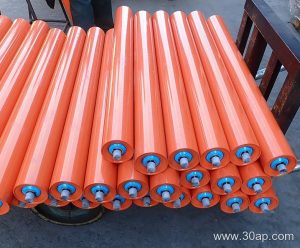
Belt width and idler diameter are not fixed pairs. A B800 belt might run with 30-degree troughing and Ø89 idlers in a light duty line, while a B1200 conveyor in a cement plant could use 45-degree troughing and Ø133 idlers for higher capacity. Installation hole spacing and crossbeam length vary with belt width, trough angle, and bracket design, so these dimensions are usually confirmed against the conveyor drawing rather than assumed.
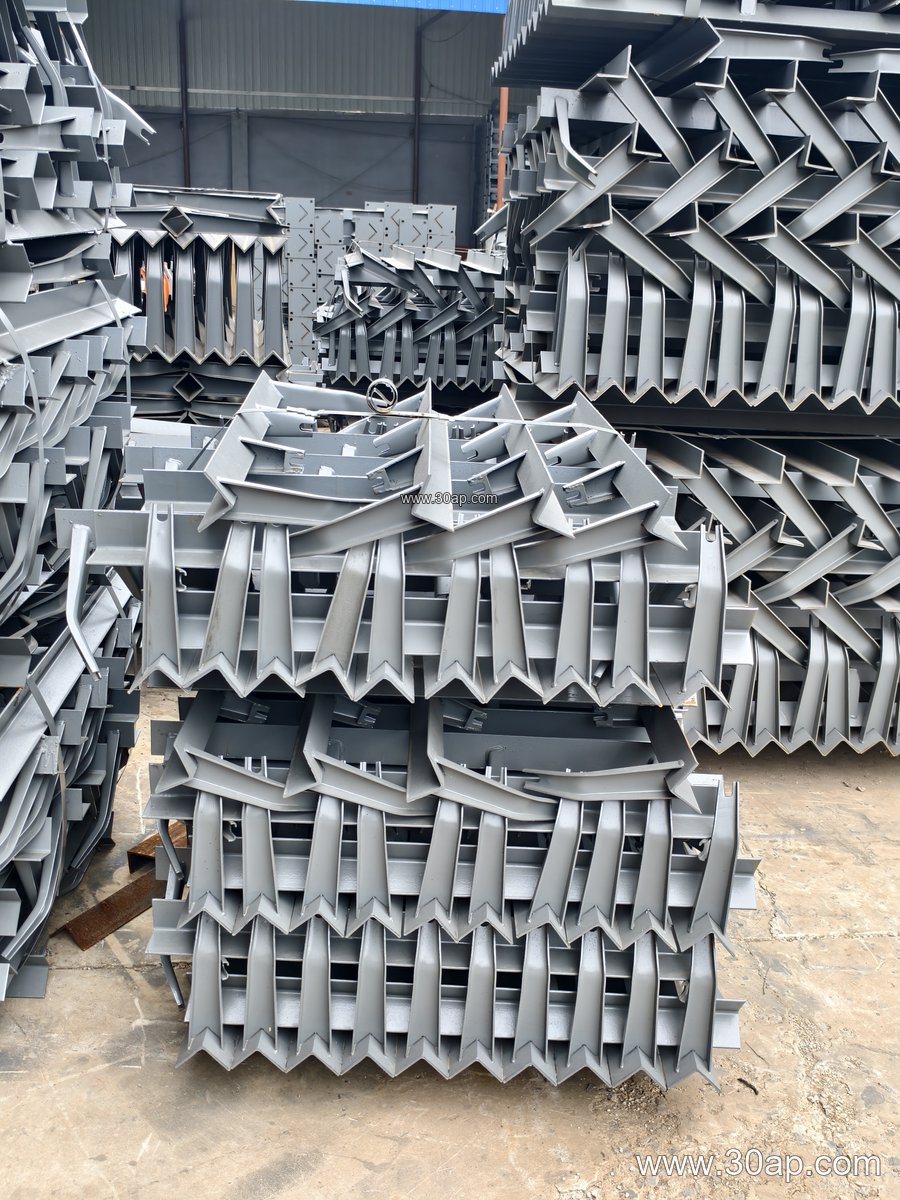
Selection Points for Buyers
When specifying a Q235 Conveyor Bracket, start with the belt width and trough angle, then match the idler diameter and mounting dimensions. Consider the material being conveyed: abrasive ore, hot clinker, or oily scrap may call for different belt grades such as abrasion resistant conveyor belt or heat resistant conveyor belt, but the bracket itself should be selected for load and environment.
| Reference Parameter | Common Range |
|---|---|
| Belt width | B500 to B2200 |
| Trough angle | 20°, 30°, 35°, 45° |
| Idler diameter | Ø89, Ø108, Ø133, Ø159, Ø194 |
| Material | Q235 angle steel, channel steel, bent plate |
Ask for the bracket drawing, confirm hole spacing, and check that the bracket suits the selected idler frame. For a B1000 conveyor with 35-degree troughing, a bracket designed for Ø108 idlers will not accept a larger roller without modification. Also verify surface treatment; painted or galvanized finishes help in humid ports or wash-down areas. In a steel plant or sintering line, heat and dust may shorten bracket life if the design traps material.
Finally, keep spare brackets for high-wear zones such as transfer points and tail areas. A small stock of Q235 Conveyor Brackets can reduce downtime when a bracket bends after a belt mistracking event. The goal is a bracket that fits the conveyor frame, matches the idler, and keeps the belt stable through the daily load cycle.