What a Vertical Idler Bracket Does on a Conveyor
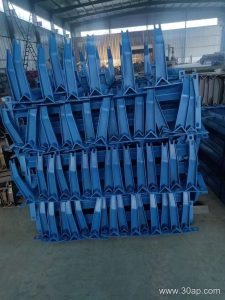
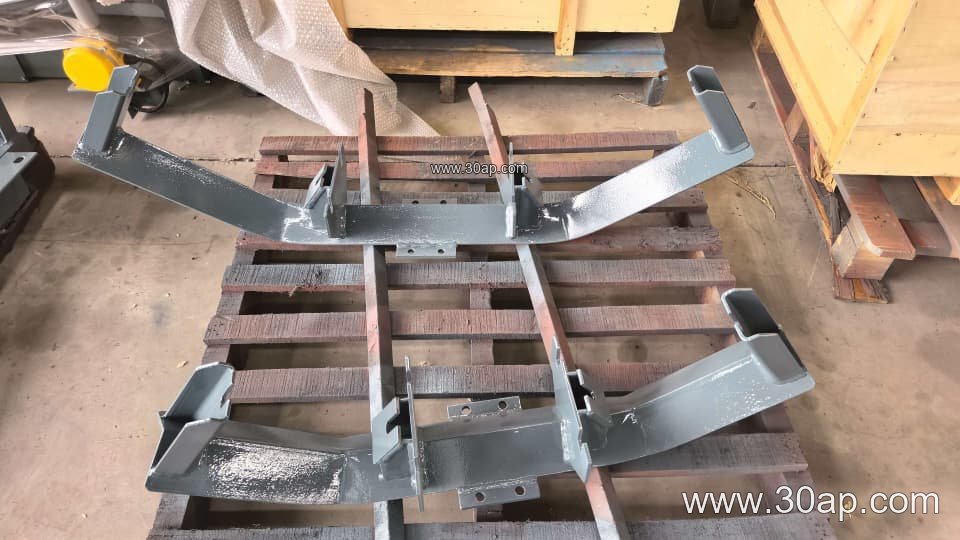
A vertical idler bracket is the upright support component that holds idler rollers in the correct position relative to the conveyor belt. On a typical troughed conveyor, the bracket rises from the conveyor frame and carries the end of an idler roller, setting the trough angle and keeping the roller axis square to the belt path. In a quarry, a cement plant, or a power plant coal yard, this small steel part directly affects belt tracking, roller life, and the smooth flow of bulk material.
Although the part is simple, it is not a generic piece of angle iron. Its mounting holes, slot positions, and height must match the roller diameter, the belt width, and the frame design. A well-fitted vertical idler bracket lets maintenance crews replace a roller quickly; a poorly matched one causes misalignment and premature belt edge wear.
Construction and Common Materials
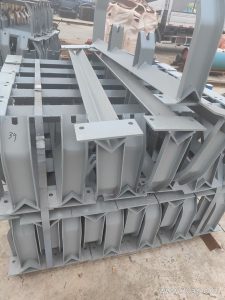
Most vertical idler brackets are fabricated from angle steel, channel steel, or folded steel plate. The vertical leg is punched or slotted to accept the idler shaft, while the base is drilled to bolt onto the conveyor stringer or cross beam. Depending on the design, the bracket may be fixed or adjustable, and some models include a slotted hole pattern that allows the roller position to be fine-tuned after installation.
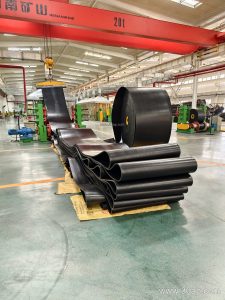
Fabricators usually finish the bracket with painting or galvanizing to resist dust, moisture, and corrosion. In a coal mining conveyor or an underground mining conveyor, corrosion resistance and flame safety matter, so the bracket should be specified together with the idler and the belt, such as a flame retardant conveyor belt or a PVG conveyor belt used in underground coal mining.
Where the Bracket Fits in the Conveyor Structure
The bracket is normally used on the carrying side of the conveyor, where it supports the outer ends of the troughing idlers. It works together with the conveyor bracket system, the cross beam, and the idler roller to form the trough. On a typical 35 degree trough, the vertical bracket holds the wing roller at the required angle, while a center bracket or cross beam supports the middle roller.
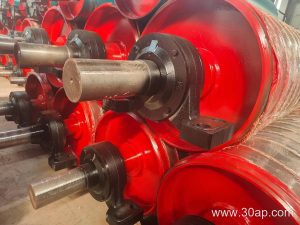
In a stone crushing plant or aggregate conveyor line, the bracket is often paired with impact idlers at the loading point and standard troughing idlers along the run. In a port or ship loading conveyor, the same component helps keep a wide belt stable under heavy bulk material loads. The bracket does not replace the conveyor pulley at the drive or tail end; those components serve different functions and are selected separately.
Typical Sizes and Matching Parameters
Bracket dimensions follow the belt width, trough angle, and roller diameter rather than one universal standard. Common belt widths include B500, B650, B800, B1000, B1200, B1400, B1600, B1800, and B2000. Trough angles are usually 20, 30, 35, or 45 degrees, and adjustable brackets can be set within a range of these angles. Roller diameters commonly include Ø89, Ø108, Ø133, Ø159, and Ø194. The table below shows reference combinations, not fixed supply rules.
| Belt Width | Common Trough Angle | Typical Roller Diameter | Bracket Note |
|---|---|---|---|
| B650 | 30 degrees | Ø89 | Light to medium duty |
| B800 | 35 degrees | Ø108 | General aggregate duty |
| B1000 | 35 degrees | Ø108 or Ø133 | Adjustable slot option |
| B1200 | 45 degrees | Ø133 | Heavy bulk handling |
| B1400 | 35 or 45 degrees | Ø159 | Wide belt, reinforced frame |
| B1600 | 35 or 45 degrees | Ø159 or Ø194 | Mining and port duty |
Mounting hole spacing and cross beam length change with belt width and trough angle, so buyers should confirm these values against the conveyor drawing instead of assuming a fixed number. A bracket that fits a B800 frame will not automatically fit a B1200 frame even if the roller diameter is the same.
Fixed Versus Adjustable Vertical Brackets
Fixed brackets are simple and rigid, with a set angle and hole position. They suit conveyors where the trough angle is decided at the design stage and does not need to change. Adjustable brackets include slotted holes or a pivoting plate, allowing the maintenance team to correct the trough angle or compensate for small frame variations. In a limestone mine or a sintering plant, adjustable brackets can simplify alignment work after the conveyor has settled.
Neither type is universally better. The choice depends on the conveyor design, the expected belt load, and how often the trough angle may need correction. Fixed brackets generally cost less and offer fewer parts to loosen, while adjustable models offer flexibility at the cost of more careful tightening and inspection.
Buyer Checklist Before Ordering
- Confirm the belt width, such as 800mm conveyor belt or 1200mm conveyor belt, and the design trough angle.
- Match the bracket to the idler shaft and roller diameter, for example Ø108 or Ø133.
- Check the mounting hole pattern against the existing conveyor bracket and cross beam.
- Specify the material and finish suitable for the site, whether a dry cement plant or a wet coal preparation plant.
- Ask whether the bracket is fixed or adjustable, and confirm the adjustment range if adjustable.
- Order brackets together with compatible idler rollers and belt so the whole trough assembly fits correctly.
For a heavy-duty mining conveyor or a long overland system using a steel cord conveyor belt, the bracket should be rated for the actual roller load rather than chosen by belt width alone. A modest, accurate bracket selection prevents belt mistracking and reduces downtime in quarries, power plants, and bulk material terminals alike.