Idler Roller Essentials for Industrial Conveyors
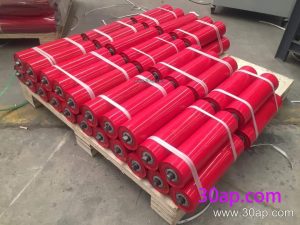
An idler roller is a free-spinning cylinder that supports and guides a conveyor belt without driving it. Choosing the right idler roller improves belt life, reduces downtime, and cuts energy costs.

Key Selection Factors
- Load capacity and belt width
- Roller diameter and wall thickness
- Bearing type: sealed, precision, or tapered
- Material: steel, stainless, or polymer
- Environmental conditions: dust, moisture, temperature
Purchasing Advice
Match the idler roller to your conveyor speed and duty cycle. Verify shaft dimensions, mounting style, and lubrication needs. Request load ratings and test data. Buy from suppliers offering consistent tolerances and replacement parts.
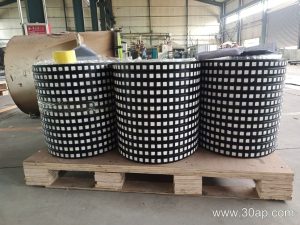
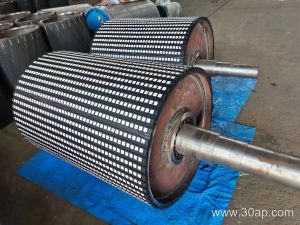
Conveyor Pulley Essentials
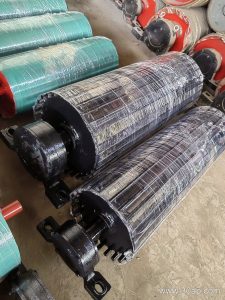
A conveyor pulley drives or redirects the belt. Choose the right type, diameter, lagging, and shaft for reliable service.

Selection Tips
- Match pulley diameter to belt tension and speed.
- Use lagging for grip in wet or dusty conditions.
- Confirm shaft, bearing, and hub compatibility.
Purchasing Advice
Verify load capacity, balance, and finish. Request inspection reports and compare total cost, not just price.
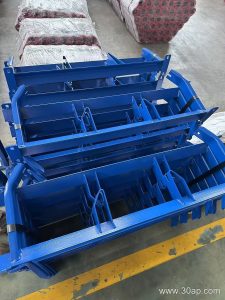
Conveyor Bracket: The Backbone of Your Material Handling System
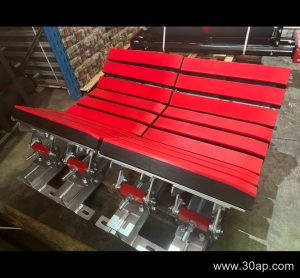
A conveyor bracket connects rollers, idlers, and frames, directly affecting alignment, load capacity, and maintenance downtime. Choosing the right bracket prevents premature wear and costly line stoppages.
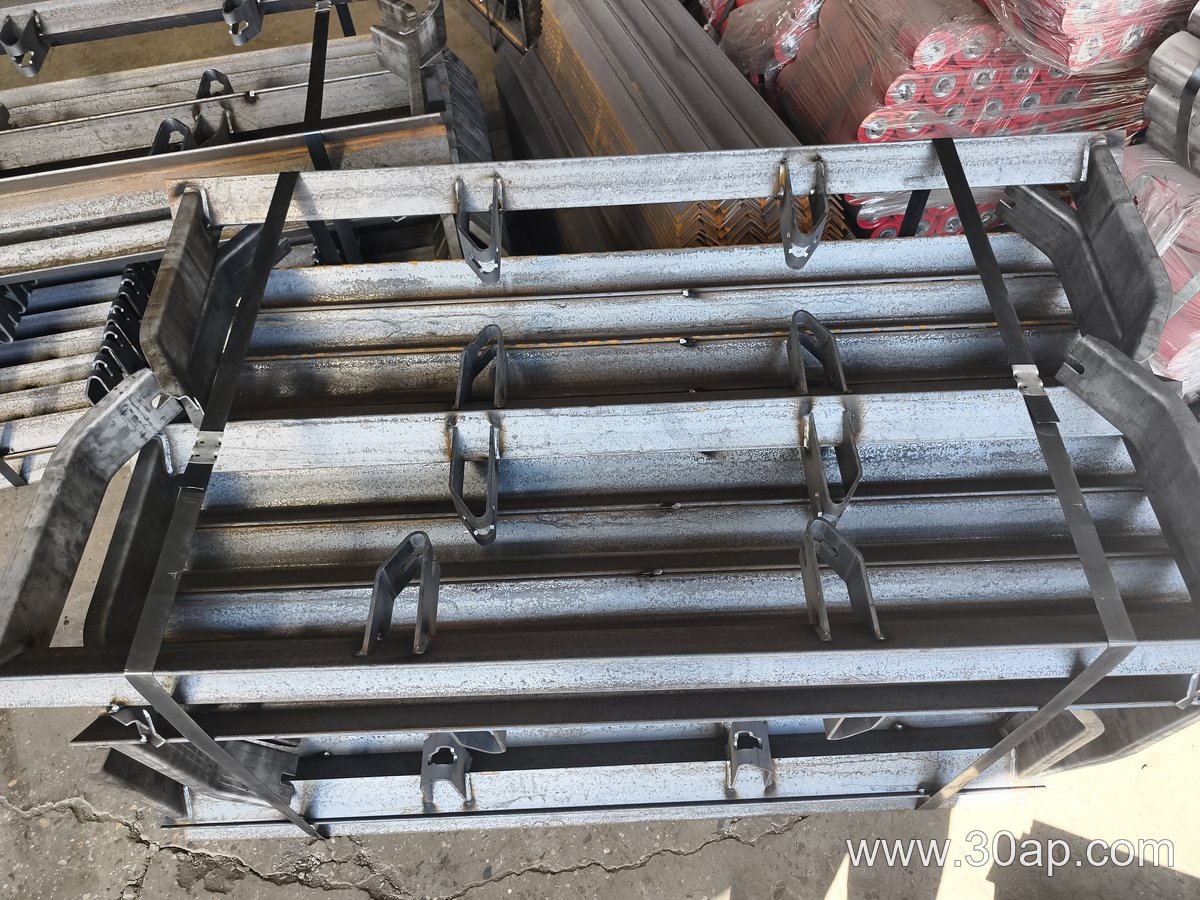
Selection and Purchasing Advice
- Match bracket material to your environment: mild steel for dry loads, stainless steel for washdown or corrosive areas.
- Confirm mounting hole spacing and shaft diameter against your existing conveyor frame.
- Check load rating and duty cycle; avoid undersized brackets that flex under peak loads.
- Prefer adjustable or slotted brackets for easier belt tracking and roller replacement.
- Buy from suppliers offering consistent tolerances and documented material certificates.
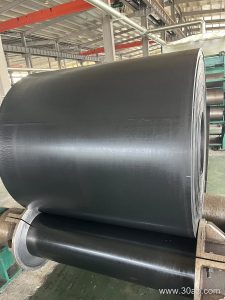
Conveyor Belt Selection for Global Buyers
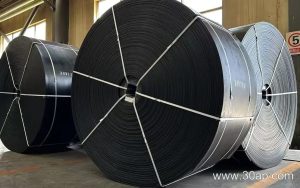
A conveyor belt is the core of any material handling system. Exporters must match belt type to load, speed, and environment.

Key Buying Factors
- Material: rubber, PVC, or steel
- Surface: smooth, cleated, or grip
- Load capacity and width
- Temperature and chemical resistance
Request test reports and confirm standards before purchase.