What Conveyor Bracket Procurement Covers
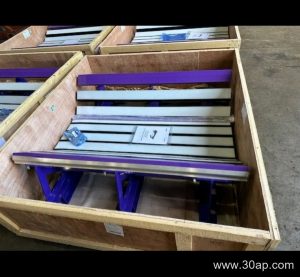
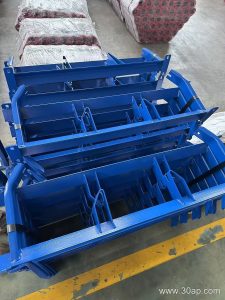
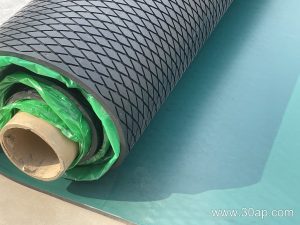
Conveyor bracket procurement is the process of sourcing the structural supports that hold idler rollers and carry the conveyor belt along a conveyor line. In many plants this item is simply called a conveyor support bracket or idler bracket, but the same product family includes troughing brackets, transition brackets, return brackets, flat return brackets, V-return brackets, impact brackets, self-aligning brackets, forward-tilt brackets, spiral roller brackets, and suspended brackets. Each subtype has a distinct role, so a buyer should never treat a drive pulley, tail pulley, or bend pulley as a substitute for a bracket. Those are different components with different functions.
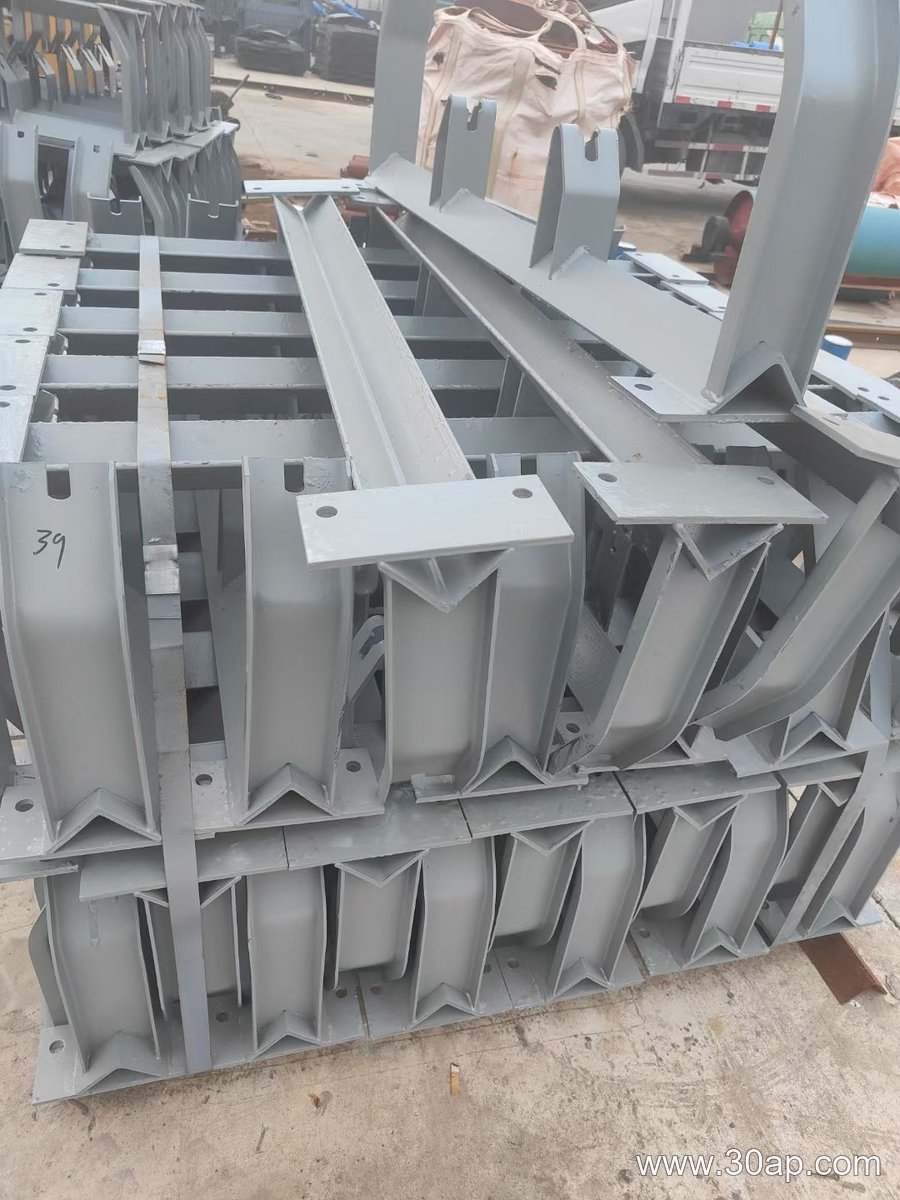
The bracket itself is usually fabricated from angle steel, channel steel, or folded steel plate. It may be fixed or adjustable, and it is normally bolted to the conveyor frame. The bracket does not move the belt; it positions the idler roller so the belt runs at the intended trough angle and alignment.
How the Bracket Is Built and Where It Fits
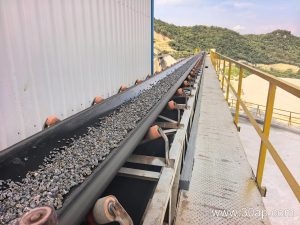
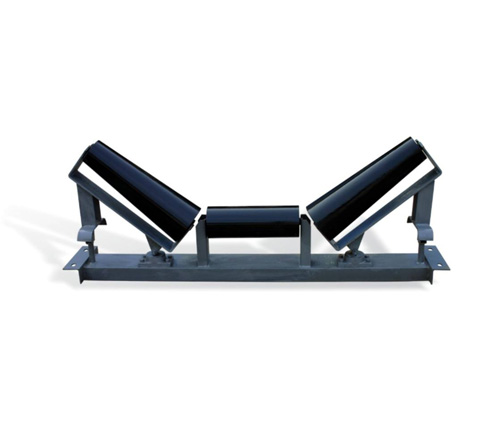
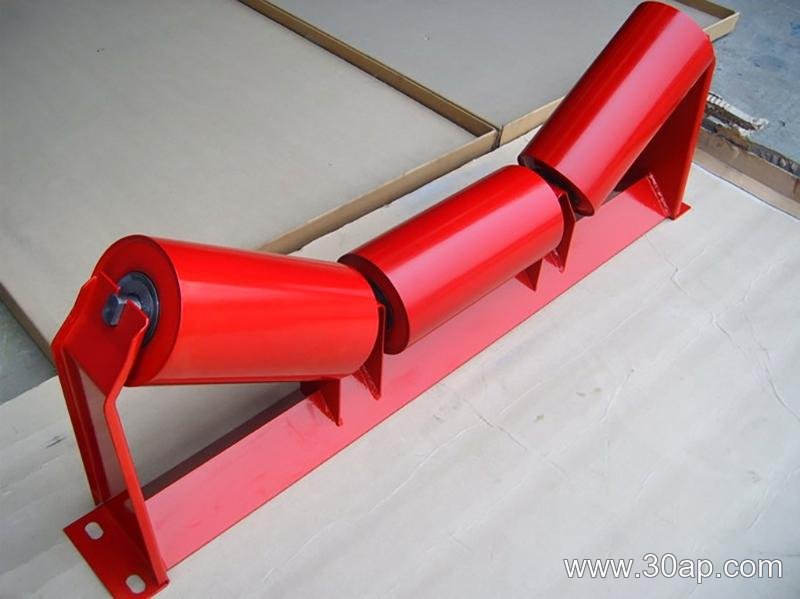
A typical troughing bracket carries three idler rollers in a trough shape. The side rollers sit at a trough angle, while the center roller supports the middle of the belt. Common trough angles include 20, 30, 35, and 45 degrees. Adjustable brackets allow the user to change the trough angle within a range, which helps when the same frame must handle different belt loading conditions. Forward-tilt brackets usually set the side rollers at about 1.5 to 2 degrees forward to help center the belt.
Return brackets support the empty side of the conveyor belt. A flat return bracket uses a single horizontal roller, while a V-return bracket uses two rollers set in a V shape to improve belt tracking. Impact brackets are placed under the loading zone and often use impact idler rollers to absorb falling material. Self-aligning brackets correct minor belt misalignment, and suspended brackets hang from the frame rather than sitting on top of it.
These brackets appear in many bulk material handling locations. In a limestone quarry, troughing brackets and impact brackets support the conveyor belt under crushed rock. In a coal washing plant, return brackets and self-aligning brackets keep the belt running true after the wash box. The same product is used in sand and gravel lines, crushing and screening circuits, cement plants, power plant coal handling, ports, steel mills, sintering plants, concrete batching plants, tunnel muck removal, fertilizer plants, and grain silos. The exact bracket type depends on the belt width, the roller diameter, and the material being carried.
Matching Brackets to Belt Width and Roller Diameter
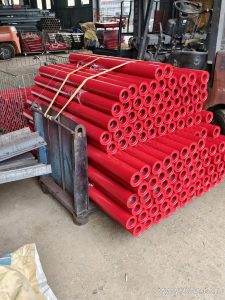
Belt width and roller diameter are related but not locked together. A bracket designed for B800 belt can accept different roller diameters depending on the frame design and the load. Common belt widths include B500, B650, B800, B1000, B1200, B1400, B1600, B1800, B2000, and B2200. Common roller diameters include 89 mm, 108 mm, 133 mm, 159 mm, and 194 mm. A B800 conveyor might use a 108 mm roller with a 35-degree troughing bracket, while a B1200 conveyor might use a 133 mm roller with a 45-degree bracket. These are examples, not fixed rules. The mounting hole spacing and crossbeam length change with belt width and trough angle, so the buyer should confirm dimensions against the actual conveyor frame.
When comparing bracket types, note that a forward-tilt bracket is not the same as a self-aligning bracket. The forward-tilt bracket uses a small forward angle on the side rollers, while the self-aligning bracket uses a pivot or linkage to steer the belt. Both can improve tracking, but they work differently. Similarly, a V-return bracket is not a flat return bracket; the V shape adds tracking control on the return run.
What a Buyer Should Confirm Before Ordering
- Belt width and trough angle: confirm the bracket matches the conveyor frame and the required trough angle.
- Roller diameter and mounting dimensions: check that the bracket accepts the idler roller diameter and the existing hole pattern.
- Bracket type: troughing, transition, return, flat return, V-return, impact, self-aligning, forward-tilt, spiral, or suspended.
- Material and finish: angle steel, channel steel, or folded plate, with the required surface treatment.
- Adjustability: fixed or adjustable, and whether the adjustment range covers the needed trough angles.
- Quantity and spare parts: order enough brackets for the full conveyor, plus a few spares for wear or damage.
Conveyor bracket procurement is not just about buying a piece of steel. It is about matching the support structure to the conveyor belt, the idler roller, and the conveyor pulley layout so the belt runs smoothly and the rollers last. A bracket that fits poorly can cause belt misalignment, premature roller failure, and unnecessary downtime. A bracket that fits correctly keeps the conveyor running as designed.