What Is a Belt Conveyor Take-Up Pulley
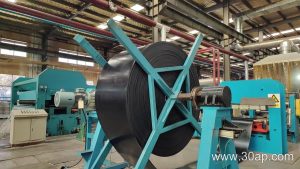
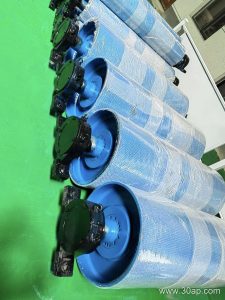
A belt conveyor take-up pulley is a rotating drum placed at the tensioning station of a conveyor system. Its primary job is to maintain proper belt tension as the conveyor operates, compensating for stretch, load variations, and thermal expansion. Unlike a drive pulley that transmits power or a tail pulley that redirects the belt, this pulley moves along a guided frame to keep the belt snug against all other rollers and pulleys. In many aggregate, cement, and coal handling plants, this component is also called a tension pulley or take-up drum.
How It Is Built
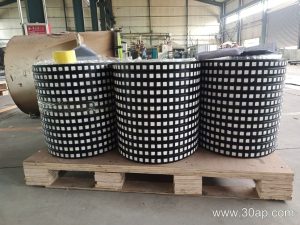
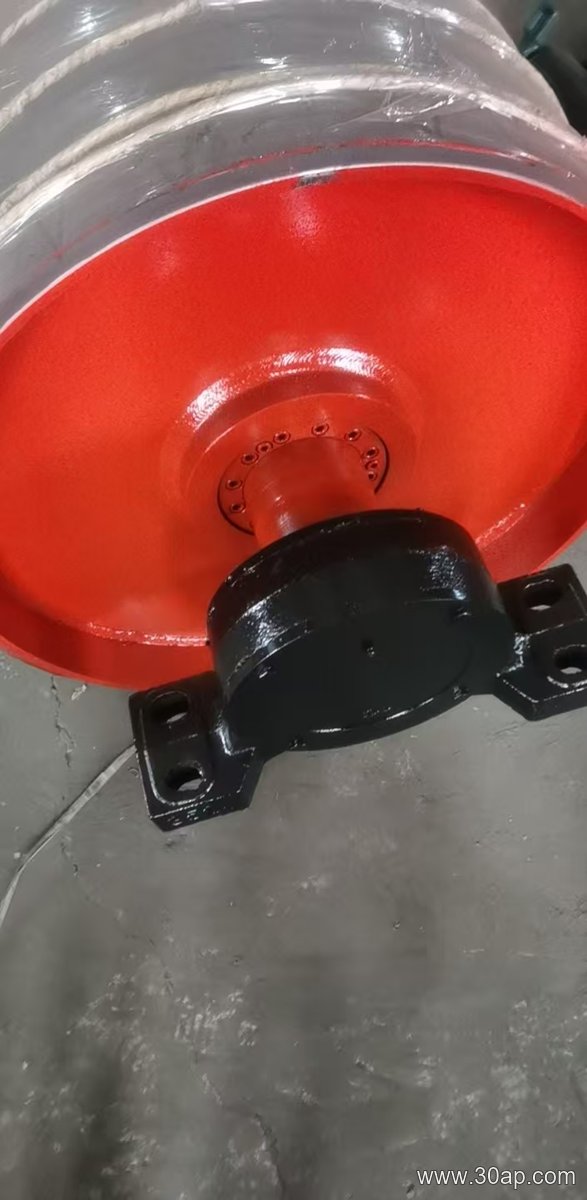
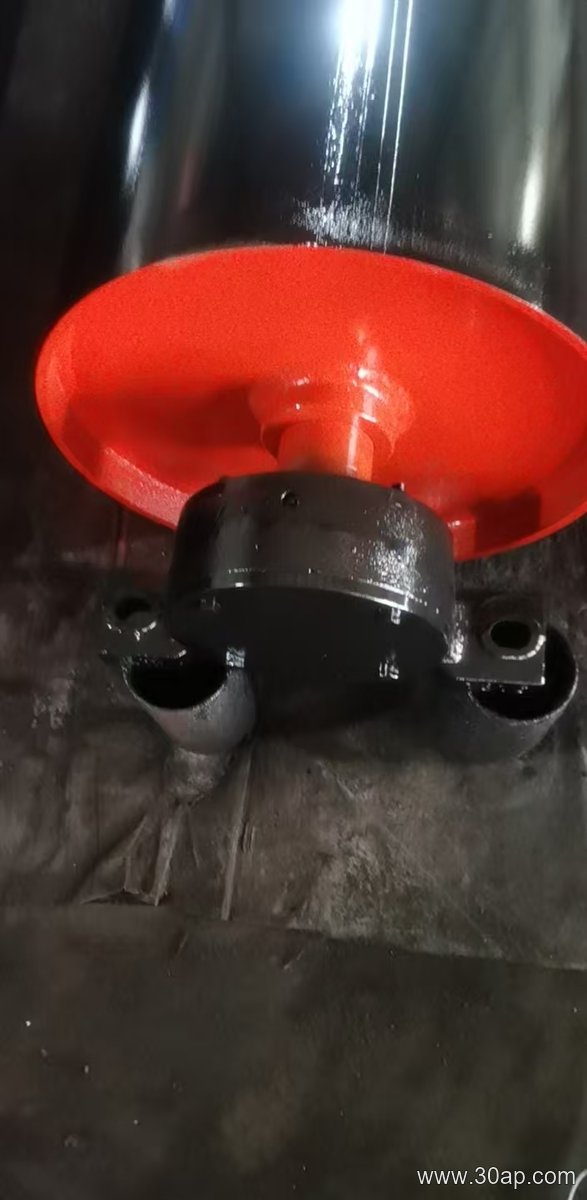
The construction typically includes a cylindrical shell, two end discs, a shaft, and bearing housings. The shell may be seamless steel pipe or fabricated from rolled plate. Surface options vary by application: plain finish, rubber lagging applied cold or hot, diamond grooved lagging, or ceramic lagging for high-wear zones. The shaft diameter is determined by torque and load, not by belt width alone. Common shaft sizes include Ø50, Ø60, Ø80, Ø100, Ø120, and Ø160 mm, but each design must be calculated individually.
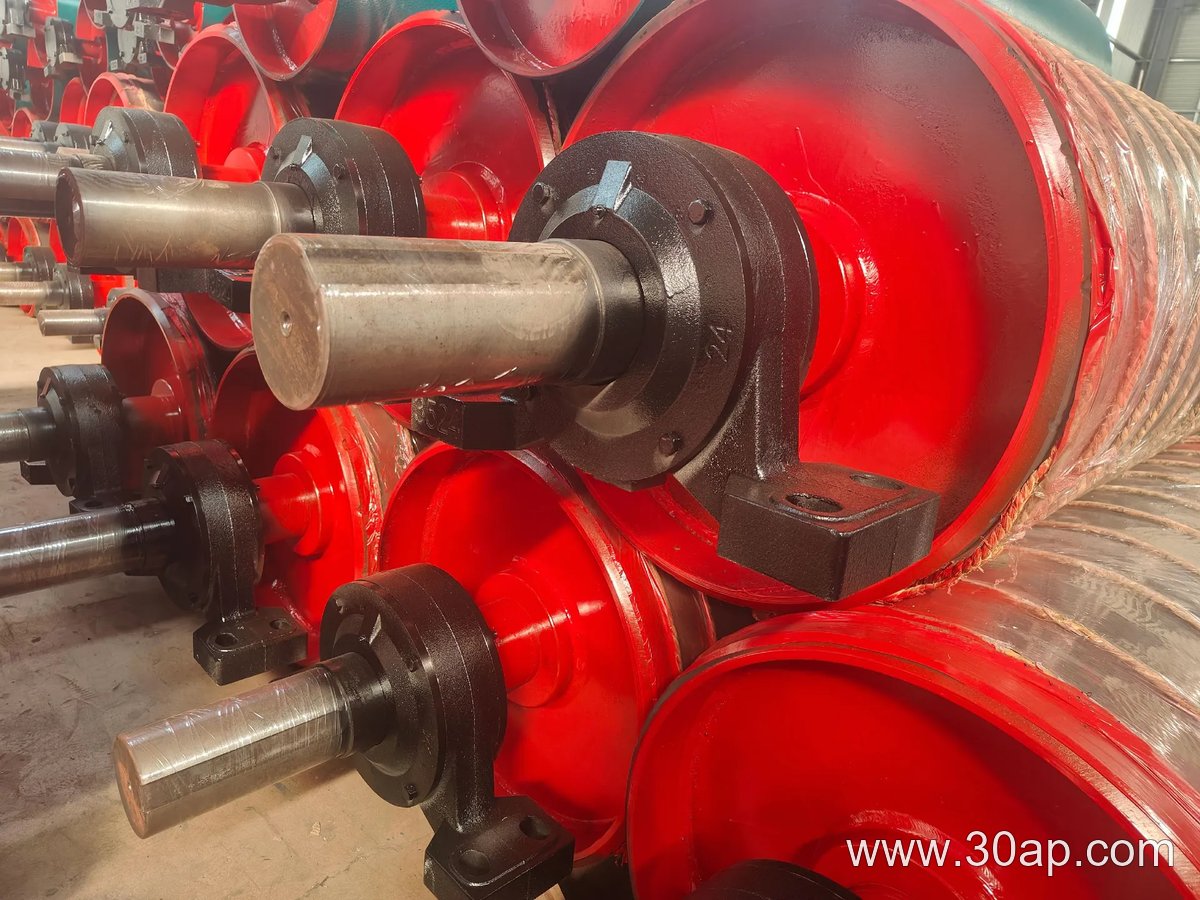
Bearing selection and sealing are critical because the take-up pulley often sits in a dusty or wet area. Grease nipples or automatic lubricators are frequently fitted. The pulley is mounted on a carriage that slides on rails or pivots on a lever, allowing horizontal or vertical travel.
Where It Is Used
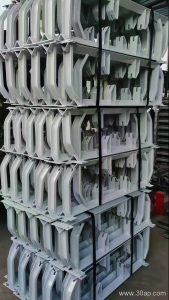
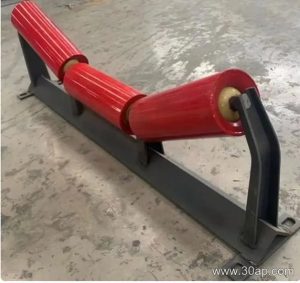
You will find this pulley in quarry crushing circuits, coal preparation plants, cement clinker lines, power station coal yards, and port bulk terminals. It is essential on long overland conveyors where belt stretch is significant. It also appears in tunnel muck removal and fertilizer handling systems. The take-up pulley works together with the conveyor belt, idler rollers, and conveyor brackets to keep the entire line running smoothly.
Key Parameters and Size Examples
When selecting a take-up pulley, engineers consider belt width, pulley diameter, face width, shaft diameter, lagging type, and bearing life. The table below shows common reference combinations, but these are not mandatory pairings. A B1200 belt may use a Ø1000 take-up pulley in one plant and a Ø800 in another, depending on tension requirements and space.
| Belt Width | Typical Pulley Diameter | Typical Face Width | Common Lagging |
|---|---|---|---|
| B500 | Ø250 – Ø400 | 600 mm | Plain or 8 mm rubber |
| B800 | Ø400 – Ø630 | 950 mm | 10 mm diamond lagging |
| B1000 | Ø500 – Ø800 | 1150 mm | 12 mm rubber or ceramic |
| B1200 | Ø630 – Ø1000 | 1400 mm | 15 mm hot vulcanized rubber |
| B1400 | Ø800 – Ø1250 | 1600 mm | 15–20 mm ceramic lagging |
Note that face width is usually slightly larger than belt width to prevent belt edge damage. For a B650 belt, a face width near 750 mm is common. For B1800, a 2000 mm face is typical. Again, these are reference values, not fixed rules.
What a Buyer Should Know
- Clarify the travel distance needed for take-up. A short travel suits a screw take-up, while a long overland conveyor may need a gravity take-up tower with a moving pulley.
- Specify lagging based on material. Abrasive limestone or iron ore calls for ceramic or thick rubber; food or fertilizer may require plain or food-grade rubber.
- Check shaft diameter against actual torque. Do not assume a B1000 belt always needs a Ø100 mm shaft. Load, speed, and pulley weight all matter.
- Confirm bearing type and sealing. Dusty coal or cement plants benefit from labyrinth seals and regreasable bearings.
- Ask for dynamic balance if the pulley will run at high speed. An unbalanced take-up pulley can cause vibration and belt mistracking.
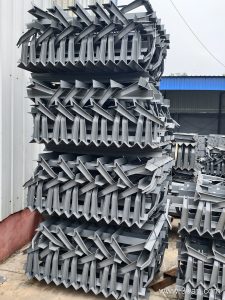
- Consider the conveyor bracket and carriage design. The take-up pulley must fit the existing frame or be supplied with a matching carriage.
Maintenance and Replacement Tips
Inspect lagging for wear or chunking every few months. Worn lagging reduces friction and can cause belt slip at the take-up station. Check shaft for cracks or corrosion, especially in wash-down areas. Lubricate bearings according to the manufacturer schedule. When replacing a take-up pulley, record the old diameter, face width, shaft size, and lagging pattern. A slight change in diameter can affect belt tension and tracking. Always align the new pulley with the conveyor centerline and verify that the belt runs true before full load operation.
For any quarry, cement, or power plant conveyor, the take-up pulley is a small but vital part of the tensioning system. Selecting the right size, surface, and shaft for the actual duty keeps the belt running, reduces downtime, and protects the entire conveyor structure.