What a Belt Conveyor Bracket Does on the Line
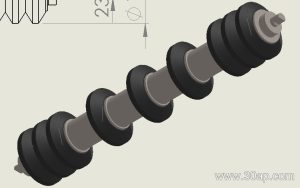
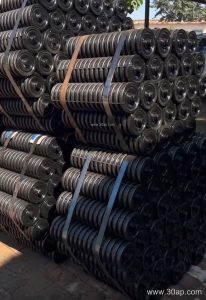
A belt conveyor bracket is the structural frame that holds the idler rollers in the right position under or over the belt. It is not the roller itself and it is not the pulley. The bracket carries the load, sets the trough angle, and keeps the belt tracking straight through the transfer points. In a quarry, a cement plant, or a power plant coal yard, the bracket is the quiet component that decides whether the belt runs clean or wanders.
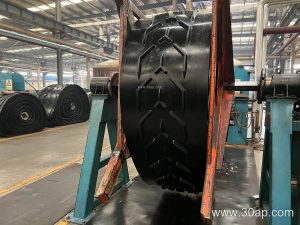
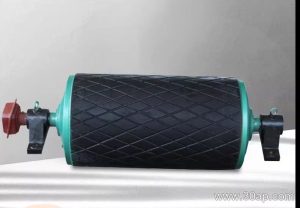
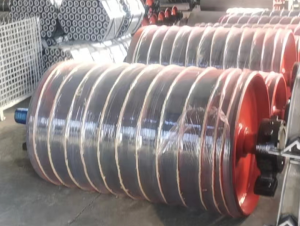
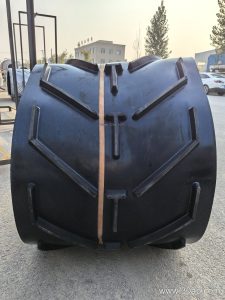
The bracket works together with the conveyor belt, the idler roller, and the conveyor pulley. A weak bracket shows up as a sagging belt edge or a roller that sits out of line. A well-built bracket keeps the belt supported at the correct profile from the tail to the head.
Construction and Materials
Most brackets are fabricated from angle steel, channel steel, or folded steel plate. The cross beam is usually channel or folded plate, while the end supports that hold the roller shafts are cut and drilled from angle or plate. Welded joints and bolt holes must line up so the rollers sit square to the belt centerline.
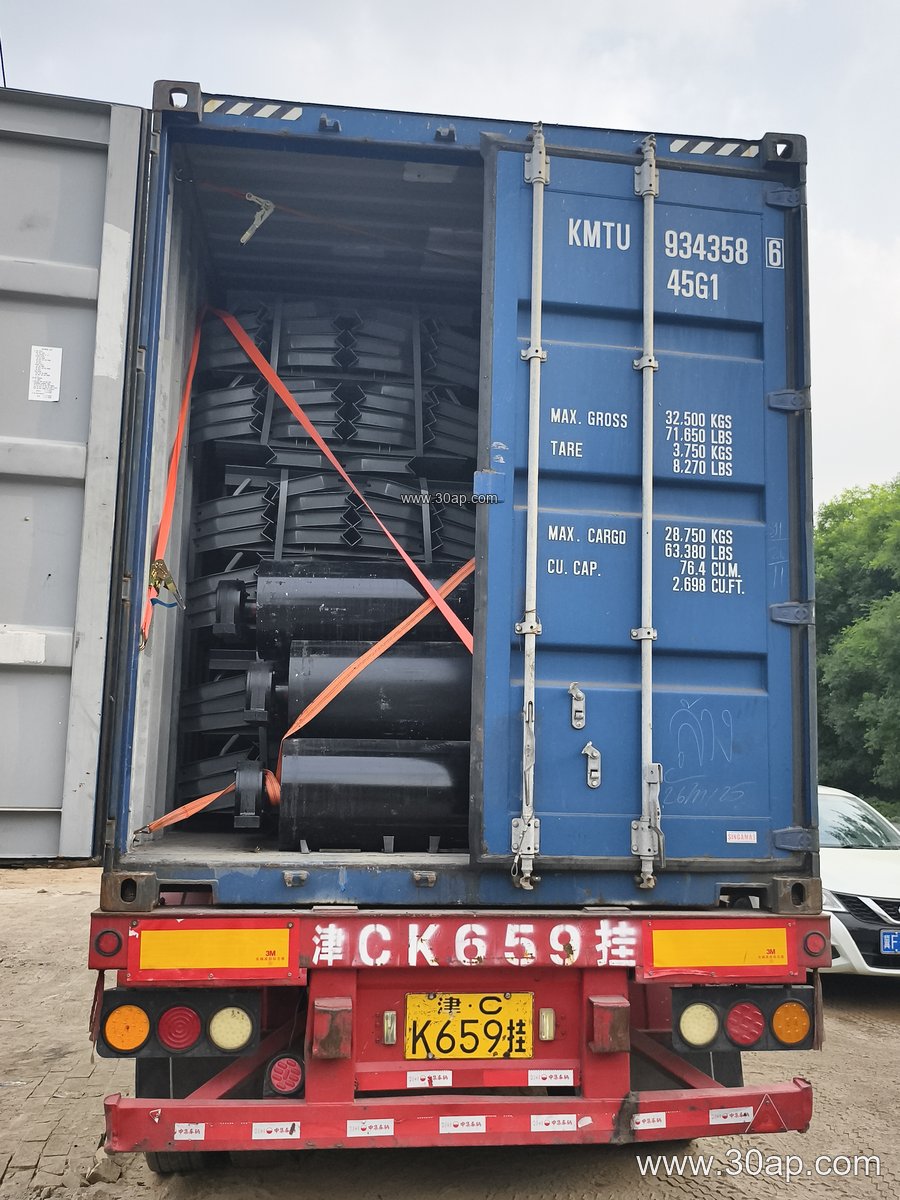
Typical build details include:
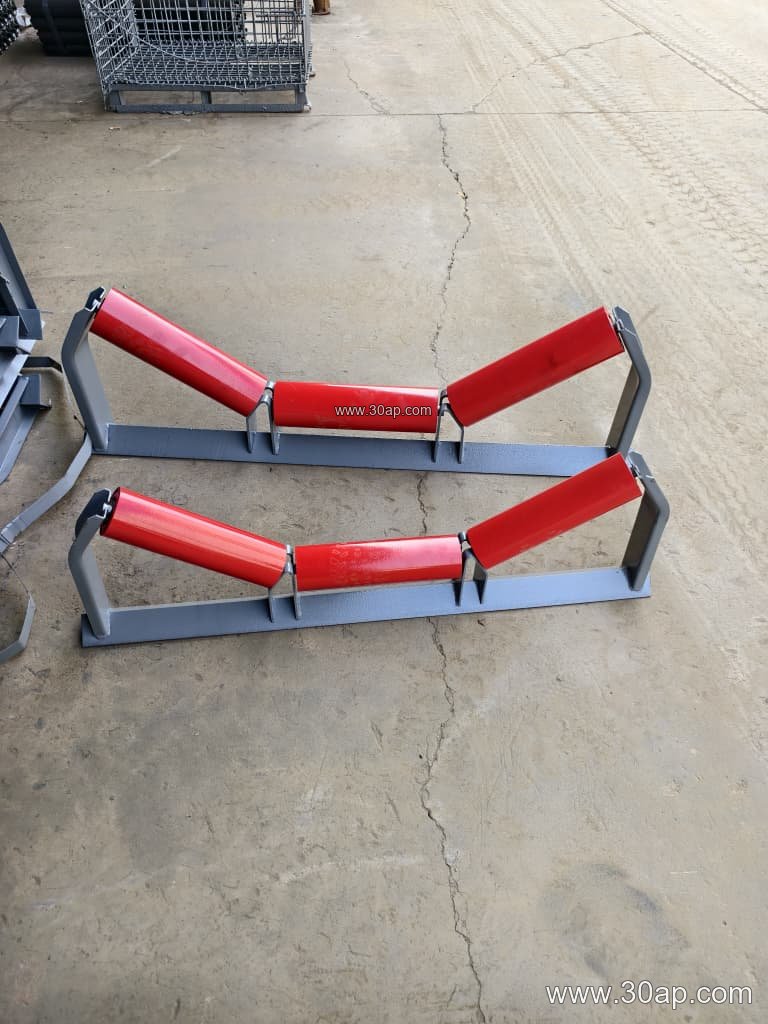
- Cross beam length matched to belt width and trough angle
- Roller mounting slots or holes positioned for the chosen roller diameter
- Paint or galvanized finish for damp tunnels and wash-down areas
- Bolted or welded connection to the conveyor stringer
Installation hole spacing and beam length change with belt width and trough angle, so they are set by design rather than sold as one fixed number.
Common Bracket Types and Where They Sit
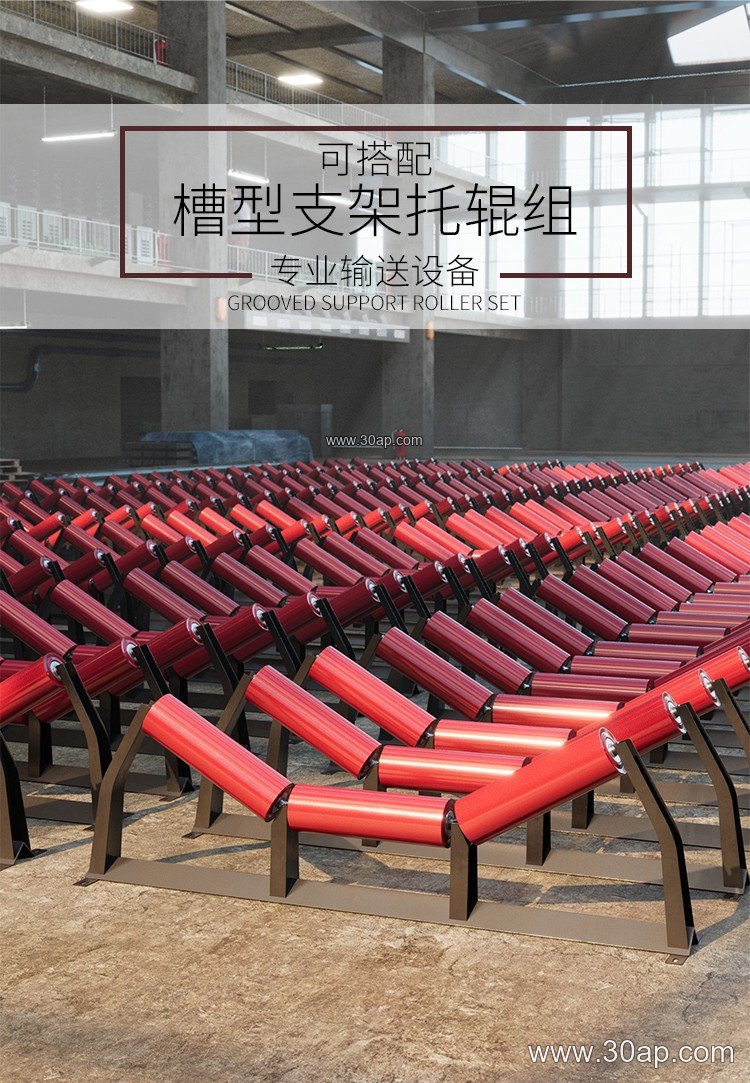
The carry side usually uses a troughing bracket, which may be an upper trough bracket with three rollers set at 20, 30, 35, or 45 degrees. A transition bracket sits near the pulley and gradually opens the belt from flat to troughed. On the return side, a lower flat bracket or a V-return bracket supports the empty belt.
Other forms serve special duties. An impact bracket with cushion rollers goes under the loading chute in a crusher or screen feed. A self-aligning bracket corrects belt drift. A forward-tilted bracket, often about 1.5 to 2 degrees, helps center the belt. A suspended bracket hangs from the structure in tight transfer towers.
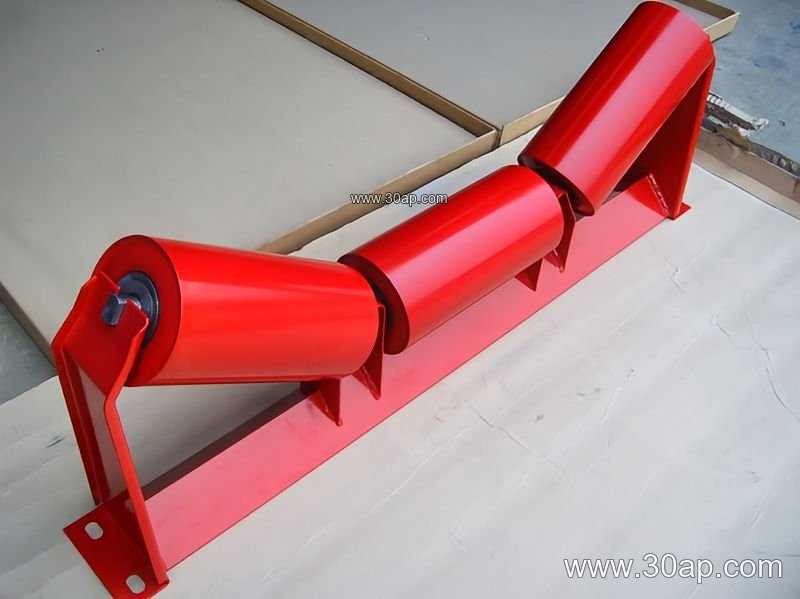
Adjustable brackets allow the trough angle to be changed on site, which is useful when a line handles both fine aggregate and lump ore. For comparison, a bend pulley changes belt direction, but it is a different component and does not replace a bracket.
Matching Belt Width, Trough Angle, and Roller Diameter
Bracket selection starts with belt width, trough angle, and roller diameter. Common combinations in bulk handling include B800 with 35 degrees and Ø108 rollers, B1200 with 45 degrees and Ø133 rollers, and B650 with 30 degrees and Ø89 rollers. These are examples, not fixed rules. A wider belt can run at a lower trough angle, and roller diameter depends on load and speed.
| Belt Width | Typical Trough Angle | Common Roller Diameter |
|---|---|---|
| B500 | 20 to 35 degrees | Ø89 |
| B650 | 20 to 35 degrees | Ø89, Ø108 |
| B800 | 30 to 35 degrees | Ø108, Ø133 |
| B1000 | 30 to 45 degrees | Ø108, Ø133 |
| B1200 | 35 to 45 degrees | Ø133, Ø159 |
| B1400 | 35 to 45 degrees | Ø133, Ø159 |
| B1600 | 35 to 45 degrees | Ø159, Ø194 |
| B1800 | 35 to 45 degrees | Ø159, Ø194 |
| B2000 | 35 to 45 degrees | Ø194 |
These values are reference data. Final dimensions follow the conveyor design and the actual roller shaft.
Where the Bracket Is Used
In a limestone mine or aggregate plant, troughing brackets carry crushed rock on the main haulage belt. In a coal-fired power plant, flame resistant belting runs over brackets in the coal yard and transfer house. In a cement plant, brackets support clinker and raw meal lines where dust and heat are present. A stone crushing line uses impact brackets under the crusher discharge to absorb lump shock.
The same hardware also appears in port loading systems and steel plant sinter lines. In each case the bracket must suit the belt, the idler roller, and the environment.
Buyer Checklist
- Confirm belt width B and required trough angle before ordering
- State the roller diameter and shaft size so mounting holes match
- Choose materials for the site: coated steel for wet tunnels, heavier sections for high load
- Decide between fixed and adjustable brackets based on how often the profile may change
- Check that bracket spacing follows the conveyor design, not a single universal figure
- Keep spares of the most used bracket form to reduce downtime
A bracket is simple, but it holds the whole line together. Matching it correctly to the belt, the rollers, and the duty keeps a quarry, mine, or plant running without constant tracking adjustments.