What Is an EP Conveyor Belt
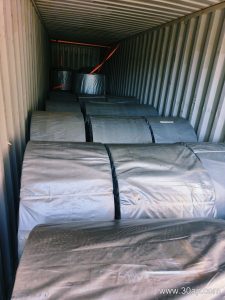
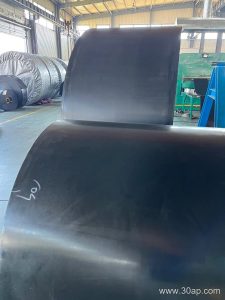
An EP conveyor belt is a multi-ply rubber belt built with polyester warp and polyamide weft fabric. That carcass is usually called EP fabric, and it gives the belt low elongation, good troughability, and strong resistance to impact. In English, the same product is often written as polyester-polyamide conveyor belt or EP fabric belt. These names describe the same construction, not different belt families.
You will see this belt in mines, coal preparation plants, cement works, power stations, sand and gravel yards, and general bulk material handling. It carries crushed rock, clinker, limestone, coal, ore, and similar loads. In a typical conveyor, the belt runs over idler rollers, wraps around a drive pulley and a tail pulley, and may pass a bend pulley where the route changes direction. The belt itself is the load-bearing element; the pulleys and rollers guide and support it.
Construction and Common Grades
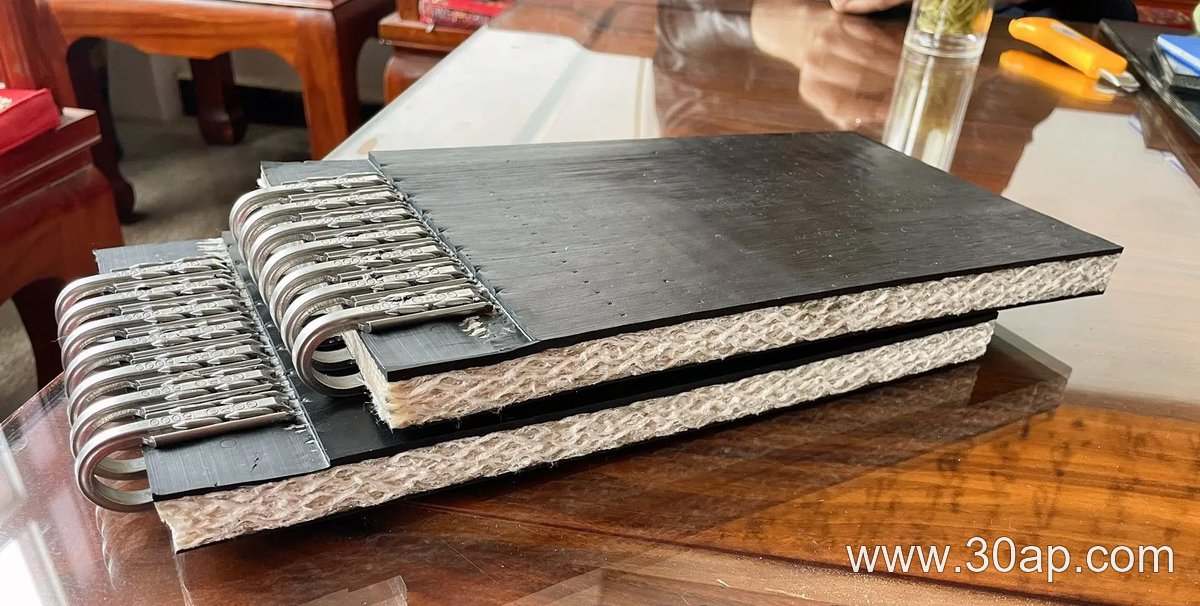
The carcass is made from several layers of EP fabric, usually two to six plies, bonded with rubber skim. Top and bottom cover rubber protect the carcass from abrasion, heat, oil, or moisture. Cover thickness is often written as top plus bottom, such as 3+1.5 mm, 4+2 mm, 5+2 mm, 6+2 mm, or 8+3 mm. The right cover depends on the material and the loading point.
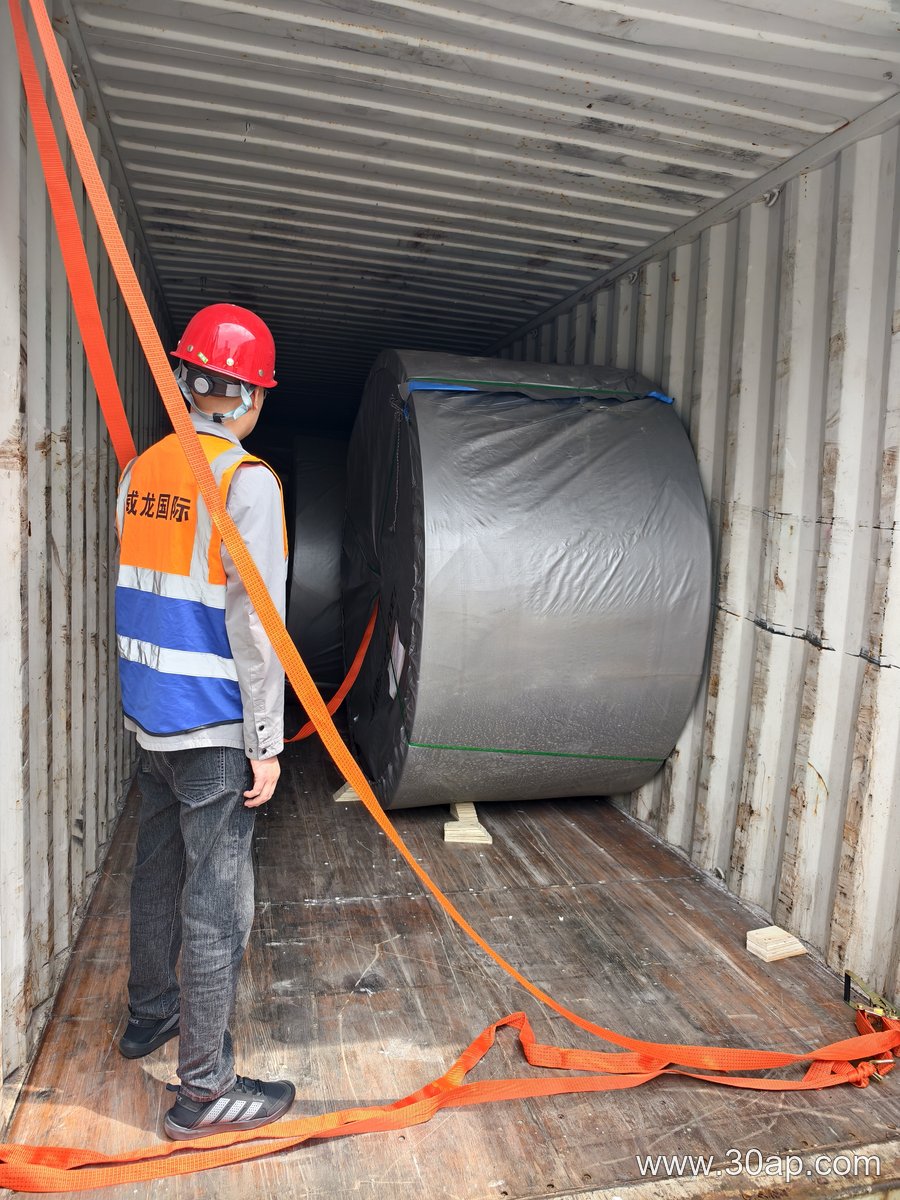
Tensile strength is given as a grade number, for example EP200, EP315, EP400, EP500, EP630, EP800, EP1000, EP1250, EP1600, and EP2000. Higher numbers mean higher breaking strength of the carcass. This is a reference range, not a fixed rule for every plant. A belt for a long overland conveyor in a mine is usually selected with more strength than a short transfer belt in a sand and gravel yard.
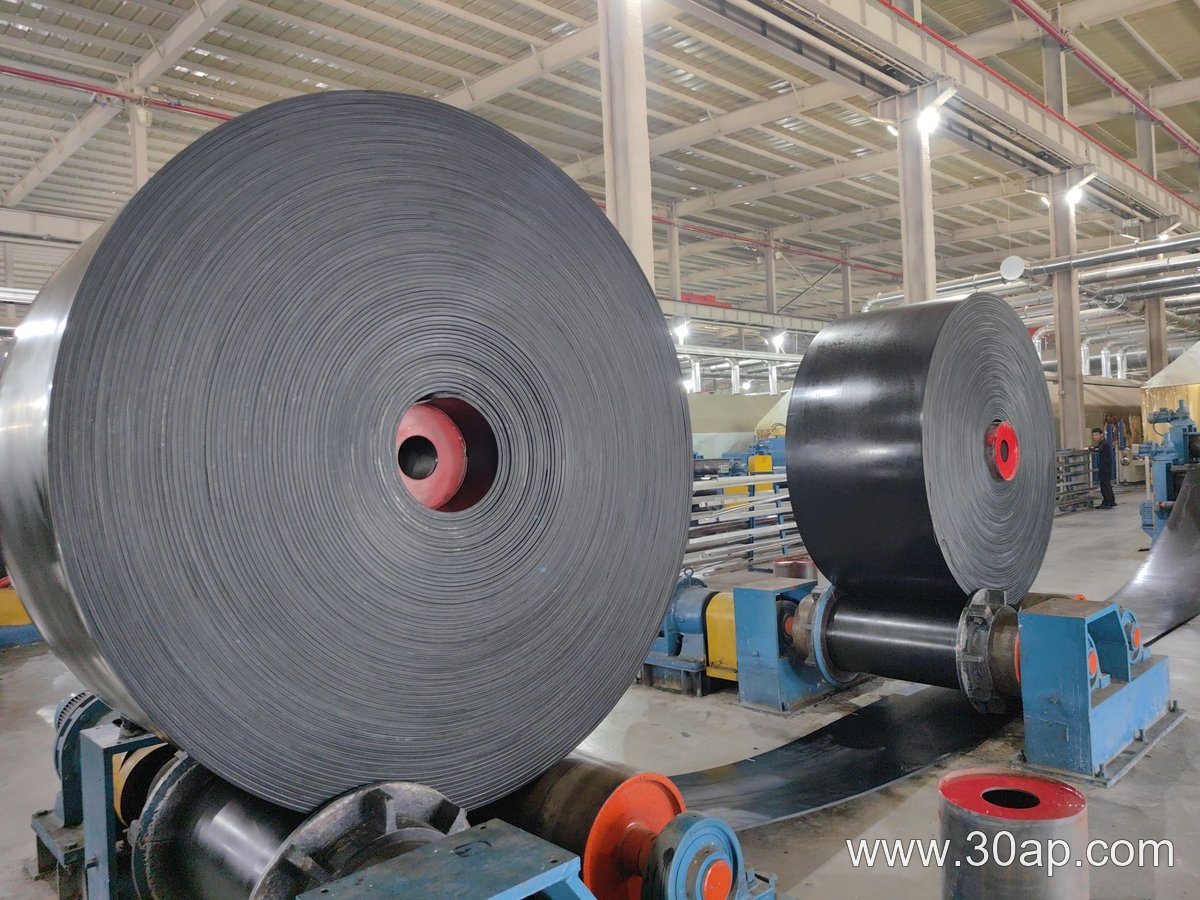
Special versions include wear-resistant, heat-resistant, oil-resistant, flame-retardant, antistatic, cold-resistant, acid and alkali resistant, chevron or patterned, and corrugated sidewall belts. For example, a cement plant handling hot clinker may choose a heat-resistant EP belt, while a coal mine may need flame-retardant and antistatic properties. These are options on the same EP carcass, not replacements for the main product.
Typical Widths and Pulley Notes
Common belt widths include B500, B650, B800, B1000, B1200, B1400, B1600, B1800, and B2000. Width is matched to the conveyor design and the lump size of the material. A wider belt does not automatically mean a larger drive pulley, tail pulley, or bend pulley. Pulley diameter is chosen from belt tension, number of plies, and the manufacturer’s recommendation. Do not assume one belt width can only use one pulley diameter, or that belt width alone sets a fixed shaft diameter.
| Parameter | Common reference values |
|---|---|
| Strength grade | EP200, EP315, EP400, EP500, EP630, EP800, EP1000, EP1250, EP1600, EP2000 |
| Belt width | B500, B650, B800, B1000, B1200, B1400, B1600, B1800, B2000 |
| Cover thickness | 3+1.5 mm, 4+2 mm, 5+2 mm, 6+2 mm, 8+3 mm |
| Carcass plies | 2 to 6 layers, depending on design |
These values are common references. Actual supply varies by manufacturer and project. The final selection should come from the conveyor design, the material, and the operating conditions.
Where It Fits in a Conveyor System
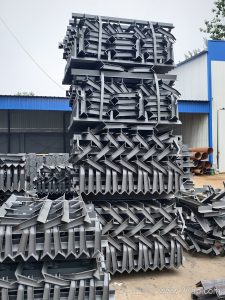
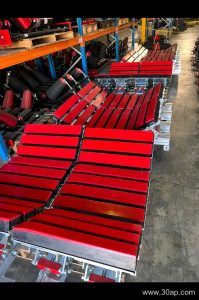
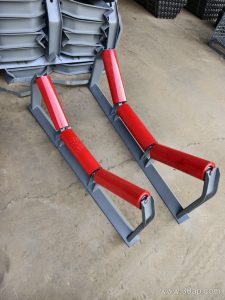
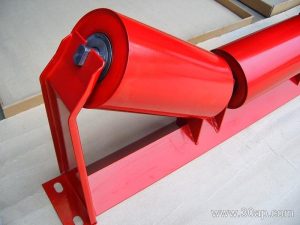
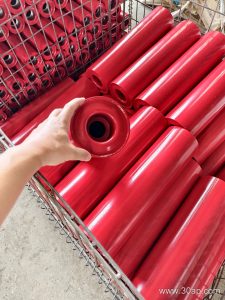
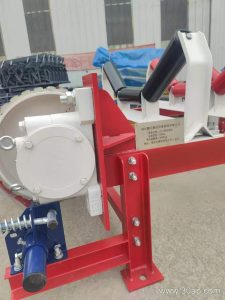
An EP belt works together with conveyor pulleys, idler rollers, and conveyor brackets. The drive pulley transmits motion, the tail pulley returns the belt, and a bend pulley changes the path when space is tight. Idler rollers support the belt and the load along the carrying side, while brackets hold the rollers and pulleys in place. In a coal mine or power plant, a failure in any of these parts can affect the whole line, so belt grade, cover, and pulley matching should be reviewed together.
In a cement plant, an EP belt may feed raw material or clinker. In a sand and gravel yard, it may move washed stone or sand. In a mining operation, it may handle ore over long distances. The same belt type can serve all these areas when the grade, cover, and width are chosen for the duty.
Buyer Checklist
- Confirm the material, lump size, temperature, and whether oil, chemicals, or fire risk are present.
- Check the required strength grade and the number of plies for the conveyor length and load.
- Match the cover thickness to the abrasion and impact at the feeding point.
- Review the drive pulley, tail pulley, and bend pulley diameters with the belt supplier.
- Consider idler roller spacing and conveyor bracket condition, because poor support shortens belt life.
- Ask for the belt width and edge condition, and confirm that the selected width fits the existing structure.
An EP conveyor belt is a practical choice for many bulk handling lines. It is not the only option, and it is not right for every duty. Compare it with other carcass types when heat, oil, or very high tension calls for a different construction. For most mine, cement, power, and sand and gravel conveyors, a correctly specified EP belt with suitable covers will give reliable service.