What a Rubber Idler Is and Where It Fits
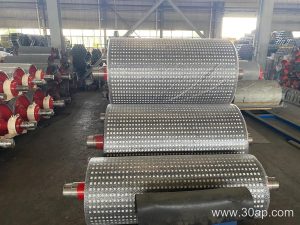
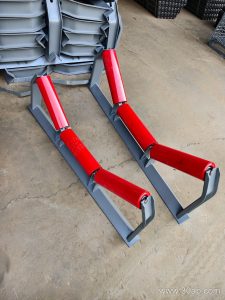
A rubber idler is a conveyor idler roller whose outer surface is covered with rubber rings, a rubber sleeve, or a rubber lagging layer. It supports the conveyor belt and the material load while adding a softer contact surface than a plain steel roll. The product is also called a rubber-covered idler or rubber disc idler, depending on how the rubber is applied. It is not a drive pulley, a tail pulley, or a bend pulley; those are powered or redirecting drums that transmit motion and tension, while a rubber idler is a free-rotating support component mounted on a conveyor bracket.
The rubber surface changes how the roller behaves at the belt interface. It cushions impact, reduces noise, and improves grip between the roll and the belt in some operating conditions. For these reasons, rubber idlers often appear at loading points rather than along the entire carrying run.
How the Roller Is Built
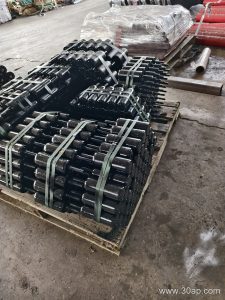
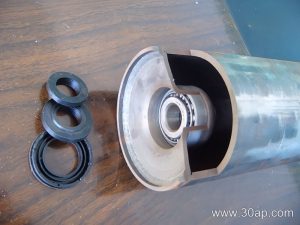
A typical rubber idler starts with a steel tube body, machined end discs, a shaft, and bearing housings. Bearings are usually deep-groove ball bearings such as 6204, 6205, 6305, 6306, 6308, or 6310, selected according to load, speed, and expected service life. Seals protect the bearing cavity from dust and water. The rubber component is then bonded or mechanically fixed to the tube.
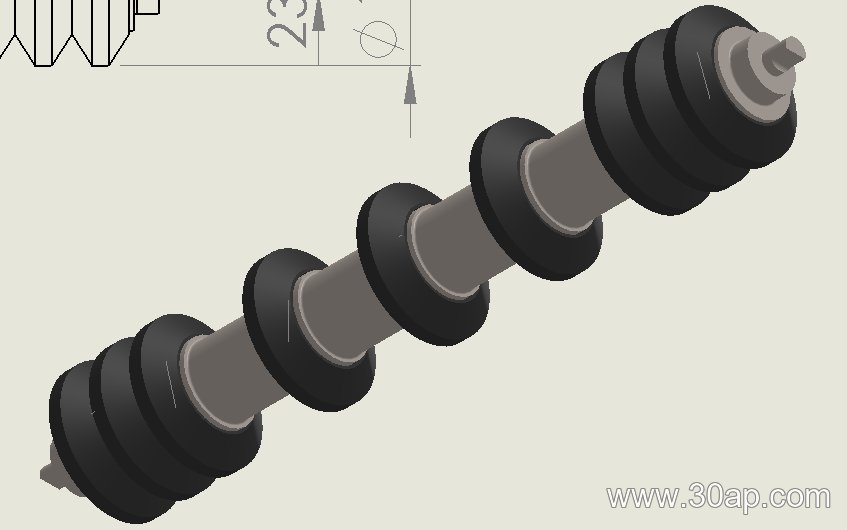
- Rubber ring type: individual rings are pressed onto the shell, often used for impact absorption.
- Rubber sleeve type: a continuous rubber layer covers the roller body.
- Rubber lagged type: a rubber sheet is bonded to the steel surface for grip and wear protection.
The rubber hardness, thickness, and ring spacing are chosen by the manufacturer for the application. A softer rubber absorbs more impact but wears faster under sharp material. A harder rubber lasts longer but cushions less. The shaft diameter is determined by the bearing, load, and roller series, not by belt width alone, so buyers should not assume a fixed shaft size from a given belt width.
Where Rubber Idlers Are Used
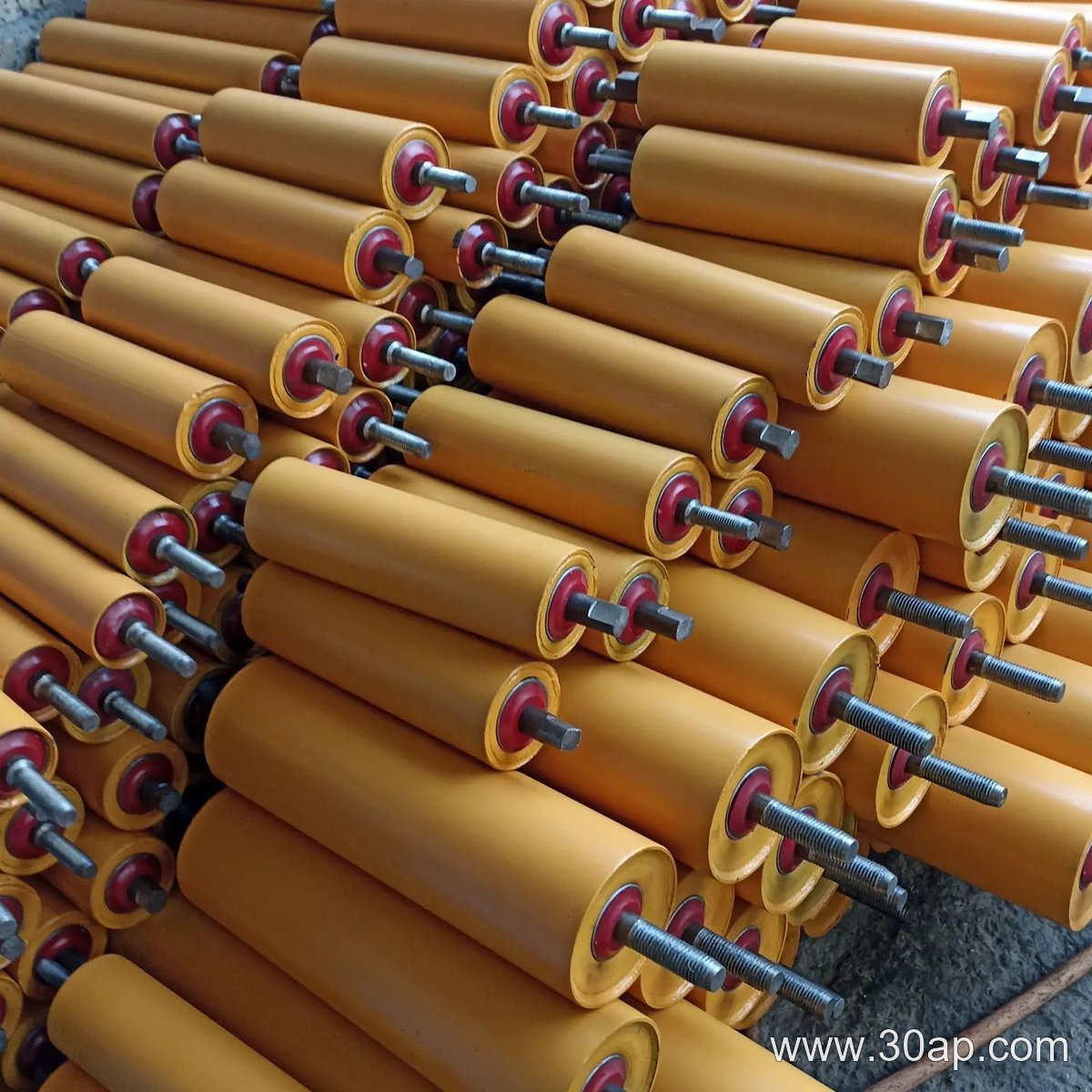
Rubber idlers are common in bulk material handling where the belt receives heavy or lumpy loads. Two typical locations are the crushing and screening section of an aggregate plant and the coal receiving area of a power station. At a transfer chute, the belt is hit by falling rock or coal, and a rubber idler helps spread that impact over a longer section of belt. In a concrete batching plant, rubber rollers may also be used on short conveyors that carry sand and gravel.
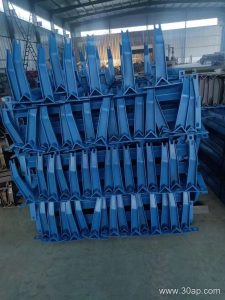
They can be arranged as a single roller, a two-roll set, or a three-roll troughing set. The trough angle is usually 20, 30, 35, or 45 degrees, depending on belt width and material characteristics. A flat return roller is a different function and is not a replacement for a rubber impact idler, though both may appear on the same conveyor.
Selection Points for Buyers
When specifying a rubber idler, consider the belt width, the load, the material lump size, and the belt speed. Common belt widths range from B400 to B2400, and common roller diameters include 63 mm, 76 mm, 89 mm, 102 mm, 108 mm, 127 mm, 133 mm, 159 mm, 178 mm, 194 mm, and 219 mm. These are reference ranges, not fixed matches; a B800 belt may use more than one roller diameter depending on the conveyor design. Roller length also varies with belt width, trough angle, and roll configuration. For a three-roll troughing set, typical roll lengths are around 200 mm for B500, 250 mm for B650, 315 mm for B800, 380 mm for B1000, 465 mm for B1200, 530 mm for B1400, 600 mm for B1600, 670 mm for B1800, and 750 mm for B2000. Side rollers and center rollers can differ, so these figures are examples rather than universal rules.
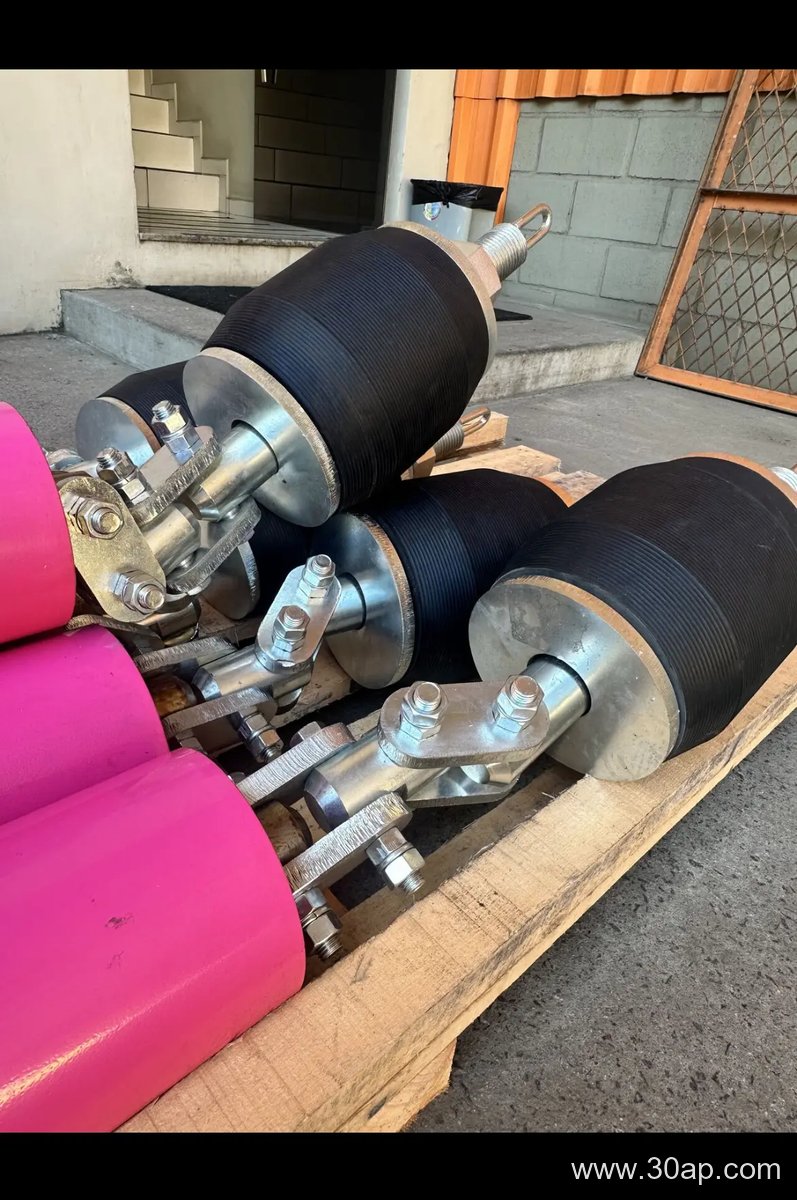
Check the operating environment as well. Wet or dusty conditions call for better sealing. High-impact zones may need a rubber ring design with a thicker cushion. If the belt tends to mistrack, a self-aligning idler or a training idler may be more suitable, but that is a different function and should not be confused with the rubber idler itself. Finally, confirm that the roller shaft, bearing, and bracket dimensions match the existing conveyor frame before ordering.
Maintenance and Practical Notes
Rubber idlers should be inspected for rubber wear, cracking, and missing rings. A worn rubber surface can expose the steel shell and damage the belt. Seized bearings increase drag and can cause belt tracking problems. Keep the roller clean and replace any unit that no longer turns freely. Because rubber idlers are often installed at the loading zone, they tend to wear faster than standard carrying idlers, so periodic checks are worthwhile.
Rubber idlers are not a universal solution for every conveyor. They are best used where impact, noise, or grip justifies the extra cost. For long carrying runs with fine, dry material, a standard steel idler may be more economical. The right choice depends on the actual duty, the belt, and the material being handled.