What an Idler Quotation Covers
An idler quotation is a priced offer for the carrying and return rollers that support a conveyor belt along its run. It is not a single part number but a set of line items: the idler type, roller diameter, roller length, trough angle, bearing size, roller surface, and the bracket arrangement that ties the assembly to the conveyor frame. A buyer in a quarry, a cement plant, or a power plant coal yard may ask for one quotation covering an entire conveyor, or for a single replacement batch on a specific section.
The keyword matters because idlers are consumables. They wear, seize, and get replaced on a schedule, so a clear quotation is the fastest way to compare offers and to keep spare stock consistent with what is already installed.
How the Idler Is Built
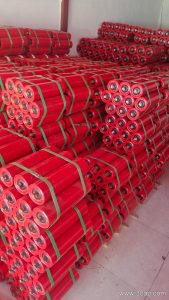
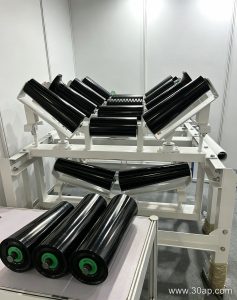
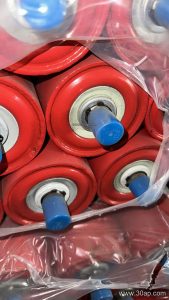
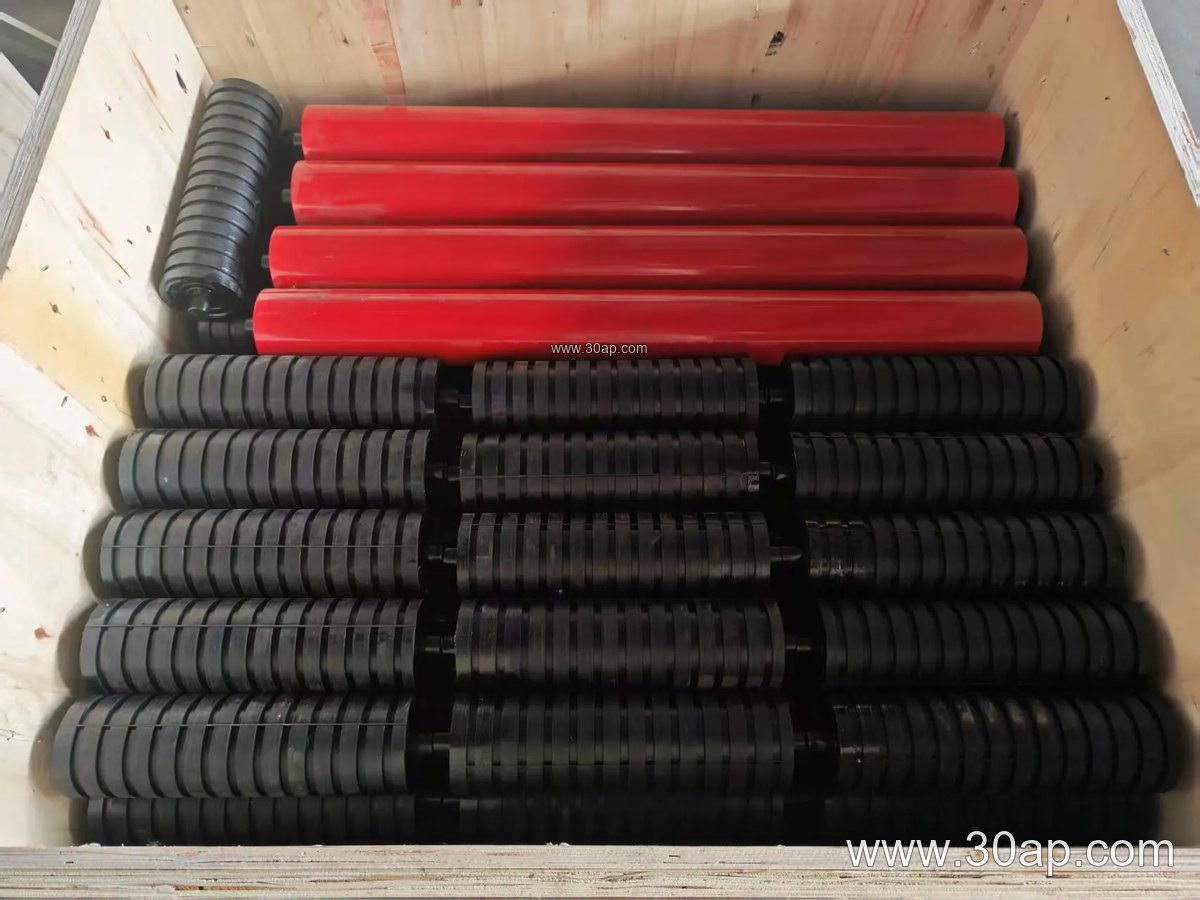
A typical idler roller is a steel tube fitted with bearing housings at each end, sealed against dust and moisture, and mounted on a fixed shaft. The roller surface may stay as bare steel, or it may be covered with nylon, ceramic, or rubber rings depending on the duty. Bearings are usually selected from common sizes such as 6204, 6205, 6305, 6306, 6308, or 6310, and the choice should follow load and speed rather than a single fixed rule.
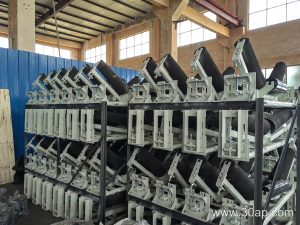
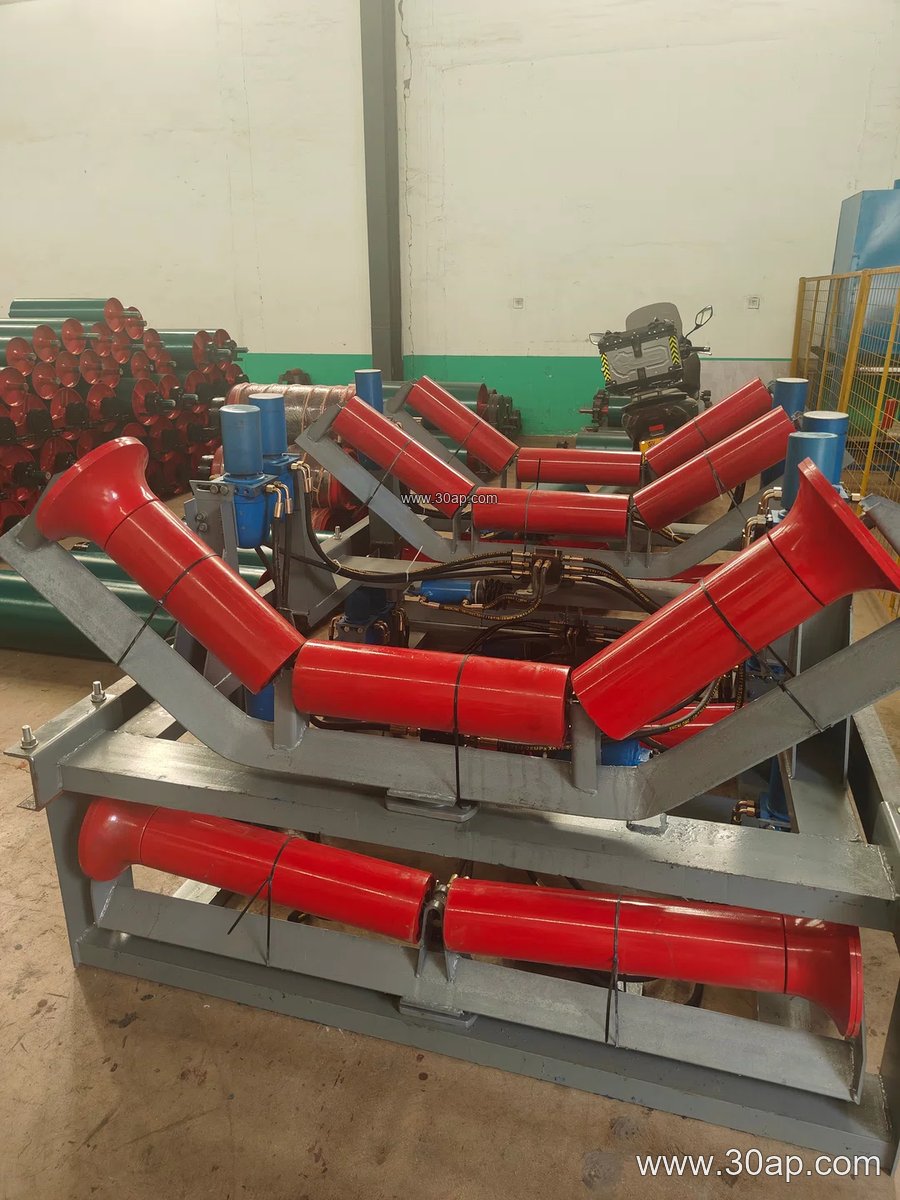
Idlers are grouped into frames: a single roller, a two-roller set, or a three-roller trough set. The trough angle is commonly 20, 30, 35, or 45 degrees, and a slight forward lean of about 1.5 to 2 degrees is used on some training idlers to help keep the belt centered.
Where Idlers Sit on the Conveyor
Carrying idlers hold the loaded side of the belt, while return idlers support the empty side. Impact idlers with rubber rings sit under the loading point to absorb the drop of material. Training idlers correct belt drift. Each position may call for its own line in the idler quotation, because a return roller and a trough set are not interchangeable.
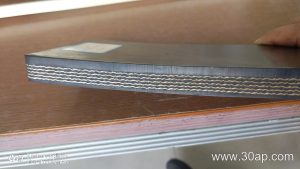
Because the idlers work together with the conveyor belt and the conveyor pulley, the quotation should state the belt width and the belt type it is meant to serve, for example an EP conveyor belt or a steel cord conveyor belt on a long overland run.
Common Reference Dimensions
The table below gives typical reference values. They are examples for orientation, not fixed matches; roller length varies with belt width, trough angle, and frame design.
| Belt width | Typical roller length, three-roller trough | Common roller diameters |
|---|---|---|
| B500 | about 200 mm | Ø63, Ø76, Ø89 |
| B650 | about 250 mm | Ø76, Ø89, Ø102 |
| B800 | about 315 mm | Ø89, Ø102, Ø108 |
| B1000 | about 380 mm | Ø102, Ø108, Ø127 |
| B1200 | about 465 mm | Ø108, Ø127, Ø133 |
| B1400 | about 530 mm | Ø127, Ø133, Ø159 |
| B1600 | about 600 mm | Ø133, Ø159, Ø178 |
| B1800 | about 670 mm | Ø159, Ø178, Ø194 |
| B2000 | about 750 mm | Ø178, Ø194, Ø219 |
Side rollers and center rollers can differ in length within the same set, and a wide belt does not by itself fix the shaft diameter. Those details come from the conveyor design.
What a Buyer Should Check Before Requesting a Quote
- Belt width and belt type, including whether the line runs a fabric core conveyor belt, a heat resistant conveyor belt, or an abrasion resistant conveyor belt.
- Idler position: carrying, return, impact, or training.
- Roller diameter and roller length, or the existing part number.
- Trough angle and frame type, plus the conveyor bracket fixing dimensions.
- Bearing size and sealing requirement for dusty or wet conditions.
- Roller surface: steel, nylon, ceramic, or rubber ring.
- Quantity per line item and whether spares are included.
In a coal washing plant or a limestone crushing line, dust and fines shorten idler life, so the sealing detail is worth confirming in writing. In a cement plant or a steel plant sinter line, heat and abrasion may call for a different roller surface.
Reading the Quotation Line by Line
A good idler quotation separates the idler assembly from the bracket, states the bearing and seal, and notes the roller surface. It should also make clear which belt the idlers serve, since a quotation prepared for a pipe conveyor belt or a corrugated sidewall conveyor belt may need different clearances than one for a flat EP belt. Ask for the roller diameter and length in millimeters, the trough angle in degrees, and the quantity, so the offer can be checked against the drawing before the order is placed.