What the EP100 Conveyor Belt Is
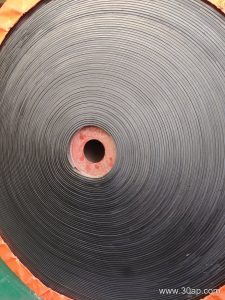
An EP100 Conveyor Belt is a fabric-core rubber belt built on polyester-cotton (EP) canvas, with a nominal tensile strength of 100 N/mm per ply. It sits at the entry level of the EP family, above general-purpose cotton belts and below heavier grades such as EP200 or EP315. In practice, buyers also call it an EP rubber conveyor belt or an EP fabric core conveyor belt, and these names refer to the same product. The carcass gives the belt its strength and low stretch, while the rubber covers protect the fabric from abrasion, moisture, and the material being carried.
Because the tension rating is modest, this belt suits short to medium conveyors rather than long overland lines. It is a common choice for in-plant transport, stockyard feed lines, and secondary conveying where the belt does not face extreme impact or very sharp rock. When a job needs higher tension, specifiers usually move up to EP Conveyor Belt grades such as EP200 or EP315, or to a steel cord construction for very long distances.
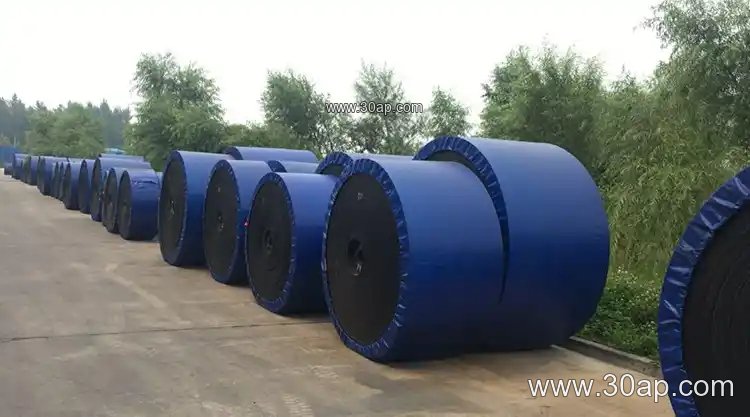
Construction and Cover Options
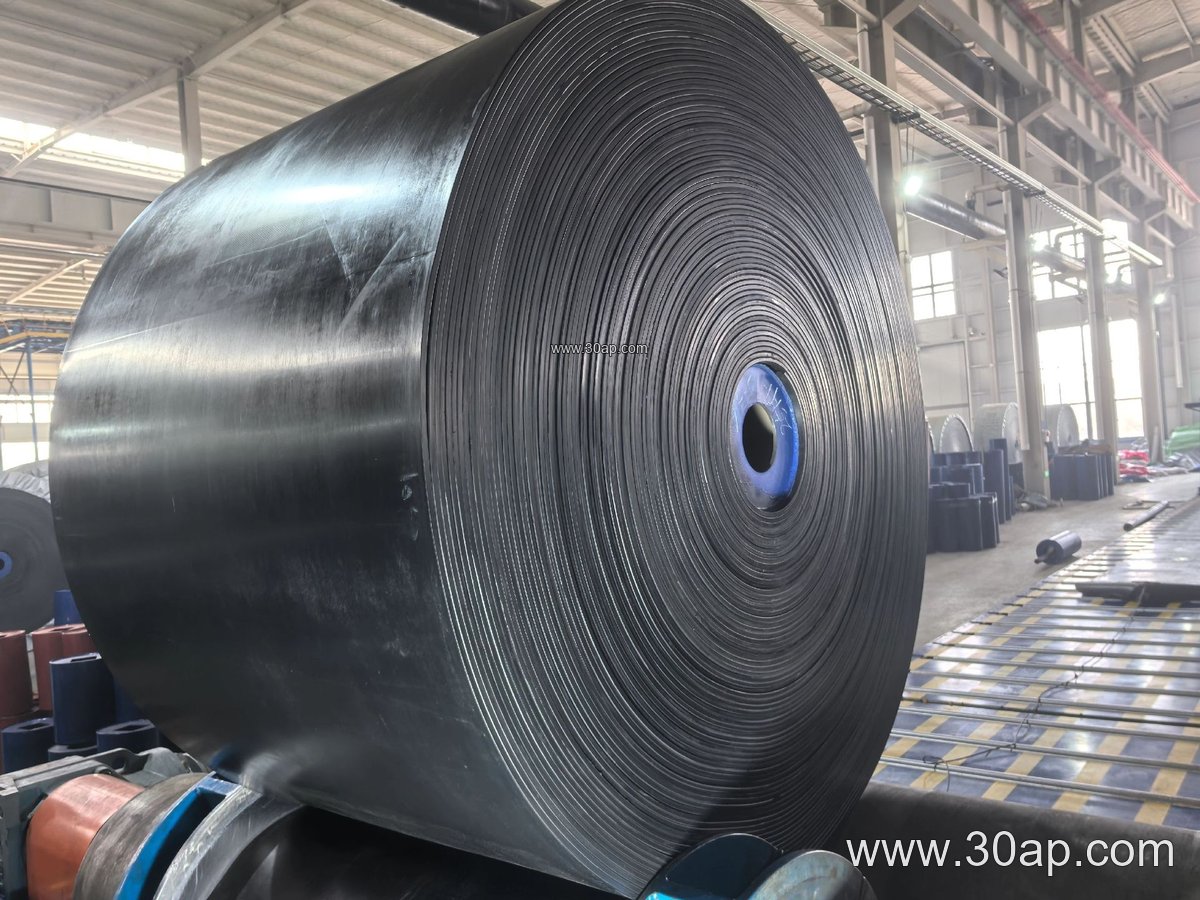
The carcass is normally 2 to 4 plies of EP fabric, though heavier builds can go higher. Top and bottom covers are selected by duty: common combinations include 3+1.5 mm, 4+2 mm, and 5+2 mm. The top cover handles abrasion from the load, and the bottom cover runs against idler rollers and pulleys. A buyer should match cover thickness to the material rather than simply buying the thickest belt available.
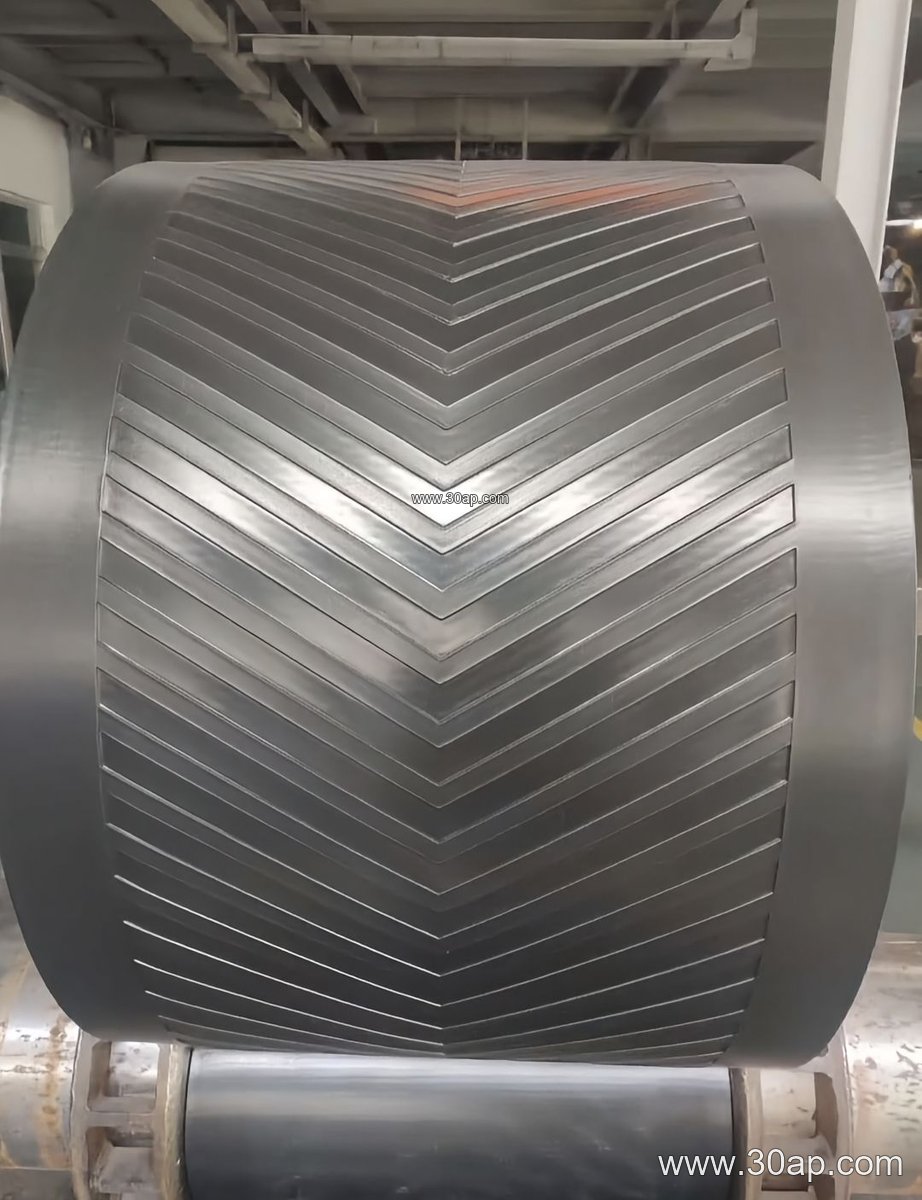
Cover compounds are chosen for the working environment. Heat resistant, oil resistant, flame retardant, anti-static, and cold resistant versions are all produced on EP carcasses, and a quarry or cement plant may specify an abrasion resistant cover for clinker and limestone. In coal mining, a flame retardant and anti-static belt is often required for underground use. The same carcass can also be built as a chevron conveyor belt or a corrugated sidewall belt when the conveyor has an incline or needs material containment.
Typical Working Conditions
The EP100 grade appears across bulk handling industries. In a sand and gravel yard it moves screened aggregate on short transfer conveyors. In a cement plant it may feed clinker or raw meal between sections. Power plants use it on coal yard and ash handling lines where the conveyor length is moderate. It also turns up in fertilizer plants, recycling lines, and general factory transport.
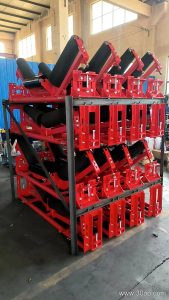
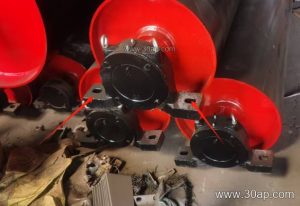
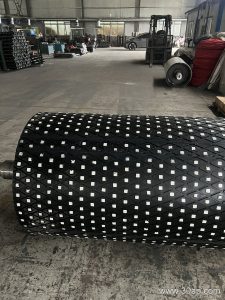
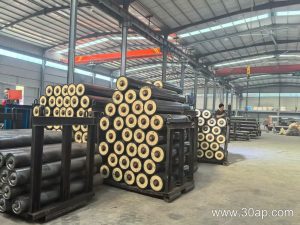
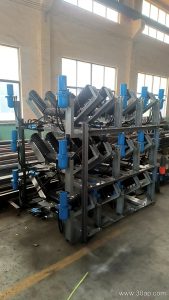
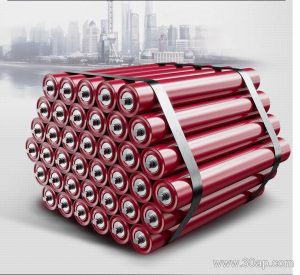
On the conveyor itself, the belt runs over idler rollers on the carrying side and return side, wraps the drive pulley at the head, and passes the tail pulley and any bend pulleys on the return run. Each of these components has its own role. The drive pulley transmits power, the tail pulley sets the return point, and bend pulleys change direction without driving. They are not interchangeable, and belt selection should be checked together with pulley diameters and trough angles rather than in isolation.
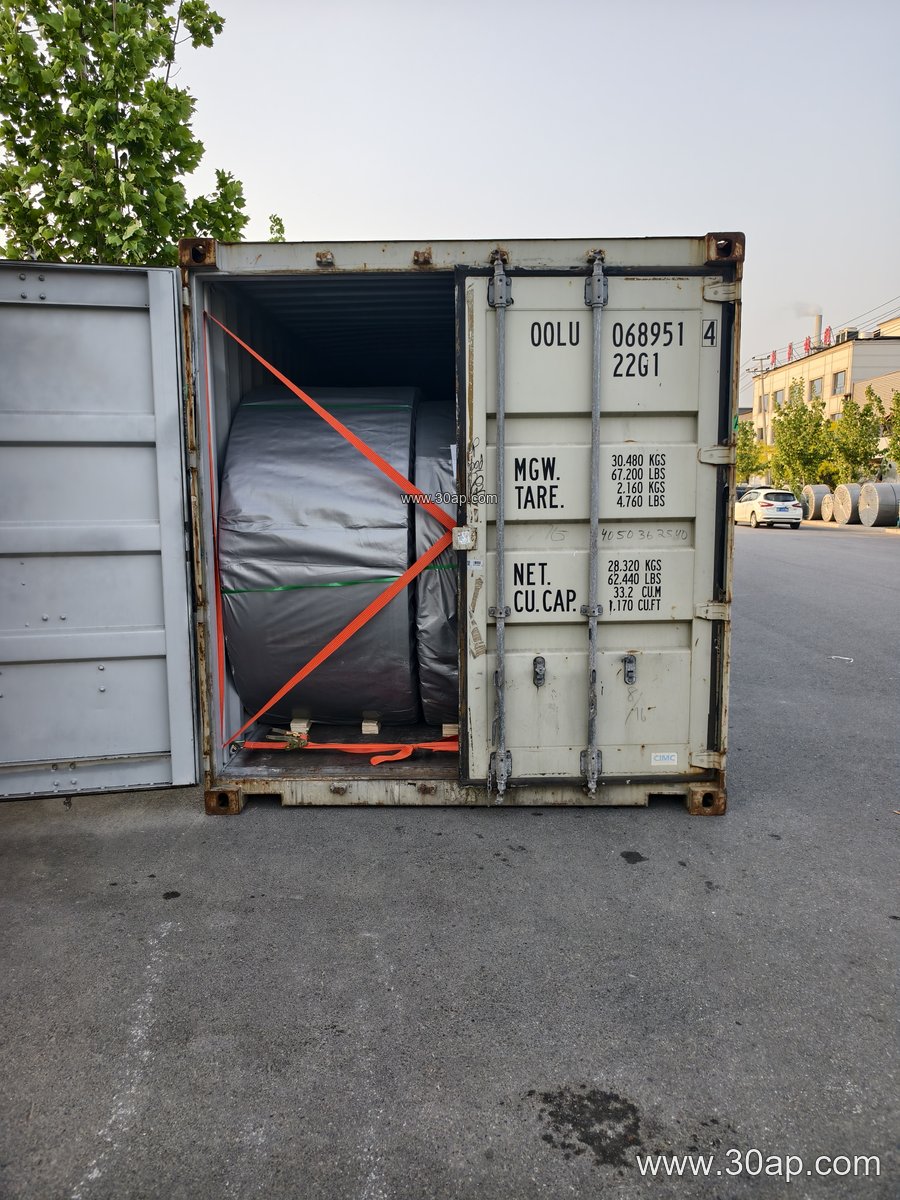
Reference Dimensions and Strengths
Belt width is matched to the conveyor and the lump size of the load. Common widths in this class are listed below as reference values, not as fixed pairings with any pulley or shaft size.
- B500, B650, B800
- B1000, B1200, B1400
- B1600, B1800, B2000
Strength grades in the EP family run from EP100 through EP200, EP315, EP400, EP500, EP630, EP800, EP1000, EP1250, and upward. A higher number means more tension capacity per ply, so an EP100 belt should not be substituted for an EP200 or EP315 duty without recalculating the conveyor. Fabric plies and cover thickness together determine the finished belt thickness, which often lands around 8 to 12 mm depending on the build.
Selection and Maintenance Notes
Start with the actual tension demand, not with a habit. Calculate the working tension from the load, incline, length, and friction, then add a sensible safety margin. Check that the pulley diameters suit the carcass flexibility, since an undersized pulley can fatigue the fabric. Confirm the trough angle and idler spacing so the belt trains well and does not spill material. For hot clinker or sinter, a heat resistant cover is needed; for oily scrap, an oil resistant compound; for cold outdoor yards, a cold resistant grade.
During operation, watch for edge damage, cover wear, and splice condition, and keep the return side free of buildup. A belt that runs misaligned against the conveyor bracket or frame will wear quickly regardless of grade. When replacing an EP100 belt, record the ply count, cover thickness, and width so the next order matches the conveyor rather than guessing from the old belt’s appearance.