What Is a Conveyor Return Idler
A conveyor return idler is the roller that supports the empty, returning strand of a conveyor belt. Unlike the carrying idlers on the top run, return idlers are usually mounted below the belt and hold it up as it travels back to the tail pulley. In a typical bulk handling line, these idlers may be flat, V-shaped, or spiral, depending on how well the belt needs to be trained and how much material carryback is expected. The return idler works together with the conveyor belt, conveyor pulley, and conveyor bracket to keep the belt path stable and the structure simple.
Construction and Common Forms
Most return idlers share a basic build: a steel tube shell, bearing housings at each end, a shaft, and some form of sealing to keep dust and water out. The roller surface can be plain steel, nylon, ceramic, or rubber-covered. For the return side, a flat idler is the most common choice, while a V-type return idler helps center the belt and a spiral return idler can reduce material buildup on the roller face. Bearing sizes such as 6204, 6205, 6305, 6306, 6308, and 6310 are often used, but the correct bearing depends on the load, speed, and idler design rather than on belt width alone.
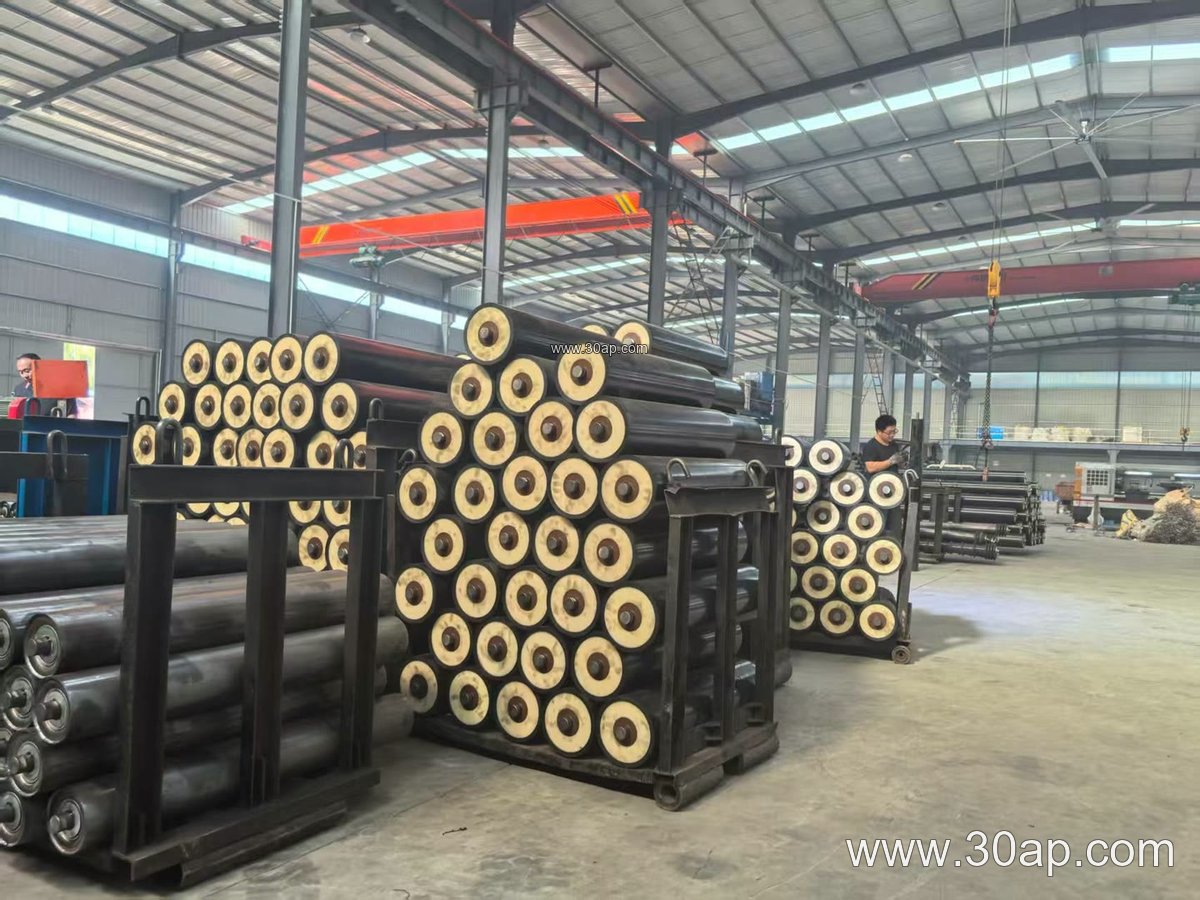
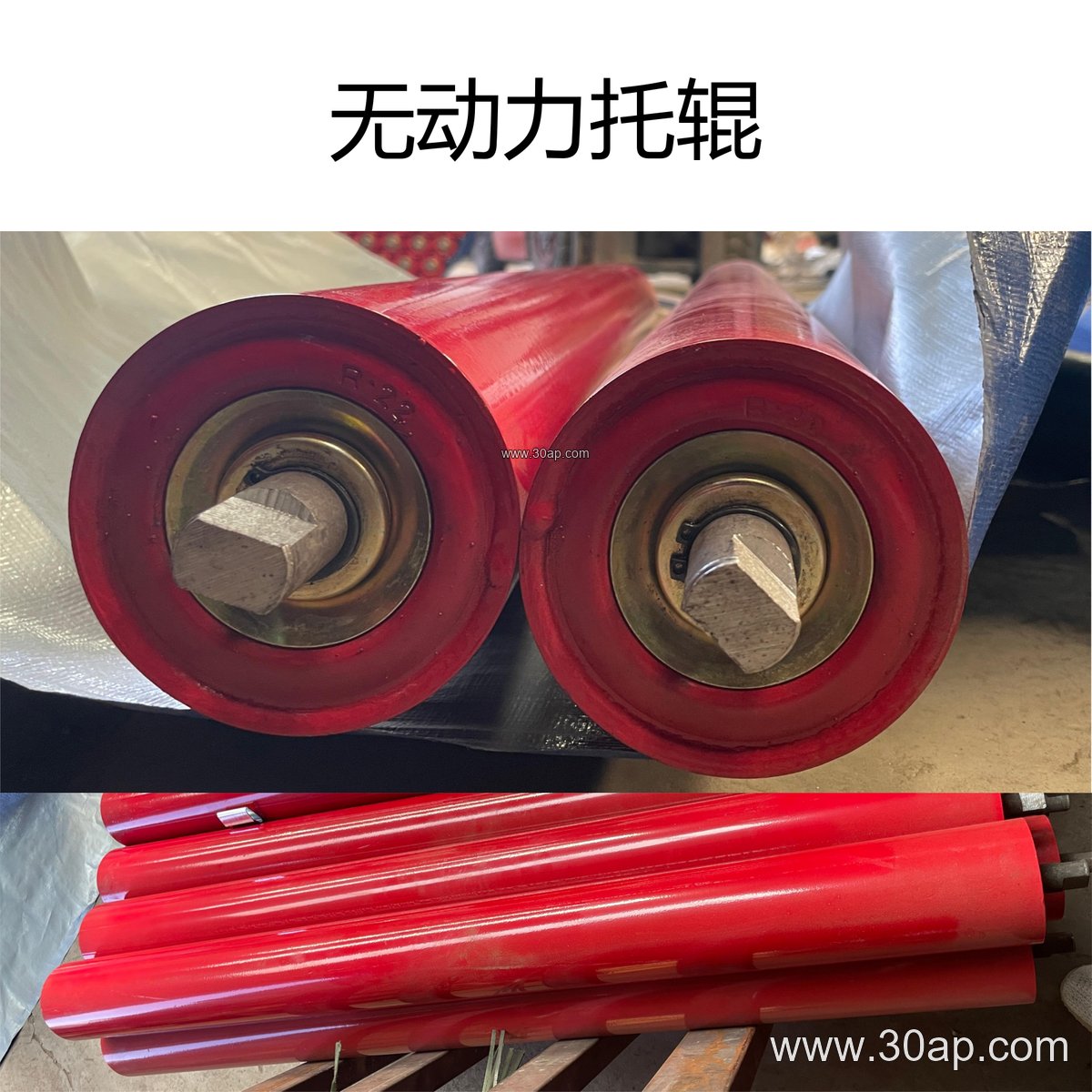
Typical Return Idler Data
| Item | Common Range |
|---|---|
| Roller diameter | Ø63, Ø76, Ø89, Ø102, Ø108, Ø127, Ø133, Ø159, Ø178, Ø194, Ø219 mm |
| Belt width | B400, B500, B650, B800, B1000, B1200, B1400, B1600, B1800, B2000, B2200, B2400 |
| Roller surface | Steel tube, nylon, ceramic, rubber ring |
| Bearing | 6204, 6205, 6305, 6306, 6308, 6310 |
These values are reference data, not fixed combinations. A return idler for a 1200 mm belt may use different roller lengths and diameters depending on the conveyor design and the idler arrangement.
Where Return Idlers Are Used
Return idlers appear in almost every belt conveyor, but the working conditions vary widely. In a quarry or sand and gravel plant, a return idler often deals with abrasive dust and small spillage. In a coal washing plant or power plant coal yard, the return side may see moisture and fine coal particles, so sealing quality matters. In a cement plant, the return idler must handle a dry, dusty atmosphere, while in a steel plant or sinter plant it may face heat and scale. The same component also supports the belt in port loading systems, crushing and screening circuits, and tunnel muck removal lines.
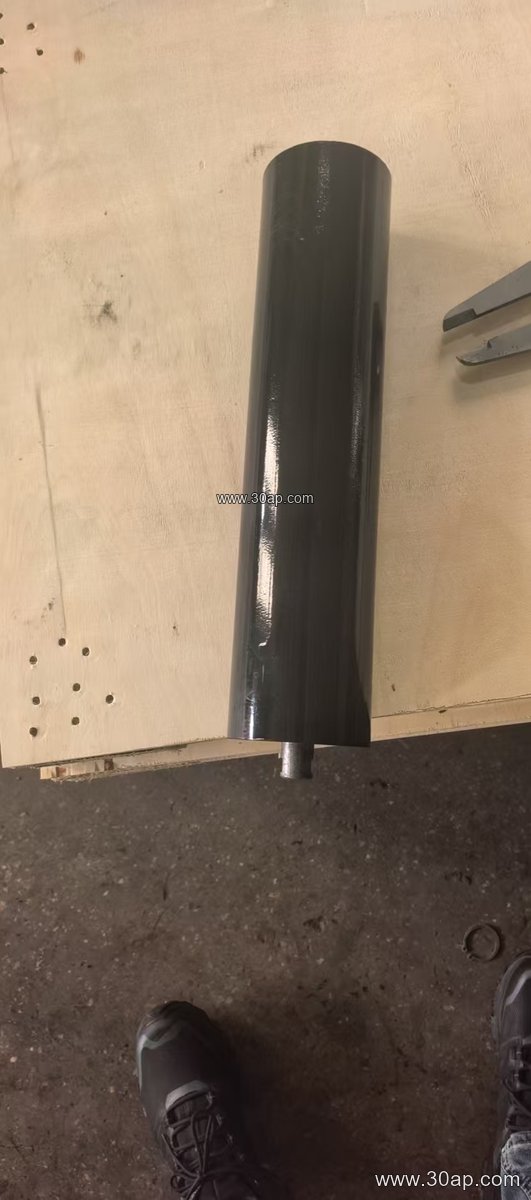
Choosing a return idler is not only about the roller itself. The conveyor belt type affects the return side too. A heavy-duty mining conveyor belt or a steel cord conveyor belt used in a long overland line may call for larger roller diameters and stronger bearings, while a fabric core conveyor belt on a shorter aggregate conveyor belt may work well with standard return idlers. In environments with oil or heat, an oil resistant conveyor belt or heat resistant conveyor belt may be used, and the return idler should be selected to match the expected temperature and contamination.
Selection Points for Buyers
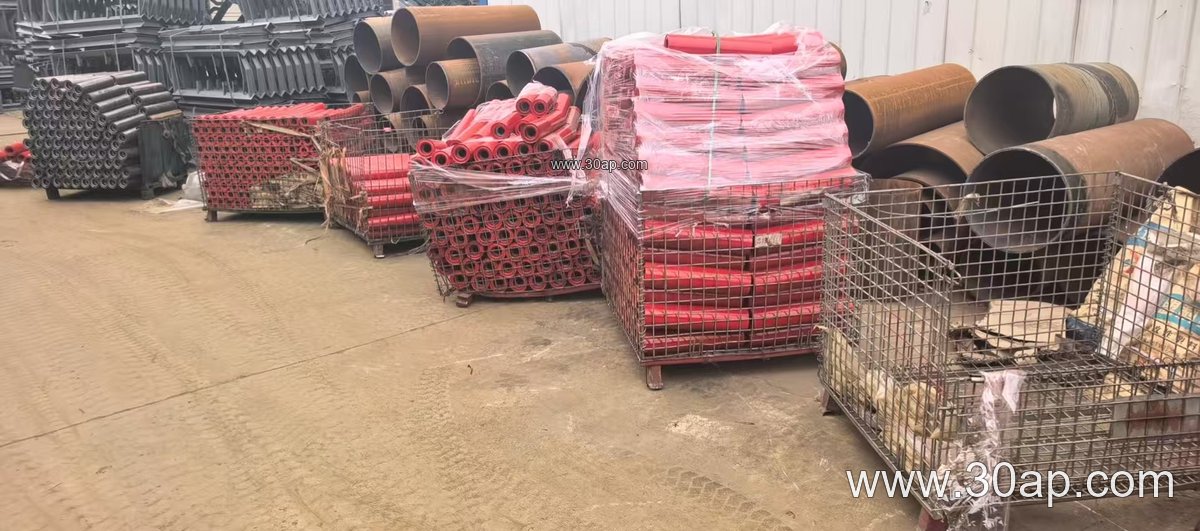
- Belt width and idler length: The return idler length should suit the belt width and the mounting position. A flat return idler for a B800 belt is not the same as one for a B1400 belt.
- Roller diameter: Larger diameters usually run cooler and handle more load, but they also add weight and cost. The diameter should be chosen from the conveyor design, not copied from another line.
- Sealing and bearing: In dusty or wet plants, good sealing protects the bearing and extends service life. The bearing number alone does not guarantee performance.
- Surface form: A plain steel return idler is common, while a rubber ring or spiral return idler can help with belt training or material buildup.
- Mounting: Return idlers are fixed with conveyor brackets or frames. Check that the bracket type and hole spacing match the idler shaft.
It also helps to review the whole conveyor, not just the return idler. The drive pulley, tail pulley, and bend pulley are separate components with different roles, and they should not be treated as interchangeable with return idlers. A return idler supports the belt; it does not drive or redirect it.
Maintenance and Inspection
Return idlers are low-maintenance parts, but they still need attention. Seized bearings, worn shells, and missing rubber rings can damage the conveyor belt and increase power demand. During routine inspection, check for abnormal noise, wobble, and material buildup on the roller. If a return idler fails, replace it with a matching unit rather than mixing sizes. Keeping a small stock of common return idlers for the belt widths on site can reduce downtime in a quarry, cement plant, or coal handling system.
For related equipment, visit conveyor belt, idler roller, conveyor pulley, conveyor bracket, and rubber conveyor belt pages on our site.