Impact Idler Roller or Return Idler Roller: Which Does a Dusty Quarry Need?
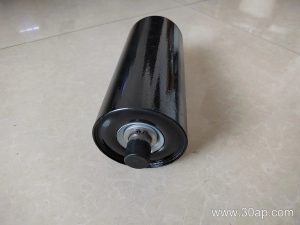
In a quarry, an impact idler roller absorbs falling rock at the load point, while a return idler roller supports the empty belt on its way back, so the two are not interchangeable.
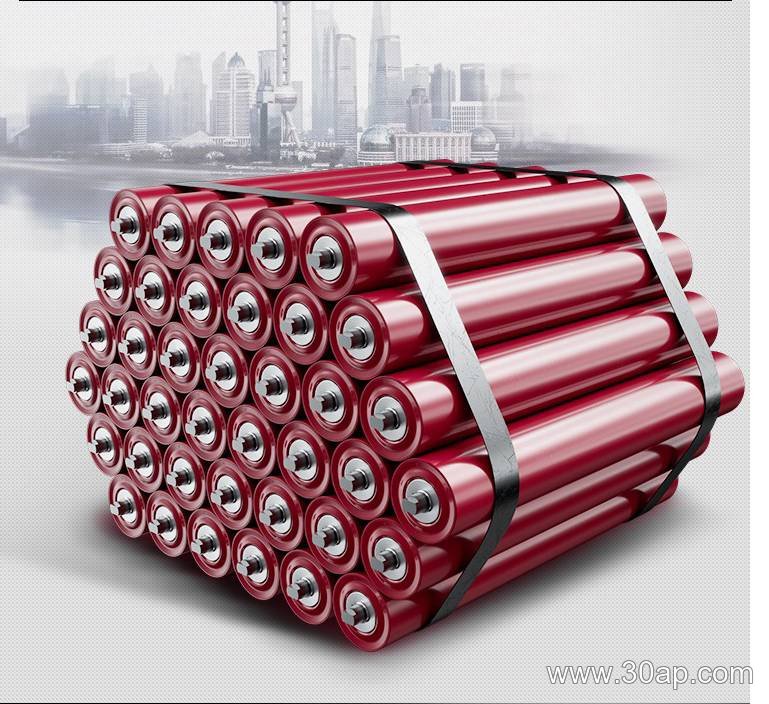
Where each idler roller fits
- Impact idler roller: under the chute, with rubber discs or a cushioned shell; absorbs shock but costs more and adds drag.
- Return idler roller: on the return strand, plain steel or polymer; cheap and efficient but not built for impact.
Dust affects both: it packs around seals and bearings, so specify good sealing and check alignment. A hypothetical 800 mm belt might use impact idlers at the loading zone and return idlers every few metres behind it.
Preparing the Conveyor Pulley Installation
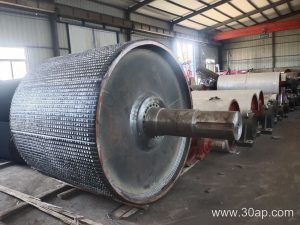
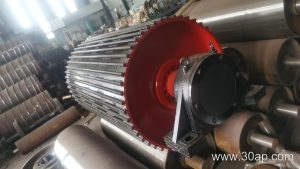
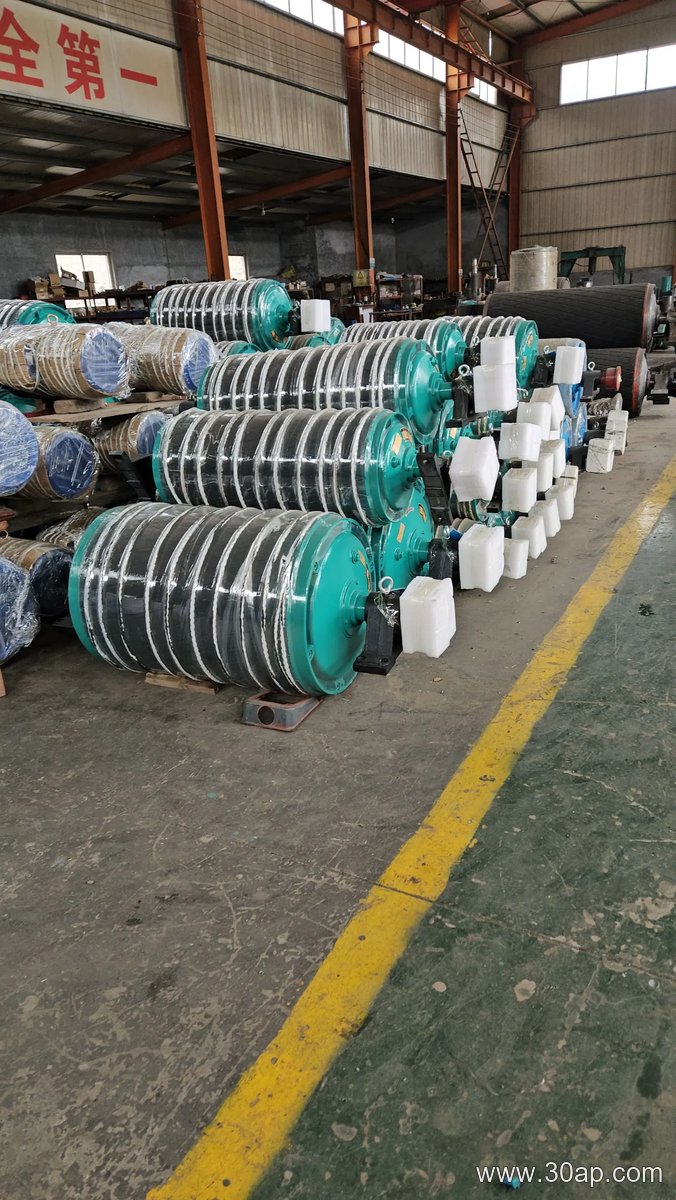
Before mounting a conveyor pulley in a dusty quarry, inspect the shaft, bearing housings, and frame for wear or debris. Clean all mating surfaces and verify the pulley turns freely by hand.
Mounting and Alignment
Set the conveyor pulley into its bearing blocks, then use shims to bring the pulley face square to the belt centerline. A laser or string line along the belt path helps confirm that the pulley axis is perpendicular to the conveyor centerline.
Commissioning Checks
- Rotate the pulley by hand to check for binding.
- Run the conveyor empty and watch for belt drift.
- Re-torque bearing bolts after the first loaded run.
In dusty service, recheck alignment after a few hours of operation, since grit can settle unevenly under the frame.
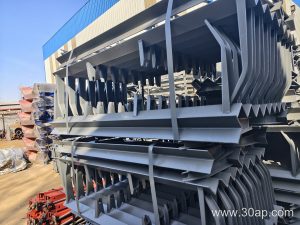
Why Does a Conveyor Bracket Keep Loosening on a Cement Plant Clinker Belt?
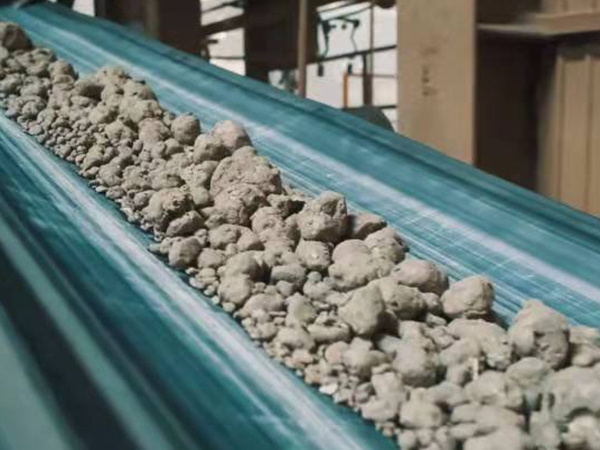
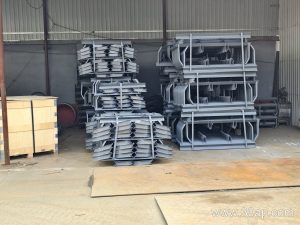
A conveyor bracket that repeatedly loosens under a clinker belt usually points to vibration, thermal cycling, or a poor bolt interface rather than a weak bracket.
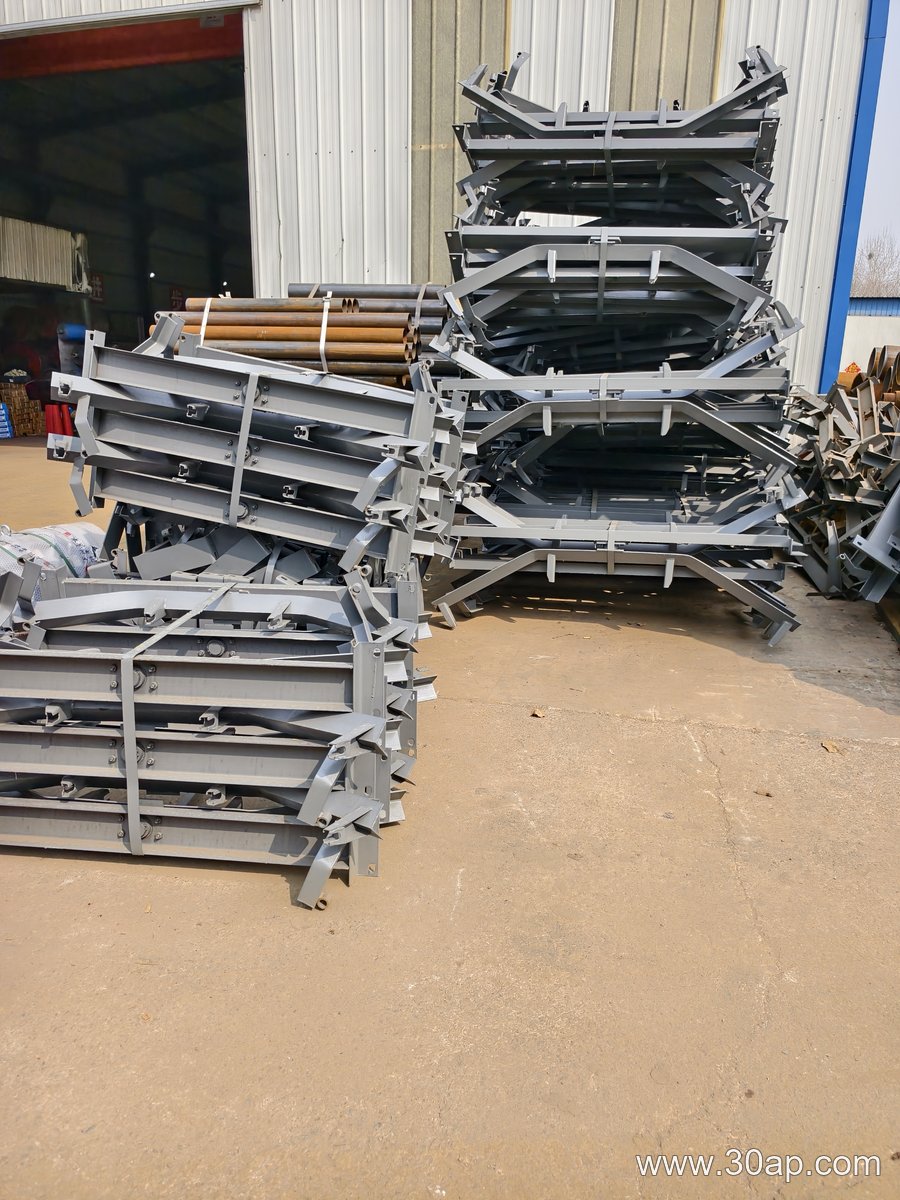
Troubleshooting Sequence
- Check bolt torque and whether slotted holes allow movement.
- Inspect for cracking or elongation at the mounting feet.
- Confirm the bracket matches the idler frame and belt load.
- Add positive locking only after the root cause is corrected.
In a hypothetical cement plant, replacing a loose bracket without fixing the underlying fit or vibration source only repeats the failure.
How the Build Sequence Shapes a Conveyor Belt for Wet Outdoor Duty
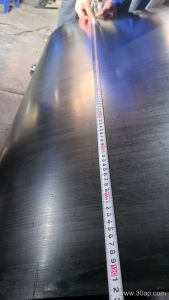
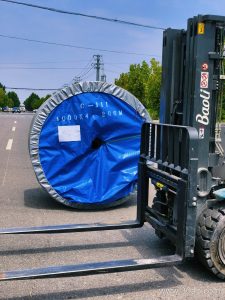
A conveyor belt is not assembled from parts; it is built up in layers, and each stage locks in properties that later decide wet-weather performance. Skiving and calendering set fabric and rubber thickness. Building aligns plies. Vulcanization then bonds layers under heat and pressure. Poor control at any stage shows up as ply separation, edge cracking, or cover blistering once rain and grit work into the belt.
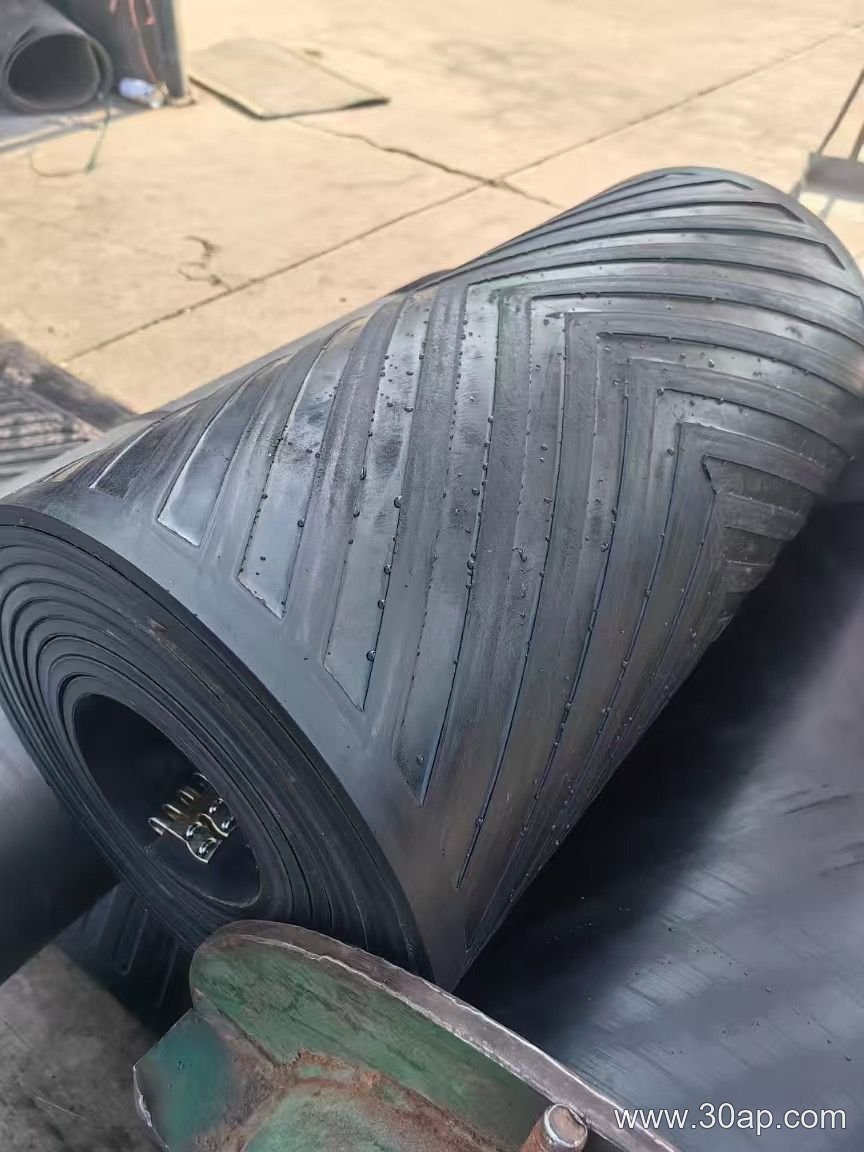
Why Each Stage Changes Finished Quality
- Calendering: uneven skim coats reduce rubber-to-fabric adhesion, so moisture wicks along the carcass.
- Building: misaligned plies create tracking drift and edge stress on wet, crowned pulleys.
- Vulcanization: under-cure leaves a soft cover; over-cure makes it brittle and prone to chipping.
- Edge trimming: rough edges let water enter the fabric, accelerating belt failure outdoors.