What a Belt Conveyor Return Idler Does
The return idler is the roller set that supports the empty, returning strand of the conveyor belt on its way back to the tail end. While carrying idlers bear the weight of the load, the return idler mainly carries the belt’s own weight and keeps the belt tracking in a stable line. In a quarry, a coal washing plant or a power plant coal yard, a well-chosen return idler directly affects belt life, energy consumption and how often maintenance crews have to walk the line.
The product is often called a return roller or lower idler, and the flat version is widely described as a parallel return idler. It is a distinct component from the drive pulley, tail pulley and bend pulley, which transmit power and change belt direction rather than support the returning belt.
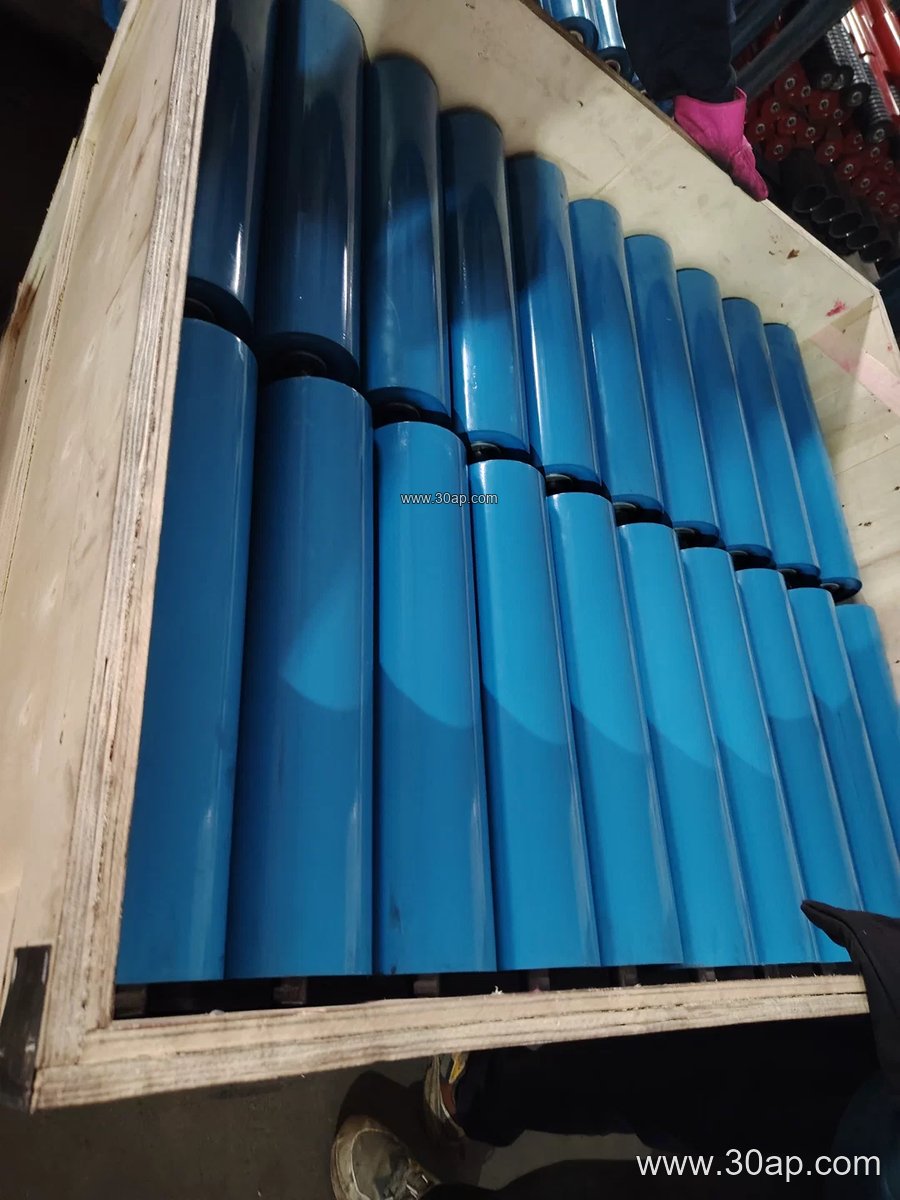
Construction and Common Forms
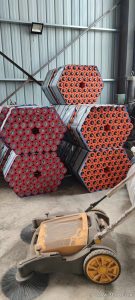
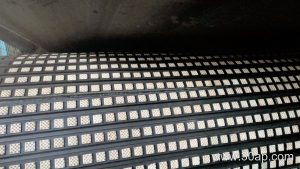
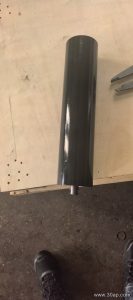
A typical return idler consists of a steel tube shell, bearing housings, sealed bearings and a shaft, with end caps and a labyrinth or contact seal protecting the bearing cavity. Shell materials include steel pipe, nylon, ceramic and rubber rings, chosen according to abrasion, sticking and noise conditions.
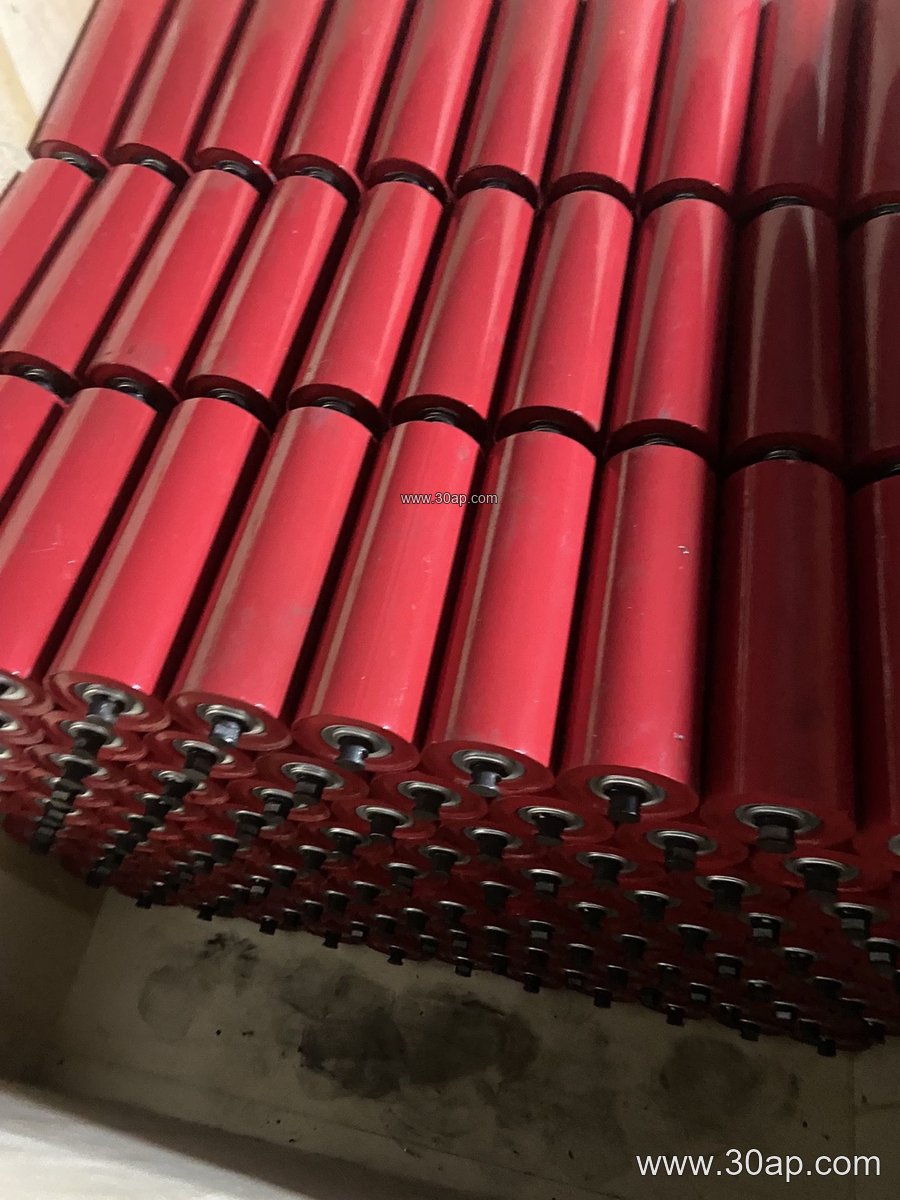
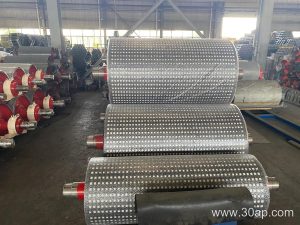
Return idlers appear in several forms. The plain flat return idler is the standard choice for a clean, well-aligned belt. The V-type return idler uses two rolls set at an angle to centre the belt and shed loose material. Spiral return idlers help remove carryback and reduce build-up, while rubber-disc impact versions are used where lumps fall onto the return strand. Self-aligning return idlers correct minor belt drift. These are return-side variants; they do not replace troughing, transition or impact idlers on the carrying side.
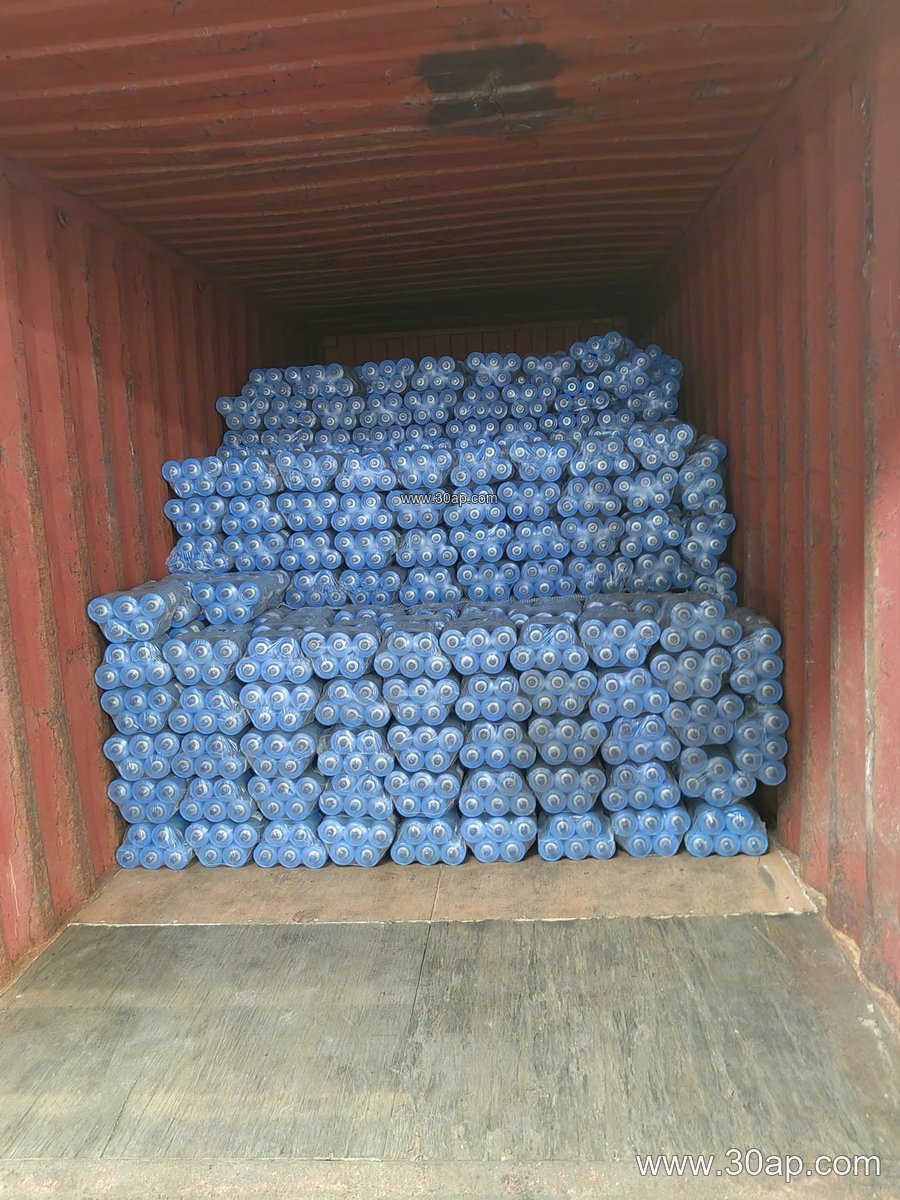
Reference Dimensions and Bearing Options
The values below are common reference data, not fixed combinations. Final dimensions depend on belt width, idler group form, trough angle and the conveyor design.
| Parameter | Common reference values |
|---|---|
| Roller diameter | Ø63, Ø76, Ø89, Ø102, Ø108, Ø127, Ø133, Ø159, Ø178, Ø194, Ø219 mm |
| Belt width | B400, B500, B650, B800, B1000, B1200, B1400, B1600, B1800, B2000, B2200, B2400 |
| Bearing | 6204, 6205, 6305, 6306, 6308, 6310 |
| Roll surface | Steel pipe, nylon, ceramic, rubber ring |
| Return idler form | Flat, V-type, spiral, self-aligning, rubber-disc |
Roller length changes with belt width and frame design. As a rough example, a B800 belt may use return rolls around 315 mm long and a B1200 belt around 465 mm, but side and centre rolls in other idler groups can differ. No single belt width forces one pulley diameter, and shaft diameter should be confirmed from the load calculation rather than guessed from belt width alone.
Where Return Idlers Are Used
Return idlers are found wherever a conveyor runs continuously. In a limestone mine or aggregate crushing line they support the belt after the discharge point, often in dusty conditions. In a cement plant they handle fine, abrasive dust that can pack around seals. In a coal yard or underground coal mining conveyor, flame retardant belt grades are common, and return idlers must match the same safety expectations. Port bulk terminals and steel plant sinter lines also rely on them over long distances.
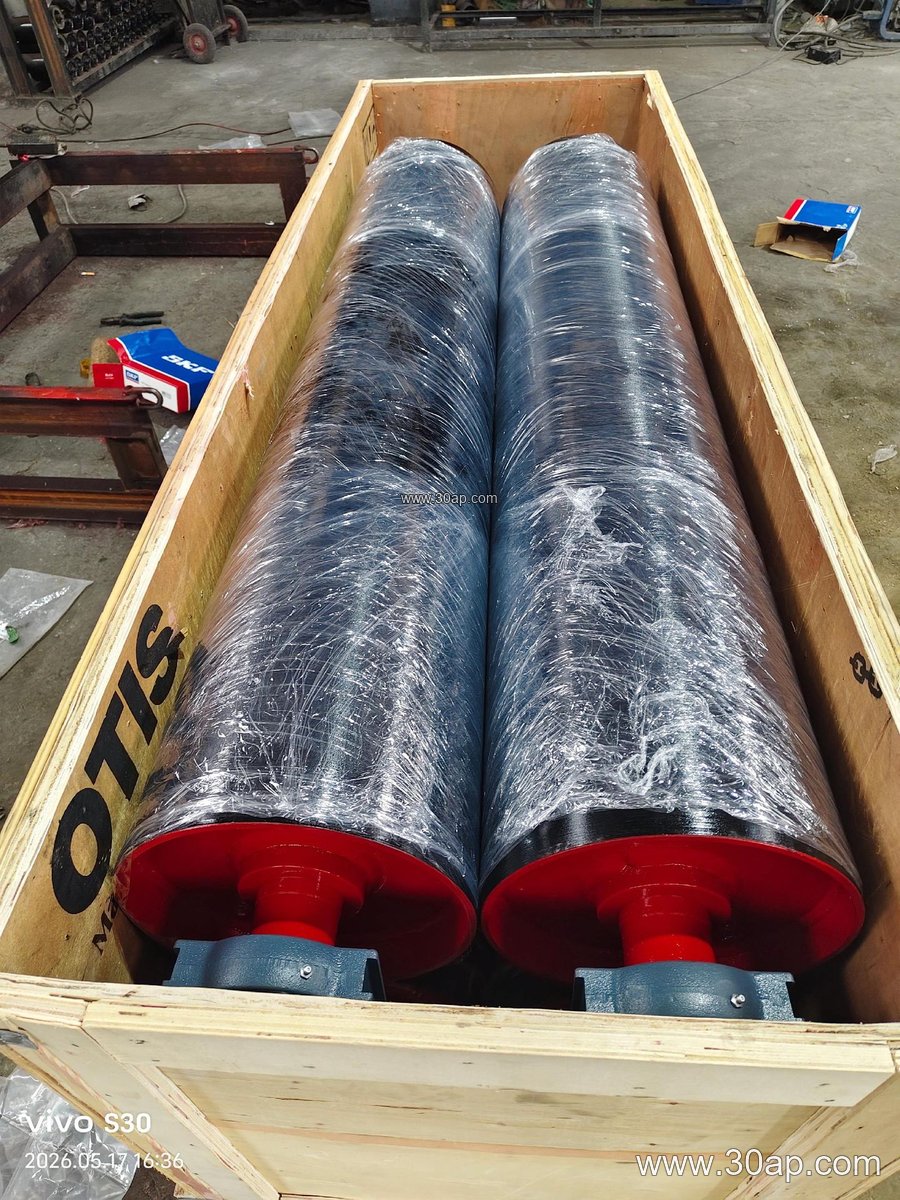
The return idler works together with the conveyor belt, the conveyor pulley at each end and the conveyor bracket that fixes the idler frame to the structure. On a line carrying abrasive ore, pairing a robust return idler with an abrasion resistant conveyor belt such as an EP200 or EP300 belt reduces total wear cost. For hot clinker or sinter, a heat resistant conveyor belt and heat-tolerant idler seals are considered together.
Buyer Checklist
- Confirm belt width, return strand load and belt speed before choosing roller diameter.
- Match the seal and bearing protection to dust, water and washdown conditions.
- Check shaft and bearing housing fit with the existing conveyor bracket.
- For inclined belts, verify that the return idler spacing prevents belt sag and spillage.
- Ask for dimensional drawings rather than relying on a single size table.
During operation, listen for squealing bearings, watch for a belt that wanders on the return run, and check for material build-up on the shell. Replacing a worn return idler early is usually cheaper than repairing a damaged belt. Whether the plant handles iron ore, copper ore, sand and gravel, or grain, the same principle applies: the return idler is a small component that quietly decides how smoothly the whole conveyor runs.