What a PVG Conveyor Belt Is
A PVG conveyor belt is a solid-woven flame-retardant belt with PVC or PVG covers, widely specified in coal mines, tunnels, power plants, cement works and sand and gravel yards where fire resistance and antistatic behaviour matter. The familiar trade shorthand “PVG belt” refers to the same product: a whole-core fabric belt whose carcass is impregnated and covered with polyvinyl chloride compounds. In some markets the name also appears as a PVC/PVG solid woven belt. It is not a steel cord belt, and it is not the same as an EP or NN ply belt.
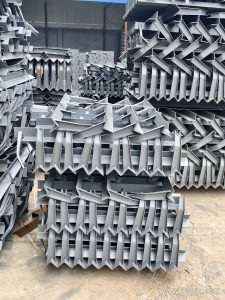
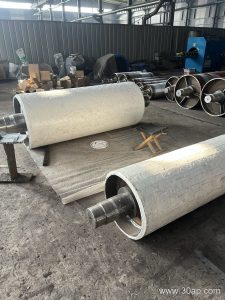
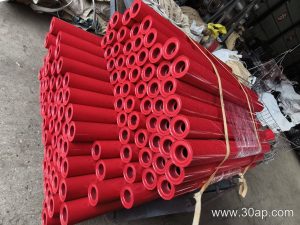
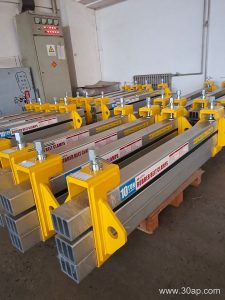
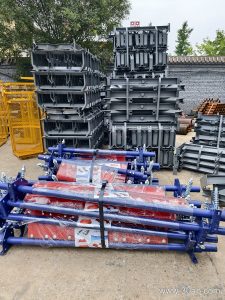
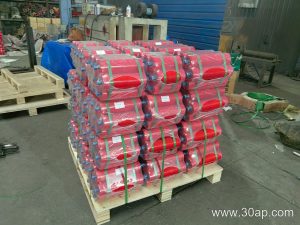
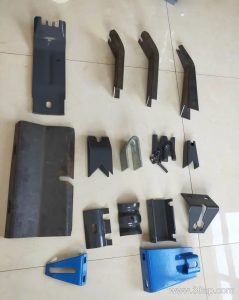
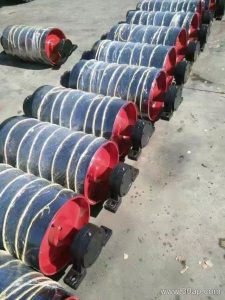
Because the carcass is a single solid-woven structure rather than several separate fabric plies, the belt resists impact, tearing and delamination well. The cover can be formulated for flame retardance and antistatic performance, which is why coal handling and underground haulage are common duties. Users often pair it with troughing idler rollers, a head or discharge conveyor pulley, a bend pulley and a take-up conveyor pulley, with conveyor brackets holding the rollers in alignment along the run.
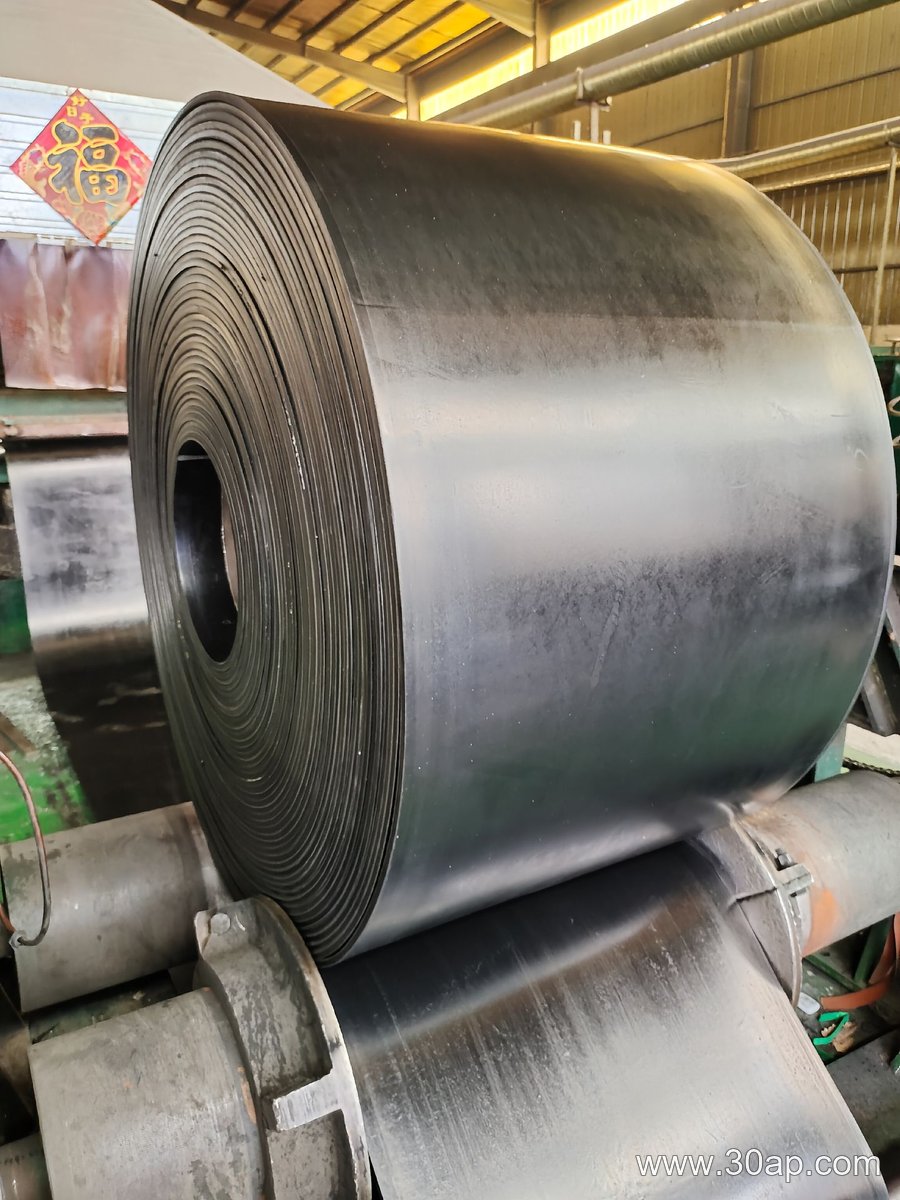
How the Belt Is Built
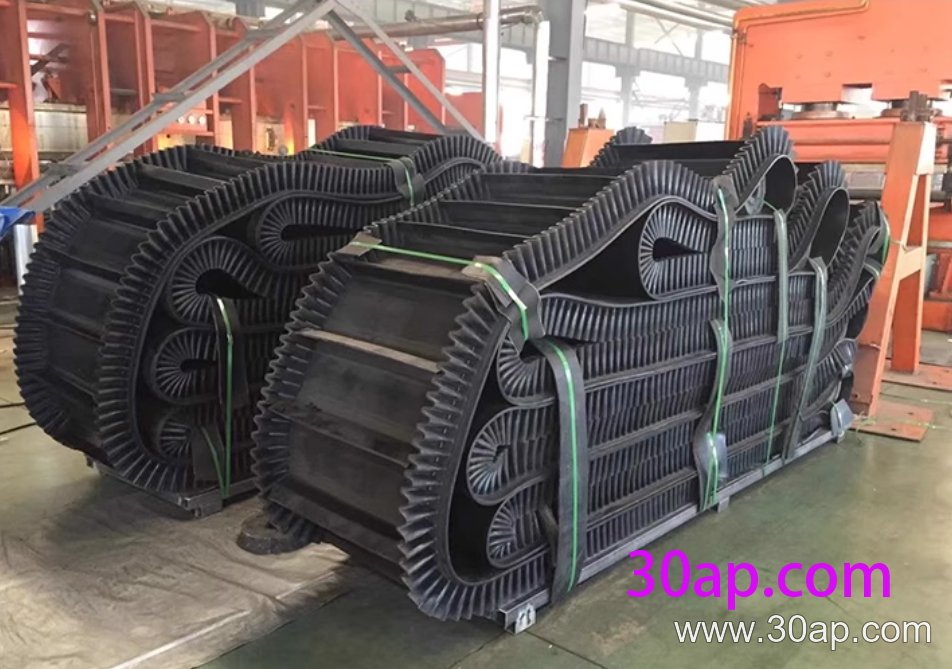
The construction normally includes a solid-woven fabric core, an impregnating compound, and top and bottom covers. Cover thickness is usually quoted as a pair, for example 3+1.5 mm, 4+2 mm, 5+2 mm, 6+2 mm or 8+3 mm; the first figure is the carrying side and the second is the pulley side. Surface forms can be smooth, patterned, chevron or with corrugated sidewalls, depending on the duty.
Nominal belt strength and width are project-specific. Typical width references in this family include B500, B650, B800, B1000, B1200, B1400, B1600, B1800 and B2000, but the final choice follows the conveyor design. The same applies to any quoted strength class. A belt width never fixes a pulley diameter by itself; the pulley, shaft and bearing selection must come from the conveyor designer using belt tension, wrap angle, load and available space.
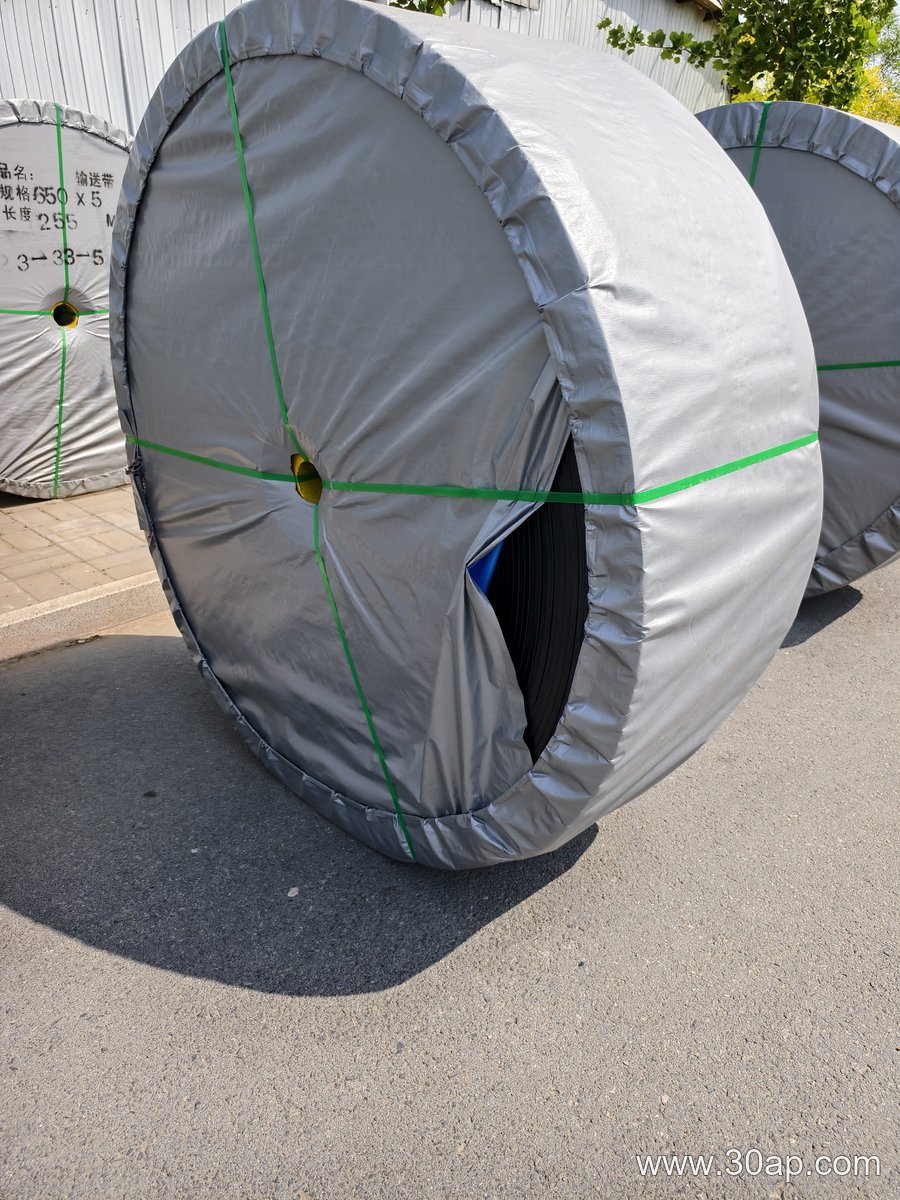
Reference data for early sizing discussions
The table below is a starting point only, not a supply commitment. Confirm all values with the belt manufacturer and the conveyor design.
- Common types: PVG solid woven, PVC solid woven, flame-retardant and antistatic grades
- Reference widths: B500, B650, B800, B1000, B1200, B1400, B1600, B1800, B2000
- Reference cover combinations: 3+1.5, 4+2, 5+2, 6+2, 8+3 mm
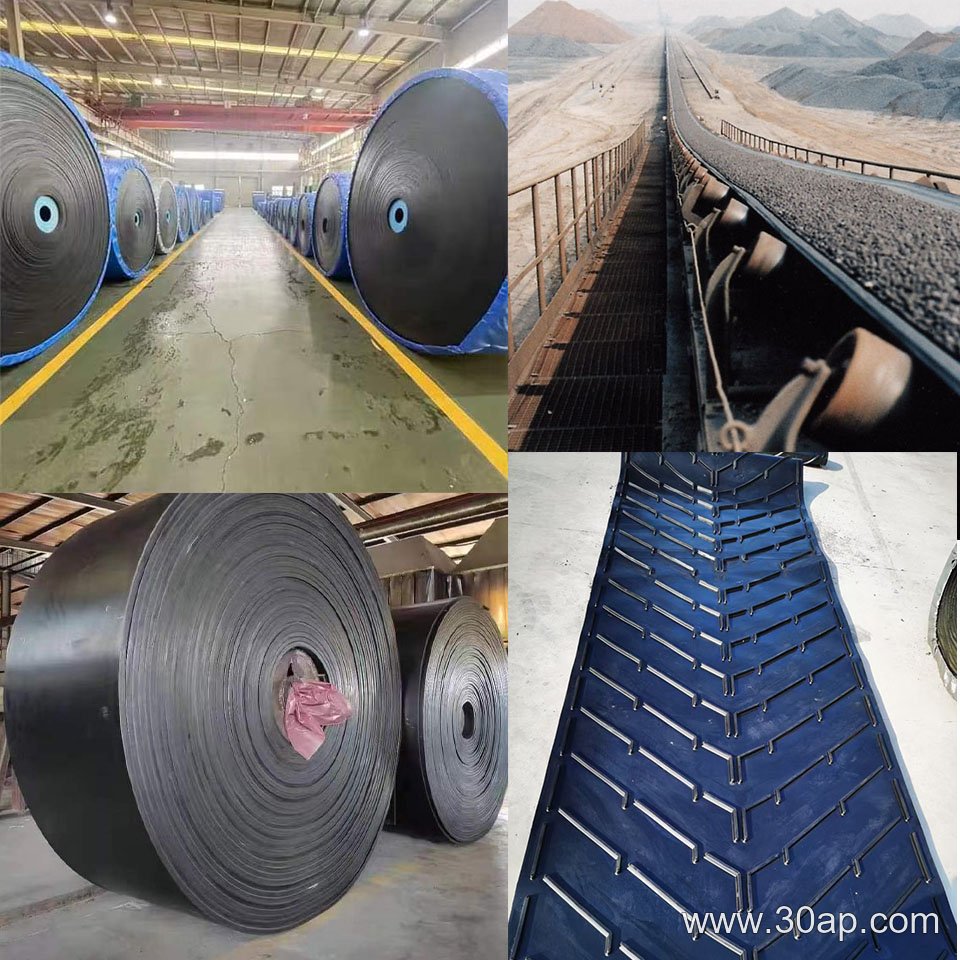
- Surface options: smooth, patterned, chevron, corrugated sidewall
Where It Is Used
Underground coal haulage, coal preparation plants, coke wharves, cement clinker lines, power station coal yards, crushing and screening plants in sand and gravel yards, and tunnelling spoil removal are all realistic duties. In these places the belt runs over troughing idler rollers, turns around the head conveyor pulley and tail or bend pulleys, and is held in line by conveyor brackets and occasional training devices.
For comparison only, a steel cord belt may be chosen for very long, high-tension overland lines, and an EP or NN ply belt may be chosen for general bulk handling where flame resistance is not required. Those are different carcass constructions; they do not replace a PVG belt where the specification calls for a solid-woven flame-retardant product.
Selection Points for Buyers
Buyers should collect the duty data first: material, lump size, throughput, incline, ambient and material temperature, whether the environment is dusty or wet, and the required flame and antistatic properties. From there, the cover grade and cover thickness, the belt width and the strength class can be narrowed down. Ask for the rated tensile strength per unit width, the elongation at break and the recommended minimum pulley diameters for the specific belt.
It also helps to review the whole conveyor, not just the belt. Check that the idler roller spacing supports the belt between rollers, that the head and tail conveyor pulleys are not undersized for the belt, that the bend pulley and take-up arrangement keep tension stable, and that conveyor brackets are square and firmly fixed. A misaligned frame or a seized roller can damage a good belt quickly.
Handling, Splicing and Maintenance
Store the belt on a dry surface away from direct sunlight and sharp objects. During installation, pull it with a proper belt clamp rather than a chain or wire rope through the fabric. The splice should be made by qualified technicians using the belt maker’s procedure; the joint is often the weakest point in the system.
Once running, track belt edges, cover wear and splice condition at regular intervals. Clean spillage from the return side, keep the idler rollers turning freely, and watch the discharge pulley for build-up. If the belt starts to run off-centre, correct the conveyor frame and training before adjusting anything else. This keeps a PVG belt working through long shifts in mines, cement lines, power plants and gravel yards without unnecessary downtime.