What a Conveyor Side Guide Roller Does
A conveyor side guide roller is a small-diameter roller mounted vertically or at a slight angle along the edge of a conveyor belt, usually just ahead of a loading point or on the approach to a transfer. Its job is to keep the belt centered and to stop the edges from creeping toward the structure. On a quarry conveyor or a cement plant feed line, a belt that wanders even a little can rub the frame, fray its edge, and spill material. A side guide roller gives the belt a light, rolling contact instead of a scraping one, which is why it is often grouped with alignment and training accessories rather than with the main carrying idlers.
The same component is also called a side guide roller, edge guide roller, or belt guide roller. These names describe the same product; they are not interchangeable with drive pulleys, tail pulleys, or bend pulleys, which do completely different work at the ends and corners of the conveyor.
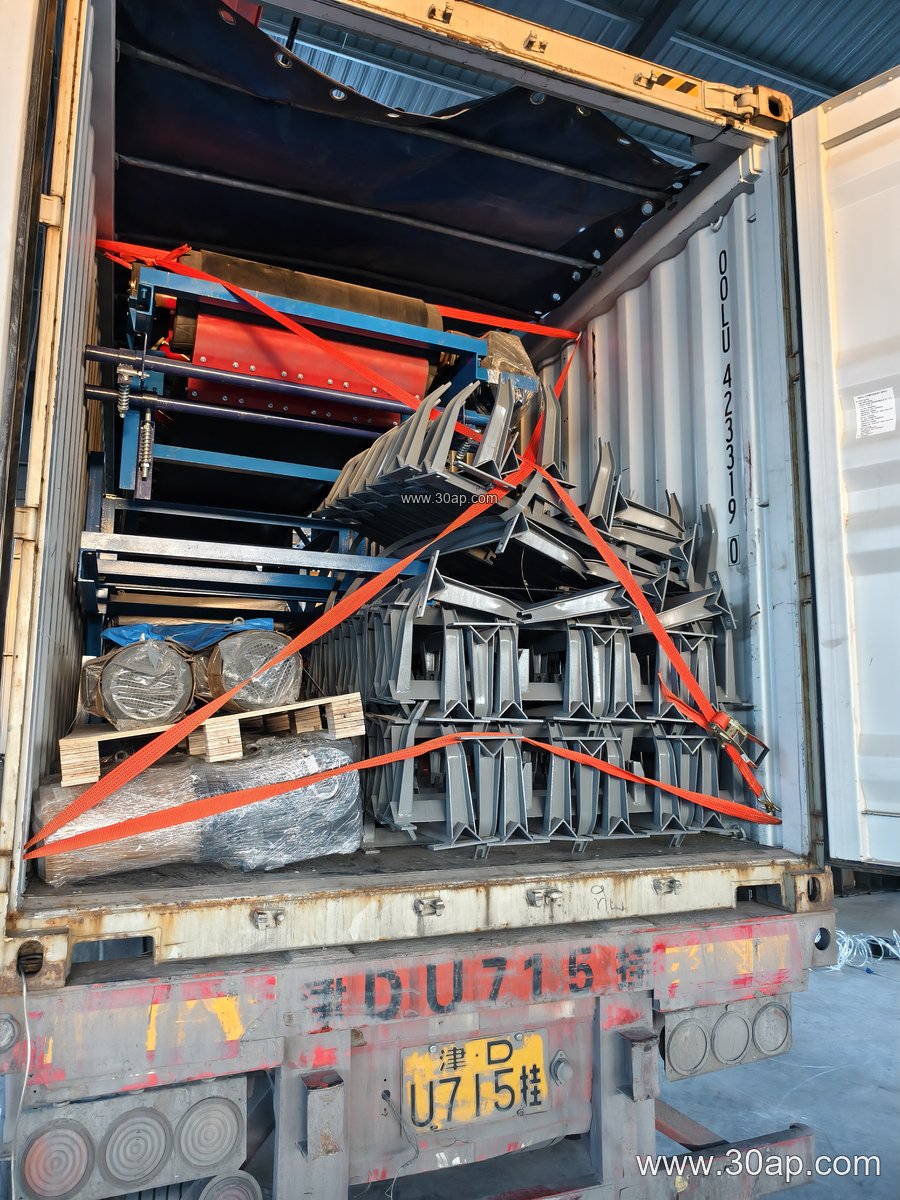
Construction and Mounting
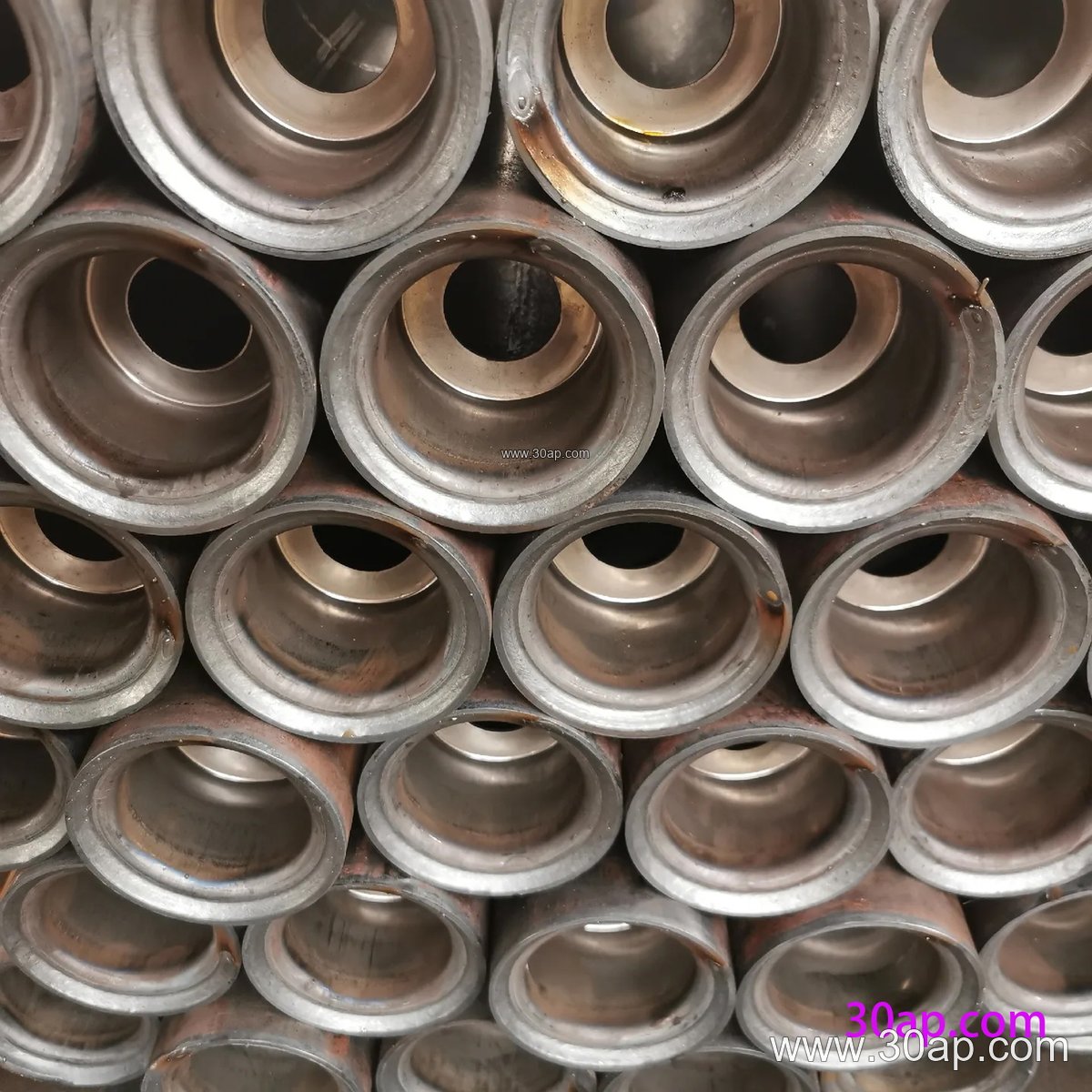
A typical unit is built around a steel tube shell, a through shaft, and a sealed bearing at each end. Because the roller turns only when the belt edge touches it, the bearings are usually protected against dust and water ingress, which matters in a stone crushing line or a power plant coal yard. The shell may be plain steel, nylon-coated, or fitted with a rubber ring to soften contact with the belt edge. Mounting is normally done with a dedicated bracket or an adjustable conveyor bracket so the gap between roller and belt can be set on site.
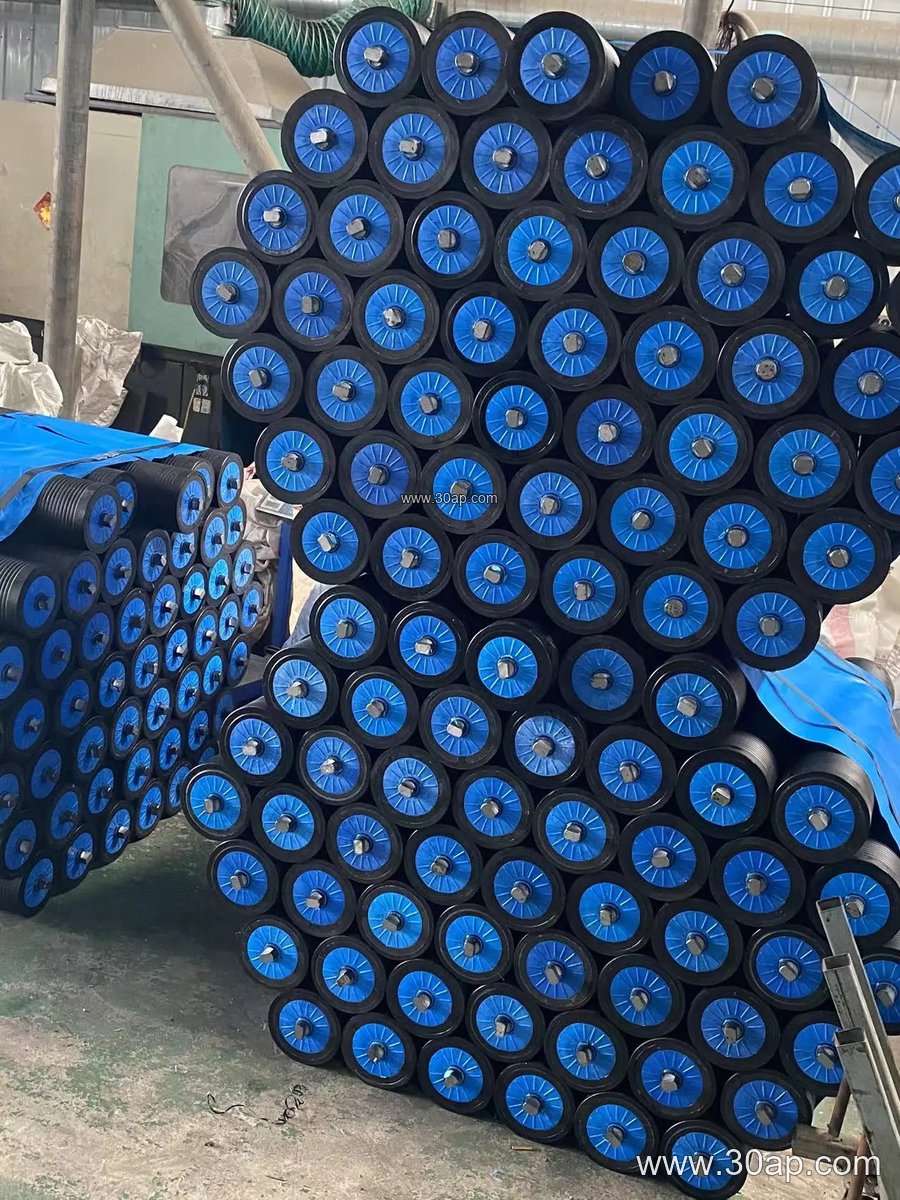
Common shell diameters for this small roller family are Ø63, Ø76, and Ø89 mm, with larger sizes used when the belt is heavy and the side load is high. Shaft and bearing selection should follow the actual load and the bracket design. A 6204 or 6205 bearing is common on lighter units, while heavier builds may use 6305 or 6306. No single bearing should be treated as fixed for a given roller diameter.
Where It Fits on the Conveyor
Side guide rollers are most useful where belts are short, where loading is off-center, or where a conveyor is reversible. They appear in aggregate plants, limestone mines, iron ore handling, sinter plants, and tunnel spoil lines. They are also seen on the receiving end of a crusher conveyor and along the edges of a ship loading conveyor where wind and uneven feed can push the belt sideways.
- Before a loading chute, to hold the belt steady as material lands
- After a transition zone, where the belt leaves a pulley and has not yet settled into its trough
- On the return side, near a flat return idler roller, to stop edge rubbing
- On mobile and portable conveyors where frame alignment is less rigid
They are not a substitute for troughing idlers, impact rollers, or self-aligning idler sets. If a belt is badly mistracked, the cause is often uneven loading, a seized idler roller, or a misaligned conveyor pulley, and a guide roller alone will not correct it.
Matching the Roller to Belt Width and Duty
Belt width sets the working envelope. A side guide roller on a B650 belt works in a much tighter space than one on a B1800 belt, and the bracket reach, roller length, and clearance all change with it. The table below gives common reference ranges; final values are determined by the conveyor design, not by the belt width alone.
| Belt width | Typical carrying idler roll length (three-roll trough) | Typical side guide roller shell diameter |
|---|---|---|
| B500 | About 200 mm | Ø63 to Ø76 mm |
| B650 | About 250 mm | Ø63 to Ø89 mm |
| B800 | About 315 mm | Ø76 to Ø89 mm |
| B1000 | About 380 mm | Ø89 to Ø108 mm |
| B1200 | About 465 mm | Ø89 to Ø108 mm |
| B1400 | About 530 mm | Ø108 to Ø133 mm |
| B1600 | About 600 mm | Ø108 to Ø133 mm |
| B1800 | About 670 mm | Ø133 to Ø159 mm |
Trough angle also affects how much of the belt edge is exposed. A 20-degree or 30-degree trough leaves a flatter edge zone, while a 35-degree or 45-degree trough brings the edge higher. The guide roller position should be set so it touches the belt only when tracking drifts, not as a continuous brake.
Buyer Checklist
Before ordering, confirm the belt width, the available bracket space, and whether the roller sits on the carrying or return side. Ask for the shell material and coating, the bearing designation, and the sealing arrangement. State the environment: a coal mining conveyor belt with flame retardant properties, a heat resistant conveyor belt on a clinker line, and an abrasion resistant conveyor belt in a quarry all place different demands on nearby components. A rubber-ring version protects a sensitive belt edge, while a plain steel shell is simpler and cheaper to replace.
Also check that the guide roller does not conflict with the skirt rubber or the corrugated sidewall conveyor belt profile. On a pipe conveyor belt or an endless conveyor belt, edge contact points must be reviewed with the belt supplier. Spare parts should match the original bracket hole pattern so field replacement does not require re-drilling.
Maintenance Notes
Inspect side guide rollers during routine idler checks. A roller that stops turning will wear a flat spot on the belt edge and should be replaced promptly. Clean dust from the bracket, verify the mounting bolts, and confirm the roller still spins freely by hand. In a dusty coal yard or a limestone crushing circuit, a short inspection interval is worth the effort.