What an HDPE Idler Is
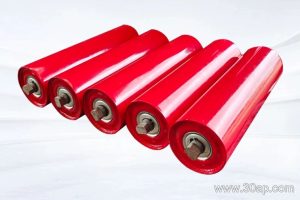
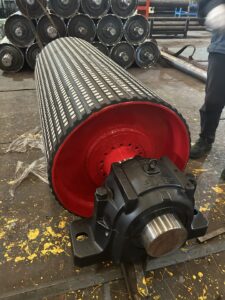
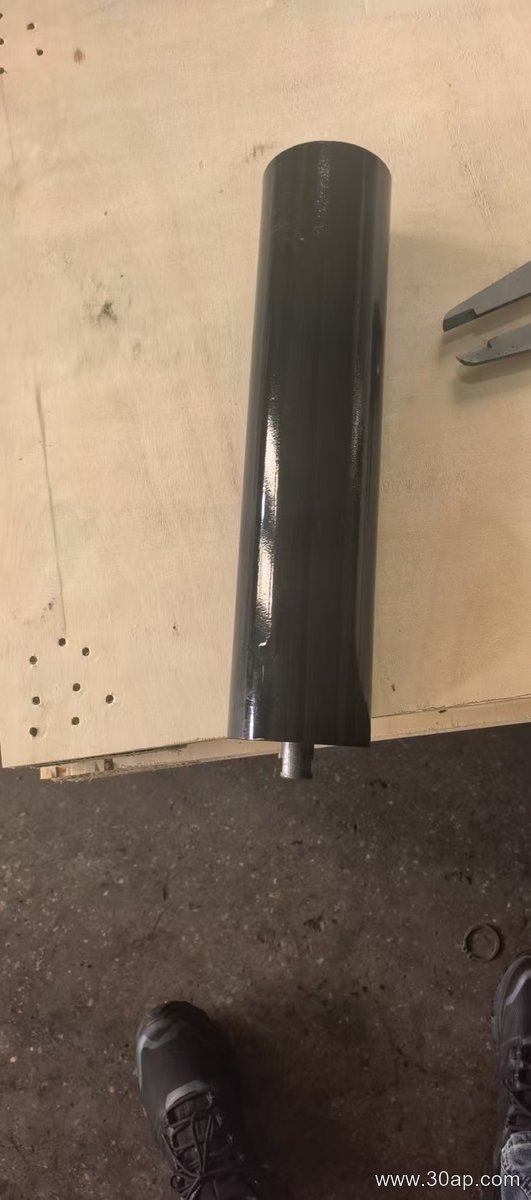
An HDPE idler is a conveyor idler roller whose outer shell is made from high-density polyethylene rather than the more common steel tube. In a belt conveyor, the idler roller supports the conveyor belt and the material riding on it, and it turns as the belt moves. Because HDPE is a tough, low-friction plastic, it suits duties where wear, noise, or material sticking are concerns. It is a distinct product from the drive, tail, and bend pulleys used elsewhere on a conveyor, and it should not be treated as a substitute for those components.
How It Is Built
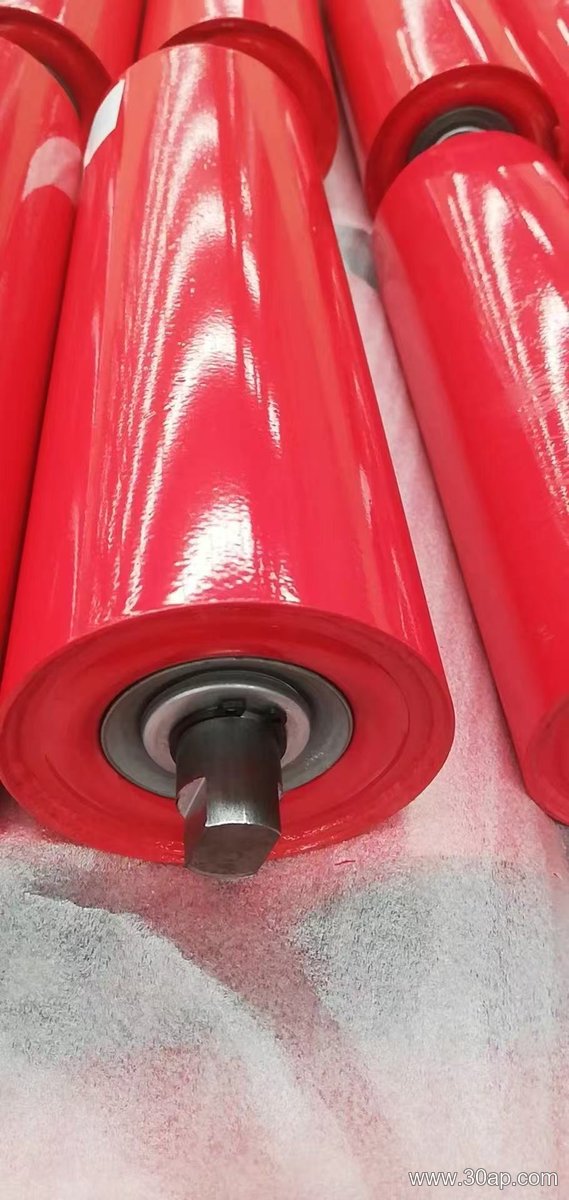
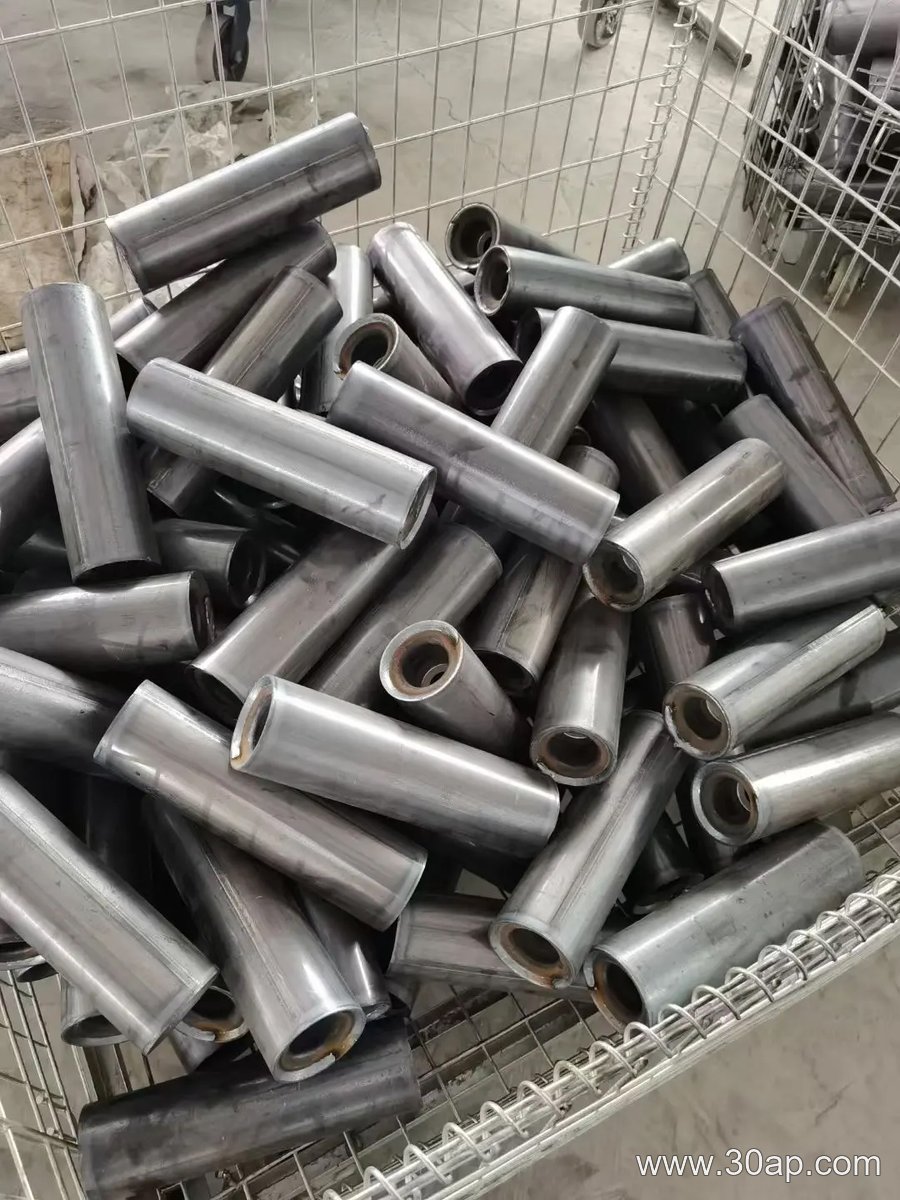
A typical HDPE idler combines a plastic shell with a steel shaft, bearing housings, and seals. The shell is machined or molded to a round profile, then fitted with bearing seats at each end. Common bearing sizes for conveyor idlers include 6204, 6205, 6305, 6306, 6308, and 6310, though the choice depends on load and shaft design rather than a fixed rule. Sealing matters in dusty plants such as a cement works, a coal preparation plant, or a power station coal yard, because fine particles shorten bearing life. Some shells carry a rubber ring or a spiral form to improve grip or shed sticky material, but those are variations of the roller surface, not a different class of idler.
Where It Fits on the Conveyor
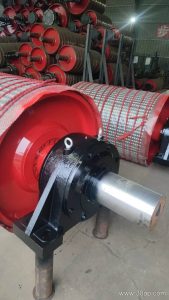
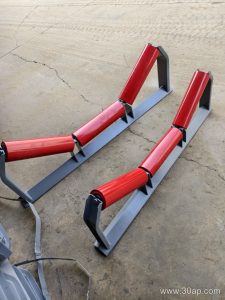
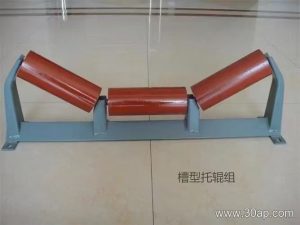
Idlers are arranged in groups along the carrying and return runs. On the carrying side, a three-roll troughing set is common, while the return side often uses a single flat roll or a V-shaped set. An HDPE roller can appear in either position, and it may also be used as a transition idler near a conveyor pulley, where the belt changes angle. In a quarry, a sand and gravel line, or an iron ore handling circuit, the troughing angle and roller spacing are set by the belt width, the material, and the tonnage being moved. The idler itself does not change the drive duty; that job belongs to the conveyor pulley at the head end.
Sizes and Configurations
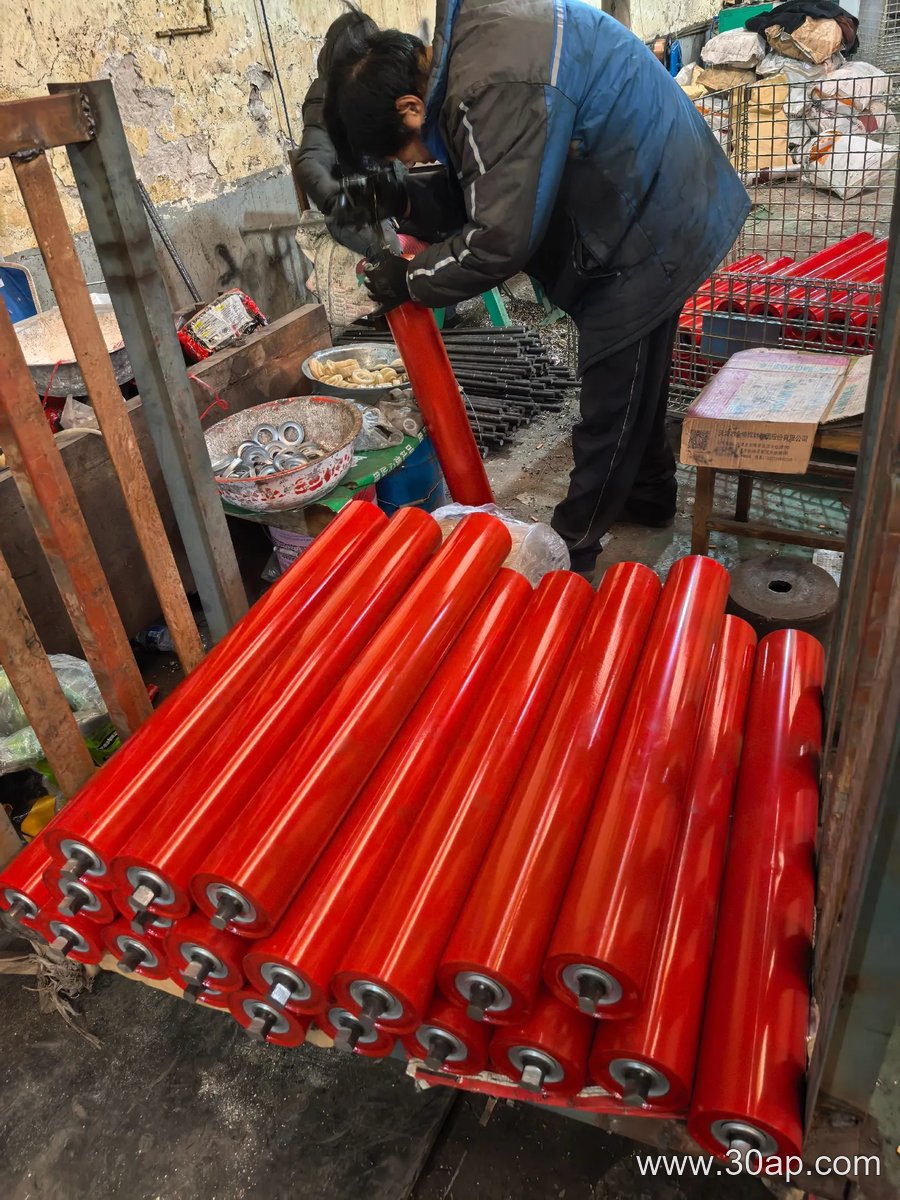
Roller diameter, roll length, and trough angle are selected together. The table below lists typical values used as reference when specifying conveyor idlers, not a fixed supply commitment.
| Item | Common reference values |
|---|---|
| Roller diameter | Ø63, Ø76, Ø89, Ø102, Ø108, Ø127, Ø133, Ø159, Ø178, Ø194, Ø219 |
| Belt width | B400, B500, B650, B800, B1000, B1200, B1400, B1600, B1800, B2000, B2200, B2400 |
| Trough angle | 20°, 30°, 35°, 45° |
| Troughing set | Single roll, two roll, three roll |
| Roll surface | Steel tube, nylon, ceramic, rubber ring |
Roll length follows the belt width, the trough angle, and the number of rolls in the set. For a three-roll troughing set, a side roll for B500 might be about 200 mm long, for B800 about 315 mm, and for B1200 about 465 mm. These are common examples only, and the center roll and side rolls can differ. A wider belt does not automatically mean a single shaft diameter, and a given belt width can work with more than one pulley diameter on the drive end.
Points for Buyers
- Confirm the belt width and the troughing angle before choosing the roll length.
- Match the roller diameter to the belt speed and the load, not to a catalog habit.
- Check the shaft and bearing seat dimensions against the existing conveyor bracket.
- Ask how the seal handles the local dust and moisture, especially in a limestone mine or a fertilizer plant.
- Remember that an HDPE idler is a carrying or return roller; it is not a drive, tail, or bend pulley.
In short, an HDPE idler roller is a lightweight, corrosion-resistant option for supporting a conveyor belt in mining, cement, power, and aggregate duty. Its value comes from the right diameter, roll length, and sealing for the job, not from a single universal size.