What a Conveyor Bracket Does on the Line
In any belt conveyor, the idler roller carries the load, but it is the conveyor bracket that holds that roller at the right height, angle and spacing. Procurement of this component is therefore less about buying a piece of steel and more about matching the support structure to the belt width, the trough angle and the duty of the site. A bracket that is undersized or drilled for the wrong frame will slow installation and may shorten roller life.
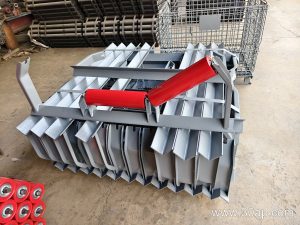
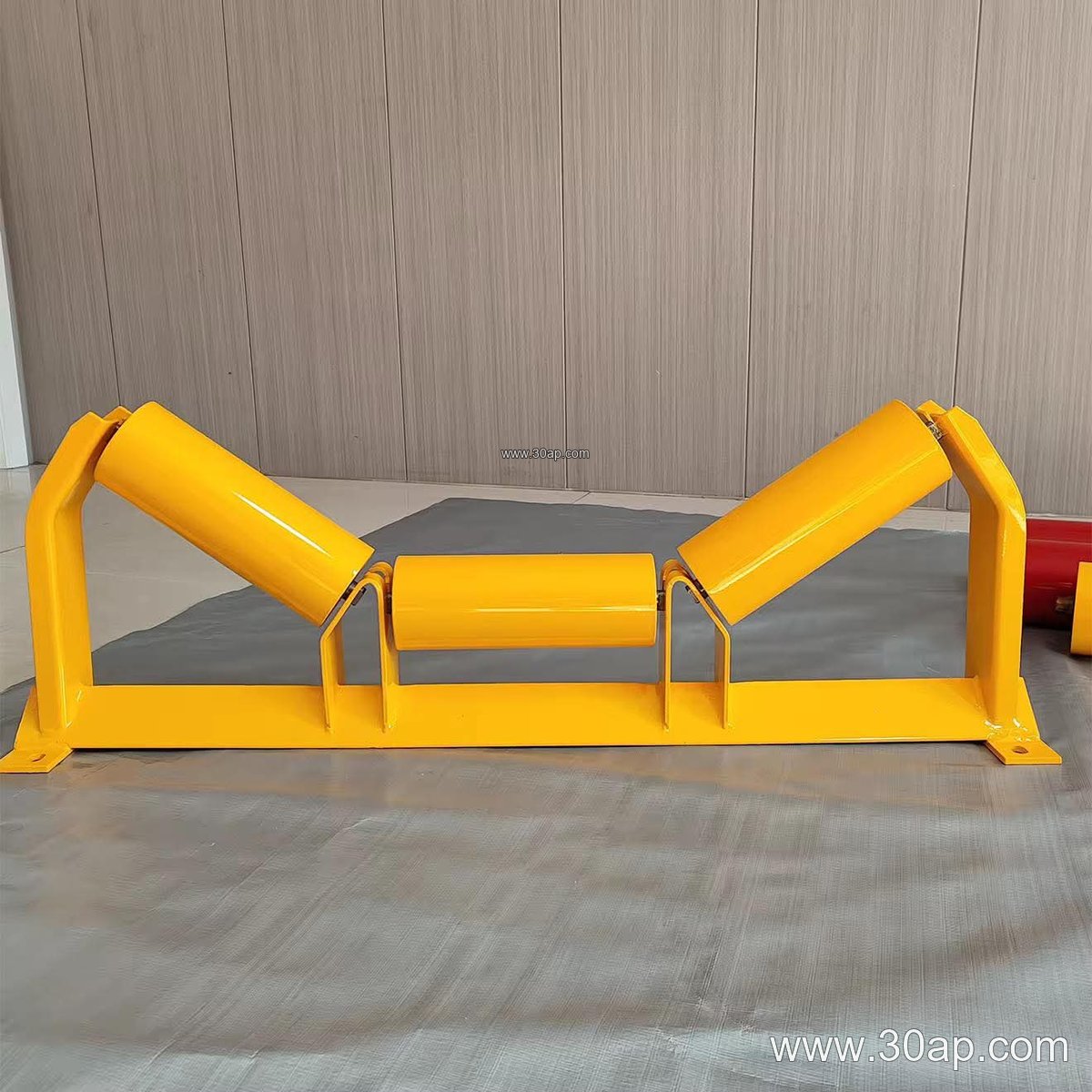
Buyers working on a quarry conveyor, a cement plant transfer tower or a power plant coal yard will usually find these supports described as idler frames, roller support brackets or simply conveyor brackets. The names vary, the function does not: locate the idler, transfer the load to the stringer, and keep the belt profile stable.
How the Bracket Is Built
Most units are fabricated from angle steel, channel steel or folded steel plate, then drilled or punched for the idler shaft. Welded brackets need clean welds at the gusset and consistent hole spacing, because a few millimetres of misalignment across a frame will tilt the roller and cause edge wear on the belt.
Surface treatment matters in wet or dusty service. Hot-dip galvanising is common for outdoor stockyard structures, while painted finishes are often chosen for indoor installations. When specifying, state the frame material, the finish and the hole pattern rather than assuming a standard.
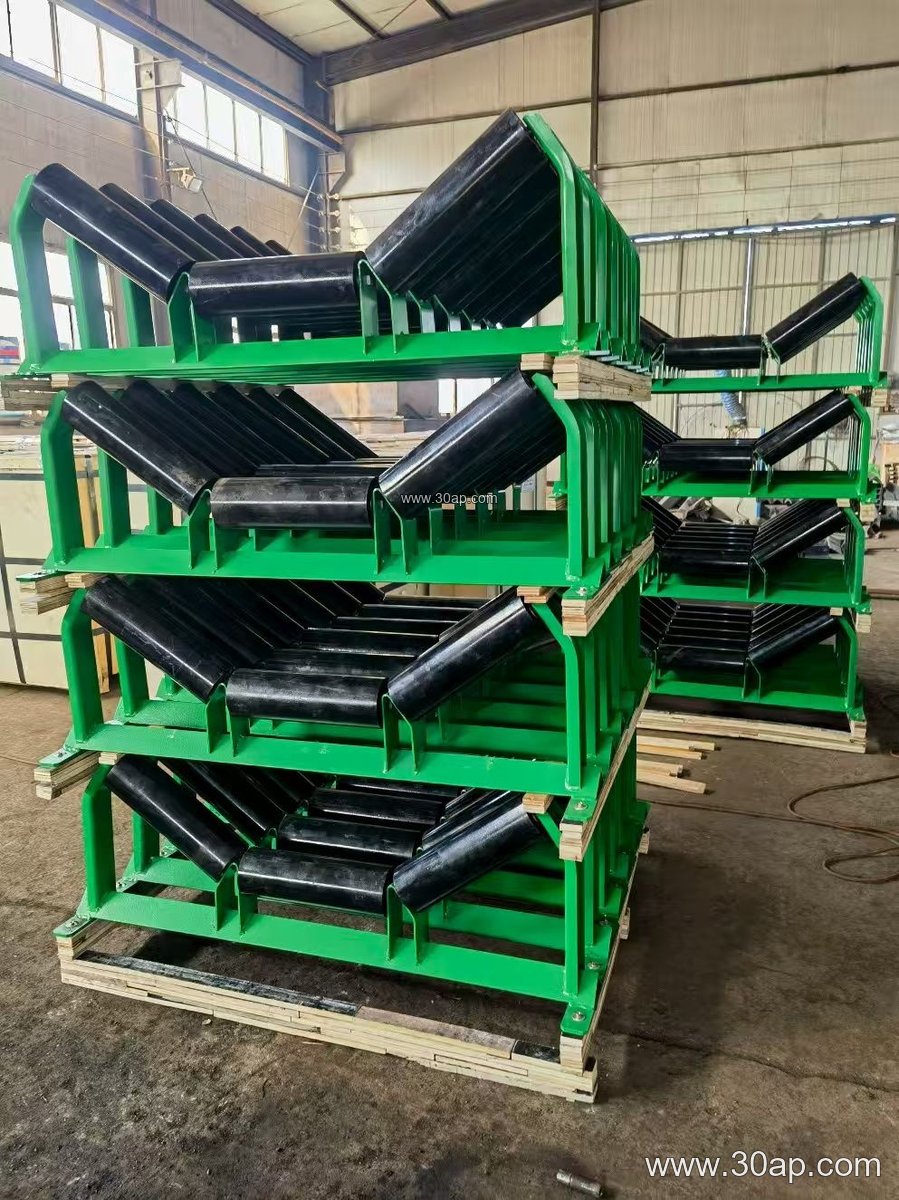
Types and Where They Sit
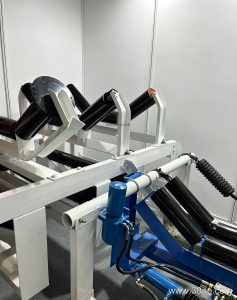
The carrying side normally uses a trough bracket, with the wing rollers set at 20, 30, 35 or 45 degrees. Return side support is usually a flat bracket or a V-return bracket. Impact zones under a crusher discharge call for a buffer bracket, and long runs benefit from self-aligning brackets that correct minor belt drift.
- Trough and upper trough brackets for the loaded strand
- Transition brackets near pulleys and loading points
- Return and V-return brackets for the empty strand
- Buffer brackets under chutes and crusher outlets
- Self-aligning and forward-leaning brackets for tracking control
- Hanging and adjustable brackets for confined or variable frames
Adjustable brackets allow the trough angle to be changed on site, which is useful when a line is re-rated. Fixed brackets are simpler and stiffer, and are often preferred where the profile will never change.
Matching Bracket, Belt and Roller
Belt width and roller diameter are chosen together with the bracket, not in isolation. A B800 frame at 35 degrees with Ø108 rollers is a common combination in aggregate plants, while a B1200 line at 45 degrees may run Ø133 rollers. Heavier ore duty on a B1400 or B1600 frame often uses Ø159 or Ø194 rollers. These are typical pairings, not fixed rules; final selection follows the conveyor design.
| Belt width | Typical trough angle | Common roller diameter |
|---|---|---|
| B500 / B650 | 20–30 degrees | Ø89 |
| B800 / B1000 | 30–35 degrees | Ø108 |
| B1200 / B1400 | 35–45 degrees | Ø133 / Ø159 |
| B1600 / B1800 | 35–45 degrees | Ø159 / Ø194 |
| B2000 / B2200 | 35–45 degrees | Ø194 |
Installation hole spacing and crossbeam length change with belt width and trough angle, so they should be confirmed against the drawing rather than copied from an old frame. Forward-leaning brackets are usually set at about 1.5 to 2 degrees to help the belt centre itself.
Procurement Checklist
Before releasing an order, confirm the belt width, trough angle, roller diameter, frame material, finish and mounting dimensions. Ask for the hole pattern drawing so the bracket can be checked against the existing stringers. For a coal handling or underground application, confirm that the finish and any flame-retardant requirements for nearby components are stated clearly.
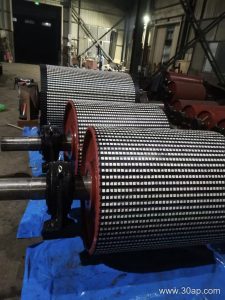
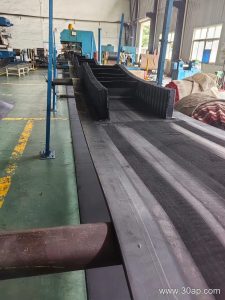
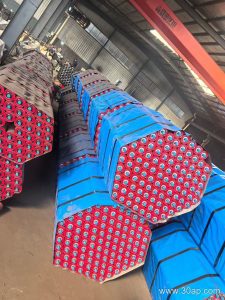
It also helps to buy brackets together with the idler rollers and the conveyor pulley package, so that shaft sizes and frame heights are checked as one system. On a long overland line carrying EP conveyor belt or a heavy-duty steel cord conveyor belt, small errors in bracket height accumulate over hundreds of metres. Where the belt is a flame retardant conveyor belt in a coal mine or a heat resistant conveyor belt near a kiln, the support structure should be reviewed with the same care as the belt itself.
Good conveyor bracket procurement comes down to drawings, not guesswork: correct angle, correct hole pattern, correct material, and a supplier who can confirm all three before shipment.