What a Ceramic-Lined Pulley Is and Where It Fits
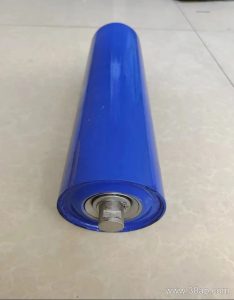
A ceramic-lined pulley is a conveyor pulley whose outer surface carries embedded ceramic tiles rather than plain steel or rubber. The tiles sit in a rubber or polymer matrix, creating a hard, textured shell that grips the conveyor belt while resisting abrasion. In a limestone quarry or a coal handling circuit, this kind of pulley often serves as a drive pulley, where torque transfer and belt traction matter most. It is not a tail pulley or a bend pulley by default; those positions have different duties, and a ceramic surface is chosen only when the application justifies it.
The product is also called a ceramic lagged pulley or a ceramic rubber lagged pulley. These names describe the same item: a conveyor pulley with ceramic chips bonded into a lagging layer. The term “lagging” refers to the covering on the pulley shell, so a ceramic-lagged drive pulley is simply a drive pulley that uses this surface.
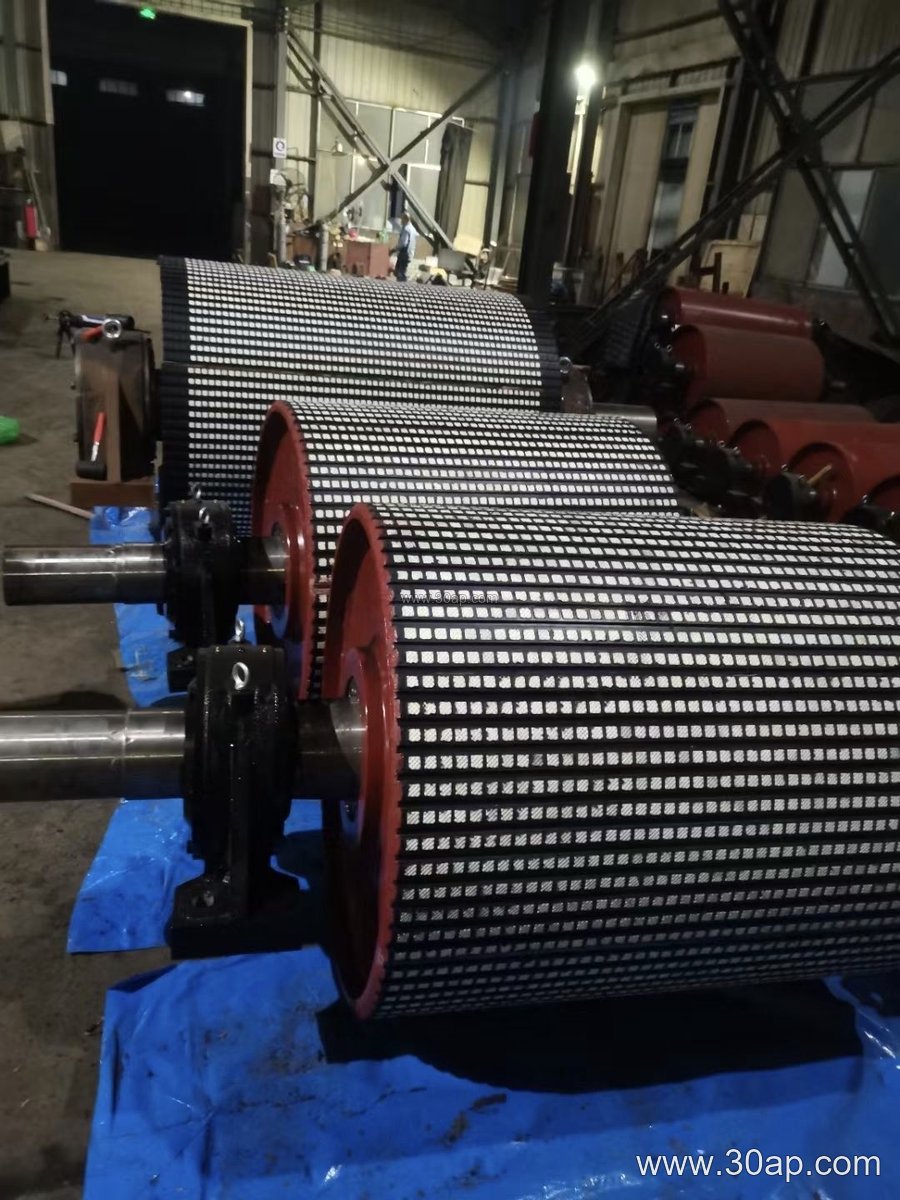
How the Ceramic Layer Is Built
Construction starts with a steel drum, typically machined and balanced. A bonding layer, often rubber, is applied to the shell. Ceramic tiles are then pressed into the rubber while it is uncured, and the whole assembly is vulcanized. The tiles are usually small, with sharp edges or raised patterns that bite into the belt. The rubber between the tiles provides flexibility and protects the steel shell from corrosion.
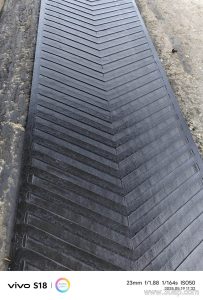
Common surface forms include ceramic lagging with plain tiles, diamond pattern, or herringbone arrangement. The choice depends on the material being conveyed and the amount of slip expected. For a coal feeder or a cement clinker line, a diamond ceramic surface can shed fines better than a plain rubber surface.
Typical Parameters and Size Ranges
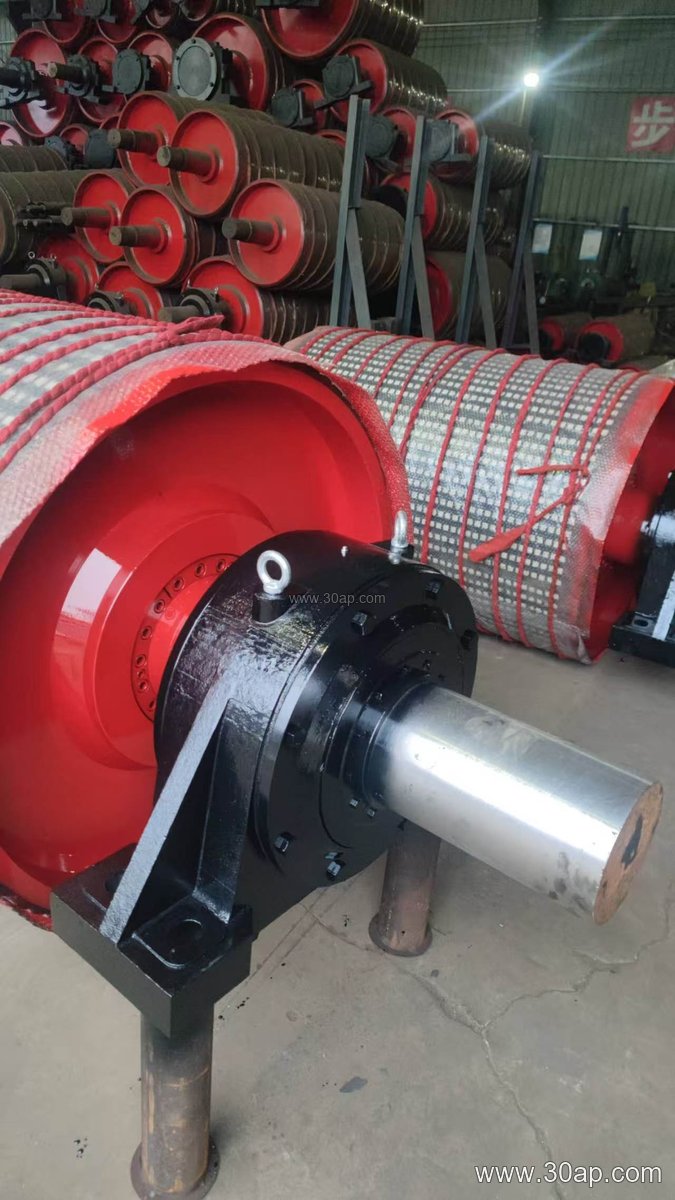
Ceramic-lined pulleys are made in a range of band widths and diameters. The table below shows common reference values, not fixed combinations. A B800 pulley, for example, may be built with Ø500 or Ø630, depending on belt tension and shaft load.
| Band width | Typical shell width | Common diameter range |
|---|---|---|
| B400 | ~500 mm | Ø200–Ø400 |
| B500 | ~600 mm | Ø250–Ø500 |
| B650 | ~750 mm | Ø315–Ø630 |
| B800 | ~950 mm | Ø400–Ø800 |
| B1000 | ~1150 mm | Ø500–Ø1000 |
| B1200 | ~1400 mm | Ø630–Ø1250 |
| B1400 | ~1600 mm | Ø800–Ø1400 |
| B1600 | ~1800 mm | Ø1000–Ø1600 |
Shaft diameters are selected by torque and load, not by band width alone. Common shaft sizes include Ø50, Ø60, Ø80, Ø100, Ø120, Ø160, and Ø200. A B1200 × Ø1000 pulley might use a Ø120 shaft in one conveyor and a Ø160 shaft in another with higher tension. The ceramic lagging thickness is often 8, 10, 12, 15, or 20 mm, applied over the steel shell.
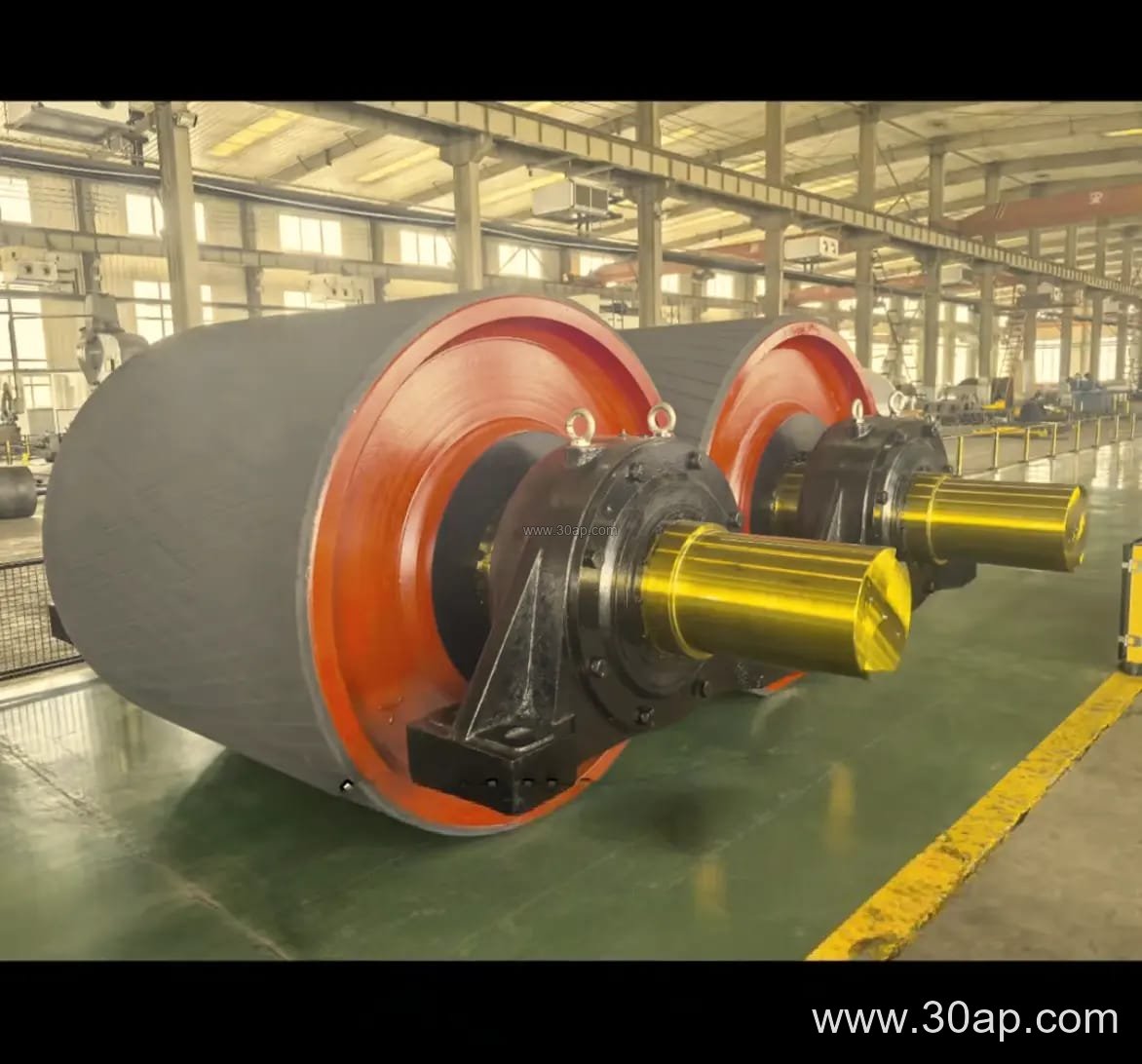
Where Ceramic Lagging Makes a Difference
In a gravel plant or an iron ore transfer point, abrasive dust and fines can polish a smooth steel pulley until the belt slips. A ceramic surface keeps a rough profile longer because the tiles are harder than the rubber or steel around them. This is why ceramic-lined pulleys appear in coal preparation plants, power station coal conveyors, and sinter lines. They are also used on drive pulleys in tunnel muck removal, where the belt carries sharp rock fragments.
A ceramic-lined pulley is not automatically better than a rubber-lined pulley in every position. A tail pulley in a clean grain silo may run perfectly well with plain rubber or a bare steel surface. A bend pulley with a small wrap angle may not need ceramic grip at all. The decision should match the wear pattern, the material, and the risk of belt slip.
Buyer Checklist for Ceramic-Lined Pulleys
- Confirm the pulley function: drive, tail, bend, or tension. A ceramic surface is most common on drive pulleys, but it can be specified for other positions if abrasion is severe.
- Check the conveyor belt width and the required shell width. The shell is usually wider than the belt, for example B1000 belt with ~1150 mm shell.
- Verify the shaft diameter by torque calculation, not by copying a neighbor’s pulley.
- Ask about the ceramic tile size, pattern, and bonding method. A well-vulcanized ceramic rubber lagging should not shed tiles under normal load.
- Consider the environment: wet, dusty, or corrosive conditions affect the choice between ceramic, rubber, and plain steel.
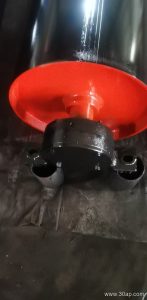
- Ensure the pulley is balanced and the bearing housing matches the conveyor bracket.
A ceramic-lined pulley can extend service life in abrasive duty, but it must be sized and applied correctly. Match the pulley to the conveyor belt, the idler roller layout, and the overall conveyor pulley system. For any specific project, review the actual load, speed, and material with the pulley manufacturer.