What a 650mm Conveyor Belt Is
A 650mm conveyor belt is a belt with a nominal width of 650 millimetres, usually written as B650 in specification sheets and drawings. It sits in the light-to-medium width range: wider than a 500mm or 600mm belt, narrower than an 800mm or 1000mm belt. Because of that middle position, it appears in a lot of secondary and tertiary conveying lines where tonnage is moderate but the material is still abrasive or heavy.
Buyers often search for this size using its metric and imperial descriptions. The same item may be listed as a 650mm wide conveyor belt, a B650 conveyor belt, or roughly a 26-inch belt. These are equivalent names for one product width, not different belt types.
Construction and Common Specifications
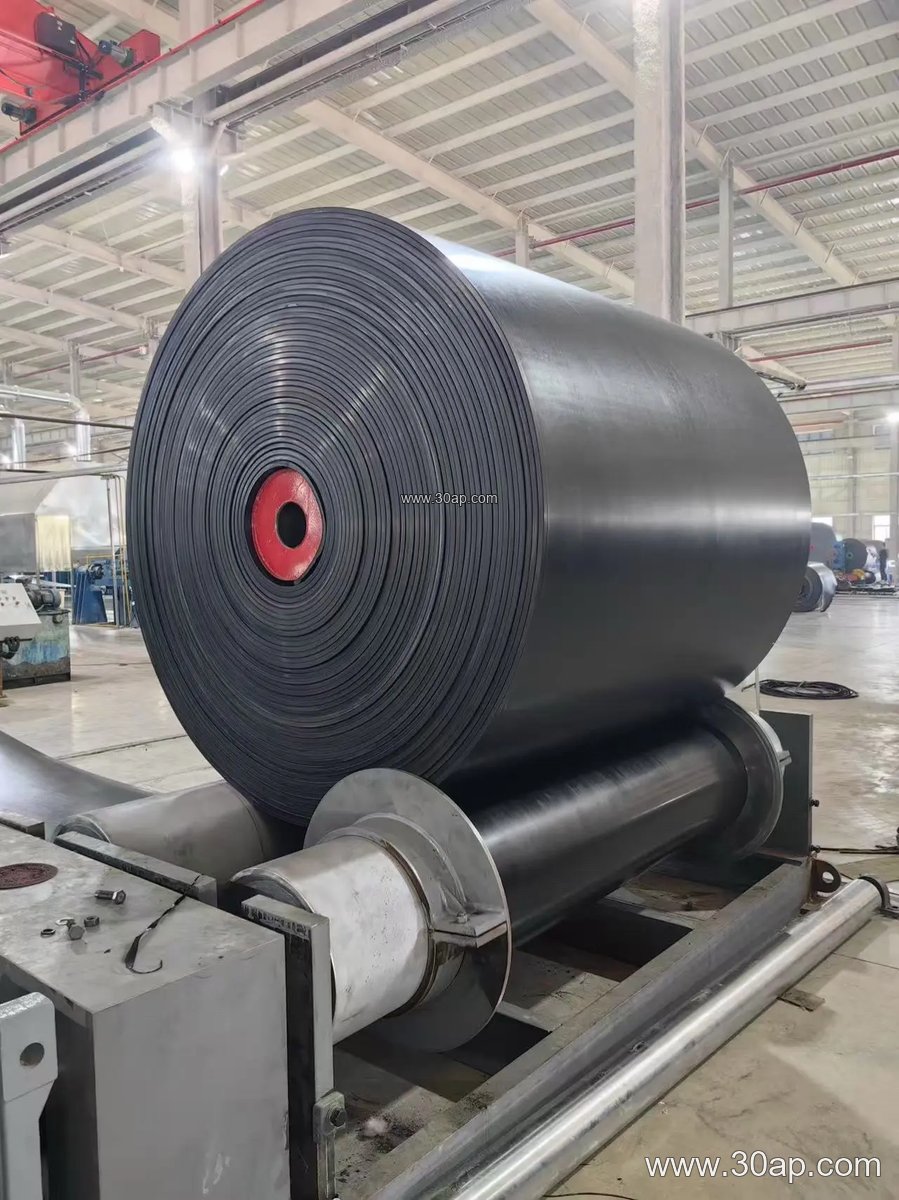
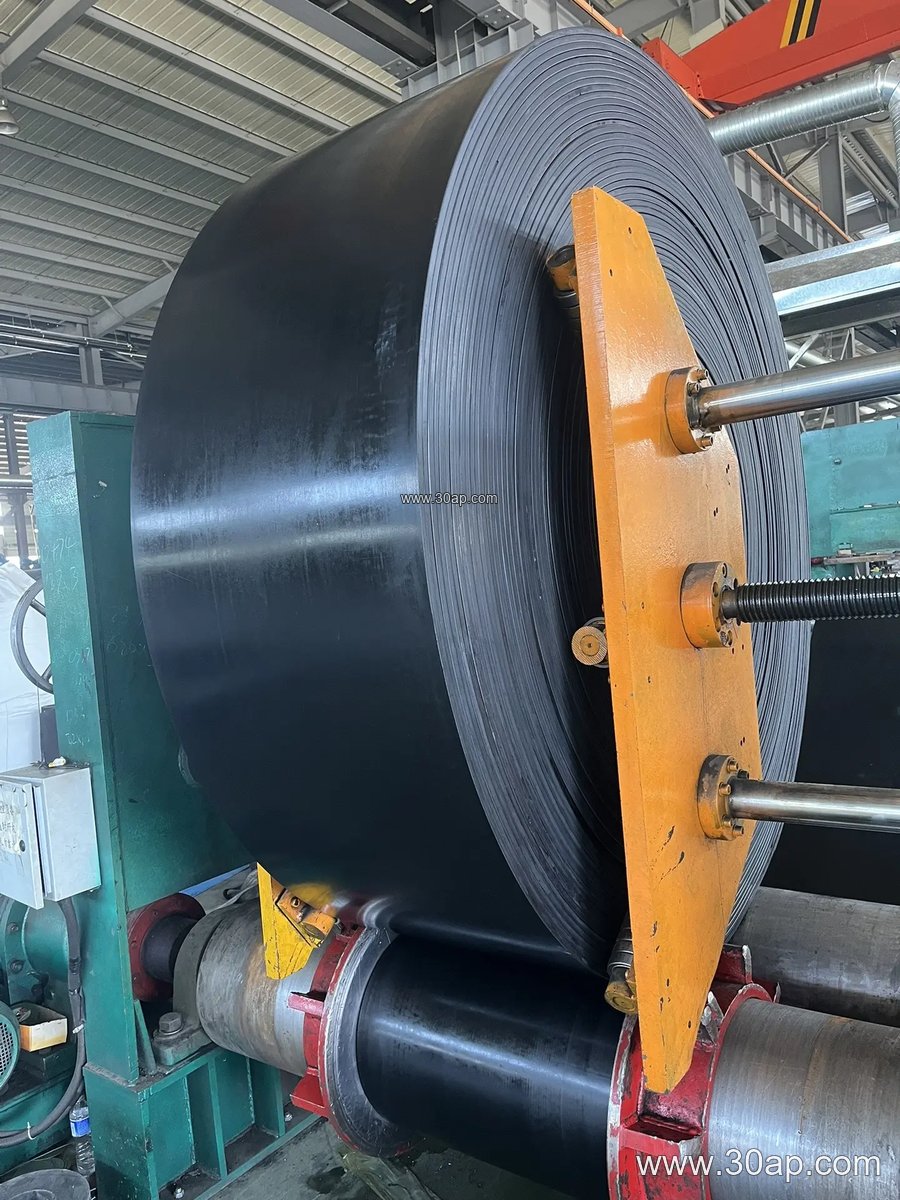
The belt body is a composite: a fabric or steel cord carcass carries the tension, and rubber covers protect it from the material and the environment. For a 650mm belt, fabric cores are the usual choice because the belt is not normally asked to span very long centre distances. Steel cord construction is more typical on wide, high-tension trunk lines.
Typical reference values for this width are shown below. They are common ranges, not fixed combinations, and final values are set by the conveyor design.
| Parameter | Common Reference Values |
|---|---|
| Belt width | 650 mm (B650) |
| Carcass type | EP fabric, NN fabric, steel cord |
| Fabric plies | 2 to 6 layers, depending on tension |
| Longitudinal strength | EP200, EP315, EP400, EP500, EP630, EP800 |
| Top cover thickness | 3 mm, 4 mm, 5 mm, 6 mm, 8 mm |
| Bottom cover thickness | 1.5 mm, 2 mm, 3 mm |
| Cover combinations | 3+1.5, 4+2, 5+2, 6+2, 8+3 mm |
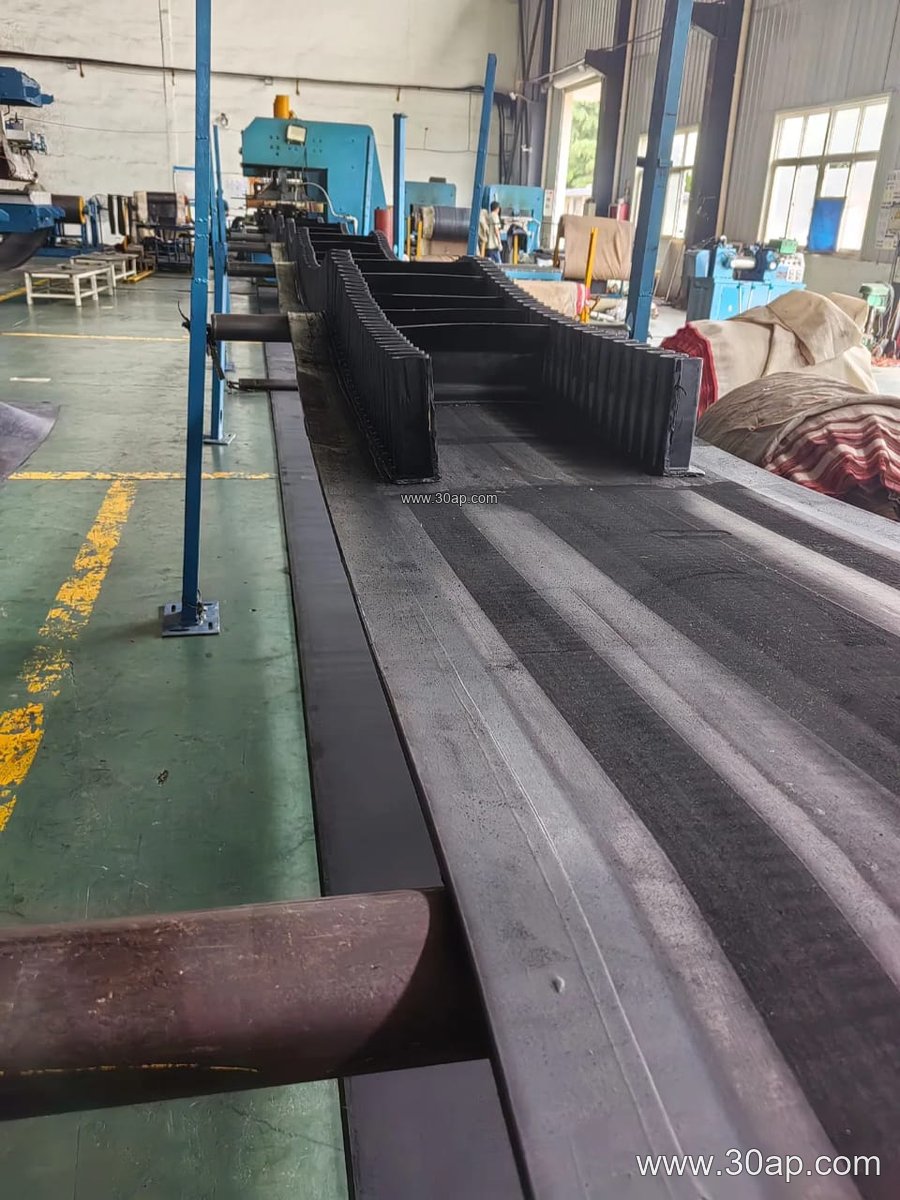
| Surface options | plain, chevron, corrugated sidewall, skirted |
Cover grade matters as much as the carcass. An abrasion resistant conveyor belt handles crushed stone and ore fines; a heat resistant conveyor belt is used after kilns and dryers; a flame retardant conveyor belt and anti-static conveyor belt are common in coal handling and underground work. In coal mines, PVG conveyor belt and PVC conveyor belt constructions are widely used because of their fire behaviour.
Where This Width Fits in a Plant
In a quarry or sand and gravel plant, a 650mm belt often serves as a transfer belt under a screen or between a crusher and the next stage. The same width turns up in cement plants on clinker and additive lines, in power plants on coal and ash handling, and in small to mid-size mining operations feeding ore to a stockpile. Port and ship loading systems sometimes use it for short boom or trimming belts where a full 1200mm belt would be oversized.
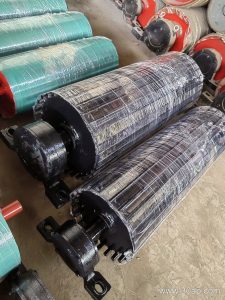
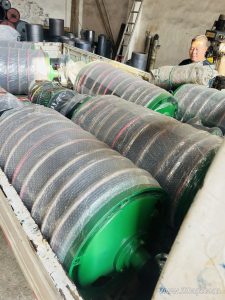
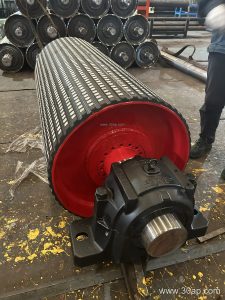
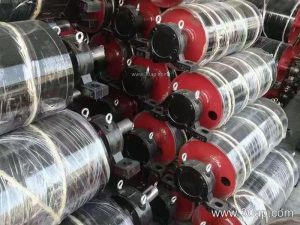
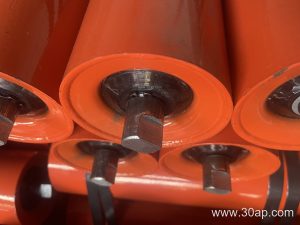
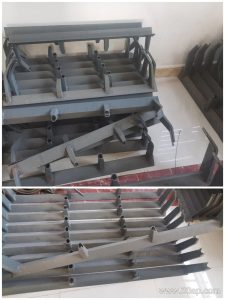
On the mechanical side, a 650mm belt usually runs on a frame with idler rollers spaced according to load, a drive pulley at the head, a tail pulley for tension and tracking, and bend pulleys where the belt changes direction. Conveyor brackets and stringers hold the idlers and pulleys in alignment. Drive, tail and bend pulleys are separate components with separate duties and are not interchangeable.
Selection Notes for Buyers
- Confirm the actual belt width and the pulley face width, since a 650mm belt needs a pulley wide enough to support it without edge damage.
- Match the carcass strength to the calculated tension, not to the belt width alone. A 650mm belt can be built with EP400 or EP630 depending on the duty.
- State the material: lump size, temperature, oil content, moisture and abrasiveness all change the cover specification.
- Ask for the cover thickness in the top plus bottom format, for example 6+2 mm, so quotations can be compared directly.
- For inclined sections, consider a chevron conveyor belt or a corrugated sidewall conveyor belt to prevent material rollback and spillage.
- For dusty or explosive atmospheres, specify anti-static and flame retardant properties and confirm them on the datasheet.
Maintenance is mostly about alignment and edge condition. Check idler rollers for seized bearings, verify pulley lagging, and keep the belt tracking straight; edge wear on a 650mm belt usually points to misalignment or material trapped at the tail. Store spare belts flat and away from sunlight and ozone sources.
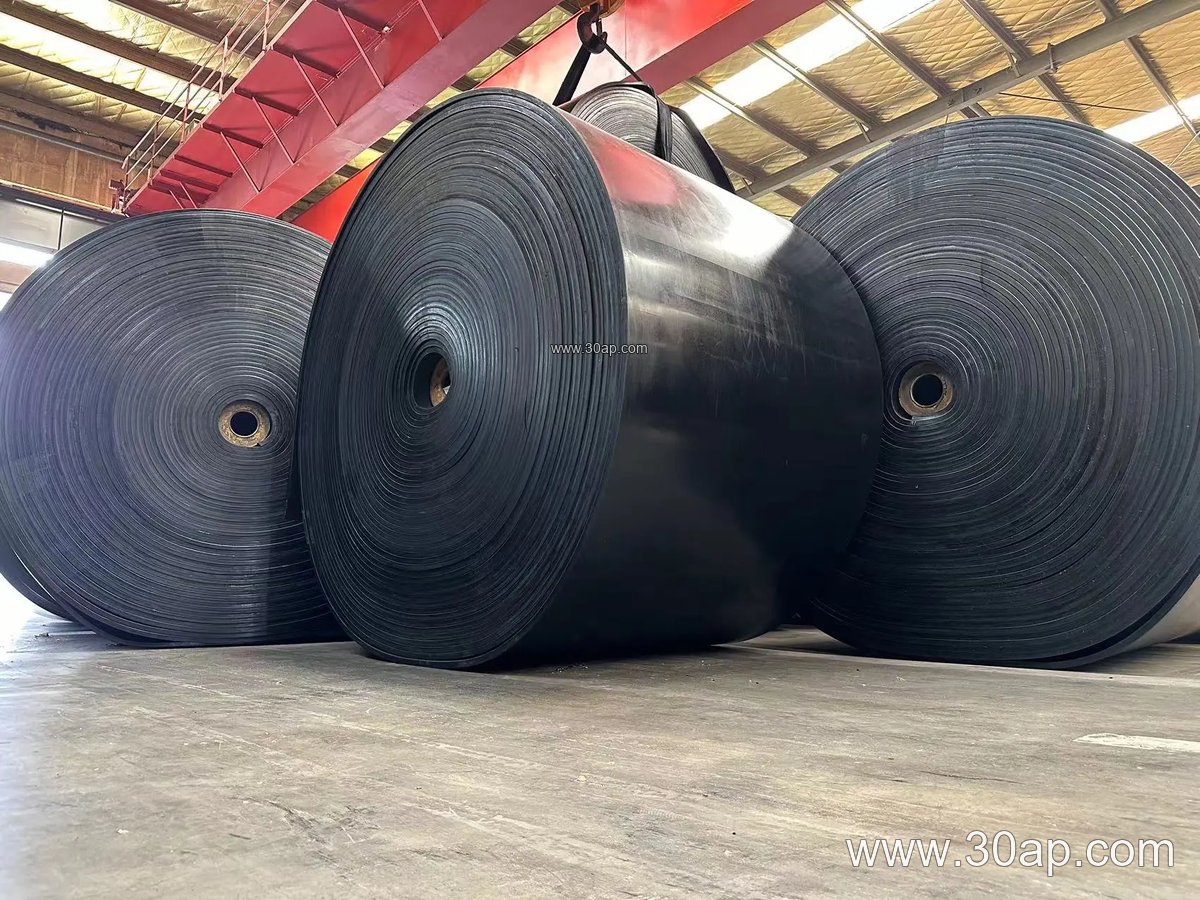
For related components and belt options, see conveyor belt, EP conveyor belt, idler roller and conveyor pulley pages. The 650mm size is a practical middle ground, but the final specification should always come from the conveyor design and the material being carried.