What a Return Idler Bracket Does
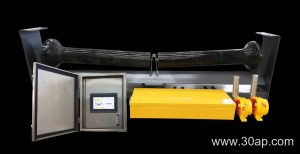
The return idler bracket is the supporting hardware that holds the return idlers beneath the carrying side of a conveyor belt. While the load-carrying run gets most of the attention, the return strand also needs steady support, and that job falls to this bracket. In everyday plant language, it is also called a return roller bracket or lower return bracket, and those names describe the same component.
Its role is simple but important. It keeps the return idler roller at the correct height and alignment so the belt does not sag, wander, or rub against the frame. A properly matched bracket helps the belt travel smoothly on its way back to the tail pulley.
How the Bracket Is Built
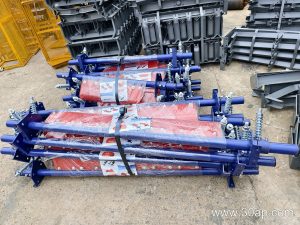
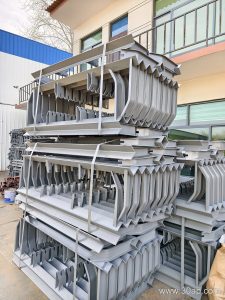
Most return idler brackets are fabricated from angle steel, channel steel, or folded steel plate. The choice depends on the load, the belt width, and the environment. A typical bracket has mounting holes for the idler shaft, slots or holes for bolting to the conveyor frame, and a shape that positions the roller at the right elevation.
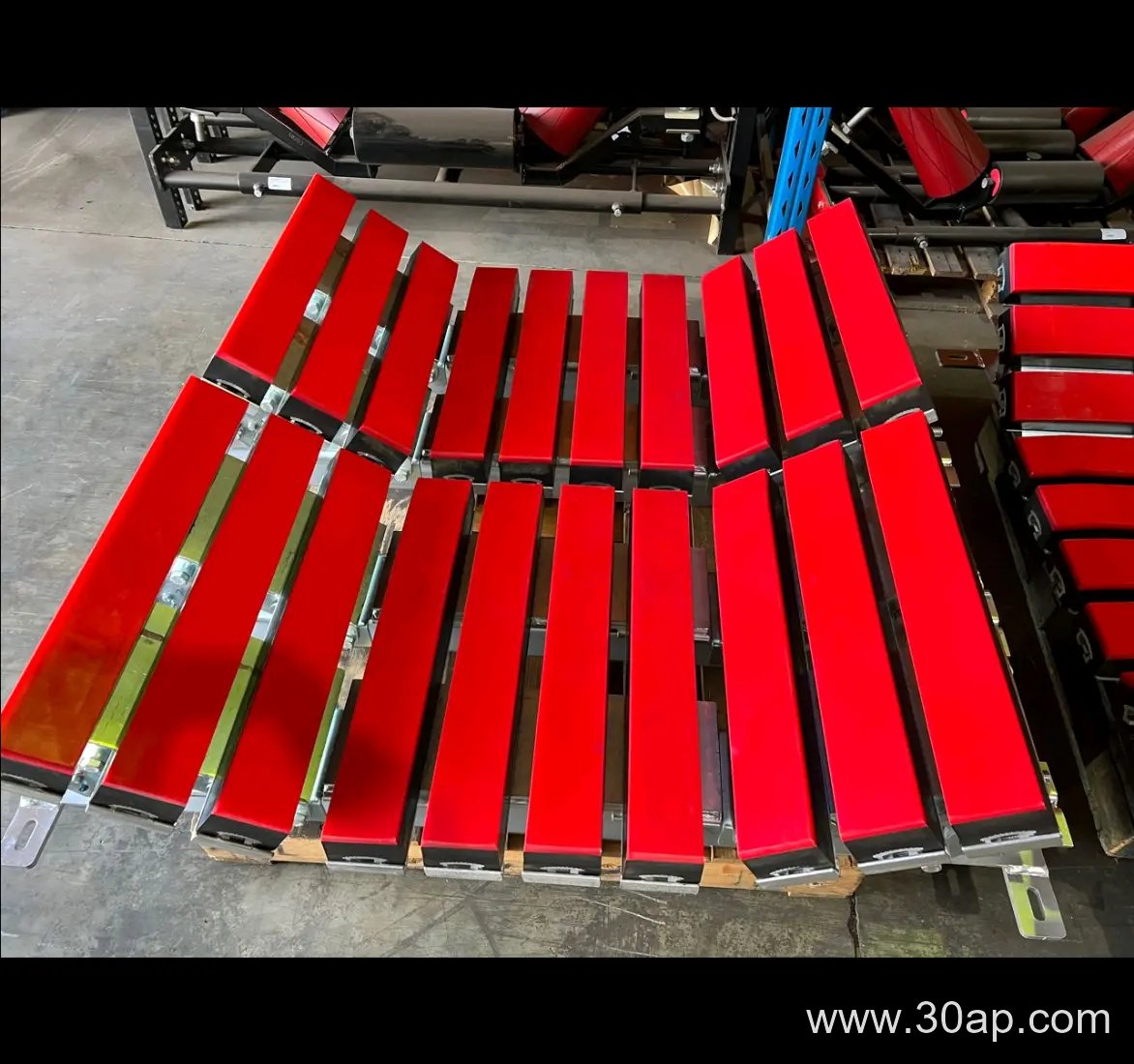
Some designs are fixed, while adjustable versions allow the roller height or angle to be fine-tuned after installation. Fixed brackets are common on standard conveyors, while adjustable ones are useful when alignment needs correction over time. The bracket must resist vibration and occasional impact, so welds and bolt holes should be clean and consistent.
Where It Fits on a Conveyor
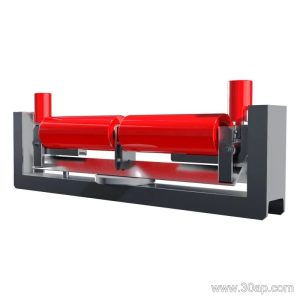
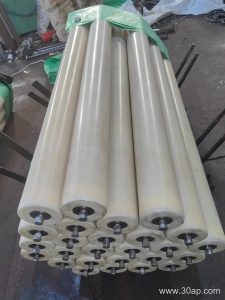
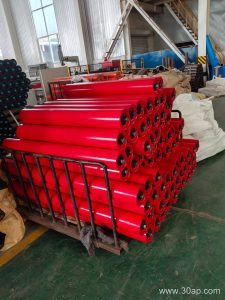
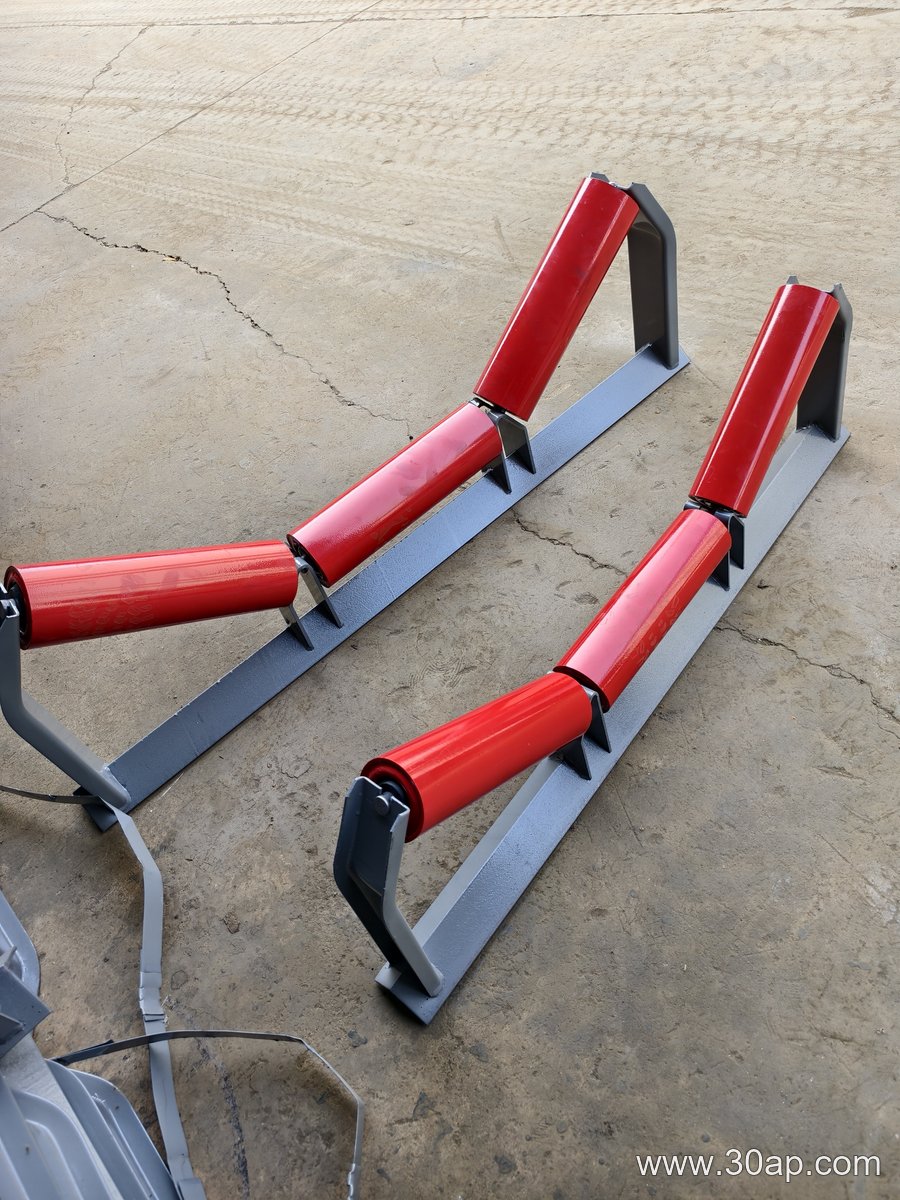
The bracket sits under the return strand, usually at intervals along the conveyor frame. It supports a single flat return idler or, in some designs, a pair of rollers arranged in a V shape. This is different from the upper troughing brackets that carry the loaded belt, and it is also different from the pulleys at the head and tail. A drive pulley, tail pulley, or bend pulley has a completely different function and is not a replacement for this bracket.
Return idler brackets appear in many bulk handling sites, including sand and gravel lines, coal preparation plants, and fertilizer handling facilities. In each case, the bracket works with the conveyor belt, the idler roller, and the conveyor pulley to keep material moving.
Common Configurations and Sizing
Return brackets are usually matched to belt width and roller diameter. Common belt widths include B500, B650, B800, B1000, B1200, and wider sizes up to B2200. Roller diameters often range from Ø89 to Ø194, with Ø108 and Ø133 being frequently used. The bracket mounting hole spacing and crossbeam length are determined by the belt width and the specific frame design, so they should not be treated as universal fixed numbers.
For a flat return arrangement, the bracket simply holds one roller. For a V-return arrangement, the bracket supports two rollers set at an angle. The angle helps center the belt and reduce edge damage. The exact angle is selected by the conveyor designer, not by a single rule that applies to every belt.
What Buyers Should Check
- Confirm the belt width and the return idler diameter the bracket must accept.
- Check the mounting hole pattern against the existing conveyor frame.
- Decide between a fixed and an adjustable bracket based on alignment needs.
- Match the material and finish to the site conditions, such as dust or moisture.
- Verify that the bracket is designed for the return side, not the carrying side.
A return idler bracket may look like a small part, but it affects belt tracking, roller life, and maintenance time. Selecting the right one starts with the conveyor layout, the belt width, and the roller size, and it ends with a bracket that keeps the return strand running true.