What a Fabric Core Conveyor Belt Is
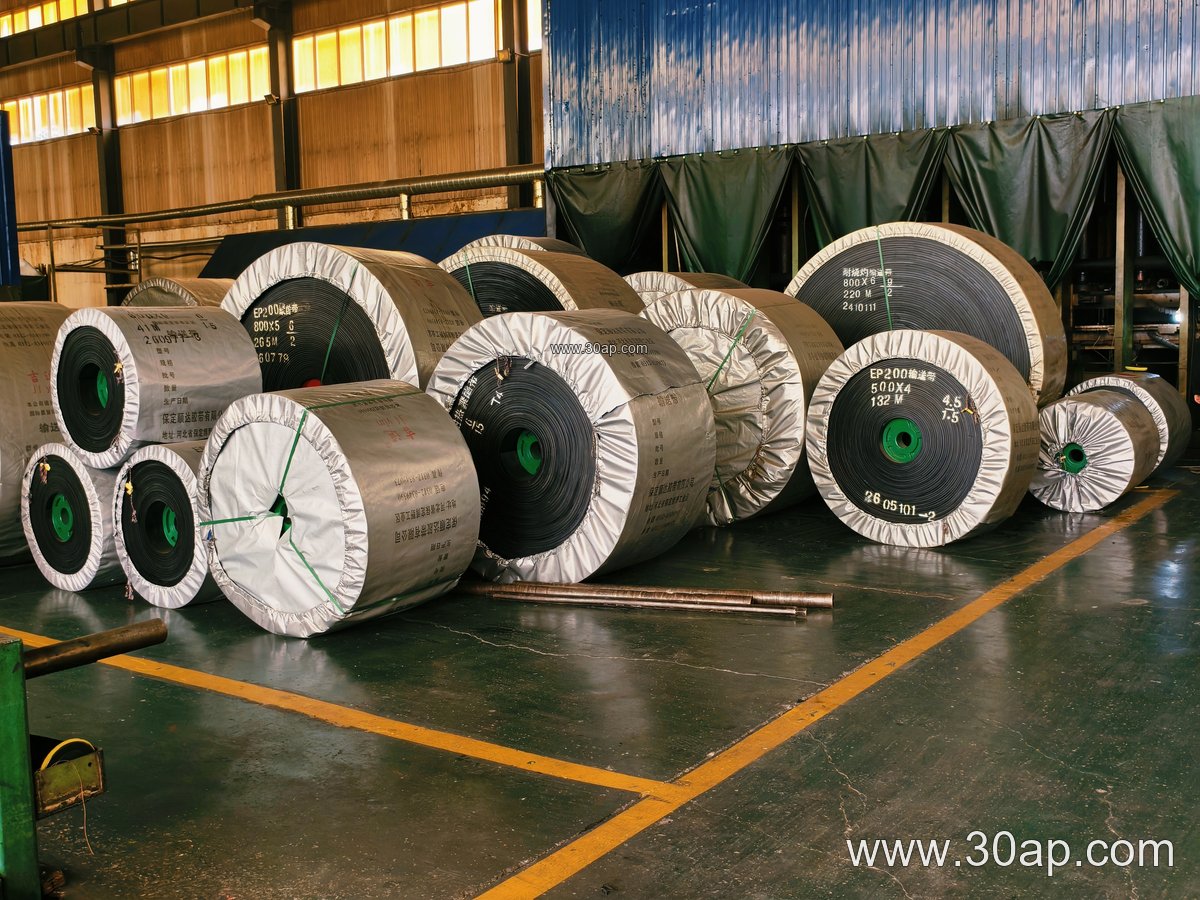
A fabric core conveyor belt is a rubber belt whose load-bearing skeleton is made from woven textile plies rather than steel cables. The textile carcass gives the belt strength, flexibility, and resistance to repeated flexing around pulleys, while the rubber covers protect the fabric and grip the material. In mining, coal preparation, cement plants, power stations, quarries, and sand and gravel yards, this belt is often the workhorse of the main haulage line. Buyers also know it as a textile carcass conveyor belt, and the most common versions are the EP conveyor belt with polyester-nylon fabric and the NN conveyor belt with nylon-nylon fabric.
How the Belt Is Built
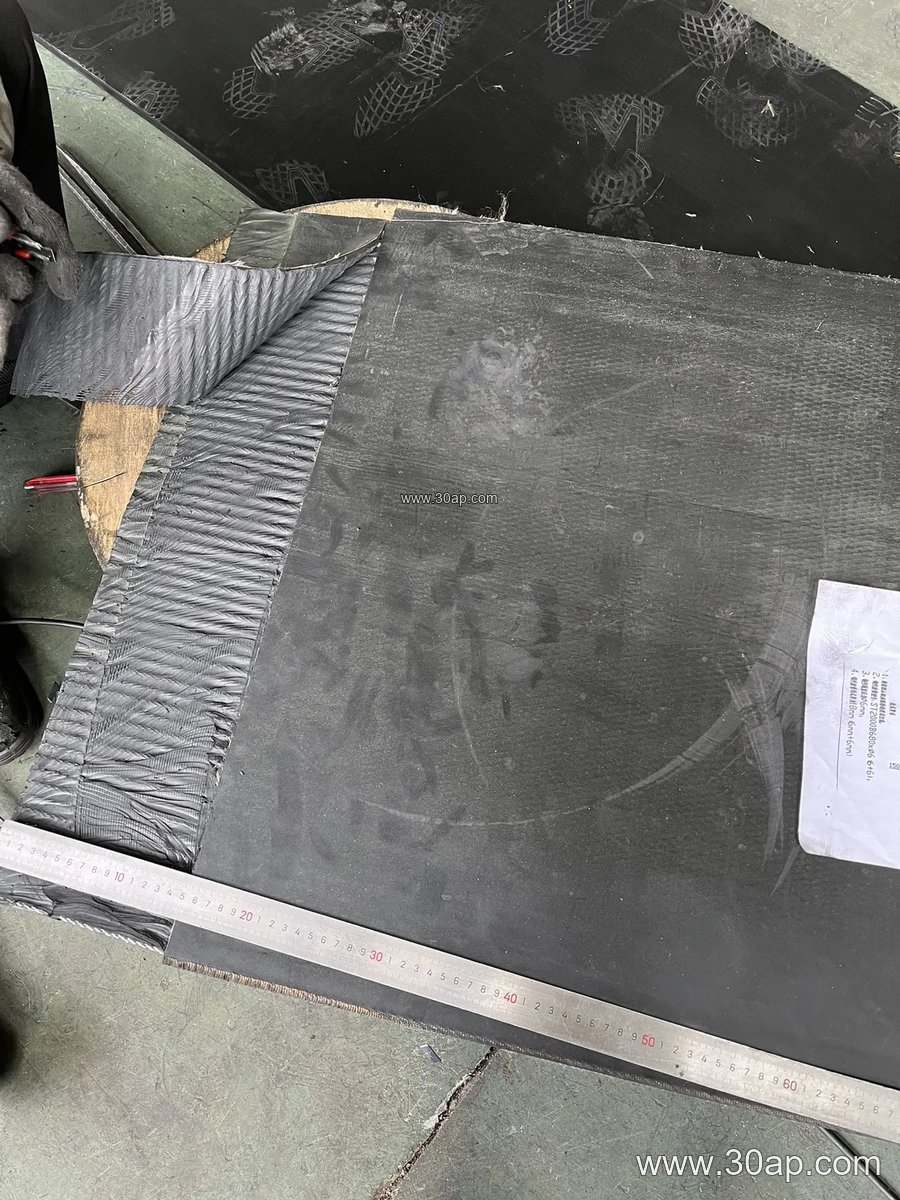
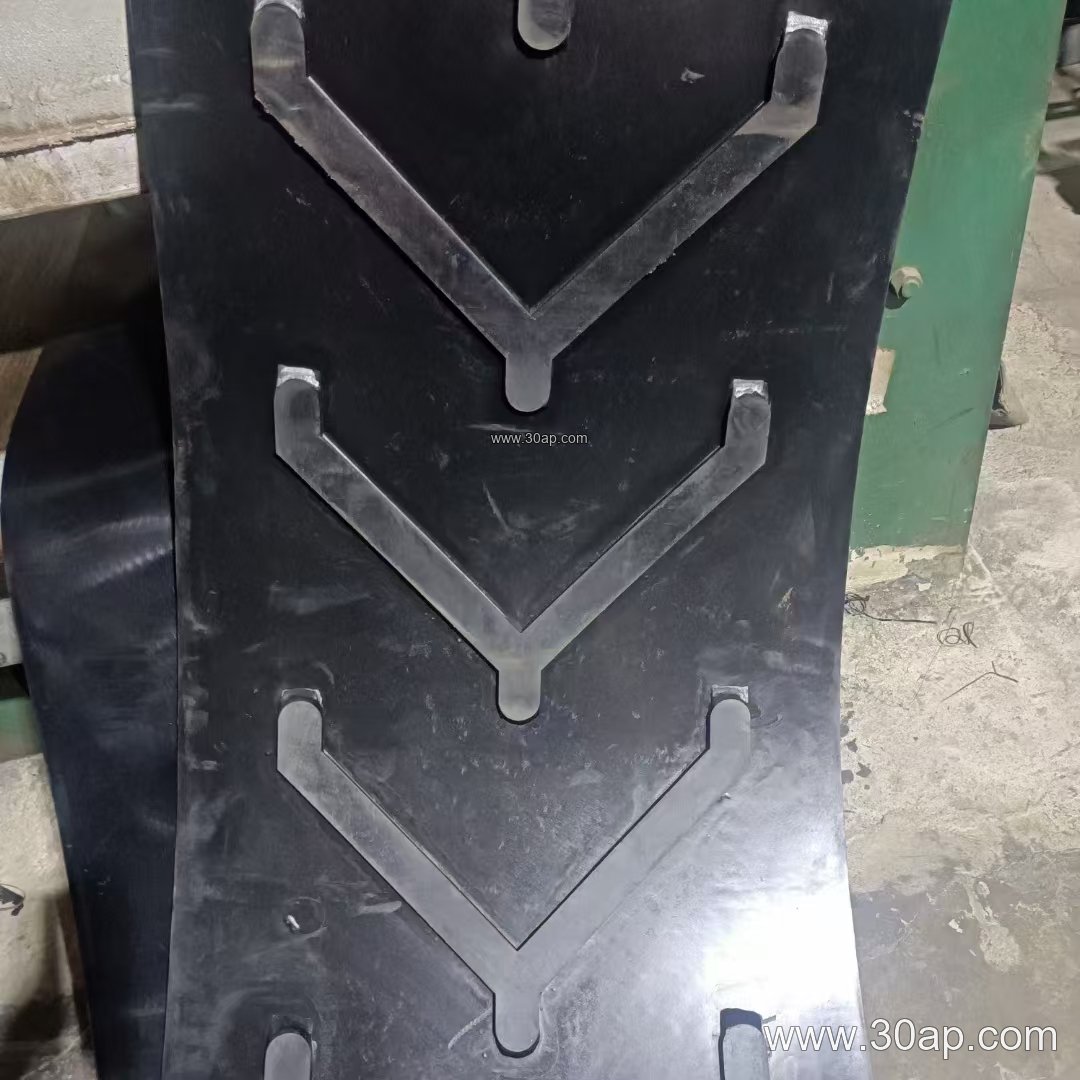
The carcass usually consists of two to six fabric plies, bonded together with skim rubber and protected by top and bottom covers. Cover thickness is commonly quoted as a pair, for example 4+2 mm or 6+2 mm, where the first figure is the carrying side and the second is the pulley side. The fabric type and ply count determine the belt’s tensile strength, while the cover compound determines whether it suits abrasion, heat, oil, or flame-retardant service. A fabric core belt can be supplied as an endless conveyor belt vulcanized in a loop, or as open lengths joined on site. Surface forms such as a chevron conveyor belt or a corrugated sidewall conveyor belt are built on the same textile carcass principle when the application calls for inclined conveying or material containment.
Typical Specifications
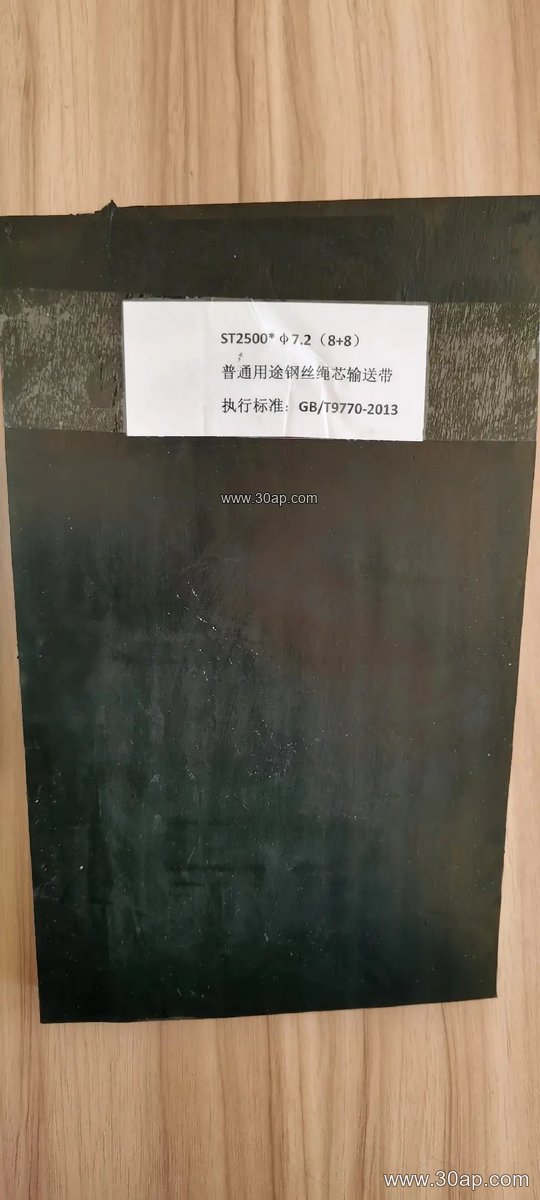
The table below shows common reference values. Actual figures depend on the manufacturer and on the conveyor design, so treat them as a starting point for discussion rather than a fixed rule.
| Parameter | Common reference values |
|---|---|
| Fabric type | EP (polyester-nylon), NN (nylon-nylon) |
| Strength grades | EP200, EP315, EP400, EP500, EP630, EP800, EP1000, EP1250, EP1600, EP2000 |
| Belt width | B500, B650, B800, B1000, B1200, B1400, B1600, B1800, B2000 |
| Cover thickness | 3+1.5, 4+2, 5+2, 6+2, 8+3 mm |
| Carcass plies | Usually 2 to 6 layers |
Belt width and pulley diameter are matched through the conveyor design, not by a single fixed pairing. A wider belt does not automatically dictate one shaft size, and a given width may run on different pulley diameters depending on tension and wrap angle.
Where It Fits in the Plant
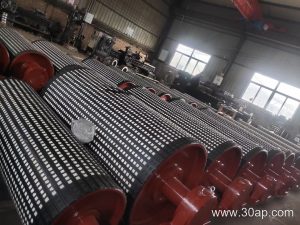
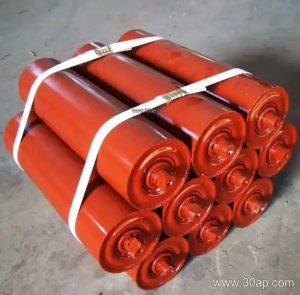
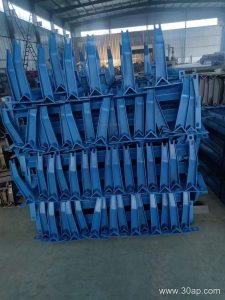
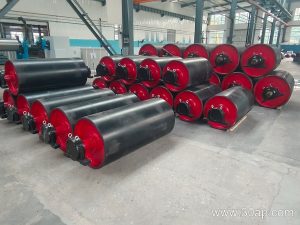
In a coal mining conveyor line, a flame retardant conveyor belt and anti-static cover are often required for underground mining conveyor duty. In a cement plant, heat resistant conveyor belt grades handle clinker and kiln-adjacent transfers, while an abrasion resistant conveyor belt suits limestone and aggregate. A quarry conveyor belt or crusher conveyor belt must tolerate sharp rock, so high abrasion resistant covers and impact resistant construction help. Port and ship loading systems favor wide belts, and a 1200mm wide conveyor belt or 1400mm belt is common on high-capacity lines. The belt works together with idler rollers, conveyor pulleys, and conveyor brackets, and the drive pulley, tail pulley, and bend pulley each have a distinct role in keeping the belt tracking and tensioned.
Selection Points for Buyers
- Confirm the material being carried, its lump size, temperature, and oil or chemical content before choosing the cover compound.
- Check the required tensile strength against the conveyor’s calculated tension, then select the EP or NN grade with a sensible safety margin.
- Match cover thickness to wear conditions; a thicker top cover extends service life in abrasive stone and ore handling.
- For underground coal work, specify flame retardant and anti-static properties as part of the belt specification.
- Decide between an endless belt and field-spliced lengths based on installation access and downtime tolerance.
- Review pulley diameters, trough angle, and transition distances with the conveyor designer so the textile carcass is not over-flexed.
Care and Longevity
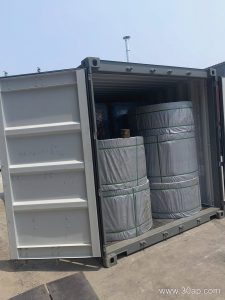
Most fabric core belt failures start at the edges, at the splice, or where material impact is heaviest. Keeping idler rollers turning freely, aligning conveyor pulleys, and maintaining skirt rubber reduce edge damage. Cleaning carryback and checking the splice regularly also help. Store spare belt rolls flat and dry, away from ozone sources and direct sunlight, and inspect covers for cuts before they reach the fabric. With the right grade and reasonable maintenance, a textile carcass belt delivers long, predictable service in demanding bulk material handling.