What a Conveyor Idler Frame Does
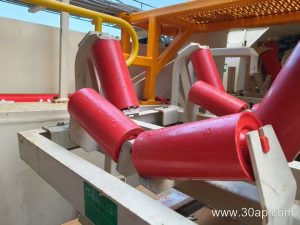
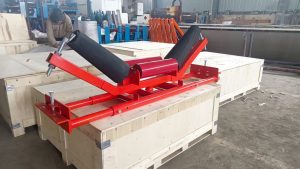
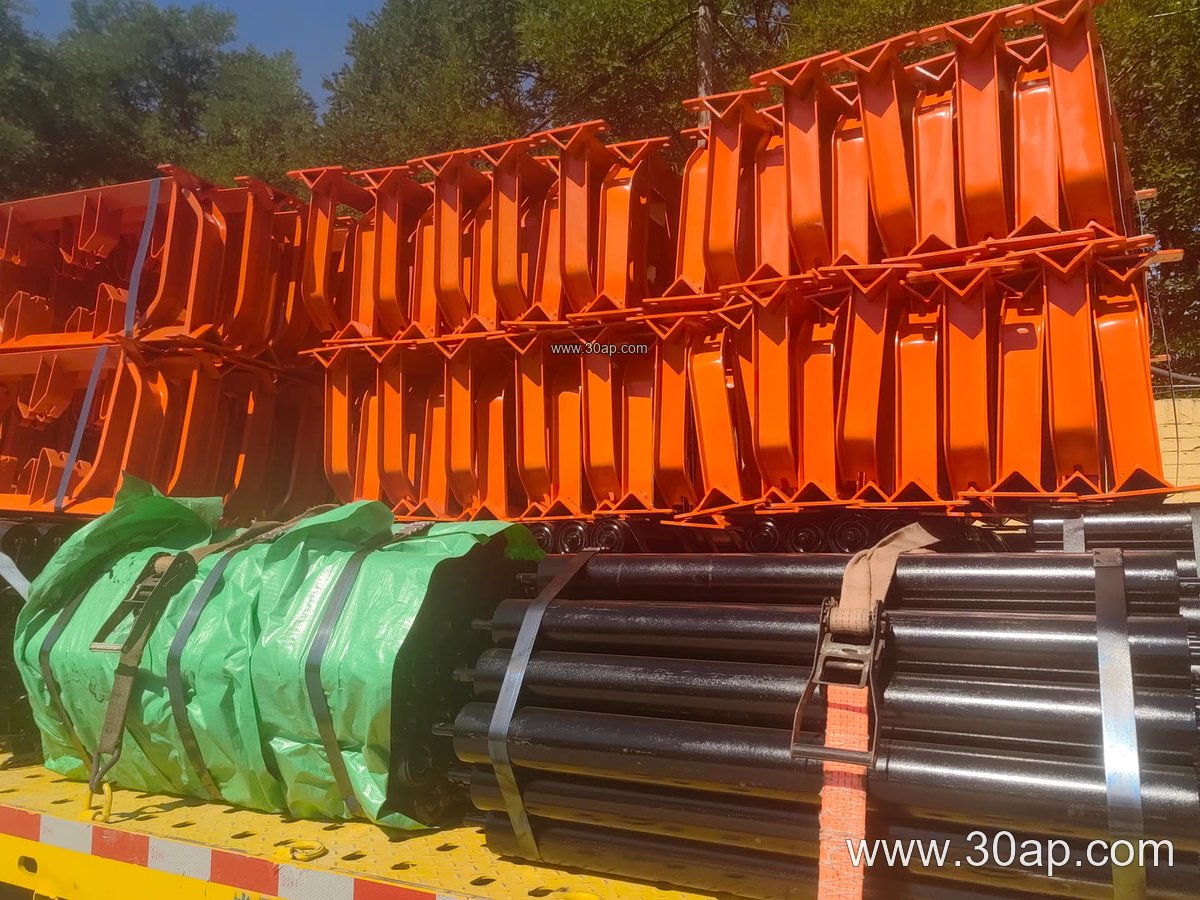
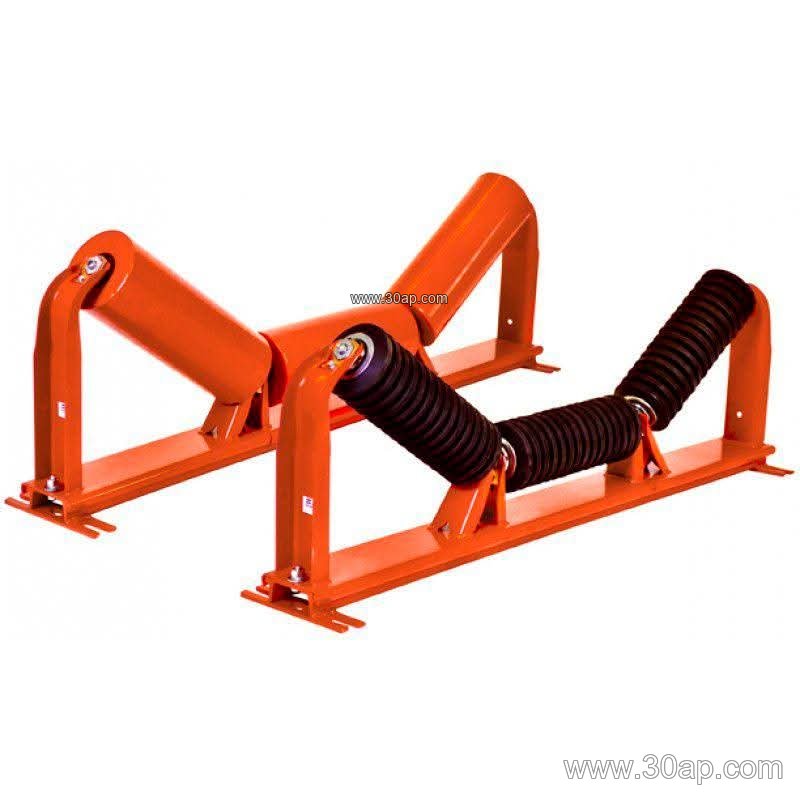
A conveyor idler frame is the structural assembly that holds idler rollers in the correct position under or over the conveyor belt. It is also called a conveyor idler support frame or idler bracket frame. The frame keeps the rollers aligned, sets the trough angle for the belt, and transfers the load from the belt and material into the conveyor stringer. Without a rigid, well-aligned frame, even high-quality idlers and a premium rubber conveyor belt will run poorly.
Frames are used in quarry lines, coal washing plants, cement kilns, power plant coal handling, and port bulk terminals. In each place, the frame must match the belt width, the idler diameter, and the loading conditions.
Construction and Common Types
Most frames are fabricated from angle steel, channel steel, or folded steel plate. The crossbeam length and mounting hole spacing are determined by belt width and trough angle, not by a single fixed number. Common frame types include:
- Troughing idler frame (carrying side, 20°, 30°, 35°, or 45° trough angle)
- Transition idler frame (gradual change from flat to trough)
- Return idler frame (flat or V-shaped return support)
- Impact idler frame (reinforced for loading points)
- Self-aligning idler frame (corrects belt tracking)
- Adjustable idler frame (trough angle can be changed on site)
Fixed frames are welded or bolted to a single trough angle. Adjustable frames allow the operator to fine-tune the trough angle between common values such as 20° and 45°, which helps when belt loading or material characteristics change.
Matching Frame to Belt and Roller
Selection starts with belt width and idler roller diameter. Common belt widths include B500, B650, B800, B1000, B1200, B1400, B1600, B1800, B2000, B2200. Typical roller diameters are Ø89, Ø108, Ø133, Ø159, and Ø194. A frame for B800 at 35° with Ø108 rollers is a common combination, but B800 does not have to use only one trough angle or one roller size. The design must consider belt speed, material lump size, and load weight.
For heavy-duty mining conveyor belt or steel cord conveyor belt applications, frames are often built from heavier channel steel and may include impact bars at transfer points. In coal mining, flame retardant conveyor belt and anti-static conveyor belt are often used together with robust frames to reduce fire risk. For cement plants, heat resistant conveyor belt may be needed near clinker areas, and the frame must tolerate thermal expansion without losing alignment.
Reference Data for Frame Planning
| Belt Width | Common Trough Angle | Typical Roller Diameter |
|---|---|---|
| B500 | 20°–30° | Ø89 |
| B650 | 30° | Ø89–Ø108 |
| B800 | 35° | Ø108 |
| B1000 | 35°–45° | Ø108–Ø133 |
| B1200 | 35°–45° | Ø133 |
| B1400 | 35°–45° | Ø133–Ø159 |
| B1600 | 35°–45° | Ø159 |
| B1800 | 35°–45° | Ø159–Ø194 |
| B2000 | 35°–45° | Ø194 |
These values are common references, not mandatory combinations. Final selection depends on the conveyor design, material density, and idler load rating.
Where the Frame Fits in the System
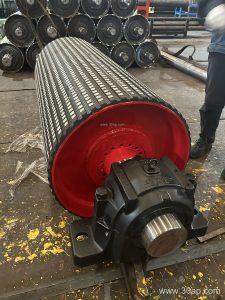
The frame works with the conveyor pulley at the head and tail, the conveyor bracket that mounts to the stringer, and the idler roller set. At the head, the drive pulley pulls the belt; at the tail, the tail pulley controls belt return. Bend pulleys change belt direction. None of these pulleys are interchangeable with an idler frame, but all must be aligned to the same centerline. A misaligned frame can cause the belt to rub the structure and wear the edge prematurely.
In a typical stone crushing line, troughing frames support the loaded belt, return frames support the empty belt, and self-aligning frames are placed before the head pulley to keep the belt centered. In a coal washing plant, impact frames and flame retardant conveyor belt work together at the load zone.
Buyer Checklist
- Confirm belt width (B500 to B2200) and required trough angle.
- Specify idler diameter (Ø89 to Ø194) and bearing type.
- State material: angle steel, channel steel, or folded plate.
- Ask for mounting hole spacing and crossbeam length to match existing stringers.
- Choose fixed or adjustable frame based on future operating flexibility.
- For corrosive or wet conditions, request suitable surface treatment.
- Check that the frame design suits the conveyor belt type, such as EP conveyor belt, NN conveyor belt, or steel cord conveyor belt.
Well-chosen conveyor idler frames reduce roller wear, keep the belt tracking straight, and lower maintenance downtime in quarry, mining, cement, and power plant operations.