What a Feed Point Impact Idler Does
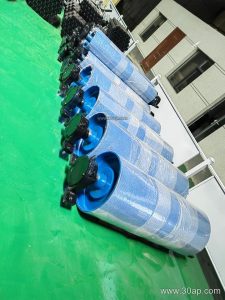
A feed point impact idler is a heavy-duty idler roller installed directly under the loading zone of a conveyor belt. Its job is to absorb the energy of falling material—run-of-mine ore, crushed stone, coal, clinker, or aggregate—before that energy reaches the belt cover and carcass. Unlike a standard carrying idler, this impact idler is built with resilient rings or a reinforced shell that cushions the drop and spreads the load across a wider contact area. In quarry, coal mining, and cement plant circuits, the feed point is where most belt damage begins, so specifying the right impact idler is a practical way to extend conveyor belt life.
Construction and Surface Options
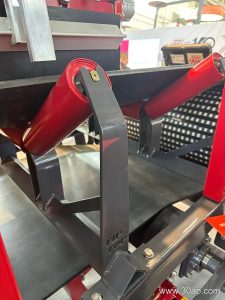
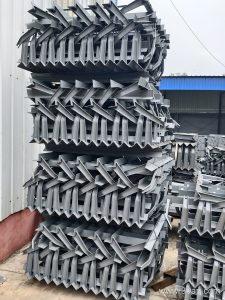
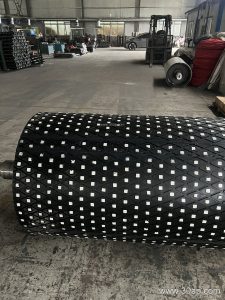
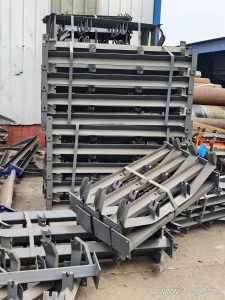
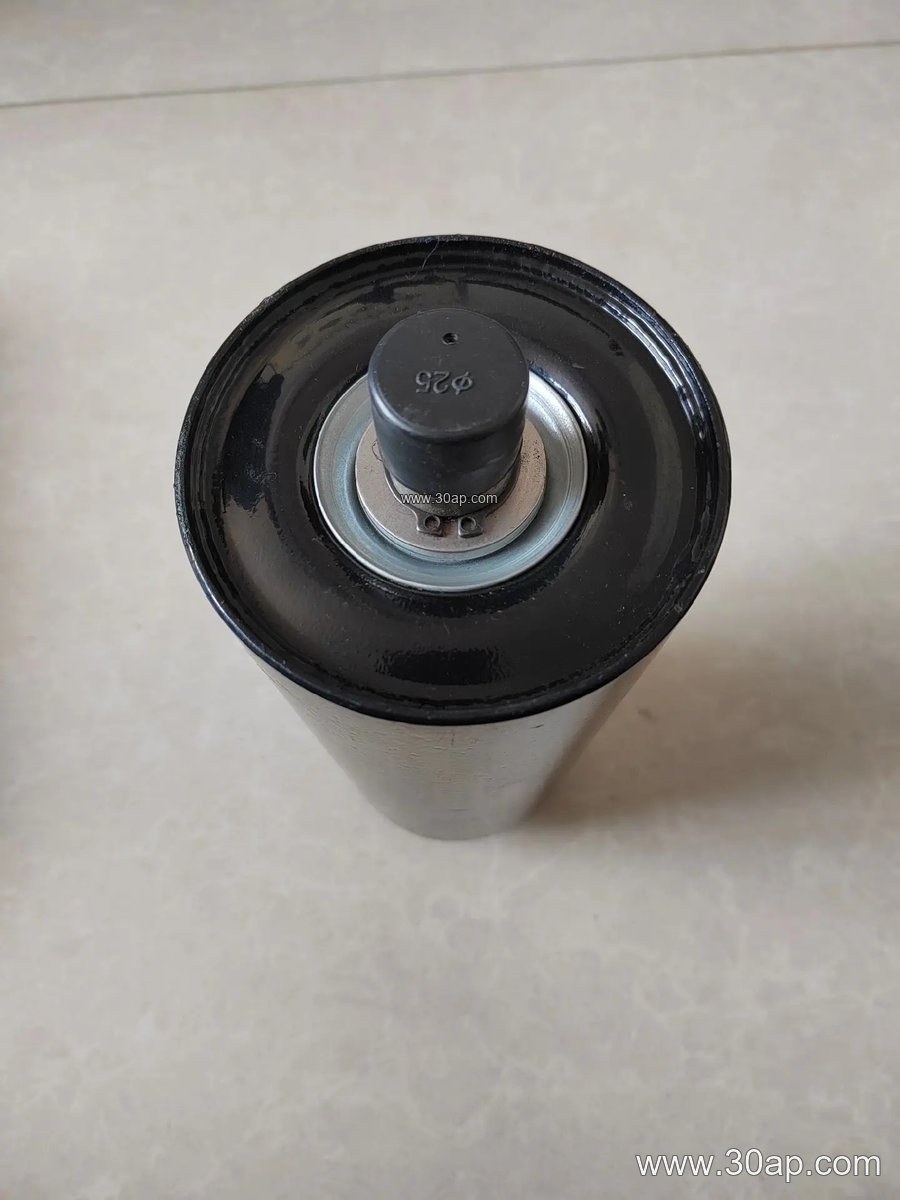
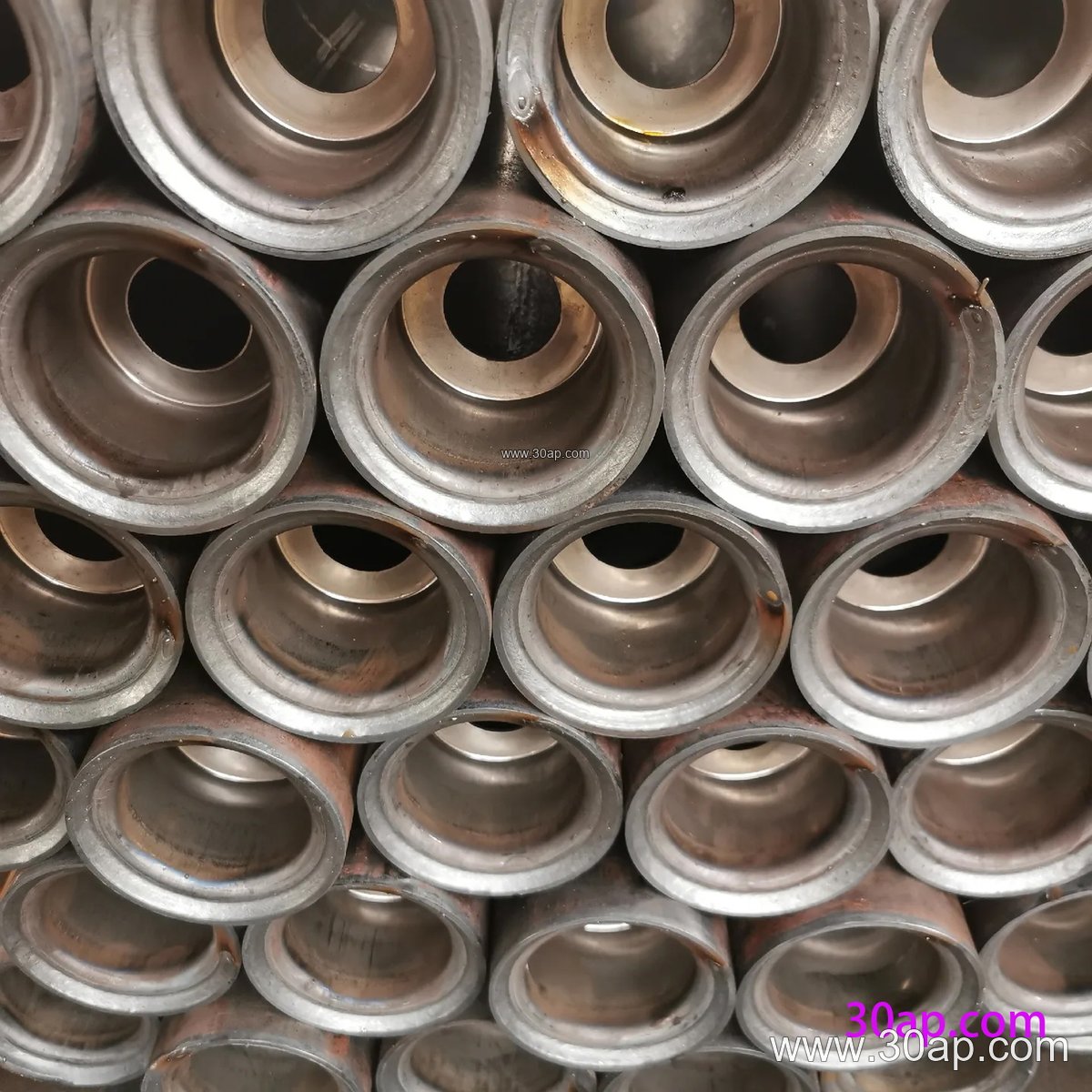
The body usually starts with a steel tube shell, fitted with rubber rings, nylon discs, or ceramic segments depending on the duty. Rubber ring impact idlers are the common choice for rock and ore handling because the rings flex under impact and protect the belt cover. The shaft runs through sealed bearing housings, typically 6205, 6305, 6306, 6308, or 6310, selected by load and speed rather than by roller diameter alone. Frames are mounted on the conveyor bracket or support structure, and the whole assembly is positioned to match the trough angle of the adjacent carrying idlers.
Where It Fits on the Conveyor
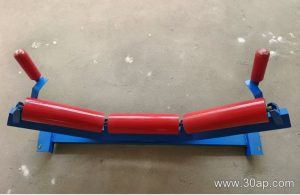
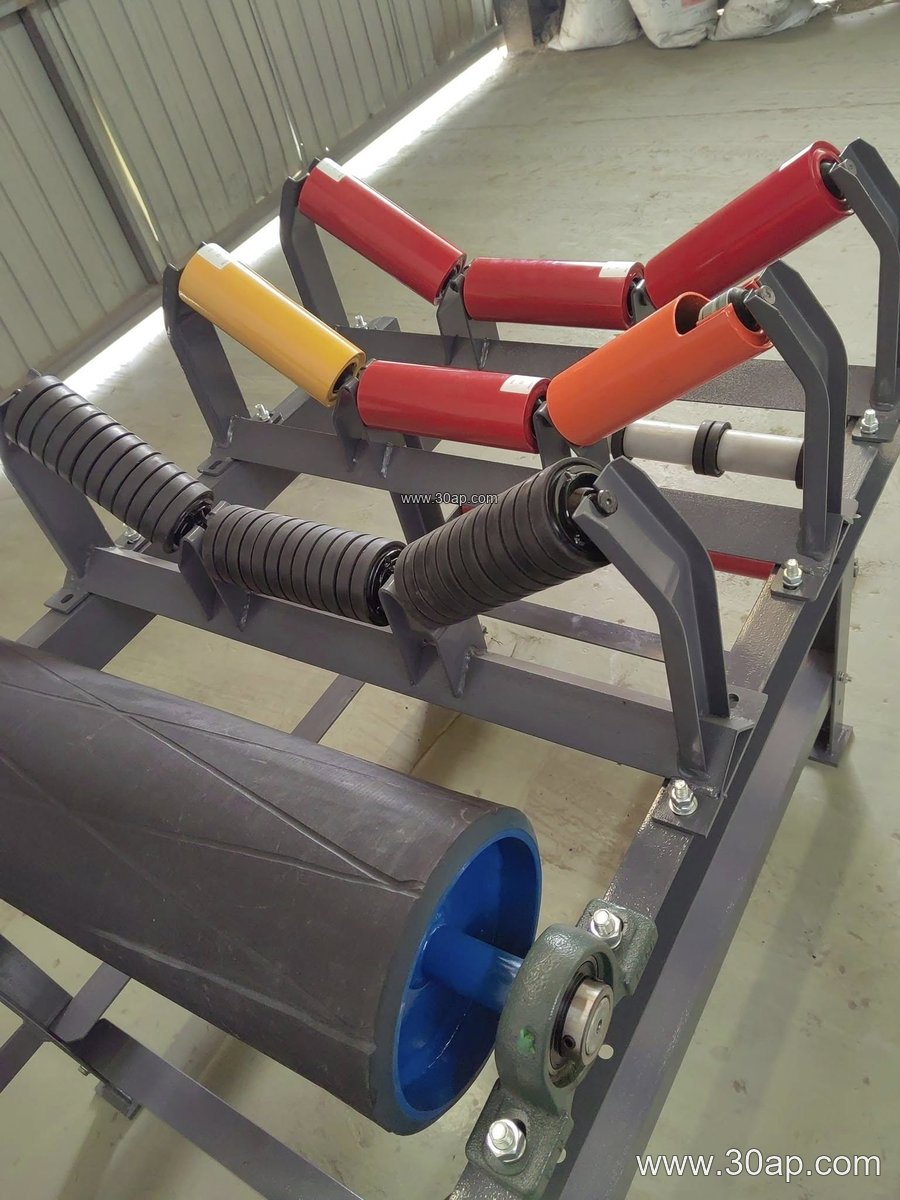
This idler sits in the impact zone, normally a short distance downstream of the skirted conveyor belt loading point. It is often used in a three-roll trough set with a 20, 30, 35, or 45 degree trough angle, and may be combined with transition idlers as the belt opens from the feed chute. In a coal mining conveyor or a limestone quarry line, the impact idler is not a replacement for the bend pulley or drive pulley—those are different components with different functions. The impact idler is a carrying-side roller, and its position relative to the feed chute and skirt rubber matters as much as its own specification.
Common Sizes and Reference Data
Roller diameter and belt width are chosen together with the load height and lump size. The table below gives typical reference values, not fixed combinations; final selection is by design.
| Parameter | Common Reference Values |
|---|---|
| Roller diameter | Ø89, Ø102, Ø108, Ø127, Ø133, Ø159, Ø178, Ø194 mm |
| Belt width | B500, B650, B800, B1000, B1200, B1400, B1600, B1800 mm |
| Trough angle | 20°, 30°, 35°, 45° |
| Roller length example (three-roll trough) | B500 about 200 mm; B800 about 315 mm; B1200 about 465 mm; B1600 about 600 mm |
| Bearing example | 6204, 6205, 6305, 6306, 6308, 6310 |
| Surface form | Steel tube, rubber ring, nylon, ceramic |
Side rollers and center rollers can differ in length, and the figures above are only common examples. A 1200mm wide conveyor belt does not automatically require one specific shaft diameter; the shaft is determined by the idler manufacturer’s load rating and the conveyor design.
Buyer Checklist
- Confirm the actual drop height and lump size at the feed point, because impact energy drives the choice of rubber ring thickness and roller diameter.
- Match the impact idler trough angle to the adjacent carrying idlers so the conveyor belt does not pinch or tracking badly.
- Check that the bearing seal suits the environment—dust in a crusher conveyor or aggregate conveyor is very different from the conditions in a power plant coal conveyor.
- Verify mounting dimensions against the existing conveyor bracket and frame spacing before ordering.
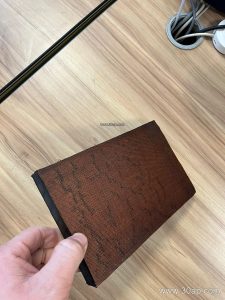
- Consider the belt type in service. A heavy-duty mining conveyor belt or an abrasion resistant conveyor belt may tolerate a different impact idler setup than a lighter fabric core conveyor belt.
Maintenance Notes
Inspect impact idlers for ring wear, seized bearings, and shell deformation, especially after a chute blockage or a large lump passing through. A worn rubber ring reduces cushioning and transfers shock to the belt carcass. Keep the feed chute centered so material lands on the impact idler rather than the belt edge, and check that skirt rubber does not press too hard on the belt at the loading point.
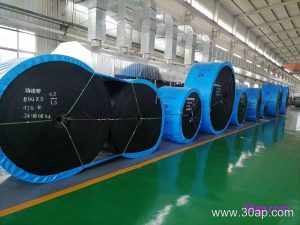
For related conveyor components and belt specifications, see Rubber Conveyor Belt, EP Conveyor Belt, and Steel Cord Conveyor Belt. These are separate product families and should be selected together with the idler layout, not in place of it.